

10 Greatest HBO TV Masterpieces of the 21st Century, Ranked
The 21st century has presented the golden age of television drama, marking an era where the medium has evolved from being a formulaic and routine assembly of police procedurals, soap operas, and family sitcoms into a prestigious form of visual storytelling. While streaming services and television networks have capitalized on this momentous shift, there is only one brand that is truly synonymous with the small-screen’s ascent, and that, of course, is HBO.
The premium network began blazing a new trail as early as the 1990s, with hit series like Oz and The Sopranos pushing the envelope of what was possible to depict on television not only in terms of graphic content, but in terms of storytelling styles and production quality as well. Over the past 26 years, HBO has remained a spearhead of small-screen greatness with a litany of iconic and universally admired shows that range from intense crime thrillers to skewering satires, piercing historical dramas, and monumental fantasy epics.
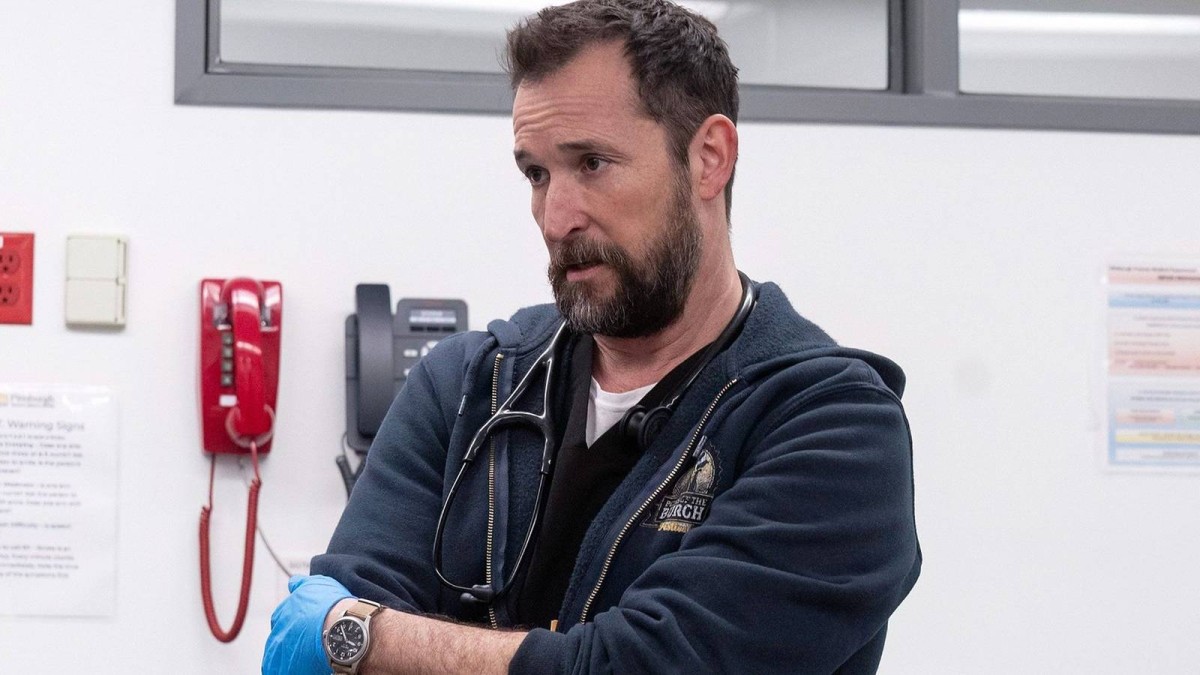
10 'The Pitt' (2025–Present)
 Image via HBO
Marking one of HBO’s most recent television triumphs, The Pitt has reinvented the nature of medical drama, imbuing the genre with an urgency and drive through its unique real-time approach and its grueling authenticity. Set in the ER of the fictional Pittsburgh Trauma Medical Center, both of its 15-episode seasons so far have unfolded over the course of a tumultuous shift, with each episode covering an hour in the intense, high-pressure, and woefully understaffed and under-resourced medical facility.
Using documentary-style realism and focusing on the many plights that healthcare workers must endure and overcome in the modern, post-COVID age, The Pitt soars as an immersive descent into the frenetic chaos of life in an ER. Anchored by its deeply human characters, strong thematic messaging, and the atmospheric suspense of its presentation, The Pitt has emerged as one of the defining series of the 2020s and has already established itself as yet another masterpiece produced by HBO.
9 'Veep' (2012–2019)
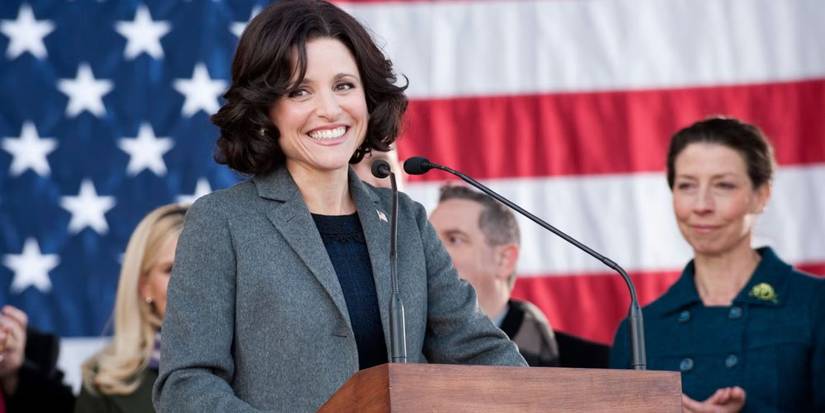 Image via HBO
Political satire has seldom been so acidic. Hot off the back of his success with the BBC’s production of The Thick of It, renowned satirist Armando Iannucci made for America and the production powers of HBO to lampoon the political landscape within the White House. Julia Louis-Dreyfus is sublime as Selina Meyer, a former senator now serving as the Vice President who tries to use the position to elevate her own legacy while navigating a litany of issues in her private life.
Its seven-season run is a glorious procession of comedic wit at its most barbed, with Veep constantly evolving as a farcical and frenzied skewering of American politics that reduces political figures to fiercely immoral egomaniacs and depicts the nature of power as being one panicked, unmitigated calamity after another. Profane, profound, and perfectly puerile, Veep stands tall among the best comedies HBO has ever produced and remains one of the network’s most cutting and shocking productions.
8 'Game of Thrones' (2011–2019)
 Image via HBO
An awe-inspiring feat of small-screen production, Game of Thrones is the embodiment of television at its most epic and astonishing. Even if its ill-fated final season did leave fans underwhelmed, the scope of what the series achieved, particularly in the first half of its eight-season run, remains the most stunning achievement the medium has ever seen, a wickedly addictive and often frightfully graphic story of power, betrayal, and violence realized with enormous scope and richly immersive production value.
Based on George R. R. Martin’s “A Song of Ice and Fire” novel series, it focuses on the war that erupts in the fantasy realm of Westeros when the region’s lords enter a conflict for the Iron Throne while an ancient evil gathers power. At its best, there was no show as compelling or commanding. Its penchant for killing off main characters created an atmosphere of sickening suspense and unpredictability, while the intricacies of its political detail and immoral characters made for must-watch television. Through its spin-off series like House of the Dragon and A Knight of the Seven Kingdoms, Game of Thrones remains the greatest pop-culture icon in television history and the most stunning foray into high-concept fantasy the medium has ever seen.
7 'Six Feet Under' (2001–2006)
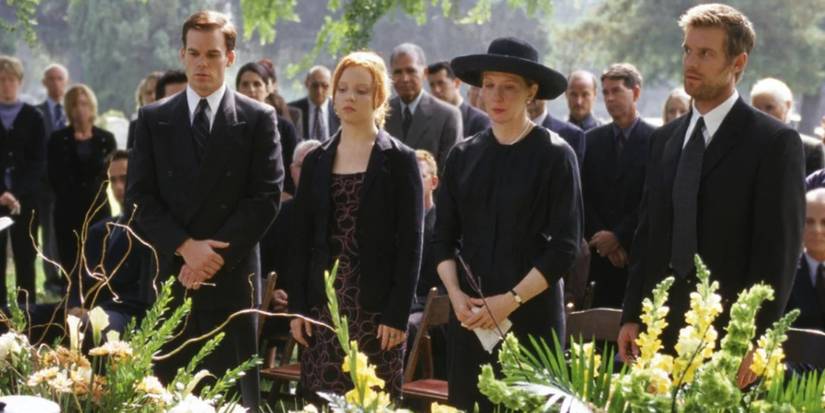 Image via HBO
Pivoting from one of HBO’s greatest ever successes to an underrated gem that deserves far more recognition even 20 years on from its finale, Six Feet Under excels as a gripping dark dramedy revolving around the highly dysfunctional Fisher family. Following the death of their patriarchal figure, the surviving members of the Fisher family oversee the management of the Fisher & Sons funeral home, leading to a procession of obstacles as their efforts to run the business clash with the ugly complexity of their personal lives.
Seamlessly transitioning between black comic brilliance, thought-provoking surrealism, and devastating moments of poignant emotional realism, Six Feet Under shines through its character development and its mature exploration of such themes as mortality, family friction, and a cohort of grounded life issues like sexuality, mental health, and identity. Complimented by one of the greatest series finales of all time, Six Feet Under stands tall among HBO’s greatest ever TV shows, even if it has been forgotten by the masses over time.
6 'Deadwood' (2004–2006)
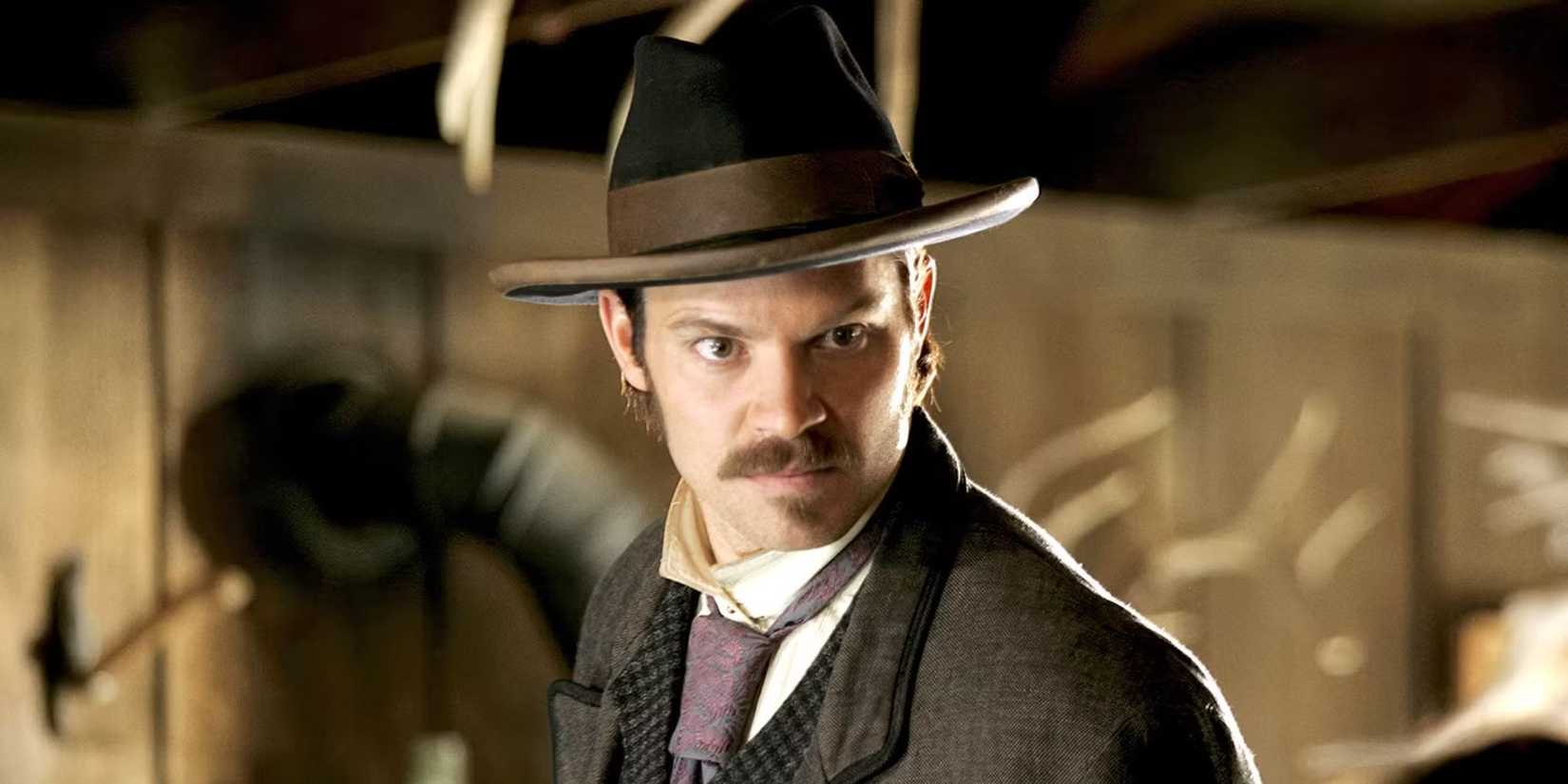 Image via HBO
Presenting Western drama as it has seldom been seen before or since, Deadwood combines the violent and confronting grit of the Old West with mesmerizing and profanity-laden Shakespearean dialogue, masterful world-building, and compelling observations on the nature of civilization. Created by David Milch, it transpires as swarms of people flock to the titular South Dakota town in the 1870s in search of riches. However, with the population boom also comes a wave of crime and chaos that the understaffed sheriff’s office is ill-equipped to manage.
While its abrupt ending due to the post-season 3 cancelation does make its ending a little unrewarding, Deadwood still excels with its impeccably designed character arcs and its brilliant analysis of how the town was caught in the thralls of capitalist greed. Unlike other Western dramas, it is unflinching and unromantic, presenting a grim vision of an 1870s gold mining town complete with grime, squalor, violence, ambition, and tragedy.
Collider Exclusive · TV Medicine Quiz Which Fictional Hospital Would You Work Best In? The Pitt · ER · Grey's Anatomy · House · Scrubs
Five hospitals. Five completely different ways medicine goes sideways on television — brutal, chaotic, romantic, brilliant, and ridiculous. Only one of them is the ward your instincts were built for. Eight questions will figure out exactly where you belong.
🚨The Pitt
🏥ER
💉Grey's
🔬House
🩺Scrubs
FIND YOUR HOSPITAL →
01
A critical patient comes through the door. What's your first instinct? Medicine under pressure reveals who you actually are.
AStay completely present — block everything else out and work through it step by step, right now. BTriage fast and delegate — get the right people on the right problems immediately. CTrust my gut and move — I work best when I stop overthinking and just act. DAsk the question everyone else is ignoring — what's the thing that doesn't fit? ETake a breath, make a joke to cut the tension, and then get to work — panic helps no one.
NEXT QUESTION →
02
Why did you go into medicine in the first place? The honest answer says more about you than the one you'd give in an interview.
ABecause I wanted to be where it matters most — right at the edge, when someone's life is actually on the line. BBecause I wanted to help people — genuinely, one patient at a time, in a system that makes it hard. CBecause I was drawn to the intensity of it — the stakes, the drama, the feeling of being fully alive. DBecause medicine is the most interesting puzzle there is — and I needed a problem worth solving. EBecause I wanted to make a difference — and also, honestly, I didn't know what else to do with my life.
NEXT QUESTION →
03
What do you actually want from the people you work with? Who you want beside you under pressure is who you are.
ACompetence and calm — I need people who don't fall apart when things get bad. BTrust and reliability — I want to know that when I pass something off, it's handled. CConnection — I want colleagues who become family, even if that gets complicated. DIntelligence and the willingness to be challenged — I have no interest in people who just agree with me. EFriendship — people I actually like spending twelve hours a day with, because those hours are going to happen either way.
NEXT QUESTION →
04
You lose a patient you fought hard to save. How do you carry it? Every doctor who's worked a long shift has had to answer this question.
AI carry it. All of it. I don't look for ways to put it down — that weight is part of doing this work honestly. BI process it and move — you have to, or the next patient suffers for the one you just lost. CI feel it deeply and lean on the people around me — I don't think you're supposed to handle that alone. DI go back over every decision — not to punish myself, but because I need to understand what I missed. EI grieve it genuinely, find some way to laugh about something unrelated, and try to be kind to myself — imperfectly.
NEXT QUESTION →
05
How would your colleagues describe the way you work? Your reputation on the floor is usually more accurate than your self-image.
AIntense and completely present — no small talk during a shift, but exactly who you want there. BSteady and dependable — not the flashiest in the room but never the one who drops something. CPassionate and occasionally chaotic — brilliant on the hard cases, prone to drama everywhere else. DBrilliant and difficult — right more often than anyone else, and everyone knows it, including me. EWarm and self-deprecating — not the most intimidating presence, but genuinely good at this and easy to like.
NEXT QUESTION →
06
How do you feel about hospital protocol and procedure? Every institution has rules. What you do with them is a choice.
AProtocol is the floor, not the ceiling — I follow it until the patient needs something it can't provide. BI respect it — the system is broken in places, but the structure is there for a reason and I work within it. CI follow it until my instincts tell me not to — and my instincts are usually right, even when they cause problems. DRules are for people who haven't thought hard enough about when to break them. EI try to follow it and mostly do — with a few memorable exceptions that still come up in meetings.
NEXT QUESTION →
07
What does this job cost you personally? Nobody works in medicine without paying a price. What's yours?
AEverything outside these walls — I've given this job my full attention and the rest of my life has gone around it. BMy idealism, mostly — I came in believing the system could be fixed and I've made a complicated peace with that. CStability — my personal life has been as chaotic as the OR, and that's not entirely a coincidence. DMy relationships — I am not easy to know, and the people who've tried to would probably agree. EMy sense of gravity — I use humour as a coping mechanism, which not everyone appreciates in a hospital.
NEXT QUESTION →
08
At the end of a long shift, what keeps you coming back? The answer to this question is the most honest thing about you.
AThe fact that it's real — that nothing else I could be doing would matter this much, right now, today. BThe patients — individual human beings who needed something and got it because I was there. CThe people I work with — I have walked through impossible things with these people and I'd do it again. DThe next unsolved case — there's always another puzzle, and I'm not done yet. EBecause despite everything — the exhaustion, the loss, the absurdity — I actually love this job.
REVEAL MY HOSPITAL →
Your Assignment Has Been Made You Belong In…
Your answers have pointed to one fictional hospital above all others. This is the ward your instincts, your temperament, and your particular brand of dysfunction were built for.
The Pitt
You are built for the most unsparing version of emergency medicine television has ever shown — one that puts you inside a single fifteen-hour shift and doesn't let you look away.
- You need your work to be real, not romanticised — meaning over drama, honesty over aesthetics.
- You find purpose inside the work itself, not in the chaos surrounding it.
- You've made peace with the fact that this job takes from you constantly, and gives back in ways that are harder to name.
- Pittsburgh Trauma Medical Center demands exactly that kind of person — and you would not want to be anywhere else.
ER
You are the person who keeps the whole floor running — not the most brilliant in the room, but possibly the most essential.
- You show up, do the work, absorb the losses, and come back the next day without needing the job to be anything other than what it is.
- You care about patients as individual human beings, not as cases to solve or dramas to live through.
- You believe in the system even when it fails you — and you understand that emergency medicine is about holding the line just long enough.
- ER is television about endurance. You have it.
Grey's Anatomy
You came to medicine with your whole self — your ambition, your emotions, your relationships, your history — and you have never quite managed to leave any of it at the door.
- You feel things fully and form deep attachments to the people you work with.
- Your personal and professional lives are permanently, chaotically entangled — and that entanglement drives both your greatest disasters and your most remarkable saves.
- You understand that extraordinary medicine often happens at the intersection of clinical skill and profound human connection.
- It's messy at Grey Sloan. You would not have it any other way.
House
You are drawn to the problem above everything else — the symptom that doesn't fit, the diagnosis hiding underneath the obvious one.
- You're not primarily motivated by the patient as a person — though you are capable of caring, even if you'd deny it.
- You work best when the stakes are highest and the standard answer is wrong.
- Princeton-Plainsboro exists to house one extraordinary, impossible mind — and everyone around that mind is there because they're smart enough to keep up.
- The only way forward here is to think harder than everyone else in the room. That is exactly what you do.
Scrubs
You understand that medicine is tragic and absurd in almost equal measure — and that the only sane response is to hold both of those things at the same time.
- You are warm, self-aware, and funnier than most people in your field.
- You use humour to get through terrible moments — and at Sacred Heart, that's not a flaw, it's a survival strategy.
- You lean on the people around you and let them lean back. The laughter and the grief are genuinely inseparable here.
- Scrubs is a show about learning to become someone worthy of the job. You are still very much in the middle of that process — which is exactly right.
↻ RETAKE THE QUIZ
5 'Succession' (2018–2023)
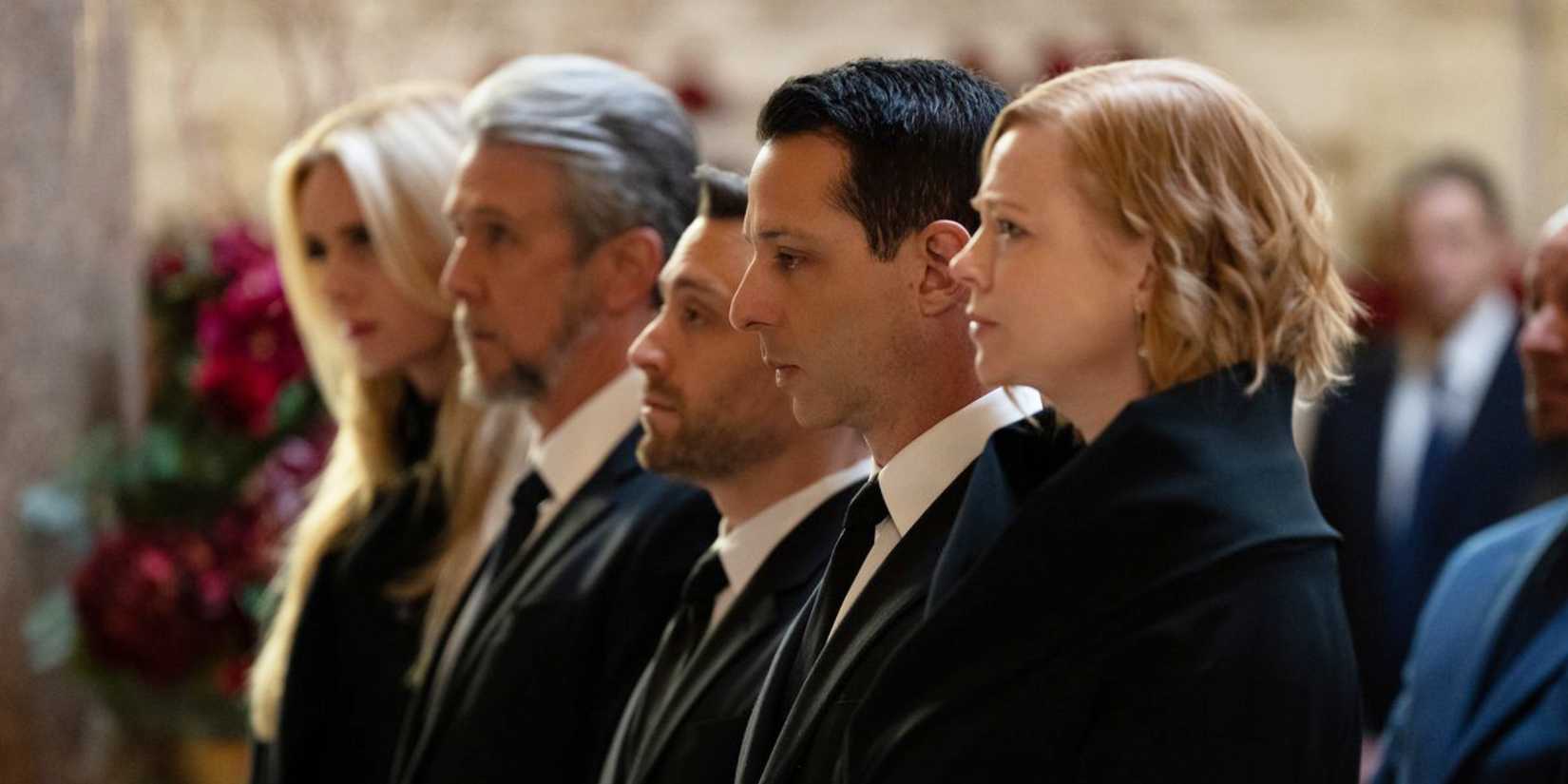 Image via HBO
An essential landmark of television greatness over the past decade, Succession boasts both brilliantly barbed comedic instincts and a relentless sense of high-stakes tension as it immerses viewers in the chaotic lifestyle of immense wealth and power. Revolving around Waystar RoyCo, a multi-billion-dollar multimedia conglomerate with worldwide influence, it unfolds as the aging CEO and owner, Logan Roy (Brian Cox), signals his intent to step down, leading to a volatile power struggle between his three children as they each try to present themselves as the best candidate to succeed him.
Combining elements of operatic Shakespearean tragedy and cringe-worthy satire, Succession presents a fiendishly enthralling sibling rivalry that revels in betrayals and barbed insults while still touching on serious issues of generational trauma and self-worth with dignity and depth. A true masterclass in television spectacle throughout the entirety of its four-season run, Succession sits comfortably among HBO’s greatest series of the 21st century.
4 'The Leftovers' (2014–2017)
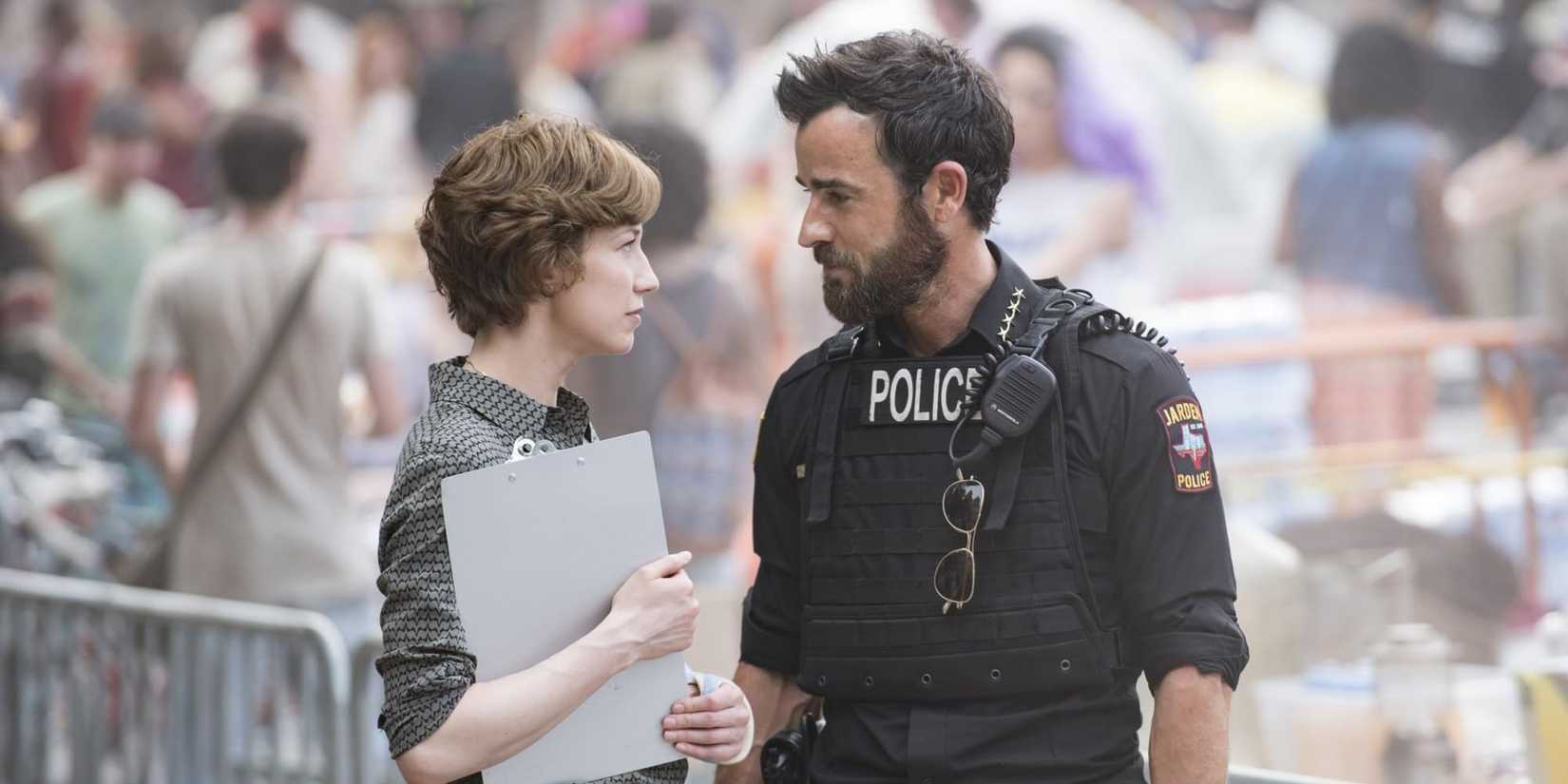 Image via HBO
Moody, meditative, and magnificent from start to finish, The Leftovers has an ensnaring depth and complexity to it as it substitutes the traditional narrative drive of television drama for a richly impressionable and somber exploration of grief and loss. It transpires in the aftermath of the “Sudden Departure,” an inexplicable event in which two percent of the world’s population vanished. Three years later, the world is still reeling as some people have turned to extremist cults to cope with their trauma, while others try to maintain a sense of normality for themselves and their families.
Investing all of its energy into the emotional journeys of those who remain, it doesn’t run as a frenetic mystery or even as a typical post-apocalyptic thriller but as a thought-provoking drama defined by the piercing brilliance of its performances and the emotional and psychological depth of the writing. The Leftovers is, above all else, profoundly empathetic, using its restraint and concentration to grapple with the intricacies of the human condition while realizing a stunning world of pain and despair. It stands not only as one of the best HBO shows of all time, but as the network's most underrated production as well.
3 'Chernobyl' (2019)
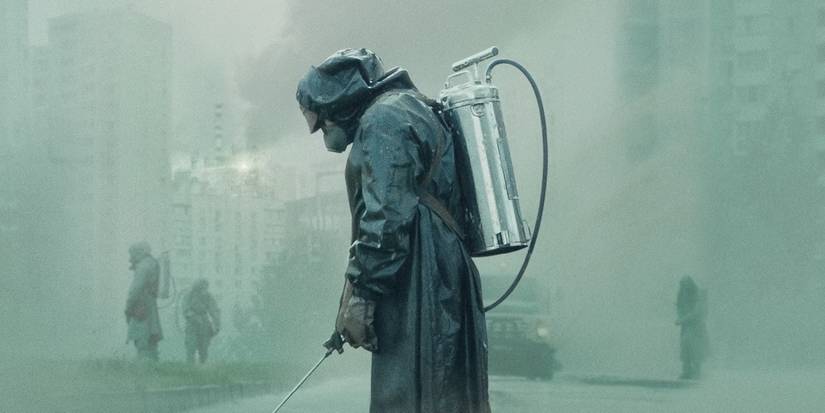 Image via HBO
A defining highlight of limited series prestige, Chernobyl is the best production HBO has overseen in the past decade, and it could easily be viewed as the best piece of television drama over the same timeframe. The grueling historical drama explores the 1986 Chernobyl nuclear power plant disaster, covering the immediate aftermath, the tireless efforts to contain the radioactive fallout in an ongoing operation overseen by Valery Legaslov (Jared Harris), and the eventual political ramifications that befell the leaders of the Soviet Union who tried to conceal the true nature of the incident.
Exuding a sense of horror-like suspense and presenting some of the most frightfully unbearable sequences in television history, Chernobyl is a masterclass in immersive filmmaking. Compounding this visceral realism with a scorching message on the cost of lies and the price of deceit, the five-part miniseries is the epitome of small-screen drama at its absolute best, and it is certain to endure for many years to come as both a triumph of dramatic tension and a timeless commentary on political malpractice.
2 'Band of Brothers' (2001)
 Image via HBO
From the best miniseries in recent years to the best miniseries of all time, Band of Brothers has aged brilliantly for 25 years now as one of the most powerful and humanistic portrayals of the brutality of WWII. Based on the experiences of real soldiers—even including snippets of testimonial interviews from some of the actual troops—it follows the men of Easy Company through their involvement in the European Theater of the war, starting with their training regime and airdrop into Normandy on the eve of D-Day, covering the many battlefields they fought on the frontlines of, and ending with their presence in Germany in the final stages of the war.
Powered by the creative input of Hollywood legends Steven Spielberg and Tom Hanks, Band of Brothers amazes even today with the scope and realism of its production. Its authenticity conjures a viscerally confronting spectacle that not only serves as a respectful display of the battlefields of WWII but also allows for the miniseries’ emphasis on the camaraderie between soldiers to feel more poignant and meaningful as well. It remains the greatest war drama the small screen has ever seen and is one of the most distinguished achievements in the history of HBO.
1 'The Wire' (2002–2008)
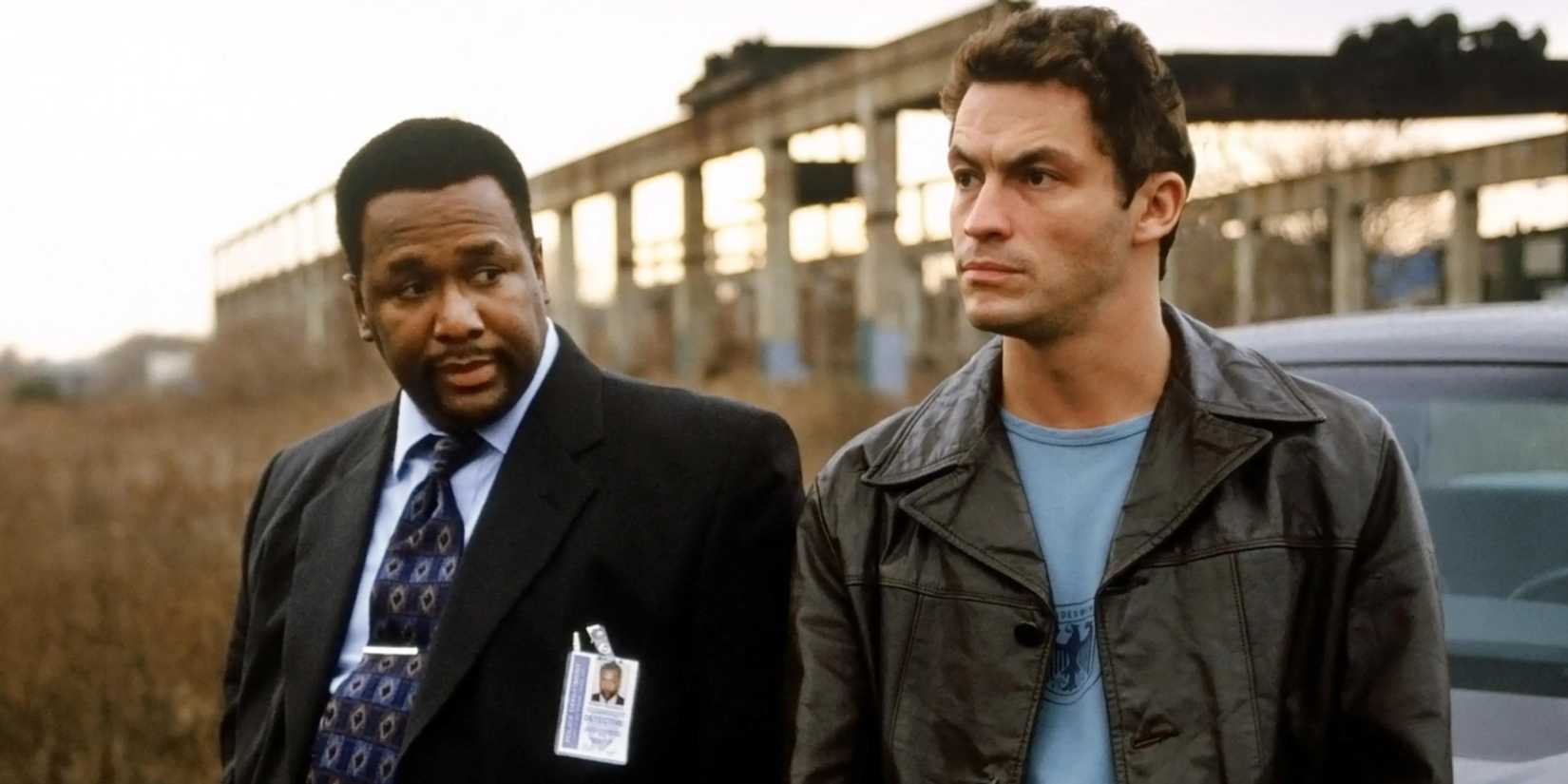 Image via HBO Max
While it wasn’t the biggest ratings success when it aired throughout the 2000s, The Wire has come to be celebrated by many as HBO’s finest ever production and one of the most important series in television history. Functioning as so much more than just a crime series, it proceeds with unflinching realism as it explores the hierarchy of the drug trade, the inner workings of the Baltimore Police Department, and the abysmal failure of societal institutions that are depended on, ranging from public education to City Hall.
Its sociological examination is strengthened by its scope and its moral ambiguity, with the series refusing to depict police and politicians as altruistic heroes, nor drug dealers as wicked and evil. There is a sense of tragedy that the issues The Wire explores, such as crime, corruption, addiction, and the inefficiency of bureaucracy, are still so relevant nearly 20 years on from its finale, but it does imbue the series with a timelessness and power that few other shows can match. It remains enshrined among the greatest feats in television history, and is certain to stand as a defining triumph of HBO for many years to come.
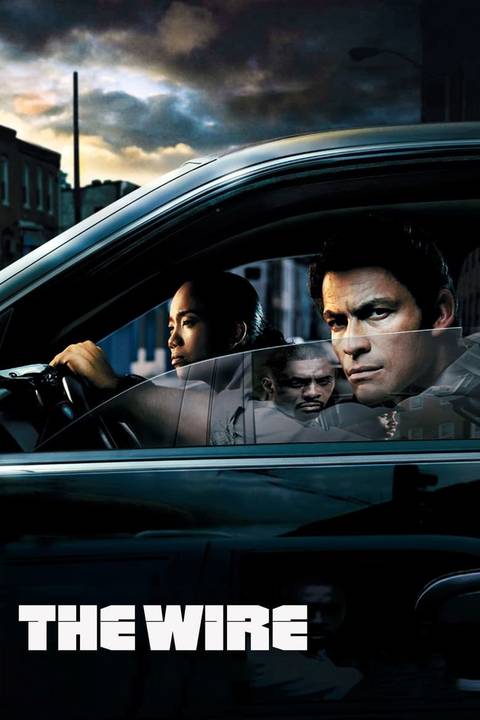
The Wire
Release Date 2002 - 2008-00-00
Network HBO
What's Your Reaction?
 Like
0
Like
0
 Dislike
0
Dislike
0
 Love
0
Love
0
 Funny
0
Funny
0
 Wow
0
Wow
0
 Sad
0
Sad
0
 Angry
0
Angry
0









Comments (0)