

10 Most Universally Loved Power Rangers Seasons, Ranked


Published Nov 24, 2026, 8:00 PM EST
Tom is a Senior Staff Writer at Screen Rant, with expertise covering everything from hilarious sitcoms to jaw-dropping sci-fi epics.
Initially he was an Updates writer, though before long he found his way to the TV team. He now spends his days keeping Screen Rant readers informed about the best shows available to stream, whether it's recommending hidden gems that may have been missed or deep diving into ways your favorite shows have (or haven't) stood the test of time.
Tom is based in the UK and when he's not writing about TV shows, he's watching them. He's also an avid horror fiction writer, gamer, and has a Dungeons and Dragons habit that he tries (and fails) to keep in check.
Sign in to your ScreenRant account
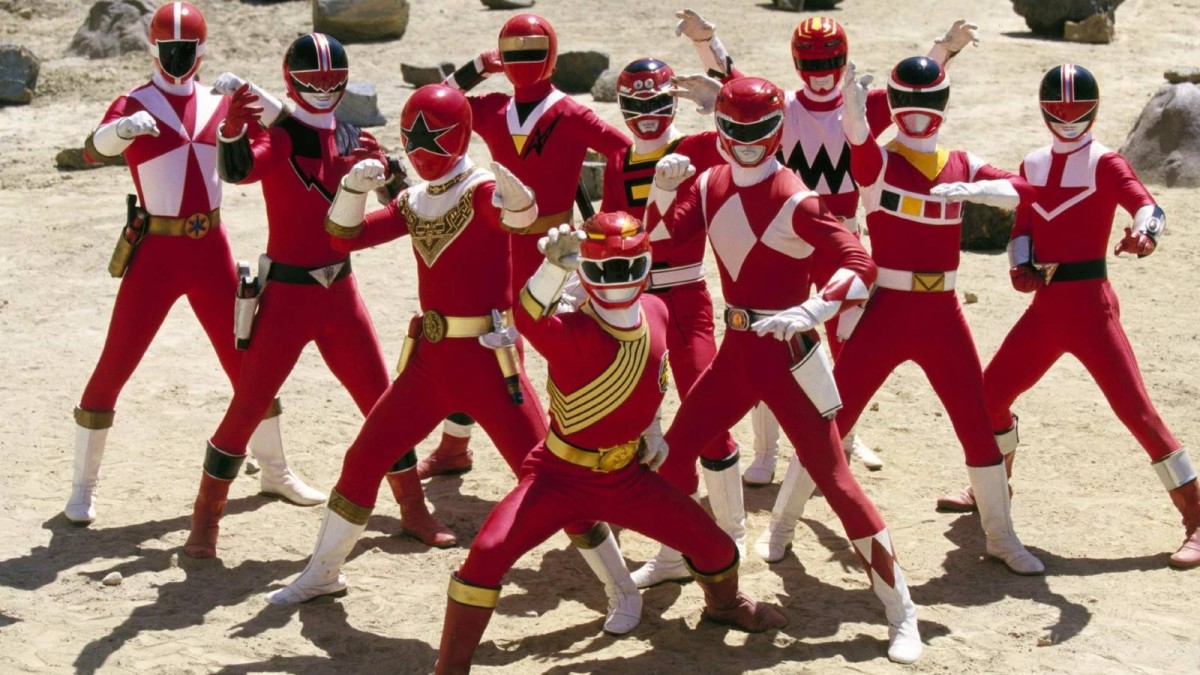
Power Rangers has always been defined by reinvention. Across more than 30 years, the franchise has introduced dozens of Ranger teams, regularly swapping familiar faces, powers, and villains while still staying true to its ever-endearing central concept. However, every new incarnation was a risk. Some became instant favorites, while others leave fans counting the episodes until the next team arrives. Fortunately, Power Rangers has produced considerably more hits than misses, with its strongest shows demonstrating just how much variety the core idea of a team of Zord-piloting heroes in colorful suits can accommodate.
Still, even among the best Power Rangers shows, there’s only a handful whose quality seems beyond debating. These are the seasons that regularly unite fans who otherwise disagree about almost everything. They’re the Power Rangers series that manage to capture everything there is to love about the franchise with almost no criticisms from anywhere within the fandom. They represent a wide variety of eras and central gimmicks, but all of them manage to tap into the essence of what makes Power Rangers fans fall in love with the Rangers and their three-decade-plus battle against evil.
10 Power Rangers Lightspeed Rescue (2000)
Rescue Missions Give The Rangers An Especially Clear Sense Of Purpose
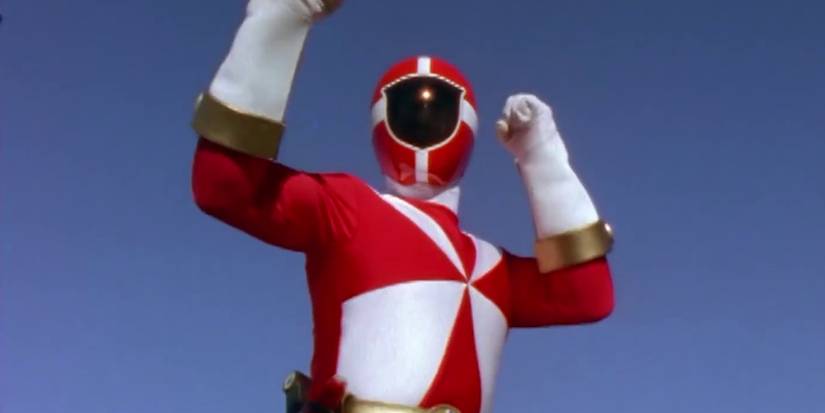
Saving civilians feels like the central purpose of Power Rangers Lightspeed Rescue, and that clarity gives the season enormous appeal. Airing in 2000 during the original Saban era, it follows adults recruited to defend Mariner Bay from demons using powers developed through human technology. Firefighter Carter Grayson (Sean Cw Johnson) embodies the appeal. Helping people was already his purpose long before a Morpher entered the picture and he became the Lightspeed Rescue Red Ranger.
The emergency services gimmick makes the Rangers feel like essential members of their community, with responsibilities that extend beyond defeating monsters. Rescue vehicles, an underwater headquarters, and organized support staff give the heroes a convincing working environment, while it remains undeniably a Power Rangers story thanks to demons bringing danger their technology can’t always deal with. Plus, Ryan Mitchell (Rhett Fisher), the Titanium Ranger, adds an endearing redemption story and an original Ranger identity created specifically for the American series. It’s a satisfying blend of professionalism and supernatural adventure that few other Power Rangers shows can match.
9 Power Rangers Dino Charge (2015-2016)
A Hugely Varied Team Makes Every New Ranger Feel Exciting
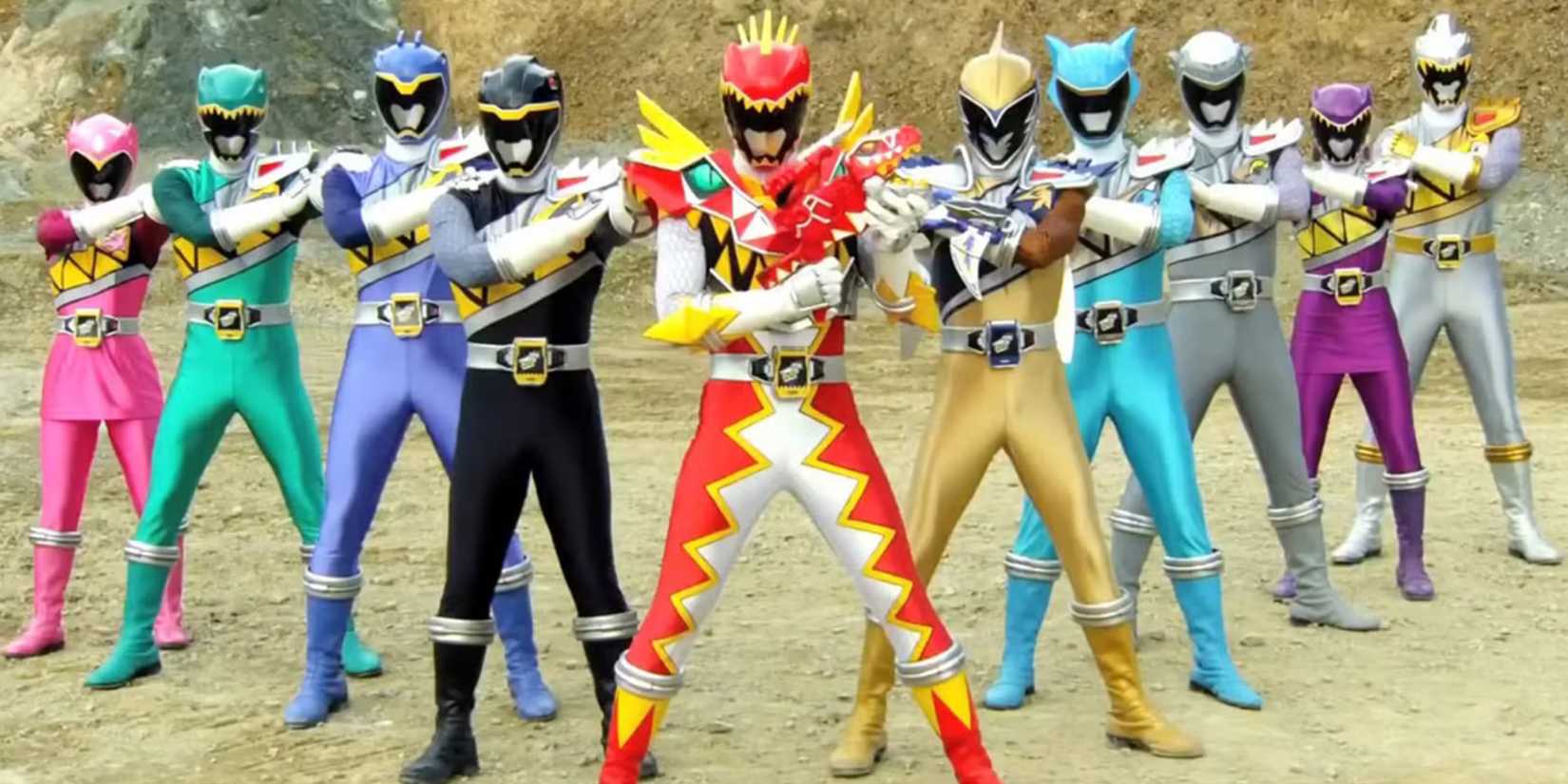
There is an infectious enthusiasm to Power Rangers Dino Charge that makes it almost feel like a love-letter to everything that came before. Its dinosaur powers, colorful alien threats, and expanding Ranger lineup turn the search for the Energems into a lively and gripping adventure. Beginning on Nickelodeon in 2015 under Saban and continuing with Power Rangers Dino Super Charge in 2016, Dino Charge brought a welcome dose of energy and enthusiasm to the franchise. The team feels genuinely enthusastic about being Rangers, and that excitement gives viewers plenty of reasons to follow their adventures.
The unusual backgrounds of the Rangers in Dino Charge makes it especially endearing compared to many other Power Rangers shows. Koda (Yoshi Sudarso) is a prehistoric human adjusting to modern life, while Ivan (Davi Santos) brings a medieval knight’s sense of honor into the group. At its core, Dino Charge is beloved because it has a team of Rangers fans are just as happy to spend time with out of costume as they are watching battle. That character-focused approach gives its increasingly elaborate adventures a human center, turning what could have been yet another dinosaur season into a team adventure with a particularly generous supply of personality.
8 Power Rangers Ninja Storm (2003)
Excellent Character Chemistry Makes An Unconventional Ranger Team Exceptionally Easy To Love
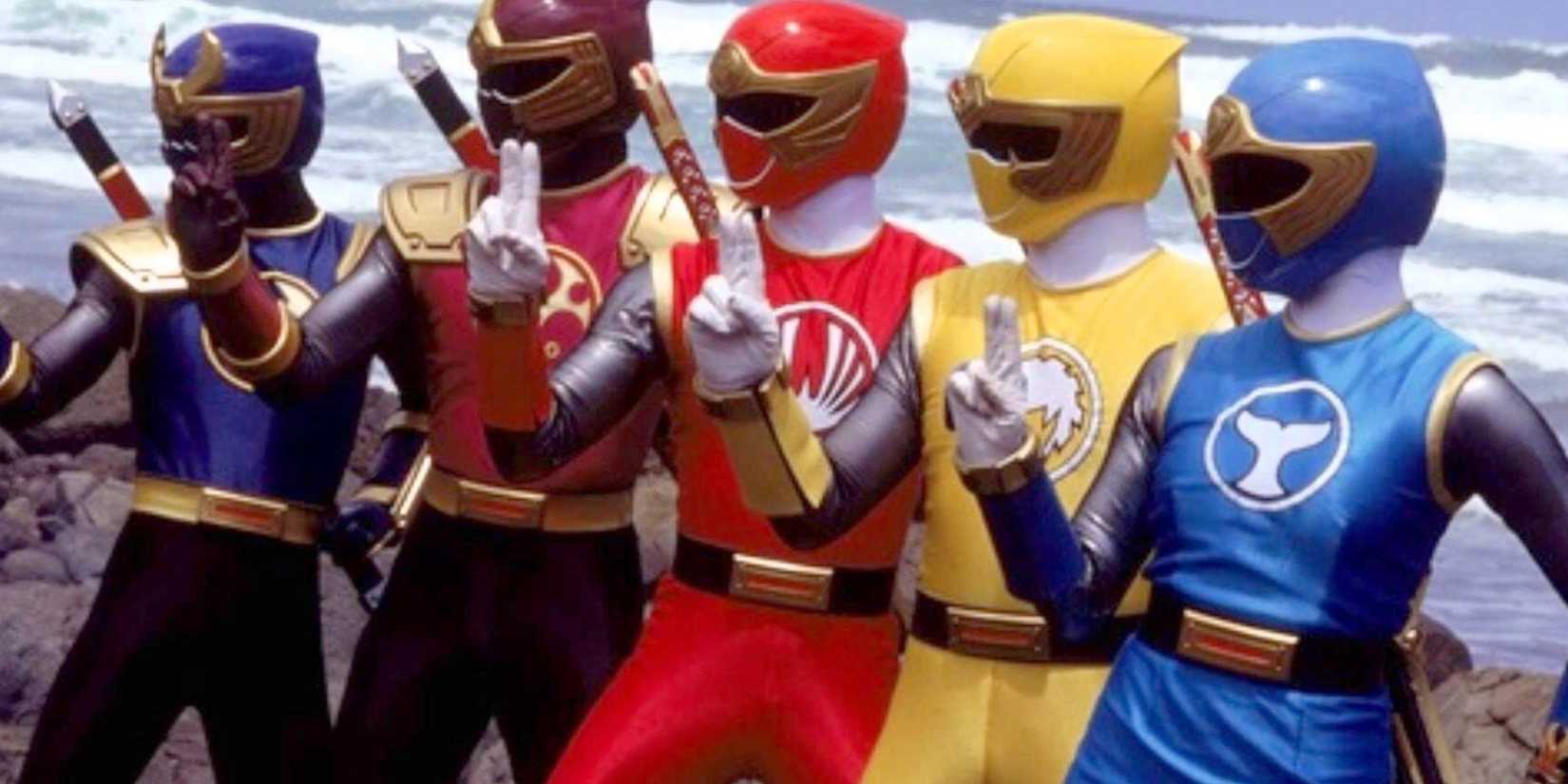
Few Ranger teams are as immediately comfortable in their own company as the central trio in Power Rangers Ninja Storm. Shane Clarke (Pua Magasiva), Tori Hanson (Sally Martin), and Dustin Brooks (Glenn McMillan) have an easygoing and authentic chemistry that makes their friendship convincing before their training produces dependable heroes. When their ninja academy is attacked, the three students find themselvs as its unlikely defenders. Their mistakes are part of the attraction, giving their eventual competence a satisfying foundation in shared experience and growing trust.
The 2003 Power Rangers season launched the franchise’s New Zealand production era under Disney with a noticeably playful identity. Extreme sports, elemental ninja abilities, and enthusiastic comedy give it a distinctive flavor. However, it knows when to get serious too, with arcs like the emergence of the Thunder Rangers complicating the team’s playful dynamic. That balance of breezy entertainment and meaningful progression ensures Ninja Storm continues to be considered a highpoint by the Power Rangers fandom.
7 Power Rangers Lost Galaxy (1999)
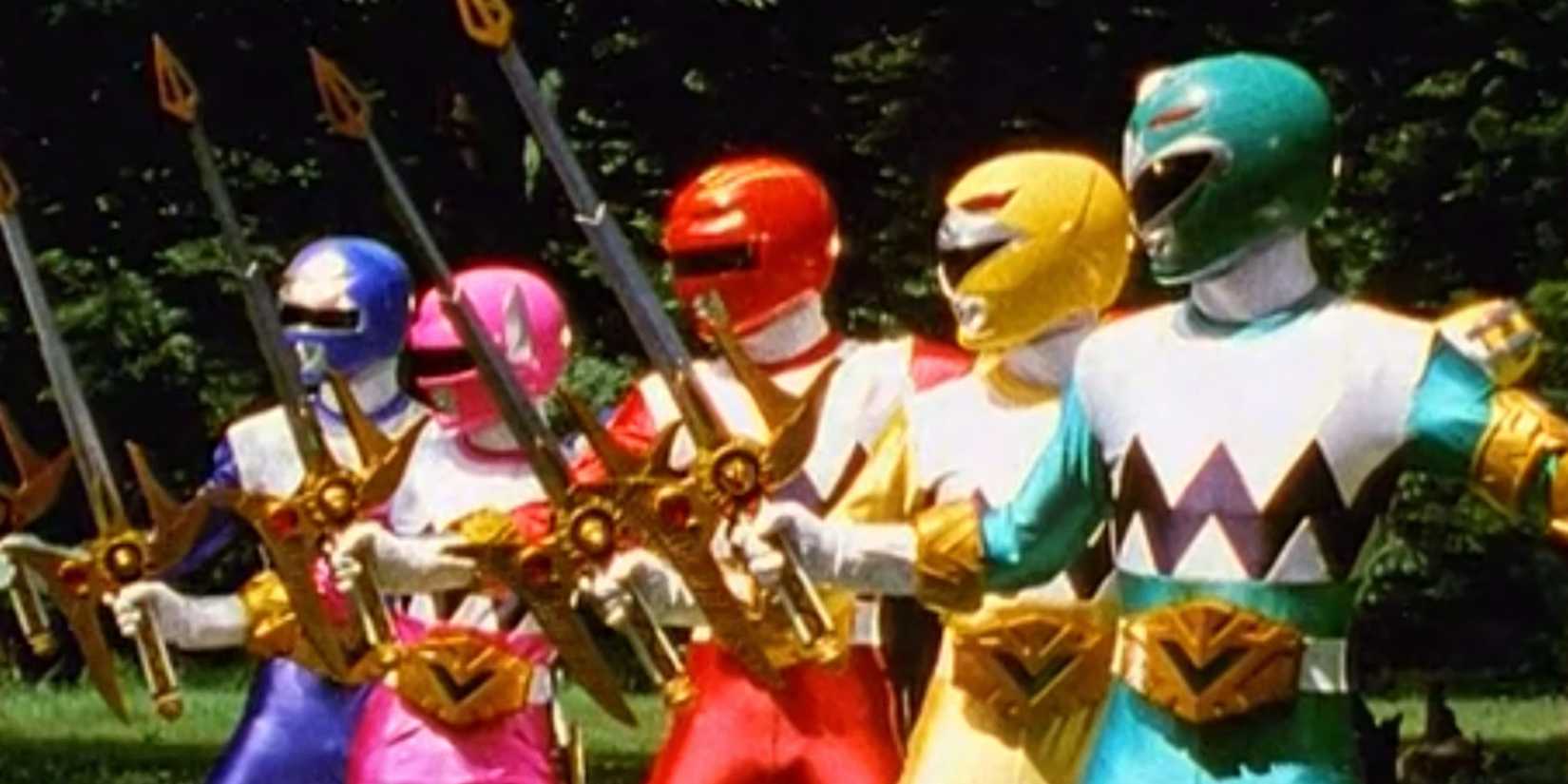
Terra Venture gives the Power Rangers Lost Galaxy team something unusually tangible to protect: an entire traveling community attempting to build a future among the stars. The 1999 Saban season combines its science fiction premise with ancient swords and living animal Zords, creating a distinct identity that, decades later, feels like one of the best representations of what makes Power Rangers’ style of storytelling so unique. However, that’s not the greatest creative achievement of Lost Galaxy. The core of why this Power Rangers series endures is that its Rangers share their journey with the inhabitants of Terra Venture, for whom danger is an ever-present aspect of daily life.
Every major setback threatens something much bigger than the outcome of the next battle, and the colony’s vulnerability gives the Rangers’ responsibilities a deep emotional grounding. What’s more, Lost Galaxy doesn’t hold back from exploring some of the darker implications of its dangerous premise. Kendrix Morgan (Valerie Vernon) sacrifices herself to save others, while Leo Corbett (Danny Slavin) grows into his leadership role through a series of incredibly difficult decisions. Meanwhile, central villain Trakeena (Amy Miller) was among the most ruthless villains Power Rangers had seen up to that point. Few shows in the franchise explored what heroism actually demands like Lost Galaxy, and it deserves every bit of love the fandom still has for it.
6 Power Rangers RPM (2009)
An Apocalyptic World Is The Foundation For Some Truly Inspired Character Drama

The 2009 season immediately stood out because humanity had already lost most of the world when Power Rangers RPM begins. Survivors shelter in Corinth while the computer virus Venjix (Andrew Laing) controls the wasteland outside, giving the Rangers an unusually desperate assignment. The Rangers aren’t here to save the world, they’re here to protect what little remains of it. The final new season of Disney’s ownership, RPM builds an absorbing story around the people carrying that burden. Doctor K (Olivia Tennet) is especially memorable: her incredibly well-written, guarded behavior born of a painful history gives the team’s technical expert a depth beyond creating upgrades.
Of course, Power Rangers isn’t Power Rangers if it’s incredibly bleak, and it's impressive how confidently RPM manages to retain a sense of light-hearted adventure and the franchise’s token comedy despite the setting being one of darkest the show’s ever seen. The friendship and interpersonal drama of the Rangers helps Power Rangers RPM keep the atmosphere of the wider franchise without losing its own unique identity. The combination of the season’s ruined world with its exceptionally well-written characters and its masterful tonal balancing act secured RPM’s place as a Power Rangers show fans have been returning to time and time again for over a decade and a half.
5 Power Rangers S.P.D. (2005)
Competing Personalities Turn Teamwork And Leadership Into Rewarding Ongoing Stories
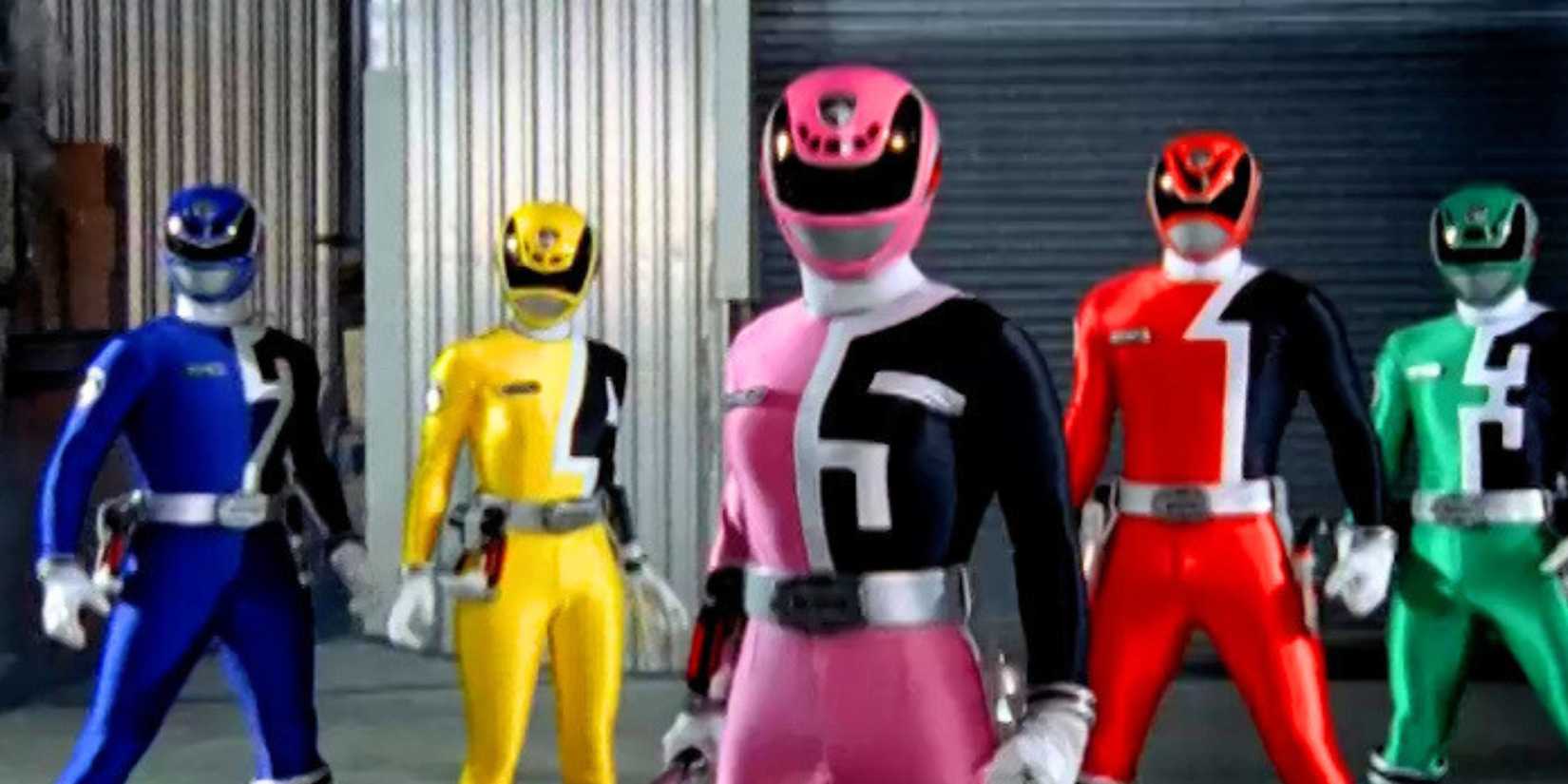
Teamwork is at the heart of the appeal of Power Rangers, but every fan knows that this aspect works best when it's earned after the Rangers have to overcome personal differences. Few seasons pulled this off as well as Power Rangers S.P.D., whose Rangers Jack Landors (Brandon Jay McLaren) and Sky Tate (Chris Violette) gave the franchise one of its most satisfying friction-laden story arcs. One arrives with natural leadership instincts and an unconventional background, the other believes his discipline and training should put him in command. Their struggle to respect one another counts for some of the franchise’s best character drama, with the S.P.D. team having to learn to become an effective unit by reconsidering their individual ideas of what a leader should be.
This interpersonal tension works even better thanks to S.P.D. having one of the most distinctive Power Rangers settings. Released in 2005 and set in 2025, S.P.D. imagines humans and aliens sharing Earth, with Space Patrol Delta defending them from criminal threats and invasion while supported by an entertaining ensemble of characters like Commander Anubis Cruger (John Tui). Its futuristic world is enjoyable on its own, but the team’s gradual growth makes spending time there rewarding for reasons beyond the unique sci-fi trappings.
4 Power Rangers Dino Thunder (2004)
A Veteran Mentor And Distinctive New Heroes Made Power Rangers History Feel Alive

Bringing Tommy Oliver (Jason David Frank) back as a mentor figure was an inspired way to connect Power Rangers Dino Thunder with the franchise’s beginnings. The 2004 Disney season didn’t just feature Tommy as a nostalgia-grabbing cameo, either. His experience as a veteran Ranger was necessary to guide three very different students as they discover dinosaur powers and learn to become the Morphin Grid’s next generation of heroes. His presence made the world of Power Rangers feel continuous in ways it hadn’t for years, with the younger Rangers ensuring the energy and sense of adventure at the core of the franchise remained intact.
Dino Thunder also boasts some of the most satisfying character arcs of any Power Rangers season before or since. For example, Trent Fernandez-Mercer (Jeffrey Parazzo) has a White Ranger storyline that masterfully ties into Tommy’s own history. Meanwhile, central villain Mesogog (Latham Gaines) gives Dino Thunder’s take on the already-done dinosaur theme a sinister edge that distinguishes it from previous prehistorically-rooted Ranger stories. The result has both the accessibility of a fresh beginning and the satisfaction of an established universe. It gave longtime viewers meaningful continuity while introducing a Ranger team worth following in their own right, a feat few versions of Power Rangers have managed.
3 Power Rangers Time Force (2001)
One Of The Most Emotionally Mature Power Rangers Shows Ever Made
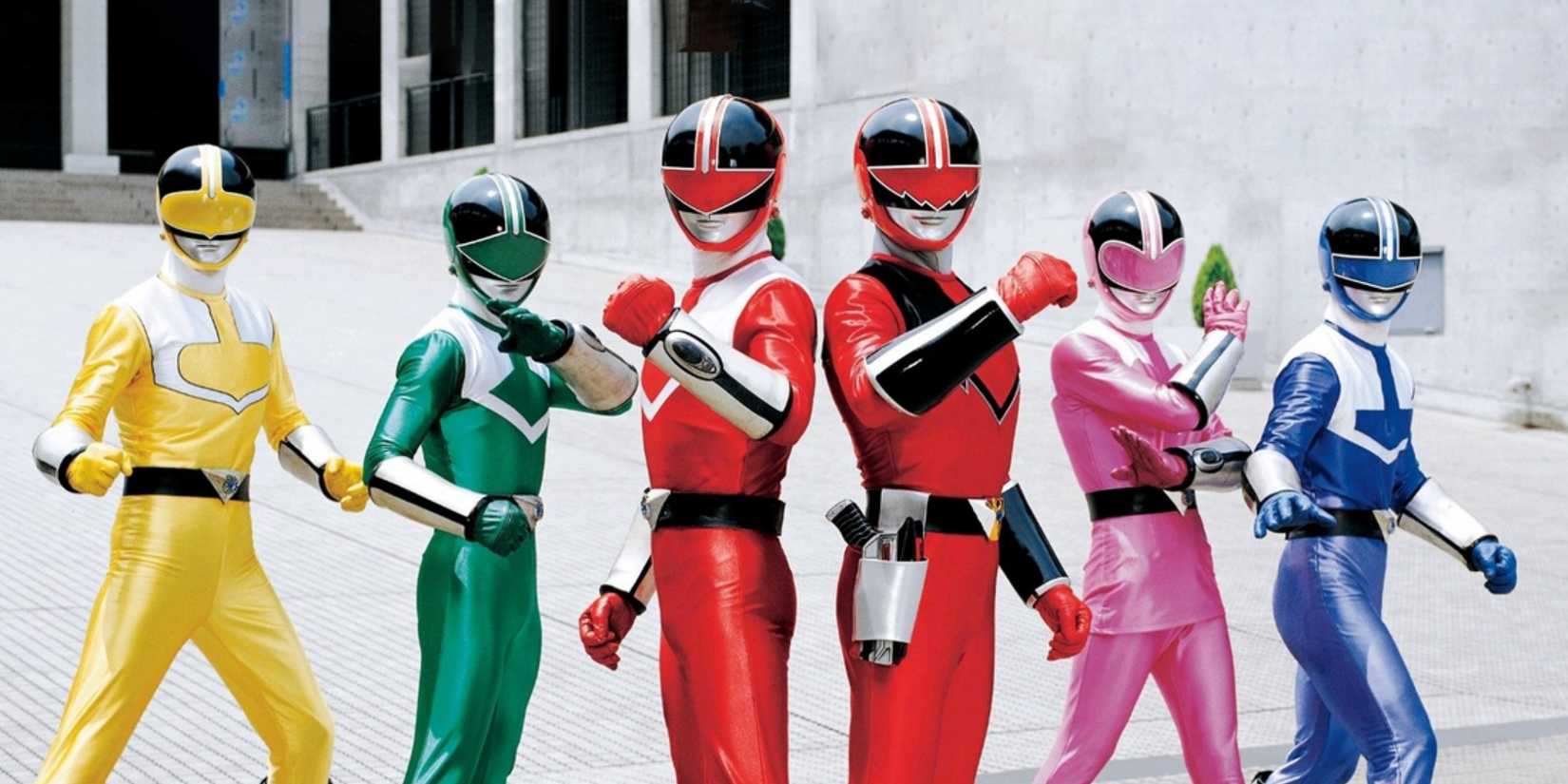
No Power Rangers show rests on the shoulders of a single character, but it’s impossible to ignore how much Pink Ranger Jen Scotts (Erin Cahill) gives Power Rangers Time Force an exceptionally strong emotional center. Her determination, grief, and gradual acceptance of the burden of authority make her one of the franchise’s most compelling leadership figures. What’s more, her developing relationship with Wes Collins (Jason Faunt) gives the season a romance with genuine dramatic weight that’s rarely seen in the franchise. The 2001 Saban series sends officers from the year 3000 into the present to pursue escaped mutant criminals. That premise may seem straightforward, but Time Force uses it as a foundation for some deeply emotional storytelling.
Jen, Wes, and the other Time Force Rangers regularly find themselves having to decide whether the futures laid out for them are worth protecting from change, and what changing those futures might cost the people they love. This underlying existential tension is supported by some of the most well-written and rounded characters in Power Rangers history. Eric Myers (Daniel Southworth) brings resentment and class tension to his rivalry with Wes, while Ransik (Vernon Wells) makes prejudice a central theme of Time Force’s villain arc. Understanding his anger never means excusing what he does with it, but it’s much more satisfying than an antagonist whose goal is taking over the world for no discernible reason beyond wanting to conquer it.
2 Power Rangers In Space (1998)
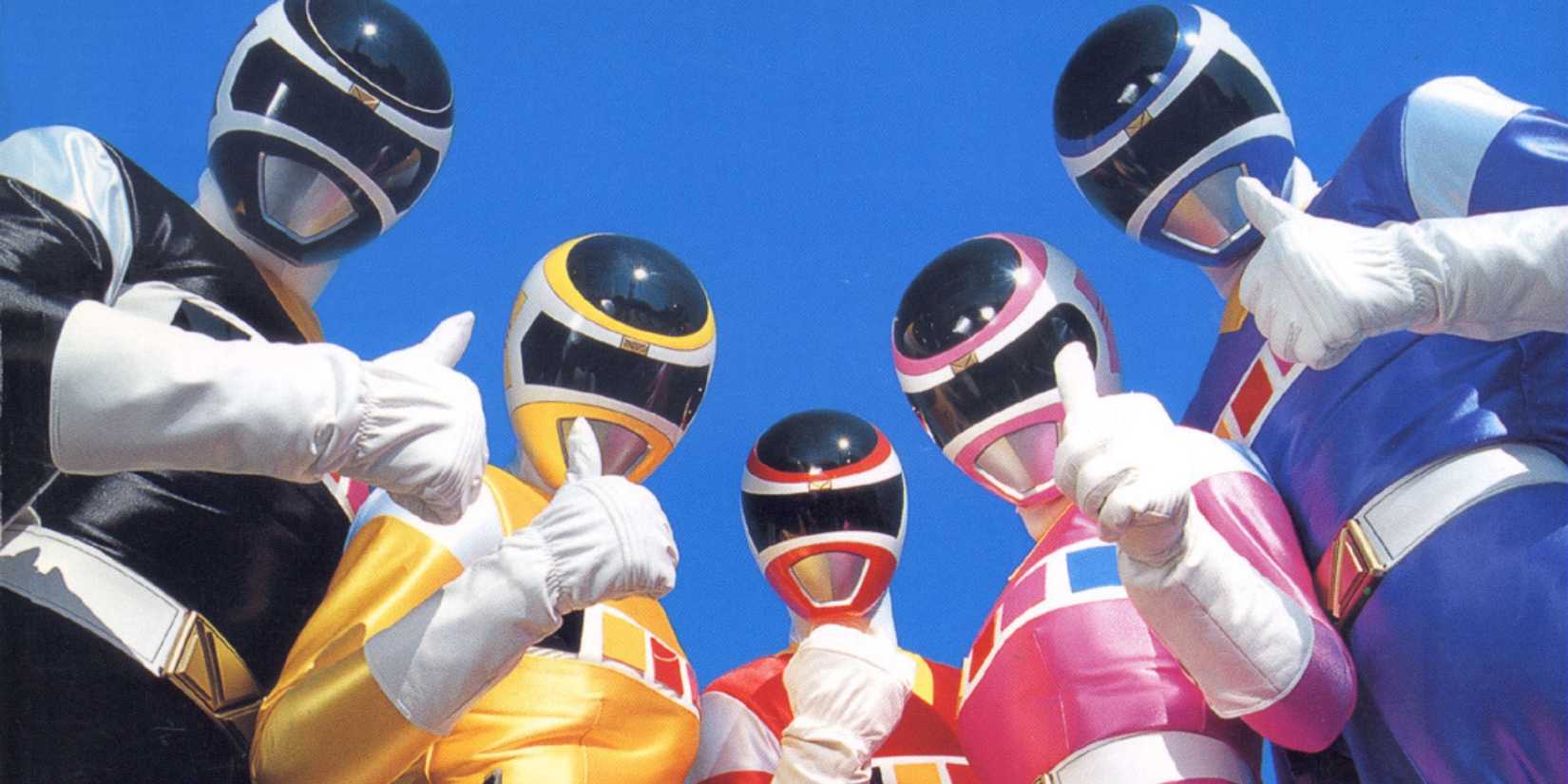
While it aired almost 30 years ago, the two-part finale of Power Rangers in Space, “Countdown to Destruction,” was a game-changing moment for the franchise. Power Rangers had flirted with serialized narratives in its earlier seasons, but in Space finally unlocked their full potential. Released in 1998 during the original Saban era, it sends the Rangers beyond Earth to search for their captured mentor and confront an expanding alliance of villains. The cosmic scale was unlike anything there’d been in the franchise up until that point. Not only did the show manage to pull off this huge shift in scope, but it managed to do so with a level of success that even future space-based Power Rangers seasons haven’t really matched.
Power Rangers in Space pulled off something spectacular by making the franchise’s interconnected universe feel emotionally coherent. The villains like Astronema (Melody Perkins) and The Psycho Rangers remain fan-favorites too, both because of their aesthetic and because of how genuinely threatening they felt compared to the foes prior versions of the Rangers had faced. The true masterstroke, though, was that Power Rangers in Space never lost sight of the people at the heart of the story no matter how vast the adventure grew. That combination gives its conclusion an exceptional impact that still resonates with fans today. Years of colorful adventure culminated in choices and sacrifices that still define Power Rangers at its best.
1 Mighty Morphin Power Rangers (1993-1995)
Wholehearted Heroism Established The Franchise’s Enduring Appeal
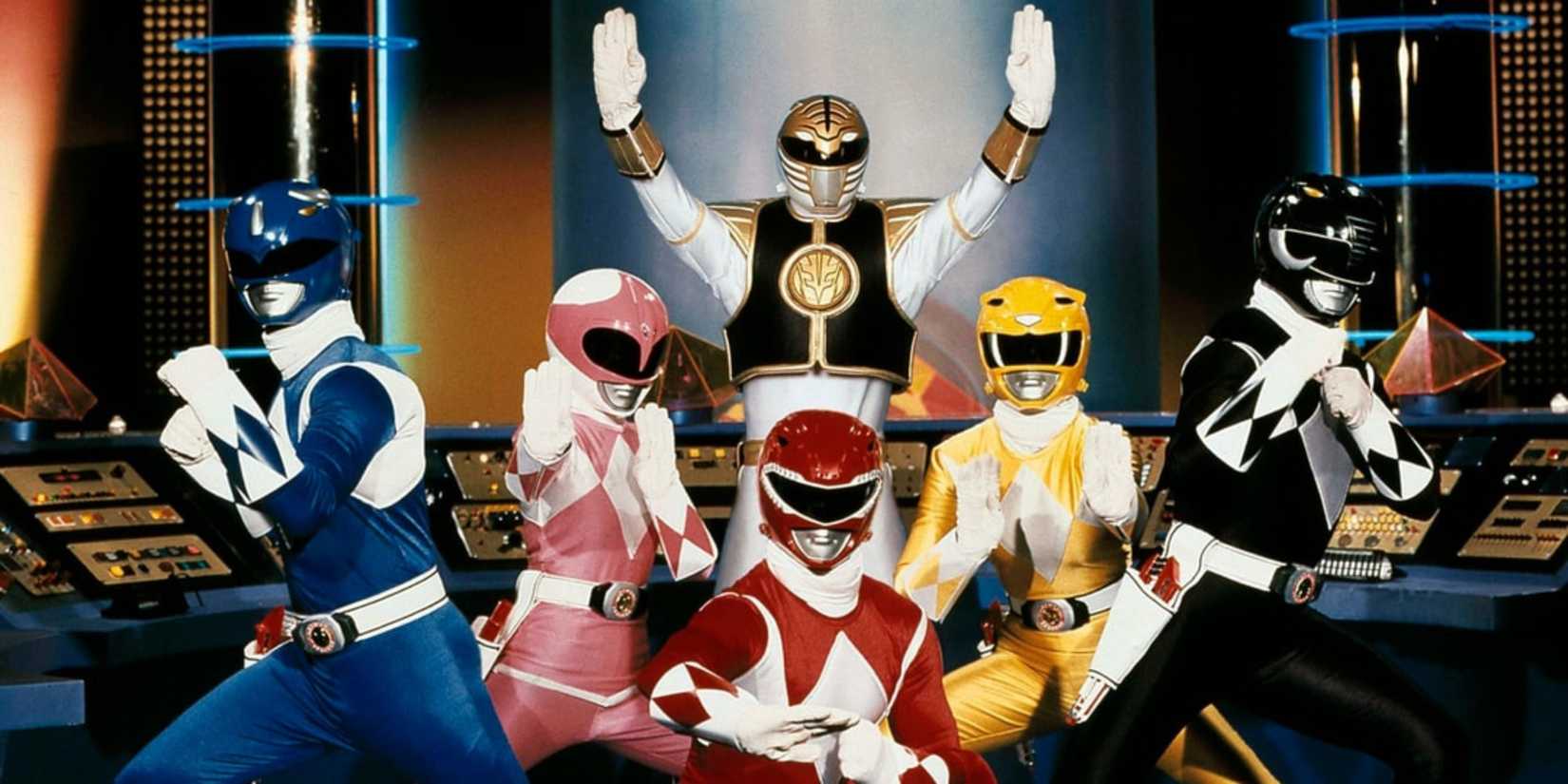
It feels almost cliché to say that the first Power Rangers season remains its most beloved, but that doesn’t make it any less true. The franchise may have grown considerably since Mighty Morphin Power Rangers, but many fans still consider it the apex of everything that keeps them committed to the Rangers and their adventures. Launching in 1993, MMPR turned teenagers, martial arts, dinosaur machines, and gloriously theatrical monsters into an irresistible identity. Its original team made heroism feel inseparable from friendship and a shared desire to do good.
That wholesome energy remains central to the franchise’s appeal years later, and nowhere does it feel purer and less distilled than in the Mighty Morphin era. The martial arts action is intense, the Zords make the moments that teamwork culminates in victory feel spectacular, and the Rangers’ civilian lives in Angel Grove make it feel like a home worth defending. However, the story had a lot of emotional depth to it too, especially during arcs like Tommy Oliver’s journey from Rita Repulsa’s evil Green Ranger to becoming the White Ranger and leading the team. Power Rangers has always been built on the idea that ordinary people can become extraordinary when they work together, and no iteration feels like it delivers on this enduring ideal quite like MMPR.
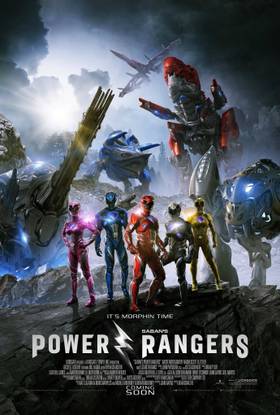
Video Game(s) Mighty Morphin Power Rangers: Mega Battle, Power Rangers: Battle for the Grid, Saban's Power Rangers Megaforce, Mighty Morphin Power Rangers: Rita's Rewind
First TV Show Mighty Morphin' Power Rangers
Created by Haim Saban, Shuki Levy, Shotaro Ishinomori
What's Your Reaction?
 Like
0
 Dislike
0
 Love
0
 Funny
0
 Wow
0
 Sad
0
 Angry
0


Comments (0)