

34 Years Later, the Most Iconic '90s Series of All Time Officially Free on Streaming

Published Sep 17, 2026, 8:01 AM EDT
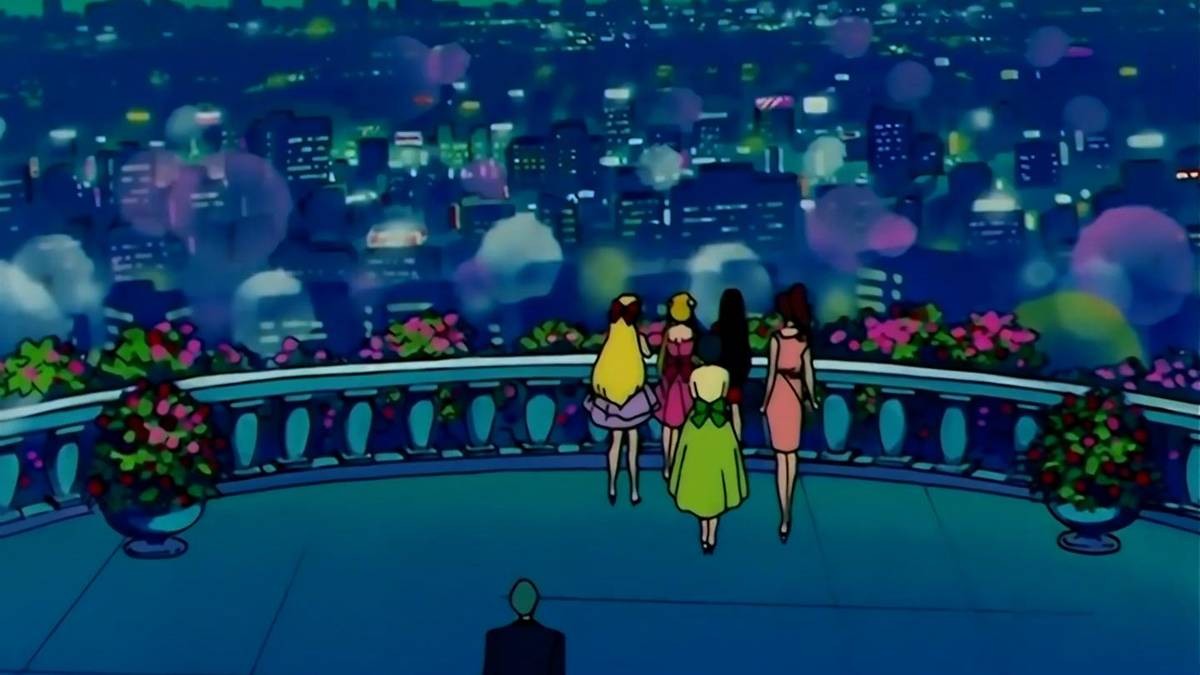
One of the great '90s anime is waiting to be rediscovered
 Image: VIZ Media
The ‘90s were a great time for anime. Featuring hand-drawn characters, cel animation, and stories on an epic scale, these shows changed kids’ lives and remain in the makeup of the entertainment they seek as adults. In the Western world, the ‘90s opened the floodgates, introducing anime like Cowboy Bebop, Neon Genesis Evangelion, and Dragon Ball Z; kids had no idea cartoons could look like that.
And while there were plenty of anime centered on boys fighting in intergalactic tournaments, traveling through space, or piloting giant robots, there was one major show for girls. Sailor Moon first aired in Japan in 1992 before making its way to the US, Canada, and Latin America in 1995. It remains a groundbreaking story about girls and superheroes, and a source of inspiration for writers and animators working across genres and mediums.
The complete series is now streaming for free on Pluto TV.
In the name of the Moon
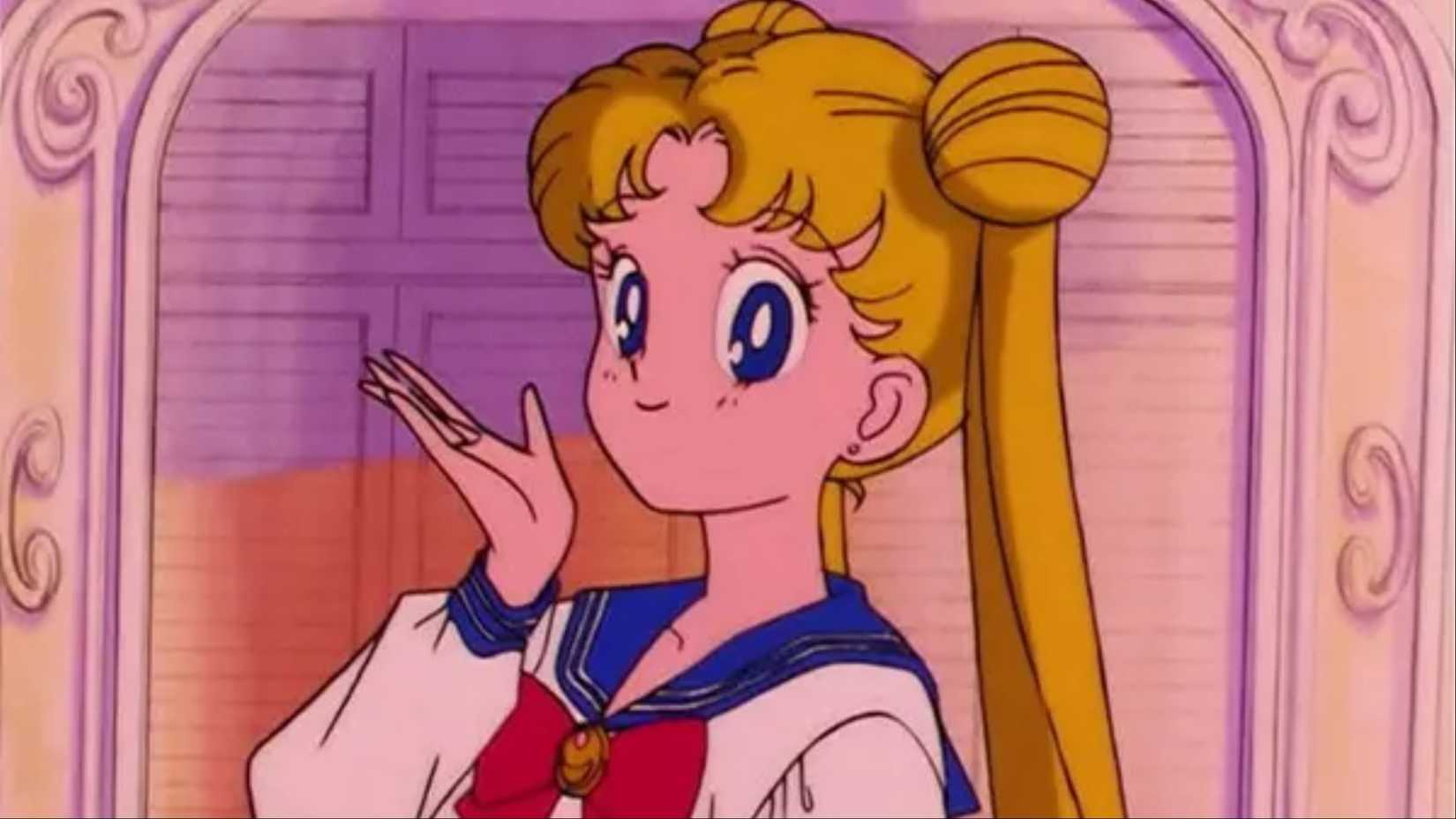 Image: Toei Animation
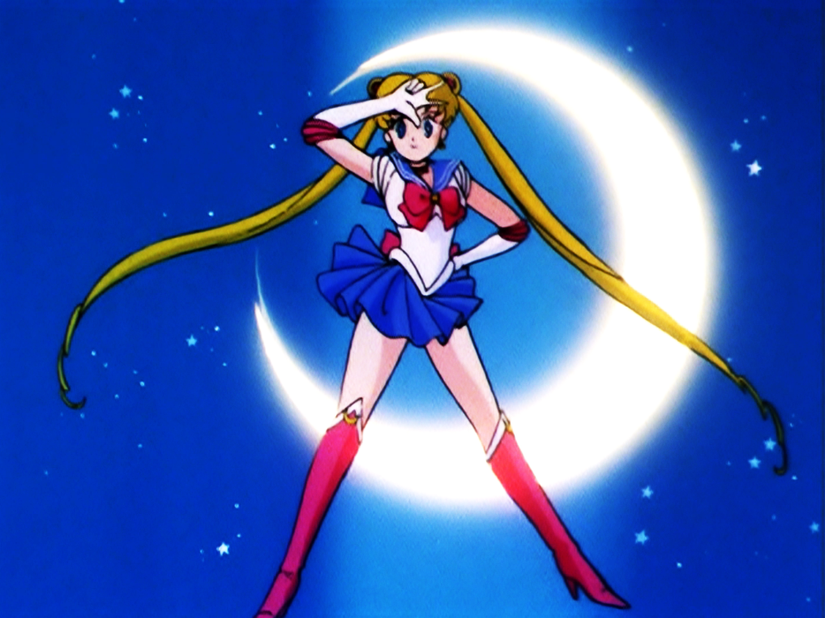
Created by manga artist Naoko Takeuchi and adapted to TV by a handful of beloved writers and animators (among them, Kunihiko Ikuhara), Sailor Moon centers on Usagi Tsukino. She’s a clumsy 14-year-old girl who discovers she’s the magical warrior Sailor Moon, protector of Earth. After receiving a magical brooch, Usagi can transform into a princess from an ancient kingdom capable of wielding enormous power, manipulating energy, healing others, and creating celestial bodies. But she’s also just a girl dealing with everyday challenges, like her annoying little brother, her homework and school attendance, her friends, and larger-than-life crushes on boys.
Among the show’s five seasons, its second, Sailor Moon R, marks a pivotal moment, introducing key characters and storylines that shape the rest of the show. It introduces Chibiusa, the time-traveling girl who is Usagi’s future daughter, and her evil alter ego, the Black Lady, her older and corrupted future form. The series is also the first season that Ikuhara co-directs – the beginning of a creative stretch that would go on to determine much of the show’s legacy – and a clear build-up towards Sailor Moon S, arguably the series’ most beloved entry.
While Sailor Moon didn’t invent the Magical Girl genre, it did shift and expand its lens, focusing on a team of heroes instead of a single protagonist. It’s a formula that allowed viewers to form deep bonds with its characters; if Usagi wasn’t your favorite, you had plenty of options to choose from in her teammates, from the cool and strong Sailor Mars, who manipulates fire and has premonitions, to the icy and brilliant Sailor Neptune, who has a magical command of the deep seas.
Ahead of its time, decades later
 Toei Animation
Sailor Moon is also a key text in its depiction of queer storylines, complex villains, and gender fluidity. Through its 200-episode run, the series introduced Sailor Uranus and Sailor Neptune, one of the most beloved queer couples in the history of animation (unforgettably introduced as cousins when adapted to the West); Zoisite and Kunzite, a gay villain couple devoted to each other; and the Sailor Starlights, a trio of boys in a pop band who transform into magical girls when they activate their powers. I’d be shocked to see anything like this air on TV today.
While the writing takes much of the glory, Sailor Moon is cinematic and surreal, breaking its sweet kid-friendly vibes with true horror beats, whether it's the Sailor Guardians unexpectedly meeting their deaths and leaving Sailor Moon alone, or the frightening reflection of light on Professor Tomoe’s glasses. The attention to detail it pays to its villains also extends to their designs, resulting in foes that look just as great, if not better, than the series’ heroes. The Black Lady is styled in outfits that look like they’ve been ripped straight out of the era’s boldest runway shows.
“What’s so great about the magical girl genre is that in it, girls can use otherworldly powers and take the spotlight in a similar vein to Superman,” Ikuhara, who came aboard as co-director with R, said on the podcast Ikuni to Unmei no Cinema Snack last year. “Nowadays, there’s way more diversity in what kind of life path a girl can take on once she grows up, but in the 60s and 70s, when Sally the Witch and the magical girl genre started, I don’t think that was entirely the case.”
The years have passed. Society has evolved. But Sailor Moon remains as relevant as ever. Similar to other TV landmarks like Buffy the Vampire Slayer, the series showed viewers the possibilities of female protagonists and their relationships. And while the franchise gets periodic reboots, like the anime Sailor Moon Crystal and the film Sailor Moon Cosmos, there’s something special about the show in its original form, which relied on cel animation and paint. Now that the anime is streaming for free, there’s no better time to jump in.
What's Your Reaction?
 Like
0
Like
0
 Dislike
0
Dislike
0
 Love
0
Love
0
 Funny
0
Funny
0
 Wow
0
Wow
0
 Sad
0
Sad
0
 Angry
0
Angry
0






Comments (0)