

5 Classic Nintendo Games that Are Completely Unplayable Today

Published Aug 20, 2026, 4:00 PM EDT
If you can save Virtual Boy, you can save these too
 Image: Nintendo EPD/Nintendo
Nintendo has made decent strides in preservation over the years, either with remakes or by making classic games playable on various services. Nintendo Switch Online's selection of retro games may not include some of the old Virtual Console picks, like Chrono Trigger, but it does rescue dozens of obscure, essential games from oblivion, like Mario and Wario and even Mario Paint. The work is far from finished, though.
I could just talk about fun or classic games you can't play now, but that would be boring. So I've picked a selection of games you can't play (currently, easily, accessibly) based on why they're significant and worthy of preservation, and what video game culture is missing without them.
5 Mario is Missing (1993, SNES and PC)
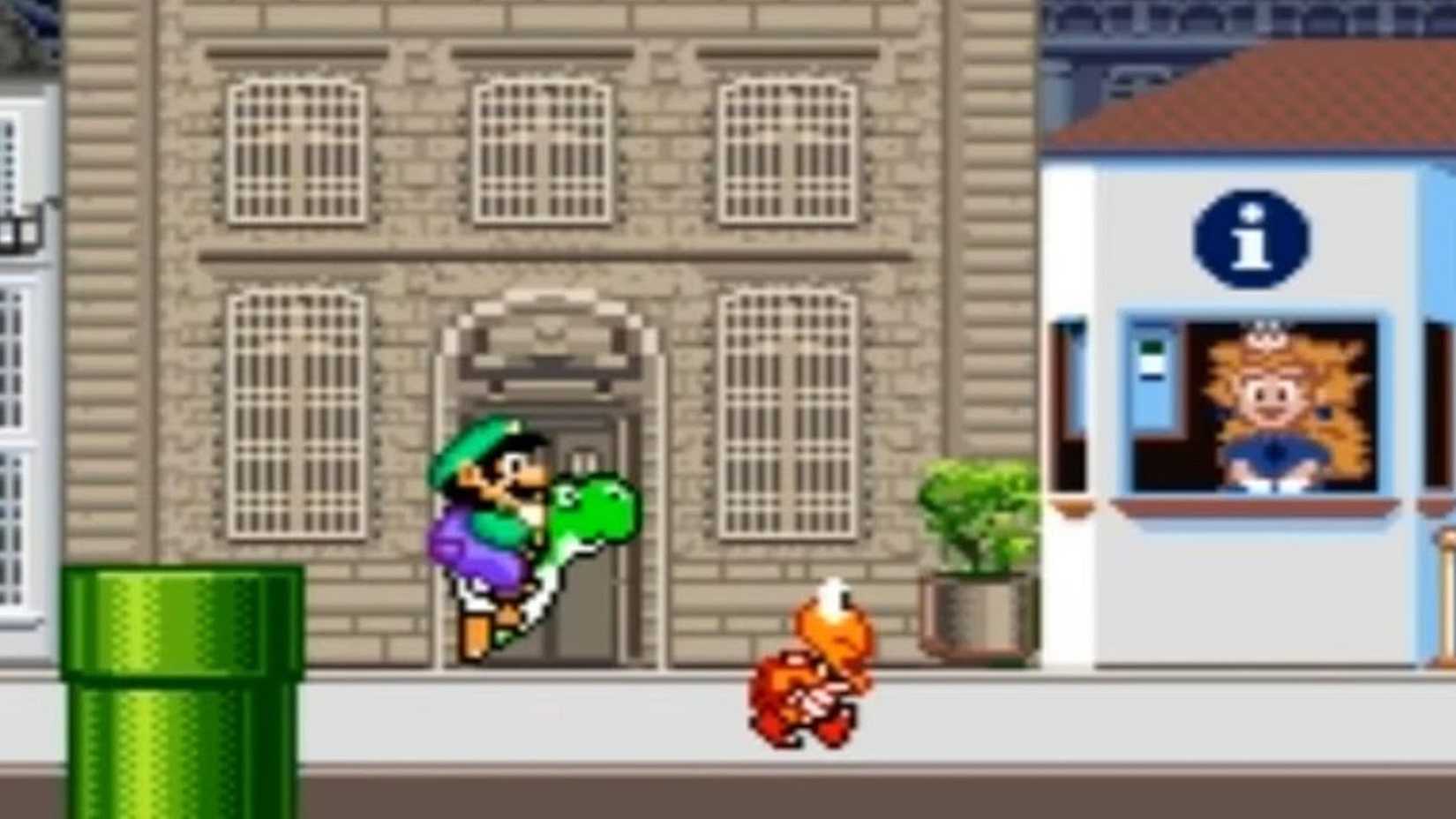 Image: Mindscape/Nintendo
Is Mario is Missing a good game? No! Which is exactly why it sucks that no one can play it anymore. This was part of Nintendo's tentative push into edutainment games, alongside a Mario typing game and a scant handful of others. Mario is, as you might've guessed from the title, not here, and Luigi goes off in search of him. This version of the Mushroom Kingdom exists adjacent to the real world, so Luigi's search takes him to places like Mexico City and Cairo. By process of video game magic, Luigi learns where Mario is by helping locals find stolen artifacts, which is really just an excuse to teach you about different famous architecture and objects around the world, albeit with very rough text.
It's a relic of a time when Nintendo governed its biggest brands much less strictly. The company has developed a reputation for Mario and Zelda and the like being top-tier prestige. Every launch is an event, even if it's just a remake. They redefine their respective genres. They're too big to fail. That's not really a bad thing, but it does mask Nintendo's full story. Mario is Missing is an essential reminder of a messier past that should exist alongside the more tightly regulated present.
4 Yoshi's Safari (1993, SNES)
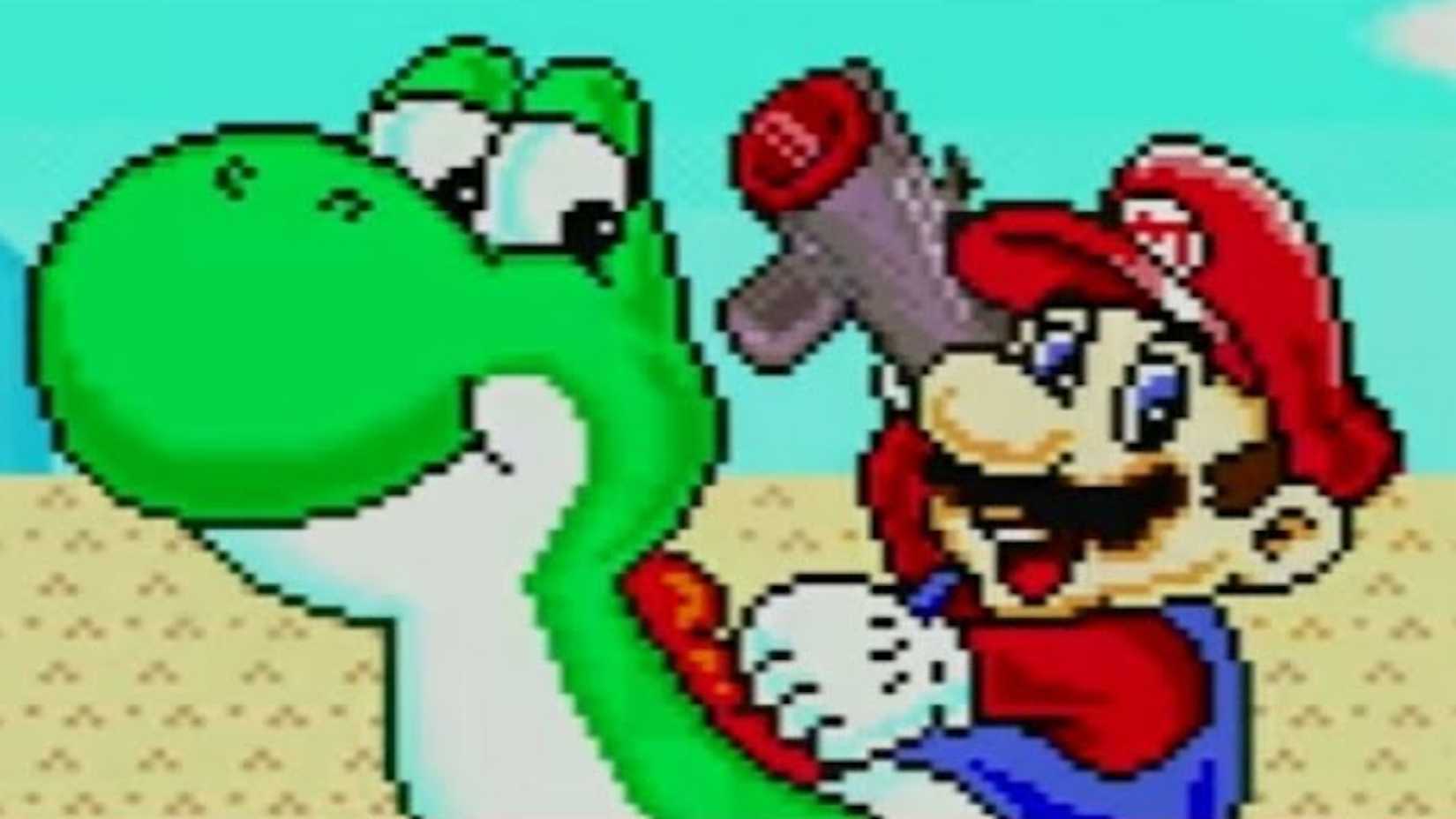 Image: Nintendo EPD/Nintendo
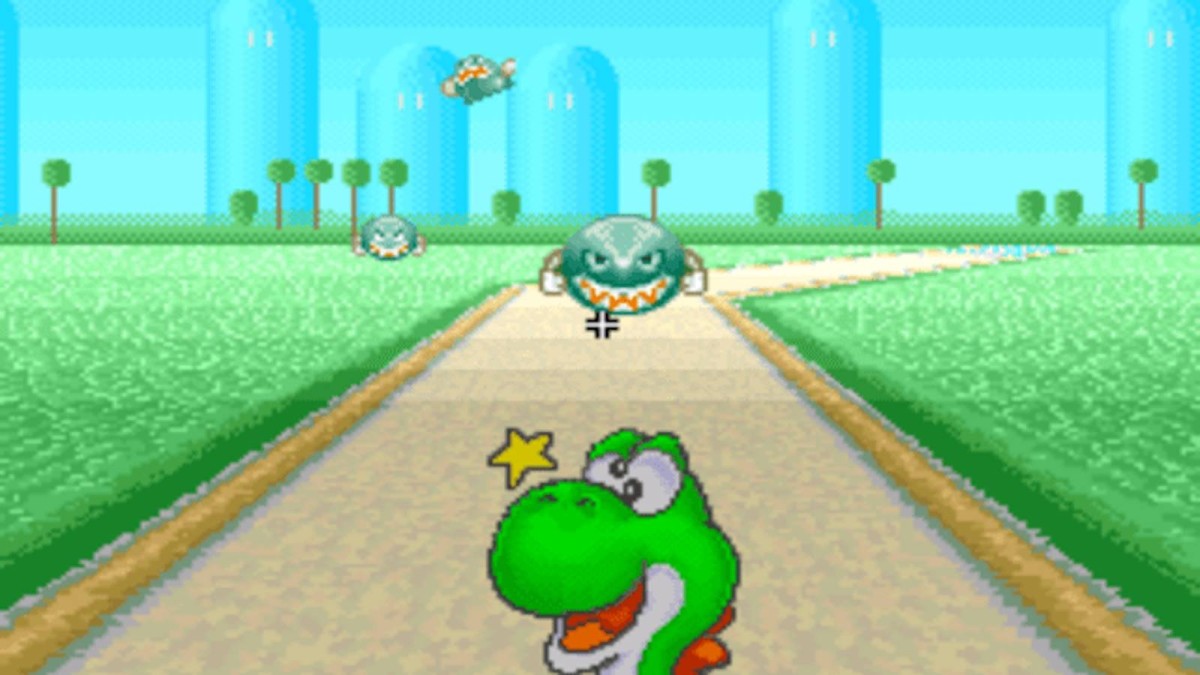
This isn't a shitpost. I'm dead serious. Nintendo needs to drag Yoshi's Safari out of the abyss and make it playable again. The gist of Yoshi’s Safari is that it's like Duck Hunt, except Mario's the hunter, and Koopas (among other enemies) are the ducks. Yoshi's the dog. Yes, that is a very loose analogy, but he's Mario's assistant. Okay, it's pretty limited as a light-shooter game. You're not getting, I dunno, Resident Evil: Umbrella Chronicles levels of lore and action out of Yoshi's Safari, although the right fanfiction writers could probably have a field day with a scenario that involves putting Bowser's kids in a safari where Mario hunts them down. Gameplay-wise, it's more robust than Link's Crossbow Training, Nintendo's most recent (read: Wii-era) light-gun effort. And it looks absolutely gorgeous, easily a candidate for one of the SNES' best-looking games.
Plus it's the first time Nintendo got to realize its original dream of giving Mario a gun. If you can drag Virtual Boy games back from hell, you can give Mario his gun again, surely.
3 Super Smash Bros. Melee (2001, Gamecube)
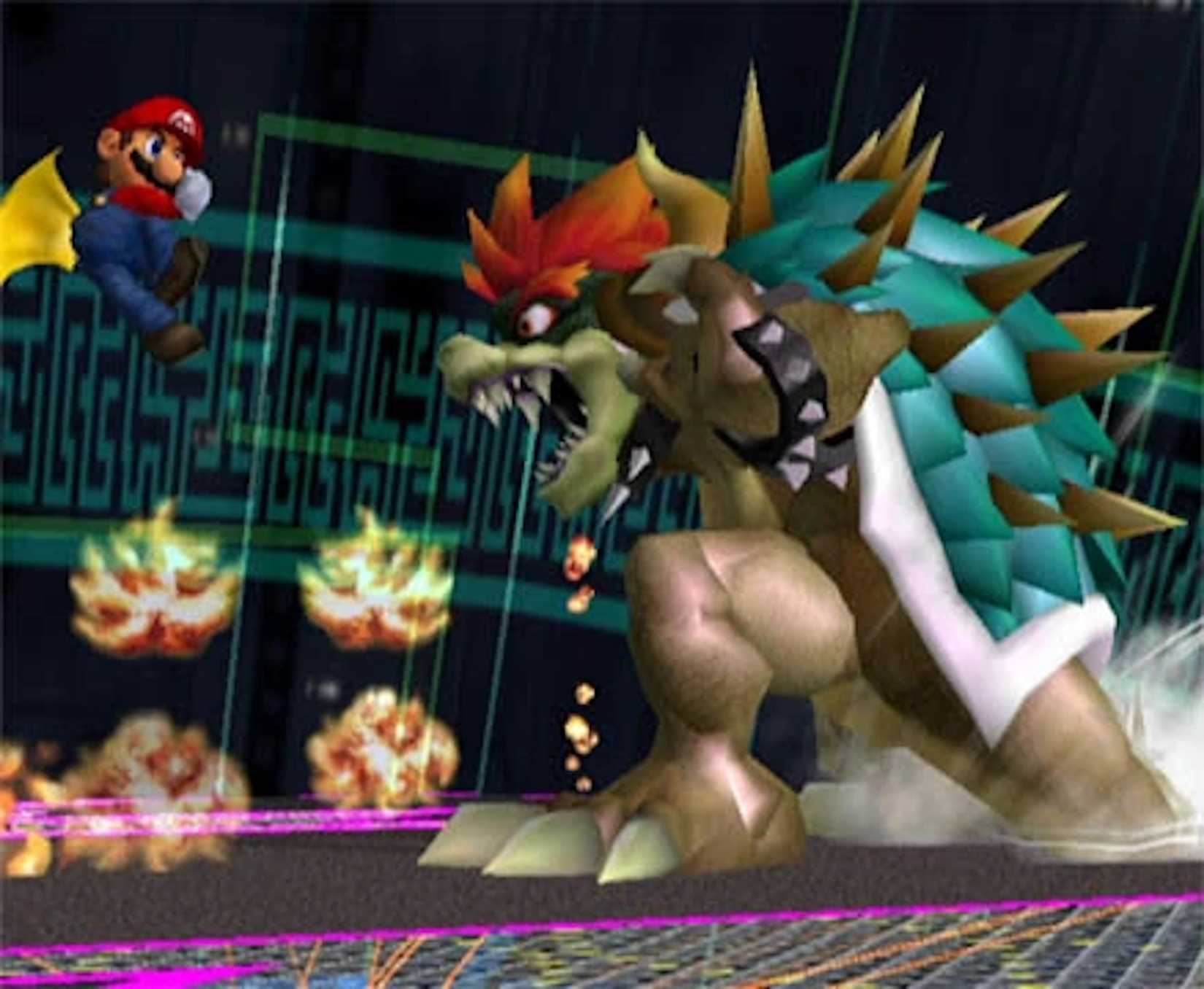 Image: HAL Laboratory/Nintendo
Nintendo's fighting game series went viral in the Switch era for its Kingdom Hearts and Persona 5 crossovers. Plus the general speculation about who might show up in Smash Bros. next (and how many Fire Emblem characters it would have) was just fun. But! Smash Bros. isn't just its roster. Nintendo has experimented deeply with the series over several decades, like adding a very robust campaign mode to Melee.
You'd pick a character, proceed through a series of predetermined challenges that increase in difficulty, and then end with a fight against Master Hand. Sometimes, things got even more deadly with a second Master Hand or Giga Bowser, the first properly intimidating version of the Koopa King since the old Super Mario days. Victory earned you a trophy of your chosen character, which looked quite a lot like amiibos, and a high score you could aim to beat again. Smash Bros. Brawl on the Wii tried expanding it with the Subspace Emissary adventure mode, which was fine, but rather more expansive than the straightforward arcade-like single-player mode from Melee. And the same is true for Ultimate's even bigger World of Light mode. You could check out the differences for yourself, except, well, y'know. Melee is unplayable now.
2 Fire Emblem: Thracia 776 (1999, Super Famicom)
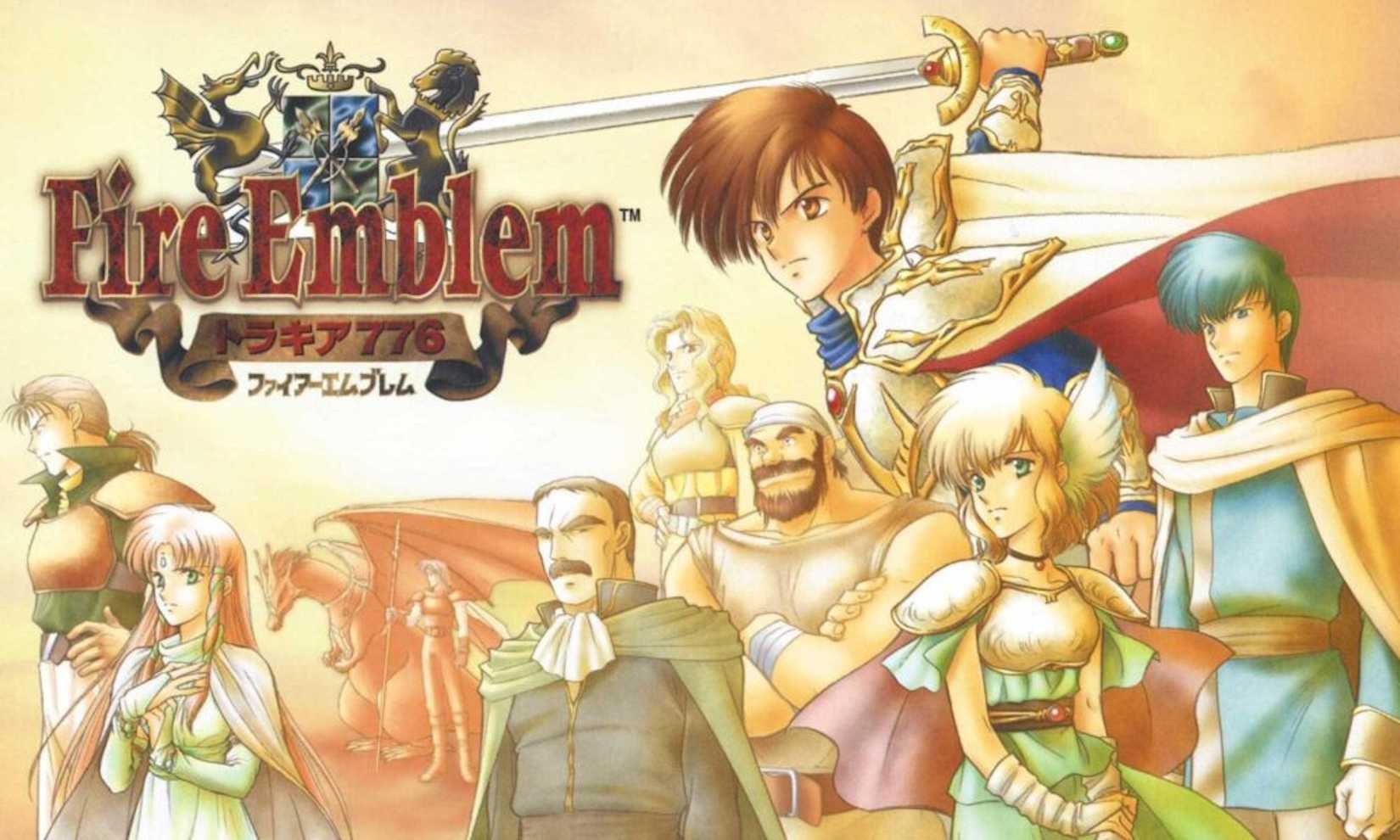 Image: Intelligent Systems/Nintendo
Genealogy of the Holy War might be the blueprint for Fire Emblem's salvation, but Thracia 776 is just as essential. It's where developer Intelligent Systems started telling similar stories from different perspectives — a practice that defined much of the series from this point on — and throwing strategic wrenches in your plans. Thracia 776 takes place in the middle of Genealogy of the Holy War and follows some of the children of the latter's heroes, adding a different, more personal facet to the epic, continent-spanning war of Genealogy. And it adds the fatigue system, where actions cause fatigue to build, and units who become too fatigued can't take part in the next chapter's battle. Intelligent System only used that one more time, but it's the basis for several of the series' more radical experiments like debuffs for using certain weapons in Fates or even combat arts causing weapon degradation in Fortune's Weave.
Nintendo never localized Genealogy of the Holy War, but you can, at least, play it on the Japanese version of Switch Online. Thracia 776, however, is not there.
1 Mother 3 (2006, Game Boy Advance)
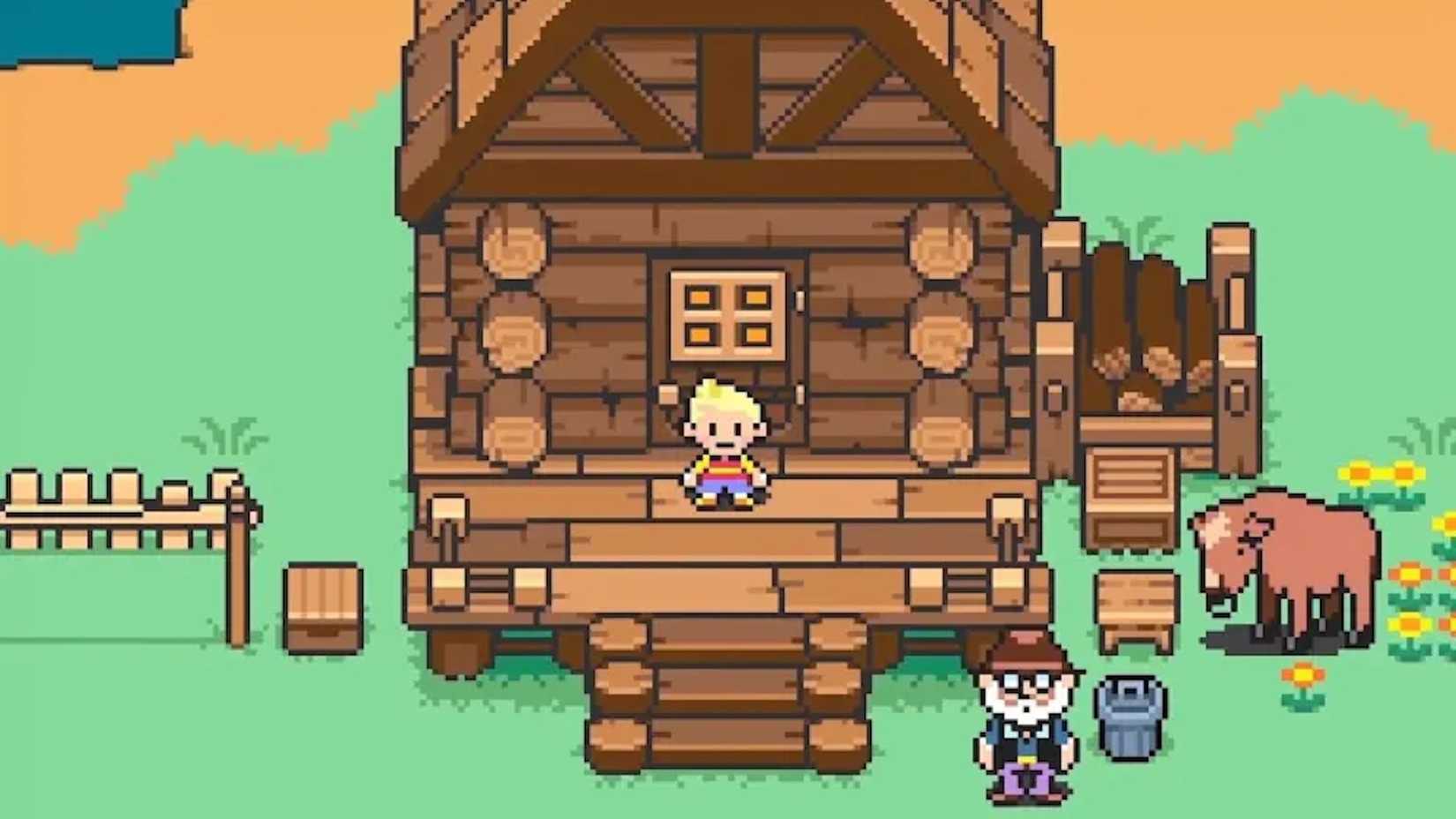 Image: Brownie Brown and HAL Laboratory/Nintendo
This one's a bit of a cliché in Nintendo circles by now, and I'm bending the rules of my own article a little since you can play it off the Japanese NSO library. But it's still worth discussing because for anyone who doesn't speak Japanese or want to mess with fan translations, it's unplayable. That is a downright shame. Mother 3 is the rare case of a game that actually deserved the hype, though whether it would've lived up to it is another matter.
It's a dark game, much darker than Earthbound and, at the time, anything else Nintendo was making. It starts with death and destruction — normal RPG staples, but Mother 3's modern-adjacent setting makes them somehow more personal and distressing than watching robots burn Fantasy Man's village down or whatever (sorry, Fei from Xenogears). It's essentially the story of a small fascist sect taking over a country and remaking it in their image. Sure, you've got dragons and magic eggs, but you've also got, as your primary villain, a former friend of the party brainwashed into following the government without question. It was broadly relevant in 2006 when it first launched, but now it'd be more like essential satire.
That's pretty daring for Nintendo, as was the often-discussed portrayal of marginalized people. It's hardly surprising that Nintendo didn't localize such a game in a country that, at the time, only just moved beyond Don't Ask, Don't Tell and had refused to legalize same-sex marriage. Since then, though, Nintendo's quietly pioneered more sensitive steps into progressive territory with games like Splatoon 3 and Animal Crossing: New Horizons that remove gender identity restrictions and let you express yourself more fully.
What's Your Reaction?
 Like
0
Like
0
 Dislike
0
Dislike
0
 Love
0
Love
0
 Funny
0
Funny
0
 Wow
0
Wow
0
 Sad
0
Sad
0
 Angry
0
Angry
0






Comments (0)