

5 Times Disney’s Sci-Fi Ambitions Crashed and Burned at the Box Office


Published Aug 22, 2026, 12:00 AM EDT
These ambitious Disney sci-fi movies cost millions more than audiences gave back
 Image: Disney
Disney has never shied away from high-stakes science fiction. By rendering Pixar’s digital landscapes and mapping Marvel’s cosmic universe, the studio has spent decades proving audiences will follow it into the unknown. But alongside those massive triumphs sit more than a few eye-wateringly expensive gambles that completely cratered at the box office.
These aren’t just mild disappointments; they're tentpole releases backed by huge budgets, A-list talent, and groundbreaking VFX. Some were pitched as the next Pirates of the Caribbean, while others were original concepts meant to spawn new franchises.
Yet even a headline-grabbing box office run can mask a total financial disaster once production and marketing costs enter the ledger. From dead-on-arrival franchise starters to high-concept animated flops, these are five of Disney’s biggest sci-fi box office catastrophes — and a brief look at how they went so spectacularly off the rails.
Lightyear (2022)
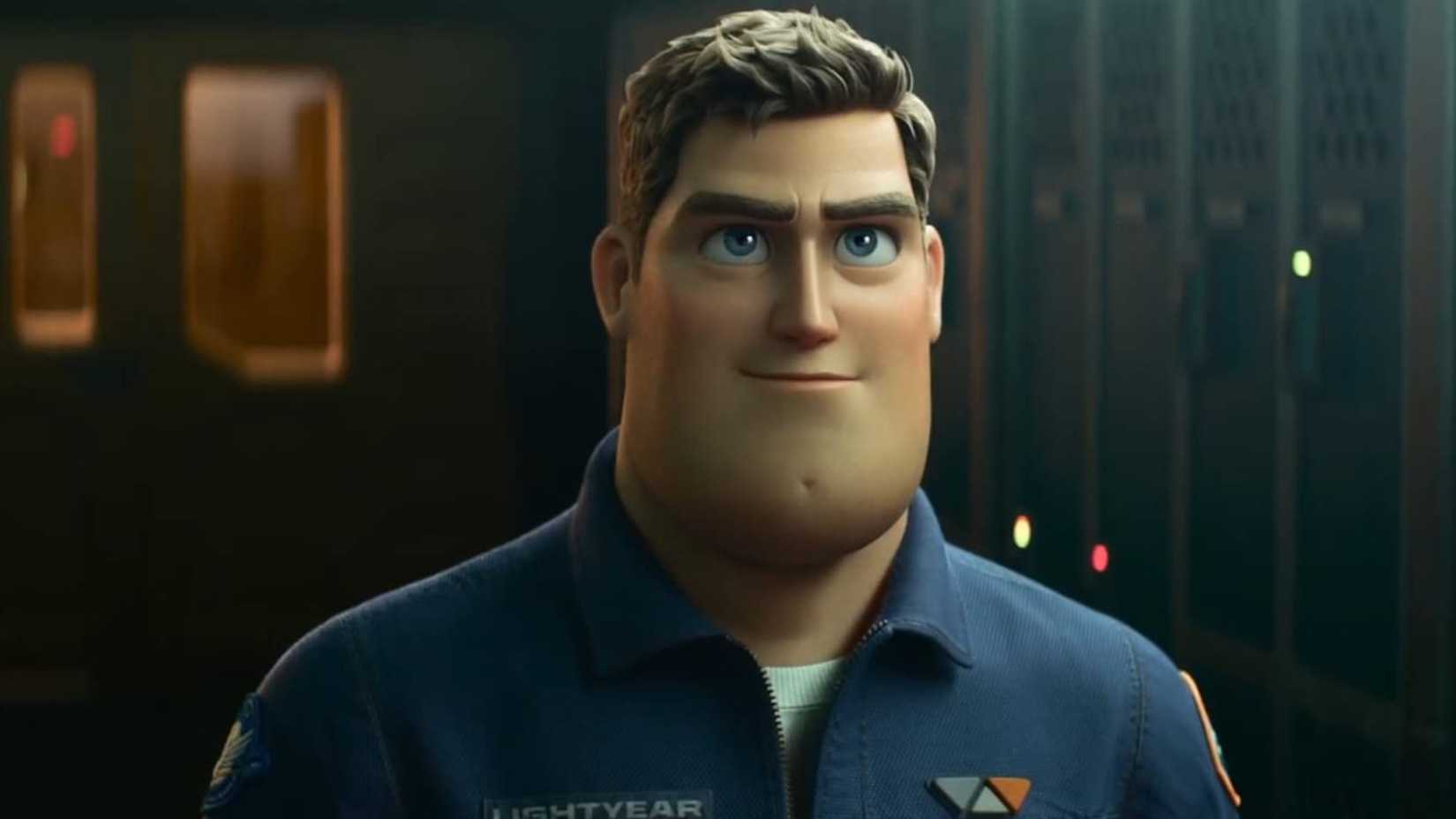 Image: Disney
Dedicated entirely to Buzz Lightyear, one of the most recognizable characters in the Toy Story franchise, 2022's Lightyear had perhaps the safest concept on this list. Despite that, it inevitably became one of Pixar's rare theatrical disappointments. Directed by Angus MacLane, the film was pitched as the in-universe blockbuster that inspired the original Toy Story action figure. With Chris Evans replacing Tim Allen as the voice of Buzz, Pixar used the spinoff to trade its usual toy-centric antics for a surprisingly conventional sci-fi adventure.
The concept proved more confusing than it sounded. In the wake of Soul and Turning Red, audiences had grown accustomed to Pixar movies arriving on Disney Plus, while Lightyear was asking them to return to theaters for a spin-off rather than another Toy Story sequel. The film’s $50.6 million domestic opening was well below expectations, and the movie grossed $226.4 million worldwide against a reported $200 million budget.
According to Deadline, Lightyear lost Disney around $106 million, making it less catastrophic than movies like John Carter or Strange World, but arguably more surprising. Disney wasn't betting on an unknown property, but leveraging one of the most beloved characters from Pixar's toy chest to get audiences back into movie theaters.
Mars Needs Moms (2011)
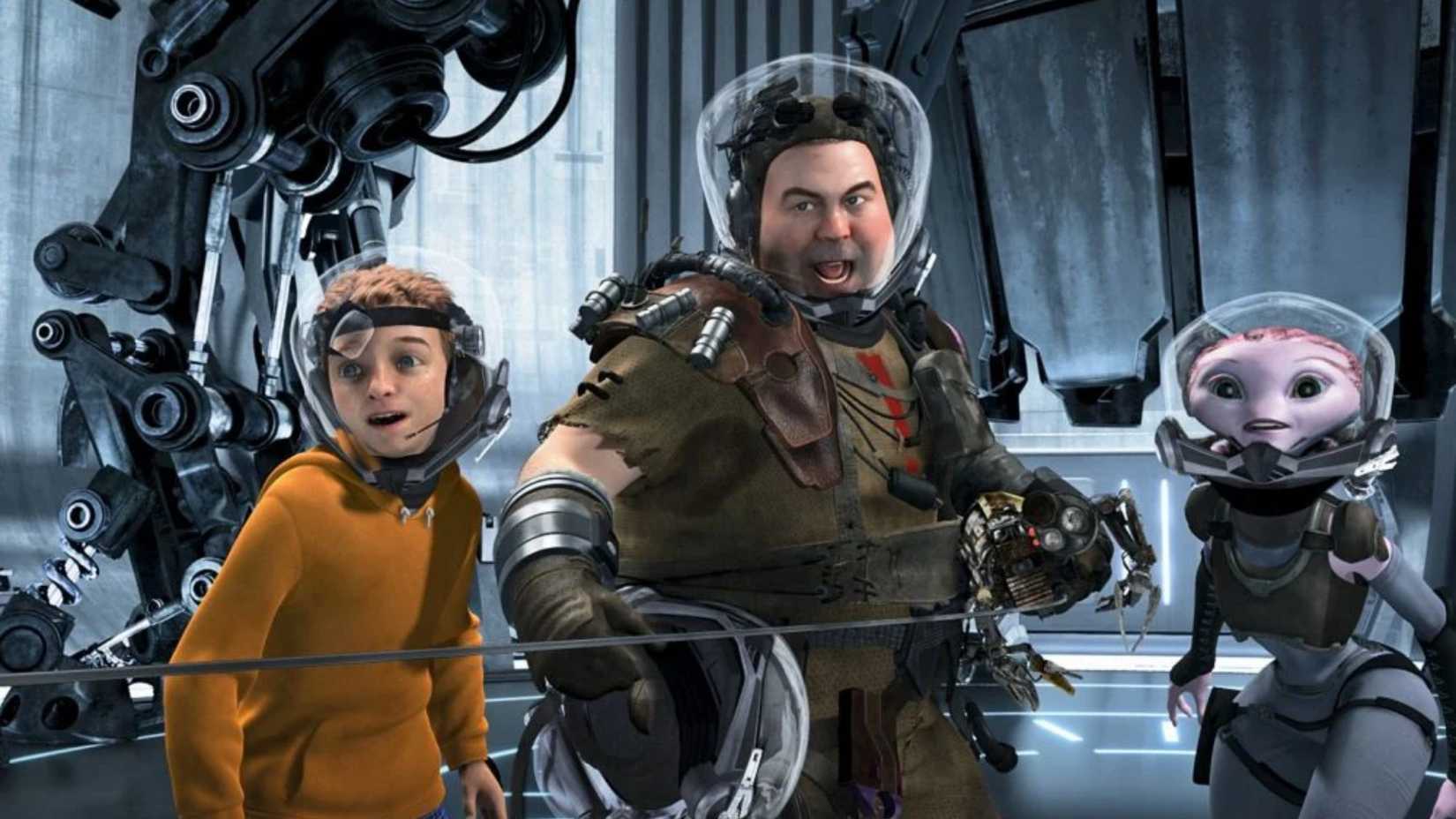 Image: Disney
Before Disney lost hundreds of millions on John Carter, it had already received a warning from Mars.
Mars Needs Moms was an ambitious motion-capture animated science fiction adventure directed by Simon Wells, with Robert Zemeckis — director of Forrest Gump, Cast Away, and the Back to the Future trilogy — among its producers. It follows a young boy who travels to Mars after aliens abduct his mother. The premise was simple enough, but the execution was an extraordinarily expensive gamble.
Disney spent approximately $150 million producing the movie, plus tens of millions more on marketing. Audiences responded with almost complete indifference. It opened to only $6.9 million in North America and eventually made only $39.2 million worldwide. The disaster had consequences beyond the movie itself, as Disney would later shut down ImageMovers Digital, the motion-capture animation company behind the film, after film's poor prospects became apparent. Disney ultimately took a roughly $70 million write-down related to Mars Needs Moms, while contemporary estimates put the overall loss substantially higher.
Tomorrowland (2015)
 Image: Disney
Tomorrowland might be Disney's most fascinating sci-fi flop because the studio wasn't trying to revive an old franchise, but was attempting to create a new one. Brad Bird, coming off Mission: Impossible – Ghost Protocol, teamed with Damon Lindelof for an original science fiction adventure starring George Clooney and Hugh Laurie. Based loosely around Walt Disney's Tomorrowland concept (an optimistic vision of the future rooted in space exploration and scientific progress), the film imagined a mysterious futuristic world where humanity's brightest minds had created a utopia hidden away from the rest of the planet. Think Disney’s answer to Atlas Shrugged.
While it sounded like the perfect ambitious blockbuster for Disney on paper, the film's marketing campaign proved disastrous. Disney deliberately kept much of the story secret, leaving audiences with no idea what they were actually being asked to see. The $190-million production opened to just $33 million domestically and eventually made $209 million worldwide. The Hollywood Reporter estimated Disney's losses at between $120 million and $140 million, making Tomorrowland one of the studio's most expensive original failures of the era.
The irony of Tomorrowland is that it attempted exactly what Hollywood desperately needs: a big-budget, original blockbuster untethered to a comic book, sequel, or existing franchise. Audiences just didn’t take the bait.\
Strange World (2022)
 Image: Disney
Strange World had almost everything Disney's animated movies are supposed to have: a colorful alien world, a family adventure, a talented Disney Animation team, and a huge theatrical release. What it didn't have was an audience. Directed by Don Hall, the movie follows three generations of the Clade family as they venture into a bizarre underground world filled with strange creatures. It was essentially Disney making a pulpy science fiction adventure in the tradition of old movie serials, but it just didn’t click with wider audiences at the time.
Strange World opened Thanksgiving weekend in 2022 and finished with only about $73.6 million worldwide, against a production budget of $180 million. The financial damage was even worse once marketing and other expenses were considered. Deadline’s analysis put the film's total expenses at roughly $317.4 million and calculated a loss of around $197 million after factoring in its various revenue streams.
Like Lightyear, the film fell victim to Disney’s pandemic-era distribution strategy. After years of treating Pixar and Disney Animation releases as unmissable theatrical events, audiences had been trained to simply wait for them to hit Disney Plus. That made convincing families to buy a ticket for an unproven, original adventure incredibly difficult, turning Strange World into yet another costly financial headache for the studio.
John Carter (2012)
 Image: Disney
Few movies have become shorthand for a Hollywood disaster quite like John Carter. Disney wanted the 2012 sci-fi adventure to kick off its next major franchise, adapting Edgar Rice Burroughs' century-old Barsoom novels that had already influenced everything from Star Wars to Avatar. The studio handed the movie to Andrew Stanton, fresh off Pixar hits like Finding Nemo and WALL-E, and gave him an enormous live-action canvas to work with.
Virtually everything surrounding John Carter became a warning sign. Terrified by the recent failure of their animated flop Mars Needs Moms, Disney executives concluded that the word "Mars" was toxic to audiences. They dropped the evocative "of Mars" from the title, saddling the epic with the aggressively generic name John Carter. And since the marketing couldn't clearly explain the premise, the film's out-of-control budget became the primary narrative.
John Carter cost roughly $250 million to produce and another $100 million to market, yet opened domestically to just $30.2 million. While the film eventually scraped together $284.1 million worldwide, that wasn't anywhere close to enough to cover Disney’s investment. The studio eventually acknowledged that it expected to take an operating loss of approximately $200 million, turning Stanton's would-be franchise starter into one of Disney’s most infamous failures.
What's Your Reaction?
 Like
0
Like
0
 Dislike
0
Dislike
0
 Love
0
Love
0
 Funny
0
Funny
0
 Wow
0
Wow
0
 Sad
0
Sad
0
 Angry
0
Angry
0










Comments (0)