

AMD confirmed $5.4 billion ATI acquisition 20 years ago today — deal to 'reinvent our industry' paved the way for Radeon GPU innovation, APUs, and games console domination
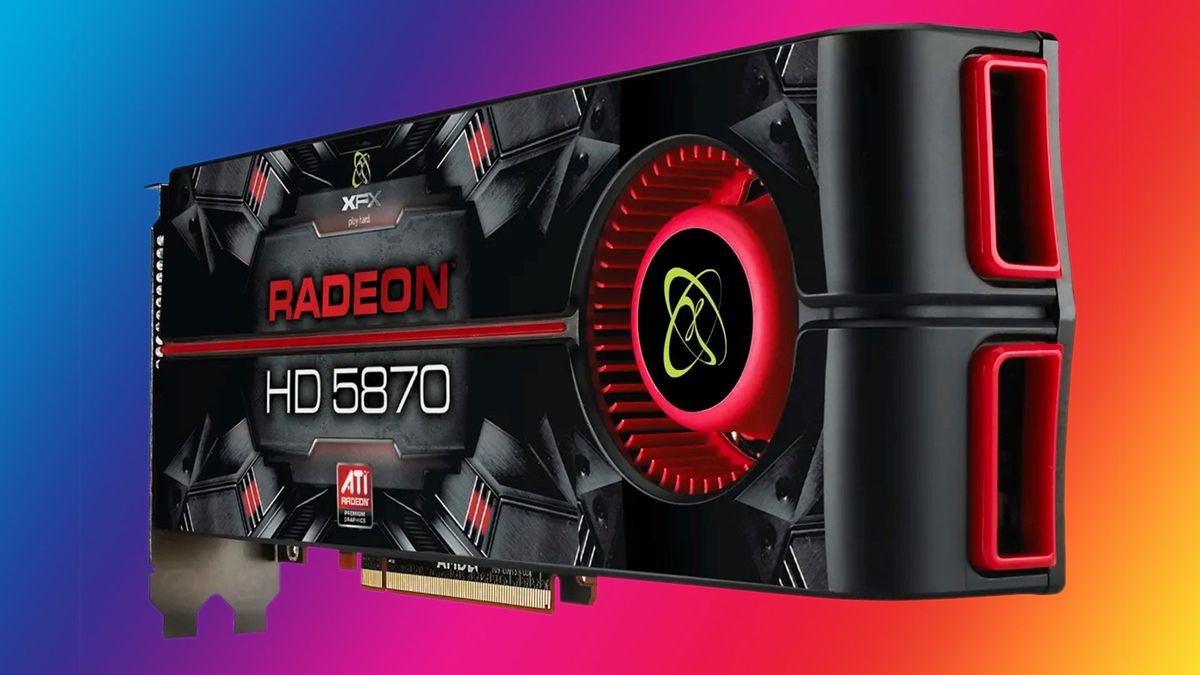
 Part ATI and part AMD branded
(Image credit: Tom's Hardware)
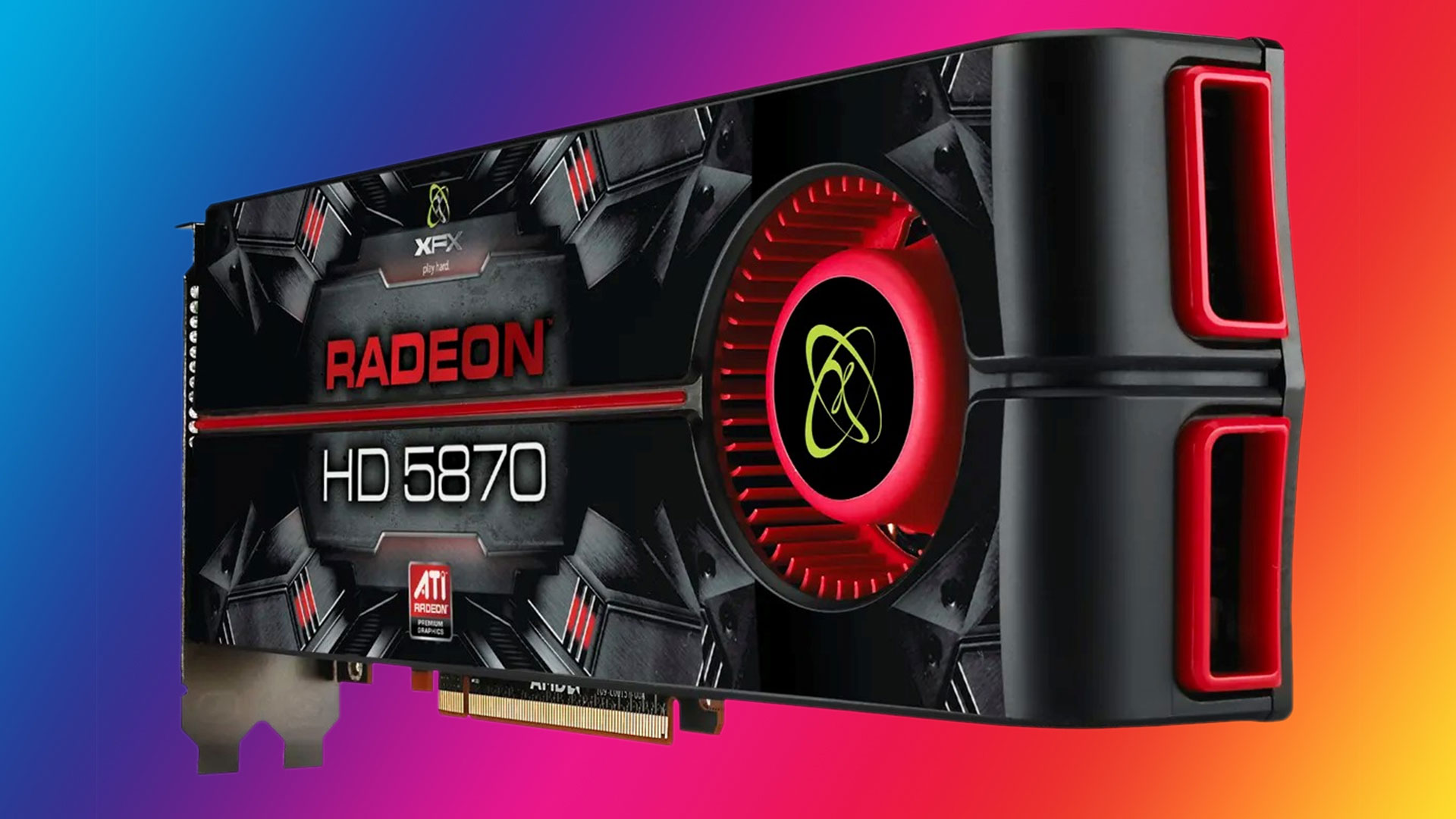
Part ATI and part AMD branded
(Image credit: Tom's Hardware)
On this day in 2006, AMD confirmed its acquisition of graphics chip firm ATI. AMD stumped up a cash and stock deal worth a total of $5.4B for the Canadian PC graphics innovators. With 20/20 vision now 20 years on, we can see the deal helped AMD prosper on three fronts: continuation and innovation of Radeon GPUs, the rise of the APU, and AMD’s dominance in the console business. That’s not all, of course, and it is also interesting to recall that AMD approached Nvidia before it bought ATI.
AMD CEO Hector Ruiz and ATI CEO Dave Orton appeared together in New York on the morning of July 24, 2006, to publicly announce the deal. Ruiz told the press that the deal, unanimously approved by the directors of both companies, would "reinvent our industry." The AMD CEO went on, “We believe AMD and ATI will drive growth and innovation for the entire industry, enabling our partners to create differentiated solutions and empowering our customers to choose what is best for them.” Orton added that “Joining with AMD will enable us to innovate aggressively on the PC platform.”
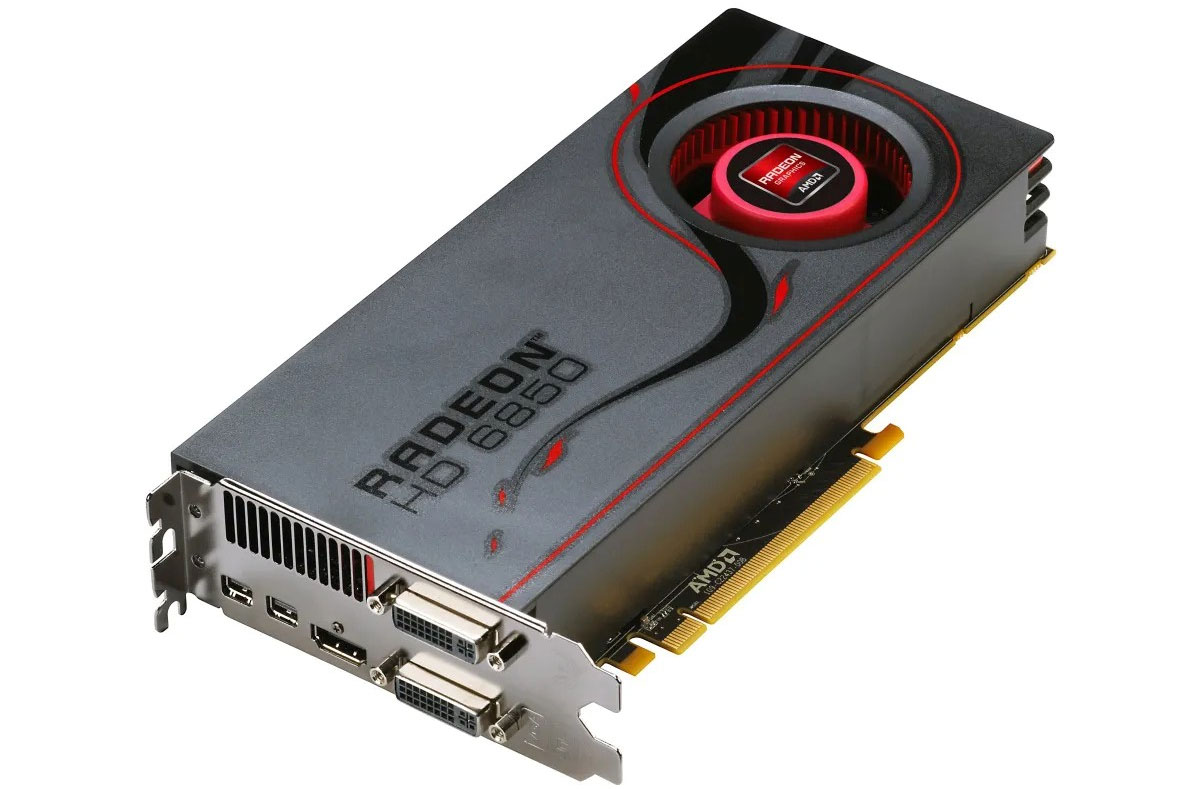
In the next couple of years, the ATI graphics brand slowly melted away. For example, the ATI R600 (Terascale 1, unified shader architecture) GPU, which was in development at the time of the acquisition, would become the Radeon HD 2900 series under AMD branding. As a transition product, some HD 2900 XT boxes would still carry ATI packaging and branding. Taking the cooling solution off an AMD graphics card, you might still see an ATI GPU under the thermal paste, all the way up to around 2010. In 2011, Tom’s Hardware published its 25 Years Of Graphics History: A Farewell To ATI, In Pictures, which is a must-read for fans of the era.
While graphics card development rolled on in a tit-for-tat battle with Nvidia, AMD’s next fortuitous chunk of synergy came from integrating its Radeon IP alongside its CPU cores to create APUs. It started this journey with the AMD Fusion line in 2011. Nowadays we have APUs that have taken this vision far further, with the Ryzen AI Max / Max+ (Strix Halo and Gorgon Halo) series. The integrated graphics on these processors pack up to 40 RDNA 3.5 Compute Units and can go toe-to-toe with desktop graphics like the RTX 4060/4070, depending on workload. They also benefit from unified memory, allowing users to configure oodles of VRAM, if they have it spare.
As the Radeon developers forged ahead moving from the GCN to RDNA graphics architecture era, AMD saw an opportunity in the console space. From the early to mid 2010s, AMD made inroads into APU development that meant the processors became attractive solutions for console developers. It still holds pretty tightly to that market today, which has spilled over to handhelds. However, Intel looks far more serious in this market now, with Panther Lake and B390 iGPUs. Moreover, Nvidia could surely make a dent on consoles with Arm plus GeForce semi-custom SoCs if it wasn’t living it up in the lucrative AI market.
Red and green would never be seen
Before the AMD and ATI deal was inked, reports indicated there were chances of a similar merger involving AMD and Nvidia. Our 2012 report on this ‘missed opportunity’ suggests Jensen Huang was being quite difficult during the negotiations. Apparently the man in the leather jacket insisted that he become chief executive of the combined company. That made Hector Ruiz pretty cool on the prospect, so AMD’s attention was diverted towards ATI.

Follow Tom's Hardware on Google News, or add us as a preferred source, to get our latest news, analysis, & reviews in your feeds.
Get Tom's Hardware's best news and in-depth reviews, straight to your inbox.
Mark Tyson is a news editor at Tom's Hardware. He enjoys covering the full breadth of PC tech; from business and semiconductor design to products approaching the edge of reason.
What's Your Reaction?
 Like
0
Like
0
 Dislike
0
Dislike
0
 Love
0
Love
0
 Funny
0
Funny
0
 Wow
0
Wow
0
 Sad
0
Sad
0
 Angry
0
Angry
0







Comments (0)