

Hezbollah approaches Trump to discuss halting fighting in Lebanon
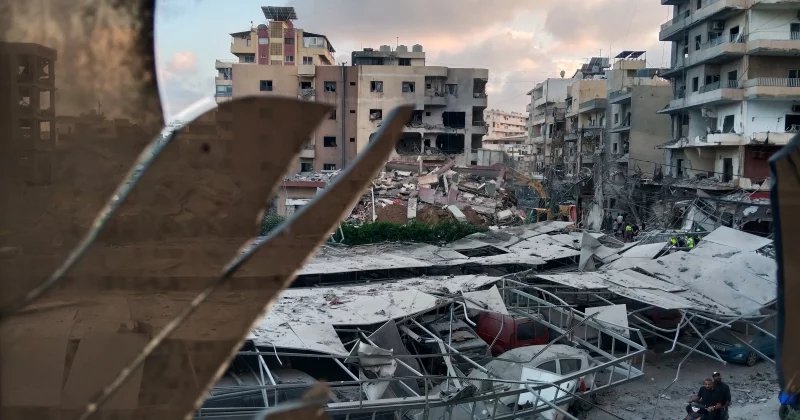
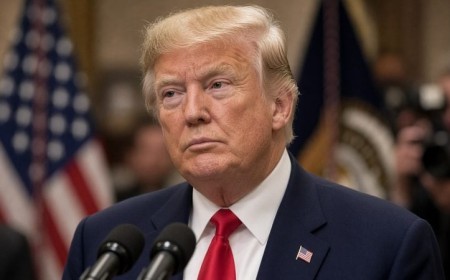
President Trump announced that Hezbollah representatives have reached out to Washington with a simple proposition: stop the fighting in Lebanon. The claim, made via social media on June 1, paints a picture of a militant organization willing to negotiate, though the reality on the ground tells a far messier story.
Trump stated that he had spoken with Israeli Prime Minister Benjamin Netanyahu, who allegedly agreed to suspend troop movements toward Beirut. In Trump’s telling, Hezbollah’s overture amounted to representatives asking US officials, “How about stopping?”
A ceasefire that keeps not ceasing fire
A ten-day US-brokered ceasefire was attempted starting April 16, 2026, but it failed to fully end hostilities. The fighting continued in various forms, and neither side showed a genuine willingness to put down arms for good.
Hezbollah’s leadership publicly rejected the new ceasefire proposals in the days following Trump’s announcement, characterizing the terms as tantamount to surrender. By June 5, Israel had continued with limited strikes, and the tentative framework Trump described appeared to be crumbling in real time.
Hezbollah apparently reached out to signal interest in halting hostilities while simultaneously dismissing the formal US-brokered terms through its public leadership. That contradiction reflects an organization under enough military pressure to explore back channels but with enough political structure to reject anything that looks like capitulation on the public stage.
The Iran factor complicates everything
The Lebanon situation is deeply intertwined with ongoing US-Iran negotiations, where Tehran has apparently conditioned further diplomatic discussions on an end to hostilities in Lebanon.
Netanyahu’s reported agreement to suspend troop movements toward Beirut, if genuine, could represent a tactical concession designed to keep the broader diplomatic channels with Tehran functional.
What this means for crypto investors
There is no direct crypto angle to Hezbollah’s outreach or the Lebanon conflict itself. The absence of any mentions of cryptocurrency or digital assets in reporting surrounding this geopolitical situation indicates it is not currently affecting the crypto market directly.
The connection to US-Iran negotiations adds another layer. Any breakdown in those talks could affect oil prices, which in turn influence inflation expectations, which shape monetary policy forecasts, which move every asset class on the planet, including Bitcoin and the broader crypto market.
Traders monitoring macro conditions should watch two signals closely. First, whether Hezbollah’s leadership moves beyond public rejection and engages with formal ceasefire terms. Second, whether Iran decouples its diplomatic posture from the Lebanon situation or doubles down on that linkage.
Disclosure: This article was edited by Editorial Team. For more information on how we create and review content, see our Editorial Policy.
What's Your Reaction?
 Like
0
Like
0
 Dislike
0
Dislike
0
 Love
0
Love
0
 Funny
0
Funny
0
 Wow
0
Wow
0
 Sad
0
Sad
0
 Angry
0
Angry
0










Comments (0)