

Microsoft quietly purges 32GB of RAM recommendations from its website — company reels from the effects of the memory shortage as it released 8GB base models for Surface laptops this year
 (Image credit: Tom's Hardware)
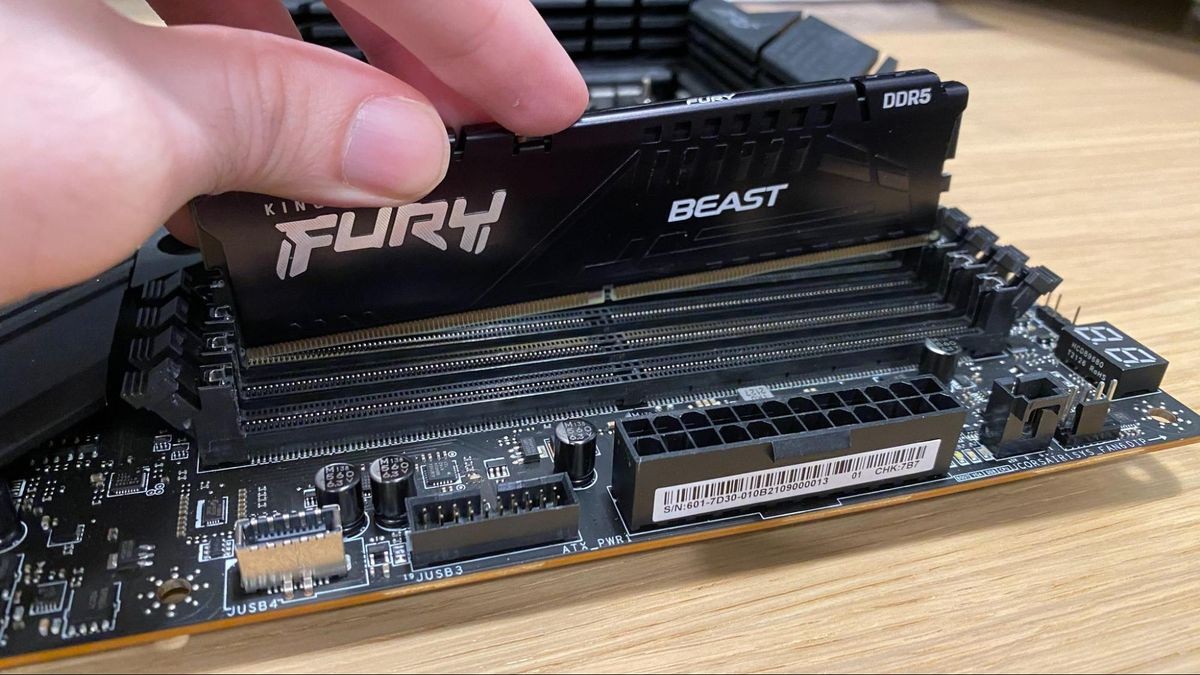
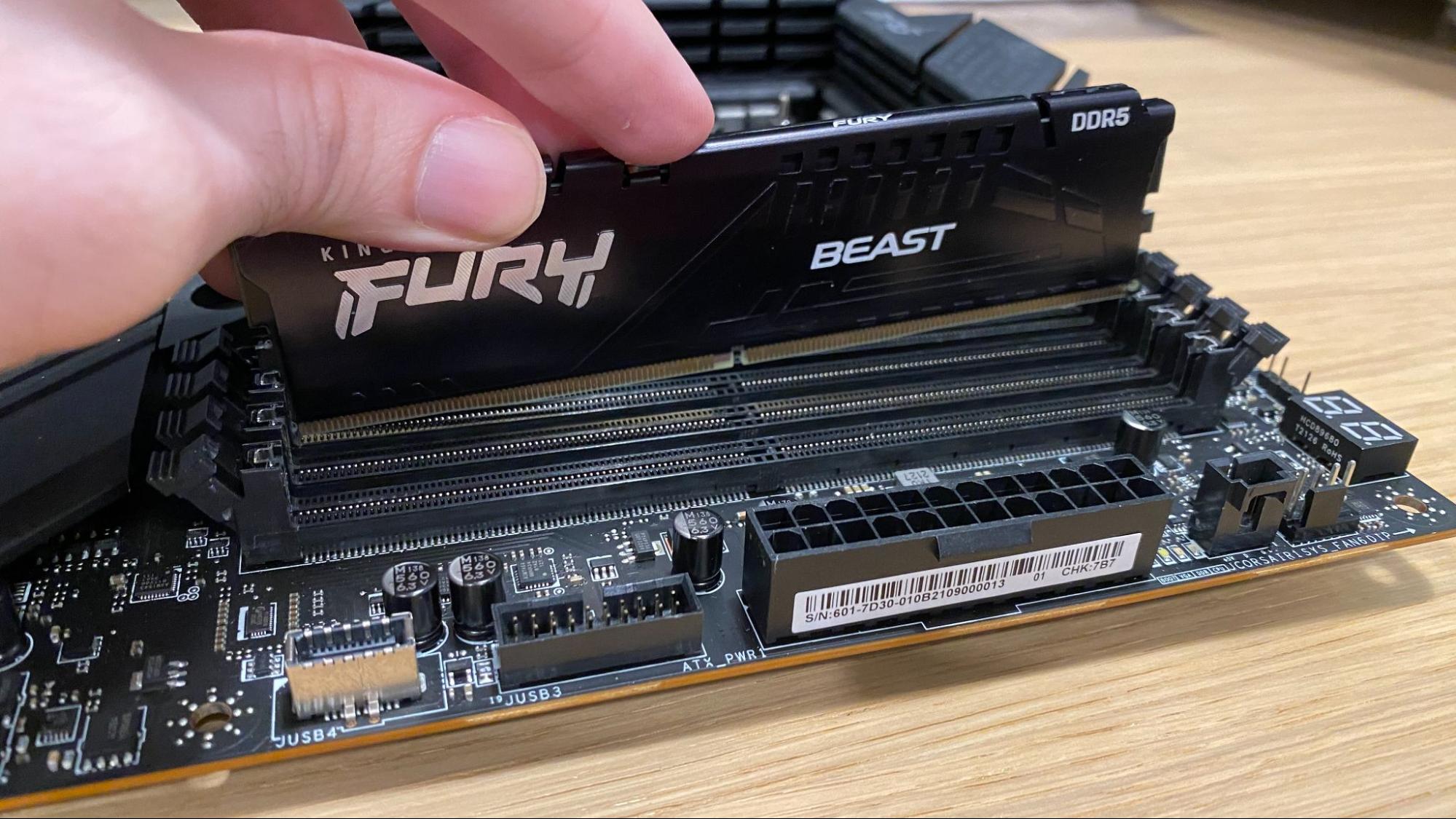
In May of this year, Microsoft said that 32GB of RAM is now the future-proof “no worries” configuration if you’re a gaming enthusiast, and that 16GB of RAM is now the new “practical starting point” if you want to have a smooth experience with Windows 11. However, it seems that the company is backtracking on this announcement as it removes all references to the post on the Windows Learning Center website, according to Windows Latest.
Microsoft previously posted a blog titled “How to optimize your gaming PC setup” in November 2025, where it said that 32GB is the ideal capacity for hardcore gamers who demand the best possible quality for AAA games or use mods a lot. However, this page is no longer available, and people who attempt to visit the link are automatically redirected to the Learning Center Homepage.
Many manufacturers are once again releasing laptops that just have 8GB of RAM. Microsoft is part of this move, as it dropped its budget Surface Go and Surface Laptop Go models and introduced 8GB base versions of its Surface Pro 12, Surface Laptop 13, and Surface Laptop for Business. Thankfully, Redmond is not leaving users who cannot afford expensive RAM out to dry, as it recently promised to optimize the operating system and reduce its footprint by this year.
Even though Windows 11’s minimum specifications just require 4GB, the prevalence of many web-based apps and interfaces on the OS use up a lot of memory on many systems. While using web-based React and WebView2 is easier for developers, they’re not as efficient as apps that are built to run natively on Windows. This wasn’t a problem when memory was cheap and plentiful, as people could just spend a few dollars to upgrade their Windows PCs. However, now that memory modules are expensive and it’s hard to find the best prices for DDR5 and DDR4 kits, developers are going to be forced to optimize their software to use as little memory as possible.
This was actually what Windows programmers had to do in the 1980s and 1990s, when every Microsoft engineer had a stopwatch to ensure that their work remained fast, even on the limited hardware of the time. Even the original Task Manager, which was built by the same person who integrated ZIP file support into Windows, was only 80KB big so that it could run smoothly on “potato” hardware.
Hopefully, both Microsoft and app developers will rise to the challenge brought about by the memory shortage and make Windows efficient once more. This is especially true as Microsoft is now facing some competition from macOS and Linux (although Windows is, by far, still the most popular operating system today).

Follow Tom's Hardware on Google News, or add us as a preferred source, to get our latest news, analysis, & reviews in your feeds.
Get Tom's Hardware's best news and in-depth reviews, straight to your inbox.
Jowi Morales is a tech enthusiast with years of experience working in the industry. He’s been writing with several tech publications since 2021, where he’s been interested in tech hardware and consumer electronics.
What's Your Reaction?
 Like
0
Like
0
 Dislike
0
Dislike
0
 Love
0
Love
0
 Funny
0
Funny
0
 Wow
0
Wow
0
 Sad
0
Sad
0
 Angry
0
Angry
0








Comments (0)