

Most new U.S. AI data centers are being built in drought zones — two-thirds of 809 planned projects set for areas with water shortages
 (Image credit: Getty / Bloomberg)
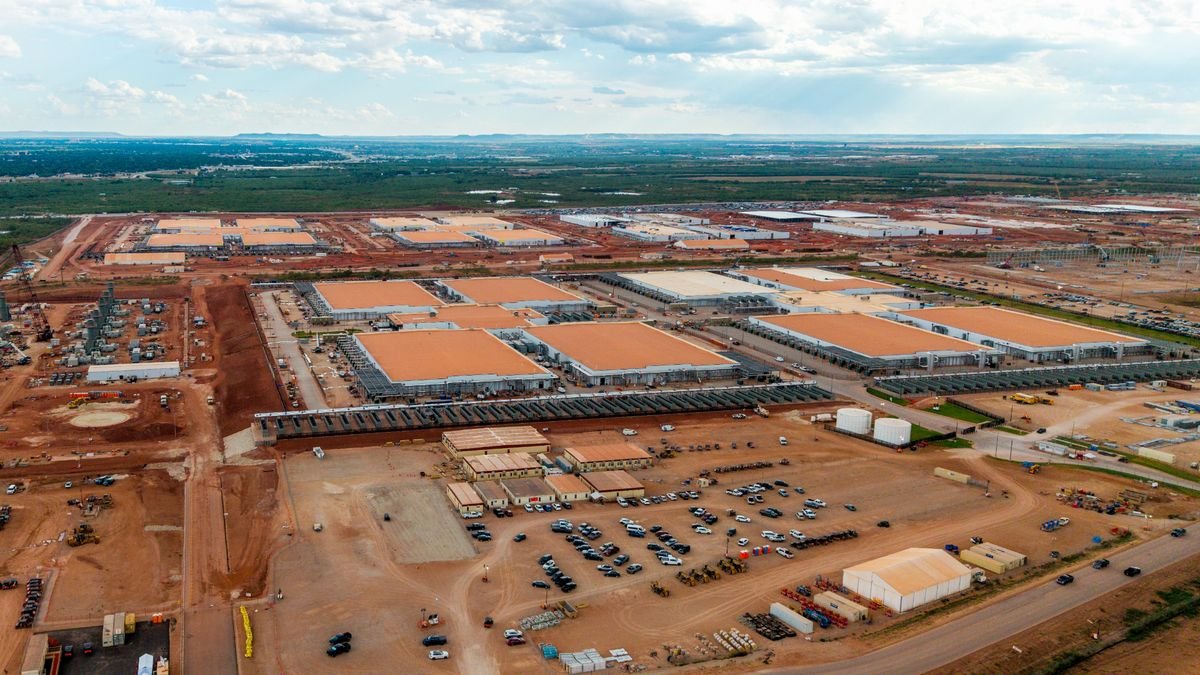
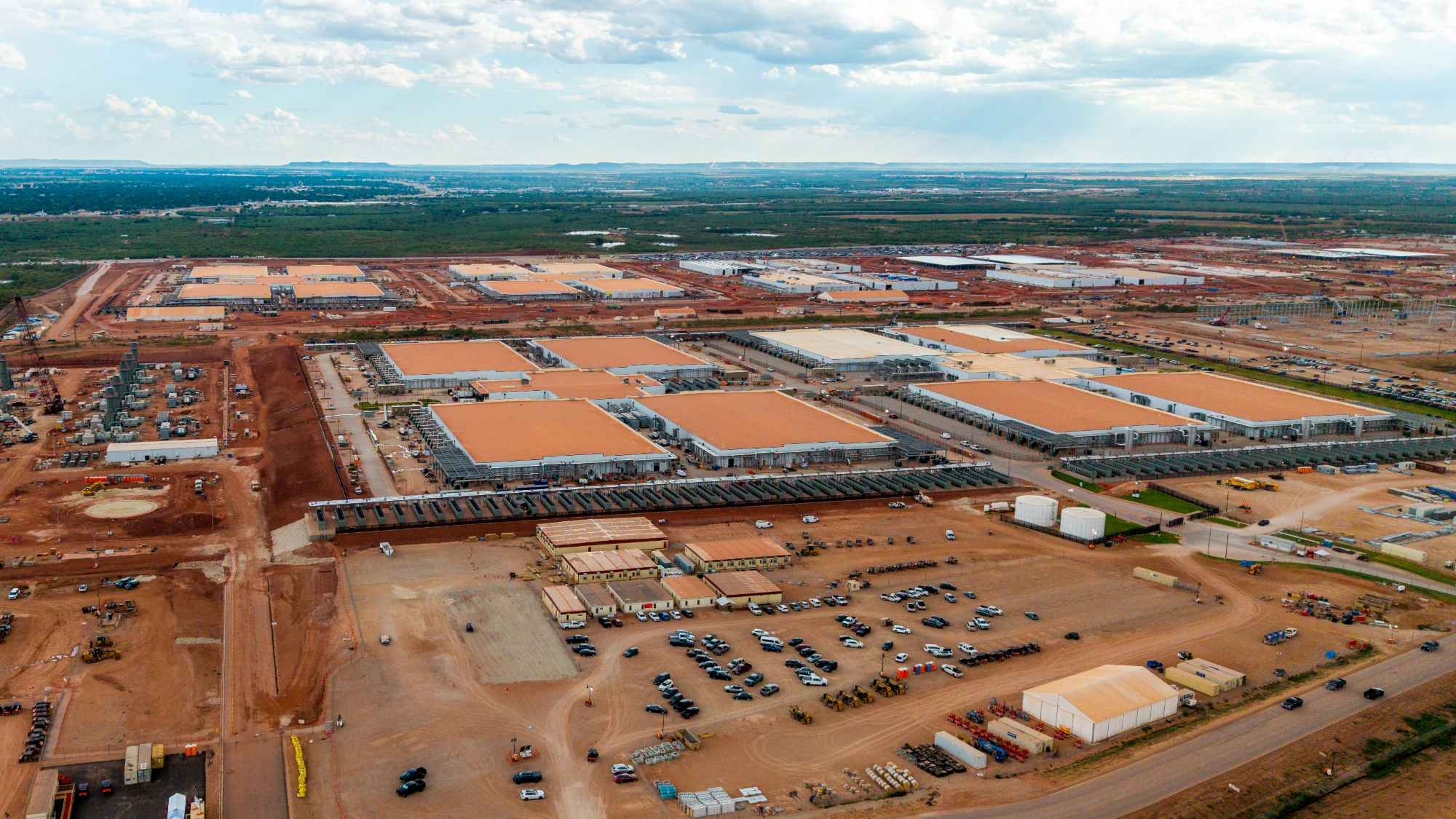
About two-thirds of the 809 data centers planned across the U.S. are slated for land that has been in drought over the past year, an analysis from The Guardian found this week. The research claims that 517 data centers are set to be built in areas classified as drought-stricken in the last year, according to the National Oceanic and Atmospheric Administration's (NOAA) National Integrated Drought Information System.
According to the report, data center cooling accounts for only about 4% of the additional water AI will demand by 2050, according to a January report from Xylem and Global Water Intelligence, while power generation takes roughly 54% and semiconductor fabrication about 42%. A UN University report published last week reached a similar split, putting 2025 data center electricity use at about 448 TWh.
The chips inside the racks, and the power to run them, account for the rest. A modern logic fab consumes between 2 million and 10 million gallons a day, and chipmaking can’t use ordinary water. Producing 1,000 gallons of the ultrapure water required by fabs takes roughly 1,400 to 1,600 gallons of municipal supply, so the input is lossy before a single wafer is etched.
TSMC's three Phoenix fabs, for example, are projected to draw a combined 16.4 million gallons a day once complete, in the fourth-driest state in the country. The company offsets much of that through on-site reclamation, rated at 85%, climbing toward 90%, but it’s still drawing water from an area where it’s already in short supply.
Data center operators routinely note that the sector uses a fraction of what agriculture does, but that’s only accounting for one of three legs. Only counting cooling excludes the fab and generation demand created by the same infrastructure, which is where most of the growth capacity is concentrated. A data center and the fab supplying its accelerators can sit in the same drought area and pull from the same groundwater, but only one of them will end up showing in the cooling figures.
A potential fix will be sealed, direct-to-chip liquid cooling. Nvidia rates its GB200 NVL72 system at up to 300 times the water efficiency of air cooling, but that figure covers the cooling loop alone. Those racks pull 120 kW to 140 kW each, and the Vera Rubin platform, arriving later this year, pushes a single rack toward 600 kW. More power per rack means more generation, and thermal and gas-fired generation is itself water-intensive, so rack-level water savings reappear at the power plant.
Meta's proposed Hyperion data center in Louisiana is one example. Closed-loop cooling here will be paired with the output of roughly 10 gas-fired plants, which consume water of their own to generate that electricity. So, on-site cooling water usage falls while the combined draw of cooling and generation rises, and as rack power scales toward Rubin's 600 kW, that combined figure will climb faster still.
Get Tom's Hardware's best news and in-depth reviews, straight to your inbox.
Several states have started legislating around cooling, including California, Michigan, and Iowa, which are weighing mandatory water-use reporting. South Carolina and Kansas may require closed-loop systems, and New York lawmakers have floated an outright data center moratorium. Each measure targets the visible 4%, and leaves the fabrication and generation demand that drives most of AI's water growth untouched.

Follow Tom's Hardware on Google News, or add us as a preferred source, to get our latest news, analysis, & reviews in your feeds.
Luke James is a freelance writer and journalist. Although his background is in legal, he has a personal interest in all things tech, especially hardware and microelectronics, and anything regulatory.
What's Your Reaction?
 Like
0
Like
0
 Dislike
0
Dislike
0
 Love
0
Love
0
 Funny
0
Funny
0
 Wow
0
Wow
0
 Sad
0
Sad
0
 Angry
0
Angry
0








Comments (0)