

One-slot, low-profile Nvidia RTX 3060 12 GB with two monitor outputs breaks cover at Newegg for $496 — bus-powered model looking for a use case in local LLM work
 (Image credit: SRhonyra)
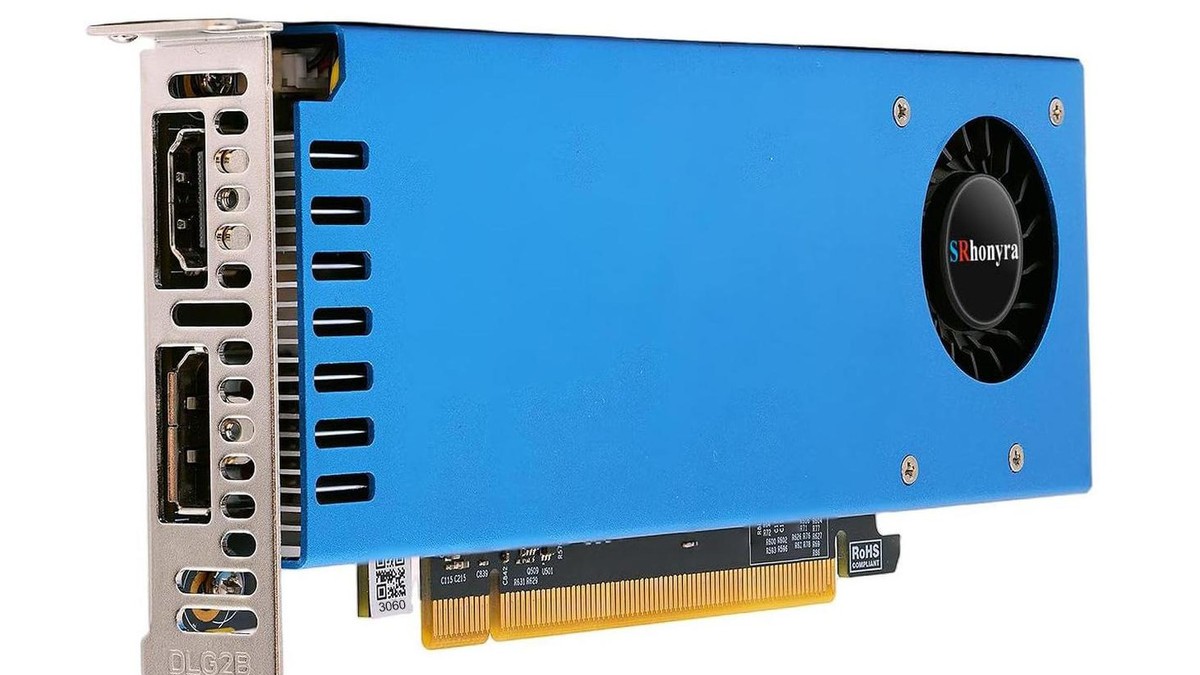
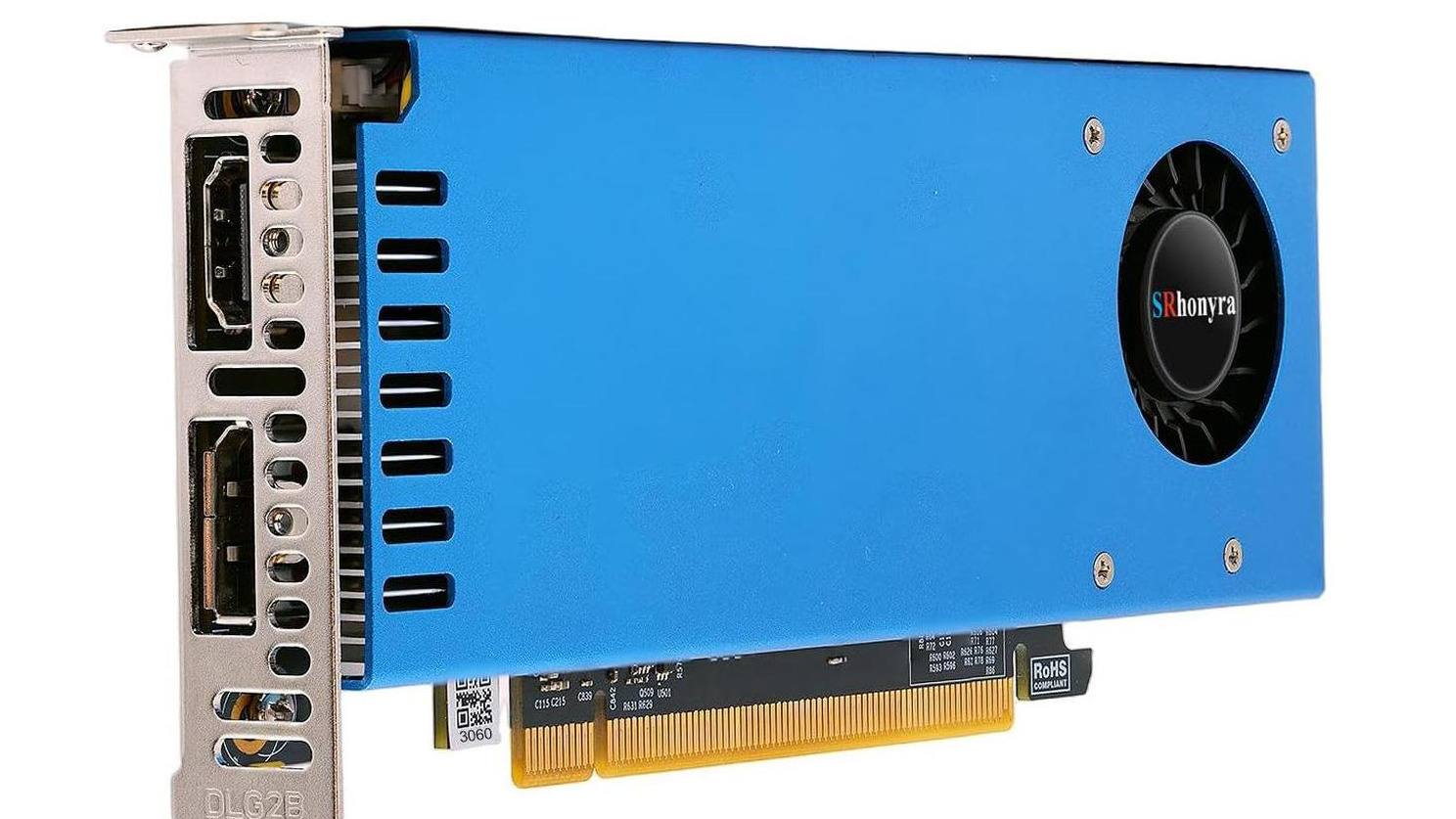
Not that long ago, we reported that Nvidia was dusting off the blueprints for the RTX 3060, in its 12 GB form. At the time, we'd spotted it in stores for about $339.99, but just like with ever-climbing memory, hard drive, and SSD prices, two months passed is an eternity. The same cards are now selling for $489 new, and one particular specimen is the SRhonyra RTX 3060 12 GB Low Profile card, for $495.59.
- SRhonyra RTX 3060 12 GB Low Profile card - $495.59
This card and its price may raise more than a few eyebrows, but there are reasons why it exists. First off, it's a one-slot model, making it easy to put many of them to work in the same machine with relatively little concern for airflow. They have no power inputs and rely on 70 W delivered by the PCIe slot alone, eschewing the need for a high-end PSU and lots of cables. Third, the low-profile form factor makes it possible to place them in potent puny personal computers.
Attentive readers might surmise that one (or more) of these would be good candidates for an entry-level local LLM rig. That's precisely how SRhonyra is pitching the card, calling it "capable of local AI" and "running 7B [to] 13B LLMs." A standard-dimensioned, fully powered RTX 3060 is capable of drawing a maximum of 175 W, so it's fair to assume the performance of the diminutive variant will sit below that of its full-sized brethren, given it ought to only draw 70 W of juice from the PCIe slot.
Even then, it's likely that people interested in these cards are looking to use them either as secondary GPUs, or use more than one in the same box to be able to virtually pool their VRAM and use larger models than you'd otherwise be able to. The low power draw also means they're a simple, thoughtless drop-in to an existing system, whereas larger, more power-hungry cards require careful consideration with physical spacing (or lack thereof), power supply sizing, and ever-annoying cables.

Follow Tom's Hardware on Google News, or add us as a preferred source, to get our latest news, analysis, & reviews in your feeds.
Get Tom's Hardware's best news and in-depth reviews, straight to your inbox.
Bruno Ferreira is a contributing writer for Tom's Hardware. He has decades of experience with PC hardware and assorted sundries, alongside a career as a developer. He's obsessed with detail and has a tendency to ramble on the topics he loves. When not doing that, he's usually playing games, or at live music shows and festivals.
What's Your Reaction?
 Like
0
Like
0
 Dislike
0
Dislike
0
 Love
0
Love
0
 Funny
0
Funny
0
 Wow
0
Wow
0
 Sad
0
Sad
0
 Angry
0
Angry
0






Comments (0)