

Photographs Reveal How Iranian Women Have Used Dance as Resistance

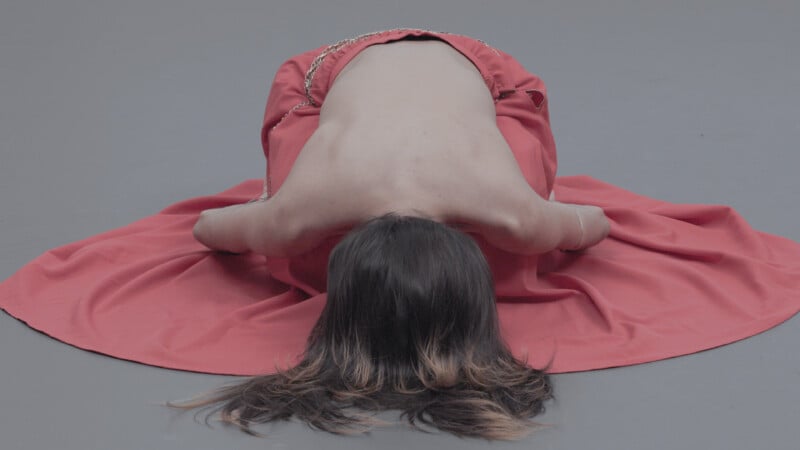 Hannah Darabi, excerpt from the video “Saeed”, from the series Follow the Beat, Why Don’t You Dance?, 2026 © Hannah Darabi
An Iranian photographer explores how women have used dance as resistance in the social and political history of her native country.
Across Iran’s modern history, dance has reflected changing ideas around identity, freedom, and self-expression. Through photographs, videos, and archival materials, Iranian artist Hannah Darabi explores how dance has been used as a form of cultural expression and resistance in her exhibition Why Don’t You Dance? at the Photo Elysée in Lausanne, Switzerland.
 Hannah Darabi, , from the series Cabaret Tehran, House of Legends, Why Don’t You Dance, 2026 © Hannah Darabi
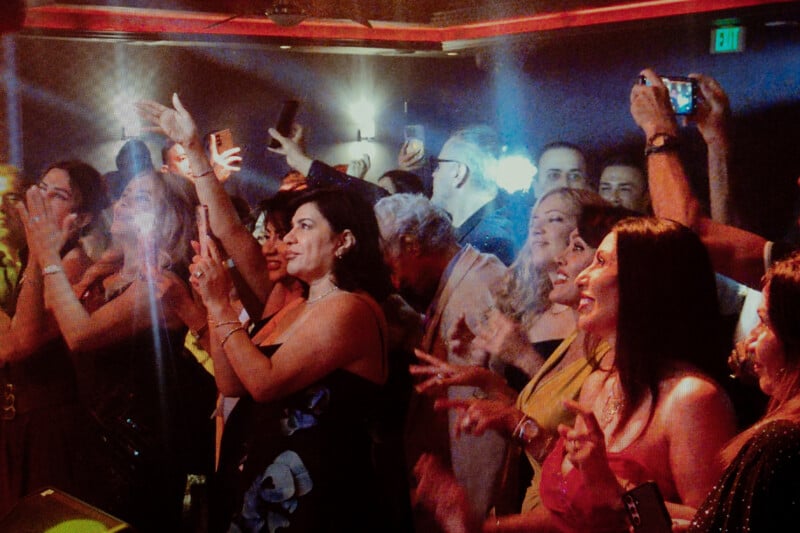 Hannah Darabi, from the series Cabaret Tehran, House of Legends, Why Don’t You Dance?, 2026 © Hannah Darabi
Running until November 1, 2026, Darabi’s Why Don’t You Dance? is inspired by the “Woman, Life, Freedom” movement, a nationwide protest against restrictive laws imposed on women by the Iranian government. The exhibition examinespopular dance as a powerful form of identity-based resistance — and the complex relationship between such cultural expression and contemporary Iran.
 Hannah Darabi, from the series Cabaret Tehran, House of Legends, from Why Don’t You Dance?, 2026 © Hannah Darabi
 Hannah Darabi, from the series Cabaret Tehran, House of Legends, from Why Don’t You Dance?, 2026 © Hannah Darabi
The exhibition is divided into three sections, each focusing on a key figure from Iran’s popular dance scene. Together, the sections connect different periods of history and explore experiences in both Iran and the Iranian diaspora.
 Hannah Darabi, , from the series Cabaret Tehran, House of Legends, Why Don’t You Dance, 2026 © Hannah Darabi
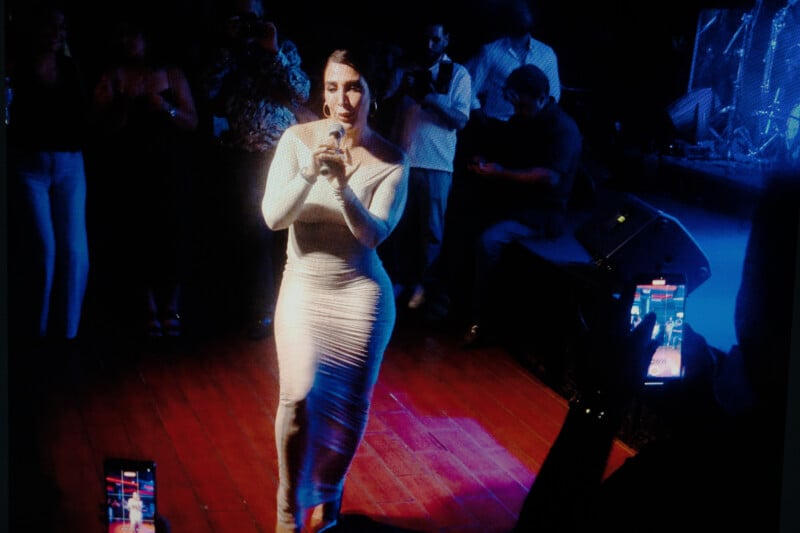 Hannah Darabi, , from the series Cabaret Tehran, House of Legends, Why Don’t You Dance, 2026 © Hannah Darabi
The first section of the exhibition centers on Mahvash, a leading cabaret performer of the 1950s.The second section focuses on Jamileh, a renowned performer of belly dance and “Jaheli dance,” a popular style rooted in Iranian urban culture.The final section examines Mohammad Khordadian, a dancer and choreographer from the Iranian pop scene in Los Angeles. Turning her attention to the Iranian diaspora, Darabi documents nights at the legendary Cabaret Tehran, a central gathering place for Iranians in Southern California and a site where cultural practices continued in exile.
Drawing on the stories of these three figures, Darabi reveals how dance has endured through a shift in Iranian society, from traditional gender expectations toward more modern forms of expression. Here, entertainment becomes a political act, archives become tools of resistance, and performance becomes an expression of joyful resilience.
Why Don’t You Dance? runs until November 1, 2026, at the Photo Elysée in Lausanne, Switzerland.
Affiliate Disclosure PetaPixel articles may include affiliate links; we may earn a commission if you buy through one.
What's Your Reaction?
 Like
0
Like
0
 Dislike
0
Dislike
0
 Love
0
Love
0
 Funny
0
Funny
0
 Wow
0
Wow
0
 Sad
0
Sad
0
 Angry
0
Angry
0











Comments (0)