

Plug-in solar is legal in these 10 states now – how it could save you money
ZDNET’s key takeaways
- Multiple states are working to legalize backyard solar setups.
- After Utah, nine other states have legalized it, or are working on bills for plug-in solar.
- 24 other states are stalled but already working on legislation.
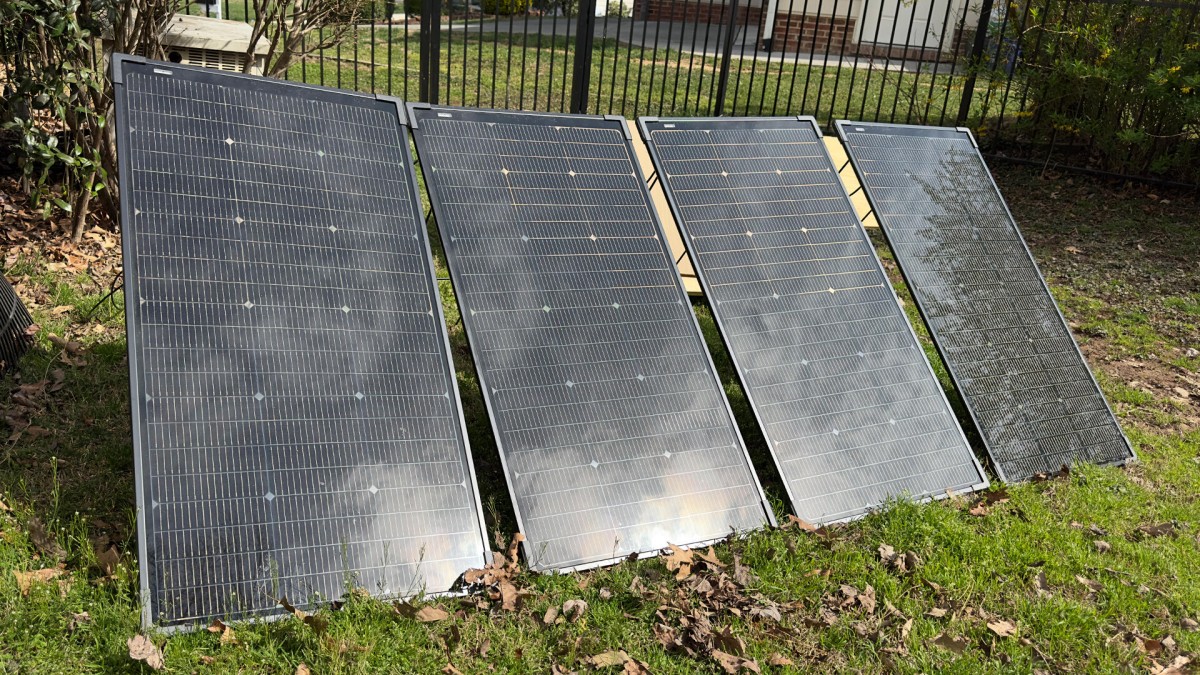
Plug-in solar systems are easy to set up and can save consumers money on their power bills, but they’re still illegal in many states. Utah was the first to legalize backyard and plug-in solar, but other states have since caught on, and more are working on their own pathway to legalization.
Also: My favorite travel chargers pack a few tricks – one even has its own screen
As we’ve covered before, these plug-in solar setups (also commonly called “backyard solar”) are plug-and-play systems consisting of one or more solar panels, an inverter, and a battery. The system connects to a home’s standard 120-volt outlet, automatically routing solar-generated electricity from the battery to the nearest running appliance.
What states have legalized plug-in solar?
Ten states have already legalized backyard and plug-in solar systems, so residents there can already purchase and install systems like the EcoFlow Stream in their homes. Here’s the current status of the states that have already successfully passed legislation, legalizing such devices for consumer use.
| State | Legislation status |
| Utah | House bill 340: Effective May 2025 |
| Virginia | House bill 395, Senate bill 250: Effective January 1, 2027 |
| Colorado | House bill 26-1007: Effective August 12, 2026 |
| Vermont | House bill 598, Senate bill 202: Effective July 1, 2026 |
| New Hampshire | Senate bill 540: Effective January 1, 2027 |
| Maine | Legislative document 1730: Effective July 29, 2026 |
| Maryland | House bill 1532: Effective July 1, 2026 |
| Connecticut | House bill 5340: Effective October 1, 2026 |
| New Jersey | Senate bill 2368: Effective March 1, 2027 |
| California | Senate bill 868: Effective January 1, 2027 |
Data sourced from Solar.com.
What states are working to legalize plug-in solar?
About two dozen states are still in the process of legalizing plug-in solar. Some bills have stalled until the next legislative session reconvenes in 2027, while others are going through committee hearings.
Balcony solar bills H.5175 and S3143 are advancing in Massachusetts, and the SUNNY Act is pending governor approval in New York. Bills in other states like Michigan, Ohio, Pennsylvania, Rhode Island, South Carolina, and Washington, DC have reached committee hearings.
Also: I’ve been testing solar gadgets for a long time – they’re finally worth buying
Most states have stalled plug-in solar bills until the next legislative session in 2027, including Alaska, Arizona, Delaware, Hawaii, Idaho, Illinois, Indiana, Iowa, Minnesota, Missouri, North Carolina, and Oklahoma.
Unfortunately, plug-in solar bills have failed in Georgia, New Mexico, Oregon, Washington, and Wyoming, so if you live in one of those states, these kinds of devices are technically illegal to operate. This doesn’t mean that it won’t eventually clear the legislative slate in these states, but lawmakers will need to file a new bill to reintroduce them after making necessary revisions.
Can I set up my solar panels if my state legalizes plug-in solar?
Whether you can immediately set up your balcony solar panels or not after the systems are legalized in your state will depend on your home situation.
Also: Are online solar calculators accurate? I tested a 200W panel for 1 year to find out
Generally speaking, the bills in question focus on preventing utility companies from blocking plug-in solar projects. These bills can’t preempt bans on these systems by landlords or HOAs, though supplementary bills have been introduced in some states to include protections for HOAs and landlords.
Why is plug-in solar illegal?
Plug-in solar is illegal because the electrical systems in traditional American homes aren’t designed to receive power from a standard wall outlet. Rooftop solar systems are professionally installed and designed so the energy harvested by the panels flows through a circuit breaker and into your outlets. Plug-in solar, in turn, introduces electricity directly into an outlet, bypassing the electrical panel.
In a plug-in solar setup, nearby appliances draw energy supplied by the breaker and the solar inverter, but the wiring could carry more current than the breaker alone would allow before it trips. But it’s not solely about safety.
Also: I recommend you don’t run these appliances on your power station – even if you can
Installing your own solar panels means less reliance on local utilities. These companies are the biggest regulatory obstacle for plug-in or balcony solar setups. Their rules and regulations on solar energy are designed for rooftop panels, not plug-and-play systems, so legislation should push utility companies to change that.
There’s also the elephant in the room: utilities would make less money off their services if plug-in solar becomes widely popular. When consumers purchase less electricity, they contribute less to grid costs.

Maria Diaz is a staff writer with a passion for home automation, smart home devices, and tablets. With a background in graphic design, photography, and filmmaking, she has a bachelor's in Mass Communication and experience in journalism and film. See full bio
What's Your Reaction?
 Like
0
Like
0
 Dislike
0
Dislike
0
 Love
0
Love
0
 Funny
0
Funny
0
 Wow
0
Wow
0
 Sad
0
Sad
0
 Angry
0
Angry
0











Comments (0)