

Software should work, and talking about it needn't be boring
columnists
Bingeing the boxed set of binary bafflement
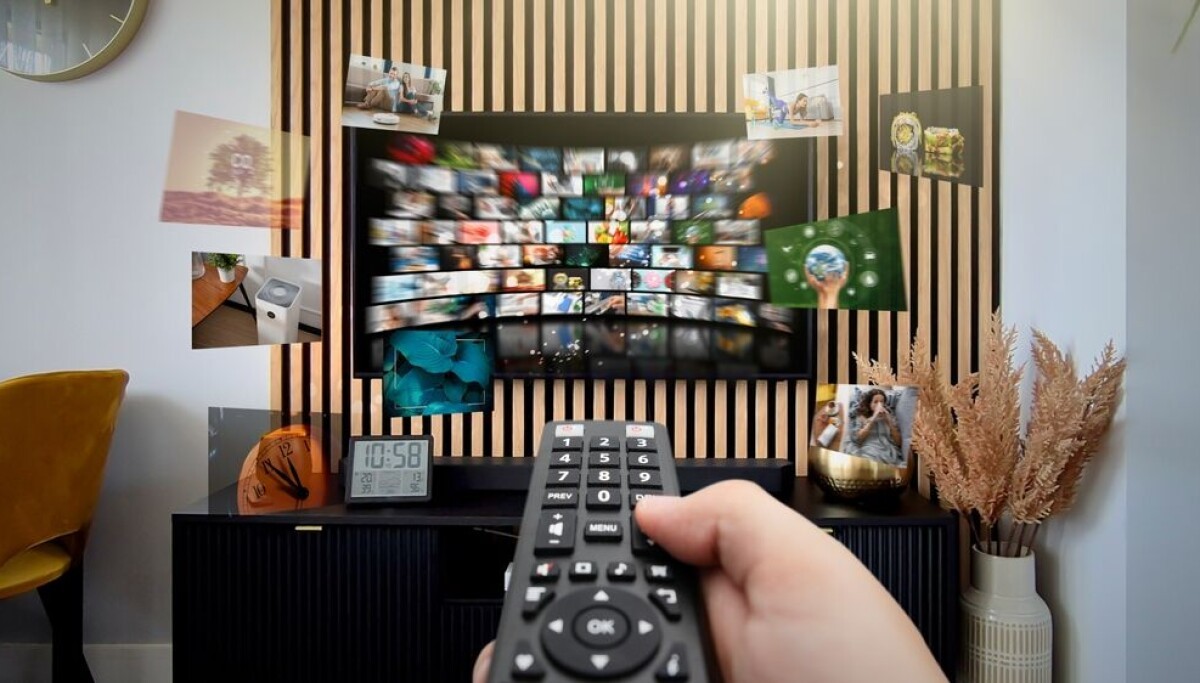
OPINION DVD is one of those technologies that dominated for barely a generation yet left a permanent cultural mark. It made high-quality video cheap enough for mass distribution, popularized the TV series boxed set, and encouraged its gluttonous consequence: binge viewing. Streaming and capacious storage have since pushed optical media toward irrelevance. There may no longer be a box, but the boxed-set mentality remains, and we still binge like Roman emperors. It is a genuinely new way of absorbing large quantities of information.
Now it is time to recognize a further evolution: the bingeable tech conference. Streamed conferences are nothing new, but few reward being watched from beginning to end. They offer too many talks on too narrow a subject, too much marketing flimflam, or too much variation in quality. The Goldilocks zone of quality, range, relevance, and intelligence is rare, but worth seeking out. This July delivered a near-perfect example: Software Should Work 2026.
The name supplies the plot arc. Software Should Work is about reliability in its broadest sense, because reliable software requires much more than making code that runs. It encompasses abstraction and formal methods, managing complexity, making the most of tools and processes, individual innovation, team culture, and the nuts and bolts of telling computers what to do. In just 13 videos, SSW creates a widescreen, high-definition, thought-provoking picture of the field today. You can watch them in a day, and once you start, you may not want to stop.
It would be unseemly to give too many spoilers. In such a concise treatment of a multifaceted subject, the talks that grab you will depend on your own interests and experiences. Consider dependencies, part of the calculus of reliability. So far, so dry. But Richard Feldman's talk compares web stacks from 1996, 2006, and 2026, revealing what looks like an inexorable multiplication of abstractions and dependencies. He then compares eight contemporary language and runtime websites: TypeScript, Node.js, Python, Ruby, Rust, Zig, Go, and Roc. The result is one of the more illuminating graphs you'll see this year.
Another thought-provoking contribution comes from Richard Hipp, creator of SQLite, one of the corest of the core technologies in everyday use. On its face, his account of how a codebase evolves in response to changing test methods sounds dry. It is also a personal journey, full of highs and lows, illustrating how reliability depends not only on the interplay between code and test design, but also on human motivation, creativity, flexibility, and doggedness. There is no shortage of technical detail either.
This is why SSW 2026 works so well. Its speakers have deep experience of software reliability, but were free to choose their subjects. The resulting mix of opinions, experiences, and approaches ranges from the mathematics of formal analysis to the importance of daydreaming and the dangerous myth of the superhero engineer. Reports from the language wars, AI WTFery, and arguments over whether Nix partisanship is justified are all present, delivered by people working on the front lines.
Most importantly, the conference explores the culture of reliability and what it means to say that software works. It feels like a proper symposium: an exchange of ideas about something that touches every part of the digital world yet is rarely considered as a whole. Commercial pressures can work against practitioners and customers alike, while the lack of a common language and agreed standards makes good practice harder to defend. Without reliability, everything falls apart. How to teach it, and where the discipline goes next, remain stubbornly difficult questions.
SSW 2026 provides a splendid and much-needed focus on all of this. Its blend of narratives and subjects means there is always something you did not know you needed to see, accompanied by the pleasurable sense of time well spent. Curiosity is richly rewarded. If you see software reliability as an ongoing drama – and if you don't, how are you still here? – block out a bingeing window. Software should work, but so should conferences, and this one is well worth the popcorn. ®
What's Your Reaction?
 Like
0
Like
0
 Dislike
0
Dislike
0
 Love
0
Love
0
 Funny
0
Funny
0
 Wow
0
Wow
0
 Sad
0
Sad
0
 Angry
0
Angry
0









Comments (0)