

Stephen King Meets H.P. Lovecraft In Ridley Scott's 3-Part Supernatural Horror Series


Published Aug 24, 2026, 8:00 PM EDT
Tom is a Senior Staff Writer at Screen Rant, with expertise covering everything from hilarious sitcoms to jaw-dropping sci-fi epics.
Initially he was an Updates writer, though before long he found his way to the TV and movies team. He now spends his days keeping Screen Rant readers informed about the TV shows of yesteryear, whether it's recommending hidden gems that may have been missed by genre fans or deep diving into ways your favorite shows have (or haven't) stood the test of time.
Tom is based in the UK and when he's not writing about TV shows, he's watching them. He's also an avid horror fiction writer, gamer, and has a Dungeons and Dragons habit that he tries (and fails) to keep in check.
Few, if any, names are more significant to modern horror than Stephen King and H.P. Lovecraft. Both authors have shaped the genre in distinct yet equally significant ways, influencing not only literature but generations of horror movies and TV shows. From King's intimate explorations of fear and human nature to Lovecraft's cosmic visions of unknowable terror, their importance to horror cannot be overstated. That makes one 3-season show from AMC that counts Ridley Scott among its executive producers essential viewing for any fan of the genre.
From the moment The Terror arrived in 2018, the series immediately garnered attention for how deftly it combined modern horror's two defining creative voices. The Terror tells a different self-contained supernatural horror story each season. Season 2, The Terror: Infamy, aired in 2019, while Season 3, The Terror: Devil in Silver, arrived in 2026 after a lengthy hiatus. Each chapter uses a different setting, cast, and narrative while maintaining the show's distinctive blend of psychological and supernatural horror.
Although each season tells a different story, the three chapters of The Terror share an unmistakable fascination with the darkness lurking beyond ordinary human experience. That makes the series particularly appealing to fans of either H.P. Lovecraft or Stephen King, with cosmic dread, psychological torment, societal fears, and monstrous forces repeatedly colliding. For viewers who appreciate both authors, however, The Terror offers a uniquely potent combination that turns their most enduring thematic contributions to modern horror into a trio of terrifying stories.
The Terror Brings The Best Themes Of Lovecraft And King To Three Terrifying Stories

While they’re both influential, and H.P. Lovecraft almost certainly influenced Stephen King, each author has their own distinct voice and thematic fascinations. That’s what makes each season of The Terror so compelling, as it manages to masterfully balance the strengths of both.
At its most Lovecraftian, The Terror understands that humanity is an insignificant presence in a vast, indifferent universe. The first season makes that idea literal as the crews of HMS Erebus and HMS Terror become trapped in the Arctic, confronting an environment that isn’t a source of malice or intent but will still undoubtedly destroy them. The supernatural threat from the Tuunbaq only underlines this H.P. Lovecraft connection, as it taps into the author's fascination with forces far beyond human understanding.
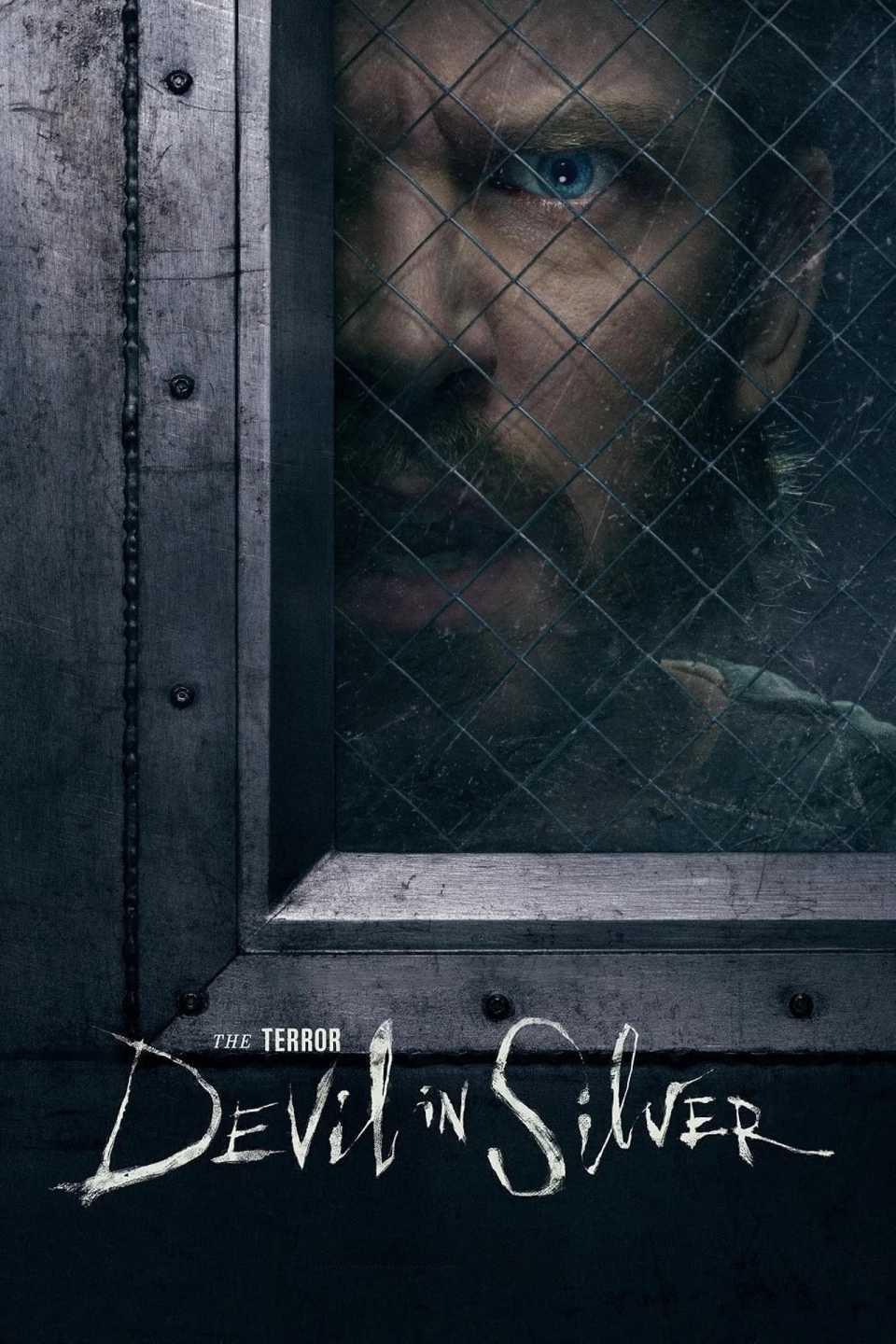
That sense of cosmic insignificance carries into the later seasons, although The Terror repeatedly grounds its supernatural horrors in recognizably human fears. The Terror: Infamy places its characters amid World War II and Japanese American internment, while The Terror: Devil in Silver traps central character Pepper (played by Legion star Dan Stevens) inside a psychiatric hospital where abuse of institutional power becomes just as frightening as the supernatural entity haunting the facility. This is where the Stephen King influence becomes especially apparent.
Like any decent Stephen King story, The Terror hinges on the fact that the supernatural is often most effective when filtered through the characters experiencing it. The psychological damage caused by prolonged exposure to supernatural danger becomes as terrifying as the monsters themselves. Season 3 in particular blurs the line between supernatural horror and the real-world horrors surrounding Pepper, creating uncertainty over what can be trusted. This, combined with Lovecraft’s penchant for mining the cosmic unknown for dread, makes The Terror the perfect midway point between the two titans of the genre.
Stephen King And H.P. Lovecraft Aren’t The Only Authors The Terror Taps Into

While The Terror has plenty of thematic overlap with Stephen King and H.P. Lovecraft, those aren't its only influences. In fact, its most direct connections to literary horror come from the books that literally provide the stories of Seasons 1 and 3. With the exception of The Terror: Infamy, each season adapts an existing modern horror novel. King and Lovecraft may be essential to the tone of The Terror, but it's authors Dan Simmons and Victor LaValle that directly shape the narrative of the show’s most successful seasons.
Season 1 adapts Dan Simmons' 2007 novel The Terror, which fictionalizes the doomed 1845 Franklin expedition. The plight of the crews of HMS Erebus and HMS Terror and how their situation combines historical survival drama with supernatural horror is taken directly from the book. The Terror season 3, meanwhile, brings Victor LaValle's 2012 novel The Devil in Silver to the screen. LaValle even served as co-showrunner of The Terror: The Devil in Silver, ensuring season 3 remained faithful to the spirit of his work.
It’s because of both seasons that The Terror has become regarded as a solid literary adaptation instead of simply another anthology horror TV series. Even better, the approach is set to continue. Season 4 is already in development, with executive producer David W. Zucker confirming that Scott Free Productions and AMC have closed a deal for the next book they intend to develop. The title and the novel being adapted have yet to be revealed, but The Terror is once again returning to literature for its next nightmare.
Release Date 2018 - 2026-00-00
Showrunner David Kajganich, Soo Hugh, Christopher Cantwell
Directors Tim Mielants, Edward Berger, Sergio Mimica-Gezzan, Fred Toye, Karyn Kusama, Michael Lehmann, Josef Kubota Wladyka, Lily Mariye, Toa Fraser, Meera Menon
Writers David Kajganich, Shannon Goss, Tony Tost, Steven Hanna, Andres Fischer-Centeno, Benjamin Endsley Klein, Danielle Roderick, Alessandra DiMona, Josh Parkinson
-

-

Ciarán Hinds
Sir John Franklin
What's Your Reaction?
 Like
0
Like
0
 Dislike
0
Dislike
0
 Love
0
Love
0
 Funny
0
Funny
0
 Wow
0
Wow
0
 Sad
0
Sad
0
 Angry
0
Angry
0









Comments (0)