

Stephen King Meets Philip K. Dick In 2-Part Sci-Fi Thriller Returning Fall 2026

Published Aug 28, 2026, 1:00 AM EDT
Dhruv is a Lead Writer in Screen Rant's New TV division. He has been consistently contributing to the website for over two years and has written thousands of articles covering streaming trends, movie/TV analysis, and pop culture breakdowns.
Before Screen Rant, he was a Senior Writer for The Cinemaholic, covering everything from anime to television, from reality TV to movies.
After high school, he was on his way to become a Civil Engineer. However, he soon realized that writing was his true calling. As a result, he took a leap and never looked back.
Stephen King and Philip K. Dick are the most prolific authors of two distinct genres. While Stephen King is rightfully touted as the "King of Horror," Philip K. Dick is credited with being one of the most influential sci-fi writers of all time. Owing to how seminal their books and stories have been in their genres, both authors have received multiple on-screen adaptations.
However, as distinct as Stephen King and Philip K. Dick's writing styles and genres may seem, traces of "Dickian" sci-fi tropes can be found in Stephen King's stories. Even Philip K. Dick's philosophical musings surrounding identity and reality often have scary underpinnings. Owing to these overlaps, it should not be surprising that one Stephen King show, The Institute, almost has a Philip K. Dick feel to it.
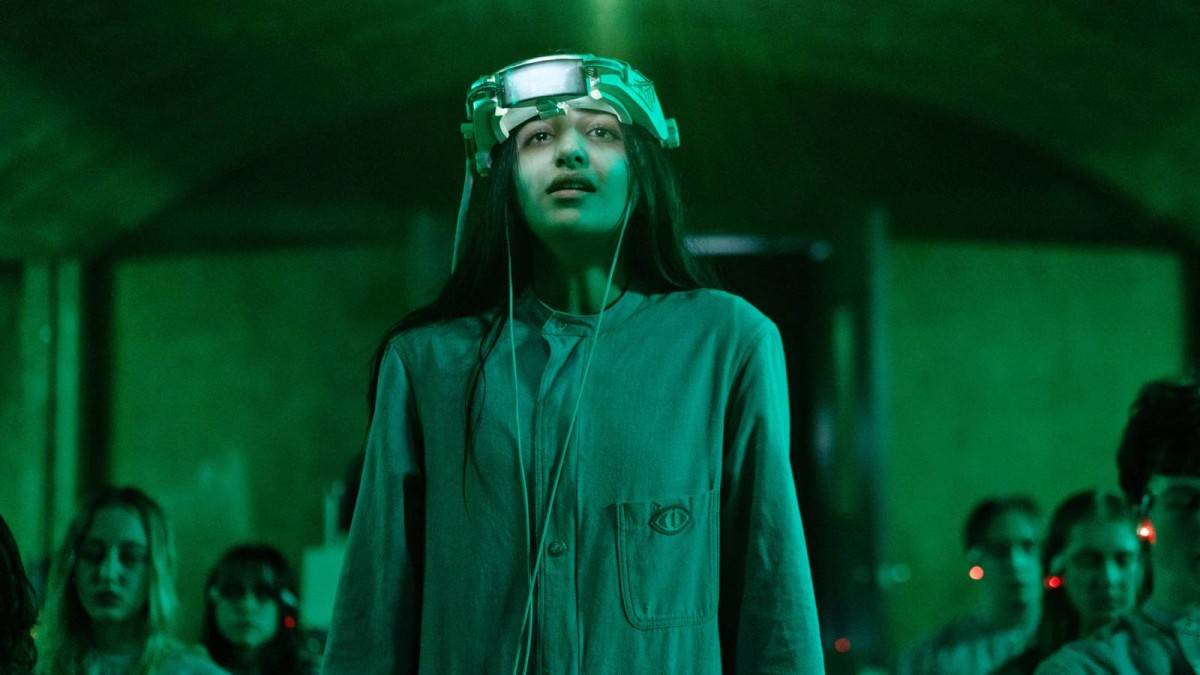
Based on Stephen King's book of the same name, MGM+'s The Institute premiered in July 2025. While its critical reception was mixed, the show performed well enough to be renewed for another season. In season 2, The Institute is set to expand its storyline beyond its source material, which also promises that it will be even more in tandem with Philip K. Dick's utilitarian sci-fi.
The Institute Combines Stephen King’s Small-Town Terror With Philip K. Dick’s Utilitarian Sci-Fi

Since many Stephen King books feature children with superpowers, especially telekinesis (TK) and telepathy (TP), it should not be surprising that The Institute also follows the same trend. Interestingly, though, The Institute seems to give this trope a Dickian spin by also introducing characters with "precognition." In the show, precognition in children is weaponized by adults to prevent future disasters from happening.
A similar theme can be seen in Philip K. Dick stories like Minority Report and The World Jones Made. In both, characters possess the "precognitive" power to see the future, allowing them to stop future crimes or manipulate the present.
Like The Institute, the Philip K. Dick stories in question make one ponder the nature of free will in a deterministic future. Even the portrayal of the cold and sterile titular Institute in the Stephen King sci-fi show reminds one of the powerful and omnipresent bureaucratic systems in Philip K. Dick's stories.
Philip K. Dick is also known for putting his characters in morally complex situations where the "greater good" strips away baseline human empathy. The Institute does something similar by showing how its morally corrupt adult characters are trying to serve the greater good at the cost of the innocence and humanity of children.
The Institute Will Likely Be More “Dickian” In Season 2
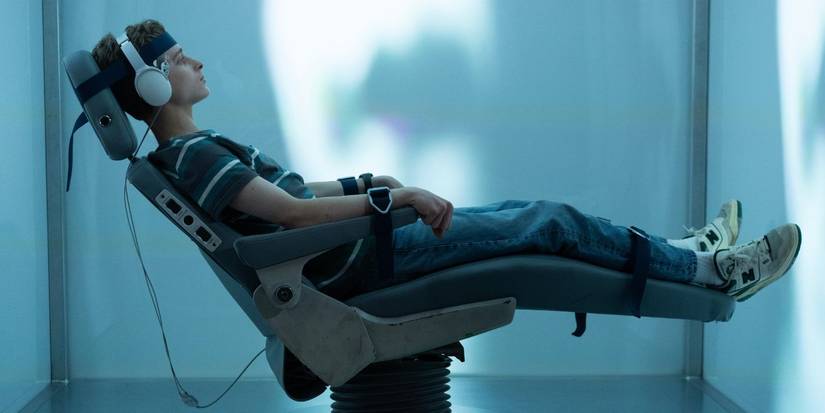
Like the original Stephen King book, The Institute season 1 stays fairly straightforward with its storytelling. In more ways than one, it even seems derivative of other Stephen King works like Carrie and Firestarter and even shows like Stranger Things. Put simply, the show struggles to bring something new to the table despite the ambitiousness of sci-fi ideas and themes.
In season 2, however, The Institute has the opportunity to rise above the well-worn tropes of the genre and become more high-concept and philosophically dense like Philip K. Dick's works. The concept of precognition, which is only briefly discussed in the Stephen King show's season 1, can be leveraged into something far more compelling and thought-provoking.
Hopefully, in season 2, The Institute will realize its true potential and show how the original Stephen King story can be transformed into a Philip K. Dick-esque exploration of the feeble nature of time, perception, and free will.
What's Your Reaction?
 Like
0
Like
0
 Dislike
0
Dislike
0
 Love
0
Love
0
 Funny
0
Funny
0
 Wow
0
Wow
0
 Sad
0
Sad
0
 Angry
0
Angry
0









Comments (0)