

The Best Version Of Ridley Scott's Sci-Fi Classic Is Free On YouTube Ahead Of Genre Return Next Week


Published Aug 22, 2026, 5:30 PM EDT
Richard Craig is a Senior Author at Screen Rant covering film and TV. Richard has also written extensively about horror and film soundtracks, contributing a chapter to the first major academic collection on the folk horror genre, The Routledge Companion to Folk Horror. Richard is also a performing musician and holds an MA in Music and Sound Art.
Sign in to your ScreenRant account
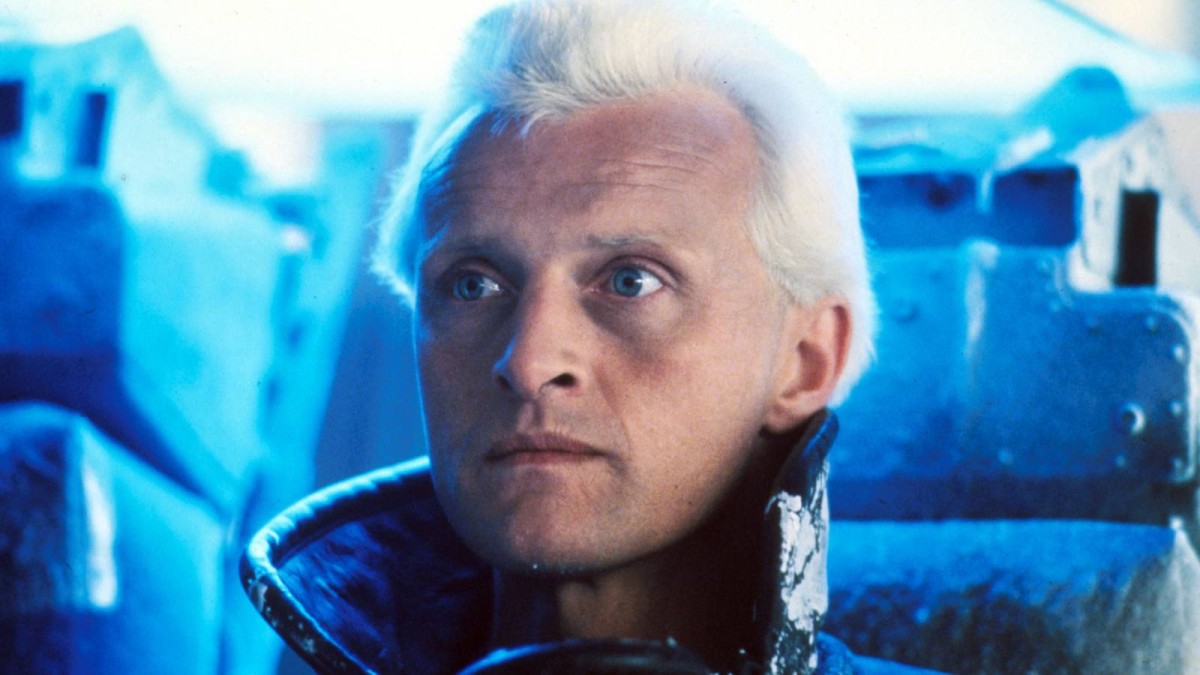
Few science fiction movies have undergone as many revisions as Blade Runner, but the greatest version is now free on YouTube ahead of Scott’s return to sci-fi. Ridley Scott's 1982 adaptation of Philip K. Dick's Do Androids Dream of Electric Sheep? struggled upon release, earning mixed reviews and disappointing box office returns before gradually becoming one of the most influential sci-fi films ever made. Part of the fascination surrounding Blade Runner comes from the fact that there isn't just one version of the movie.
Over the decades, audiences have been treated to multiple cuts of Blade Runner, each offering a slightly different interpretation of Rick Deckard's journey through a rain-soaked dystopian Los Angeles. Now, the version most consider definitive is available to watch for free on YouTube. Blade Runner: The Final Cut represents the culmination of Ridley Scott's decades-long effort to refine the film exactly as he envisioned it.
Although Scott was heavily consulted during the creation of 1992's Director's Cut, that release still wasn't entirely under his control. Legal complications between Scott and Warner Bros. prevented him from fully revisiting the film for years. Those issues were finally resolved in 2006, allowing Scott to return to the project with complete creative freedom.
The result was 2007's Blade Runner: The Final Cut, a meticulous restoration and revision that incorporated improved visual effects, refined editing, restored footage, and several key story adjustments. Released 25 years after the original movie, The Final Cut is widely regarded as the ultimate version of one of science fiction's most enduring masterpieces, making its free availability particularly timely ahead of Ridley Scott's return to the genre.
Blade Runner: The Final Cut's Biggest Differences

Understanding why Blade Runner: The Final Cut is so highly regarded requires looking at how it evolved from earlier versions of Blade Runner, and which aspects were retained from each. The theatrical cut released in 1982 was significantly different from the movie audiences know today.
The most famous change involved Rick Deckard's narration. Harrison Ford's voice-over was added throughout the film to provide additional exposition and make the story easier for mainstream audiences to follow. The 1992 Director's Cut removed that narration entirely.
The Director's Cut also introduced Deckard's unicorn dream. The scene might seem unrelated at first glance, but it becomes crucial during the ending. After escaping with Rachael, Deckard discovers an origami unicorn left behind by Gaff, played by Edward James Olmos. If Gaff somehow knows Deckard's private dream, the memory may have been implanted, suggesting Deckard himself could be a replicant.
The Director's Cut also removed the theatrical version's optimistic ending. Rather than concluding with scenic aerial footage and a hopeful escape, it ends when the elevator doors close behind Deckard and Rachael, leaving their future uncertain.
When Ridley Scott finally completed The Final Cut, he retained all of those important changes while adding further refinements. The more graphic violence originally seen in international releases was restored, making several confrontations more intense and closer to Scott's original intentions. The unicorn dream was expanded to include its full length rather than the abbreviated version featured in the Director's Cut.
Scott also took the unusual step of filming entirely new material. Advanced visual effects technology allowed previously impossible corrections to be made, while additional dialogue and footage helped address continuity issues that had persisted for decades. Every frame was carefully restored and remastered, resulting in the cleanest and most polished presentation the film has ever received.
Why Blade Runner's Final Cut Is The Best Version Of The Movie

The strongest argument in favor of Blade Runner: The Final Cut is simply that it's the version Ridley Scott considers definitive. For decades, discussions about Blade Runner often centered on which cut viewers should watch first. The theatrical release reflected studio compromises. The international cut restored violence but retained other controversial changes. The Director's Cut moved closer to Scott's vision but was still assembled under time constraints and without the filmmaker's complete involvement.
The Final Cut finally resolved that debate. Scott spent years reviewing footage, revisiting editorial decisions, and correcting issues that had bothered him since 1982. The visual restoration is particularly impressive. Jordan Cronenweth's stunning cinematography has never looked better, with neon-lit streets, towering cityscapes, and shadowy interiors appearing sharper and more detailed than ever.
The enhanced image quality allows viewers to fully appreciate the extraordinary production design that influenced countless science fiction movies, television series, and video games. Narratively, Blade Runner: The Final Cut also provides the strongest version of the central mystery.
The expanded unicorn sequence and other subtle adjustments strengthen the possibility that Deckard is a replicant without explicitly confirming it. The ambiguity remains intact, but the clues feel more deliberate and cohesive.
Most importantly, The Final Cut demonstrates why Blade Runner became a classic in the first place. Removed from studio-mandated narration and unnecessary explanations, it trusts audiences to engage with its themes and obscure narrative. It may have taken 25 years, but Ridley Scott ultimately delivered the version of Blade Runner he always wanted audiences to see.
Ridley Scott's Return To Sci-Fi Is Exciting

While Blade Runner: The Final Cut offers a perfect opportunity to revisit one of Ridley Scott's greatest achievements, it also arrives at an ideal moment in the filmmaker's career. Scott is returning to science fiction with The Dog Stars, his first entry into the genre since 2024's Alien: Romulus producer role and one of his most intriguing projects in years.
Based on Peter Heller's acclaimed 2012 novel, The Dog Stars takes place in a world devastated by a catastrophic flu pandemic that has nearly wiped out humanity. The story follows Hig, a former civilian pilot attempting to survive in the aftermath of civilization's collapse.
The Dog Stars boasts a particularly impressive cast. Jacob Elordi leads the film as Hig, joined by Josh Brolin, Margaret Qualley, and Guy Pearce. That combination of emerging stars and veteran performers gives the adaptation significant potential, especially under Scott's direction.
The premise also plays directly into many of the themes that have defined Scott's best science fiction work. Like Blade Runner, Alien, and The Martian, The Dog Stars explores survival under extreme circumstances. However, the story appears to place a stronger emphasis on human connection and rebuilding hope after unimaginable loss.
With Blade Runner: The Final Cut currently available for free viewing and The Dog Stars arriving soon thereafter, audiences have a rare chance to look back at one of Scott's defining sci-fi achievements while anticipating the next chapter in his long relationship with the genre.
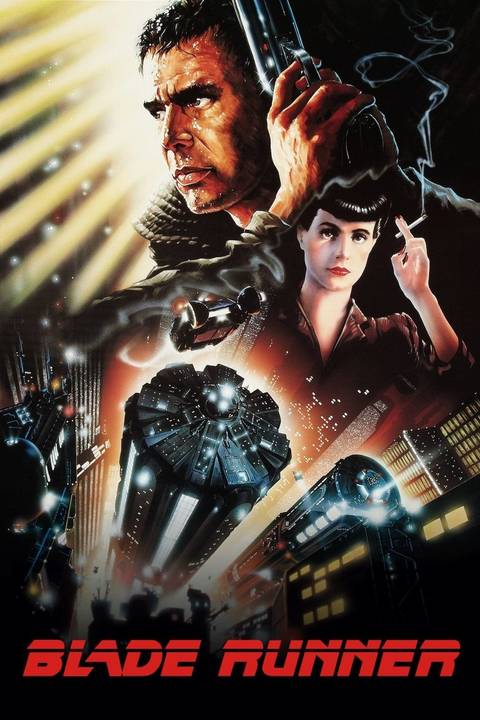
Release Date June 25, 1982
Runtime 118 minutes
Writers David Webb Peoples, Hampton Fancher, Philip K. Dick
Producers Michael Deeley, Run Run Shaw
What's Your Reaction?
 Like
0
Like
0
 Dislike
0
Dislike
0
 Love
0
Love
0
 Funny
0
Funny
0
 Wow
0
Wow
0
 Sad
0
Sad
0
 Angry
0
Angry
0









Comments (0)