

'The Half-Life 2 of AI': Saber executive thinks the controversial tech will create great games someday — but I’m not so sure
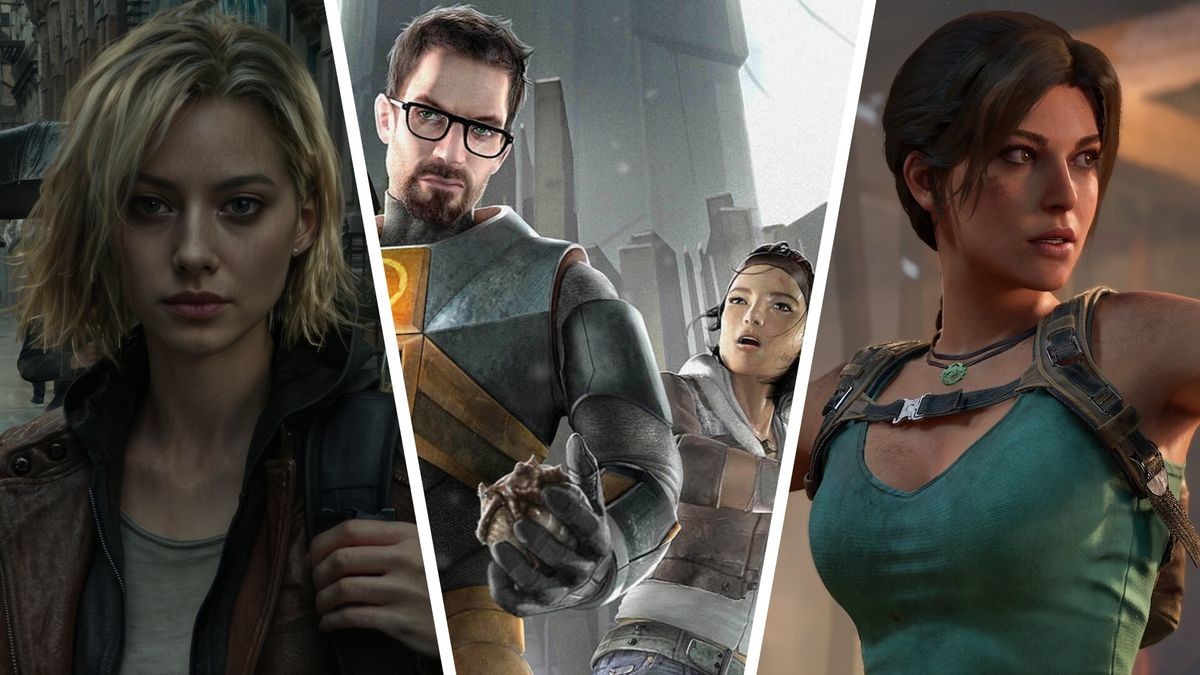
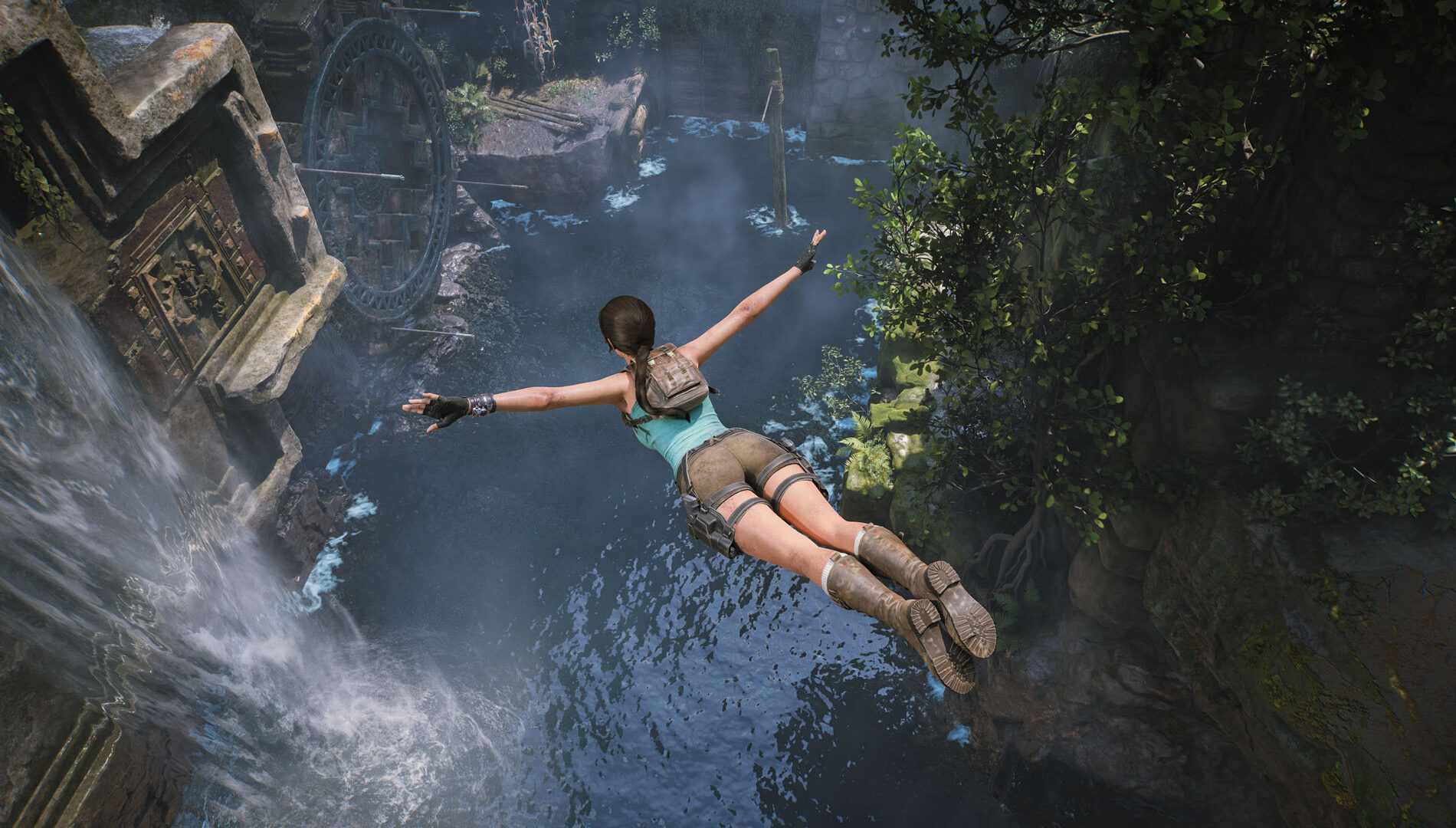
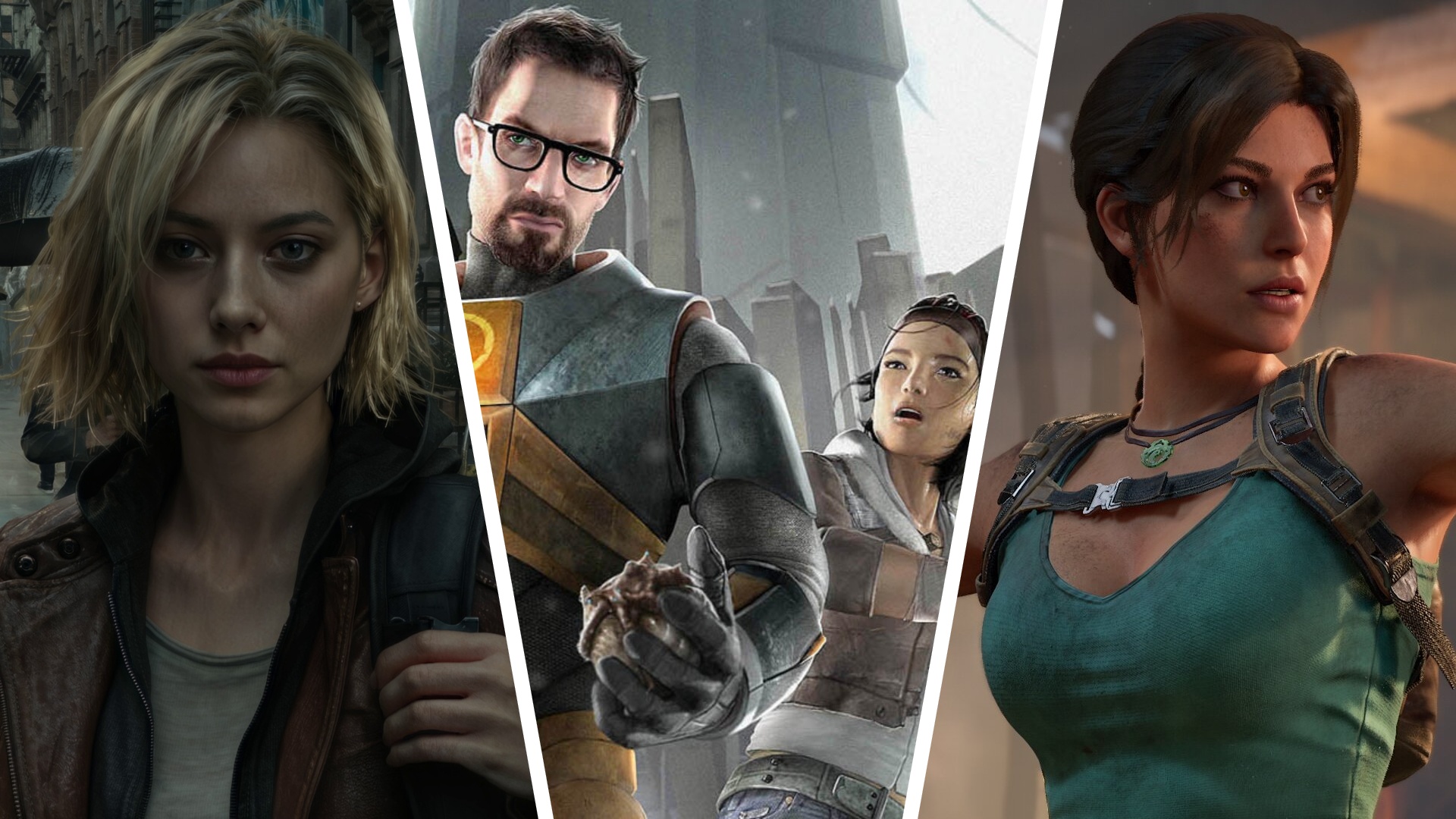 (Image credit: Nvidia / Capcom / Valve / Crystal Dynamics)
I want to talk about Magnus Carlsen. That’s right, the chess genius who even laypeople like me know about because of how good he is. He’s leagues beyond anyone else. You would’ve thought the room for improvement in today’s world would be marginal given the game is over 500 years old, but no: somehow, someone in our lifetime is a streak ahead of any past or current human being.
The thing is, though, he’s not the best chess player. Not even close. That honor goes to Stockfish, the chess computer that’s many, many times better. To put it into perspective, Carlsen’s peak ELO rating — the preeminent ranking system for chess players — is 2,882. Stockfish is estimated to be somewhere between 3,500 and 4,000.
Now, there is a championship exclusively for chess computers, but human players are still the main draw, despite their relative inferiority. Is this because we inherently want to see human endeavors and activities rather than anything involving a computer mind?
All this brings me to the recent comments made by Tim Willits, Chief Creative Officer at Saber Interactive. In a recent interview with Eurogamer, he remained steadfastly bullish about generative AI, a surprising move given the recent controversy stoked by Saber’s CEO Matthew Karch for saying he’d have been happy to replace Stella Sacco, one of the writers on its upcoming title Rideshare "Stimulator", with AI.
Most companies would beat a hasty retreat and enter damage control mode, but not Saber, it seems — Willits claimed that “someone will make something that will change people's minds” about the tech, something like the “Half-Life 2 of AI”.
"Half-Life 2 of AI"
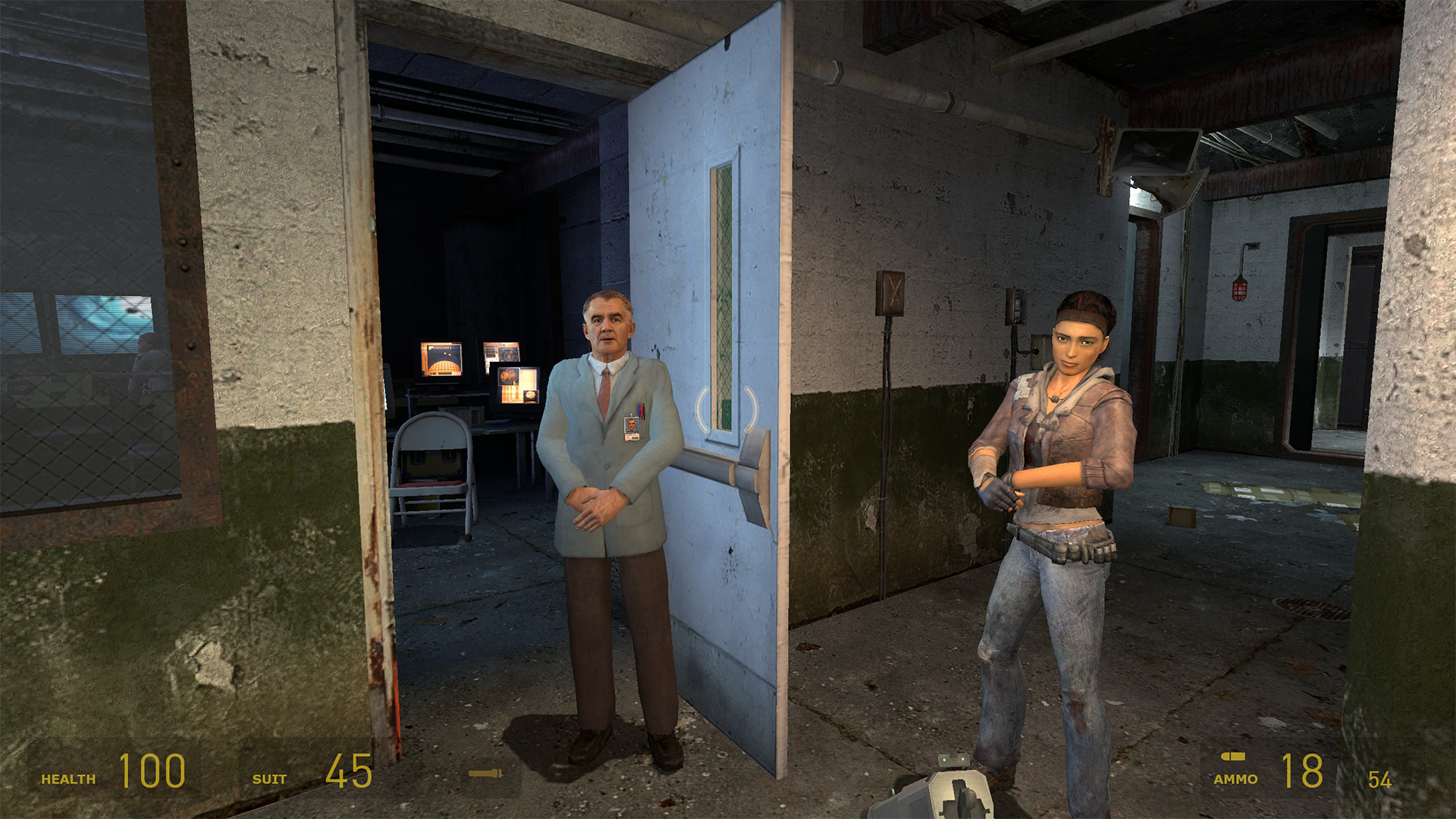
Willits admits that his is a “silly example”, but his point remains that sooner or later, a game made entirely or in large part by AI will be too good for players to pass up, converting the naysayers in the process. But I’m not sure I share his optimism.
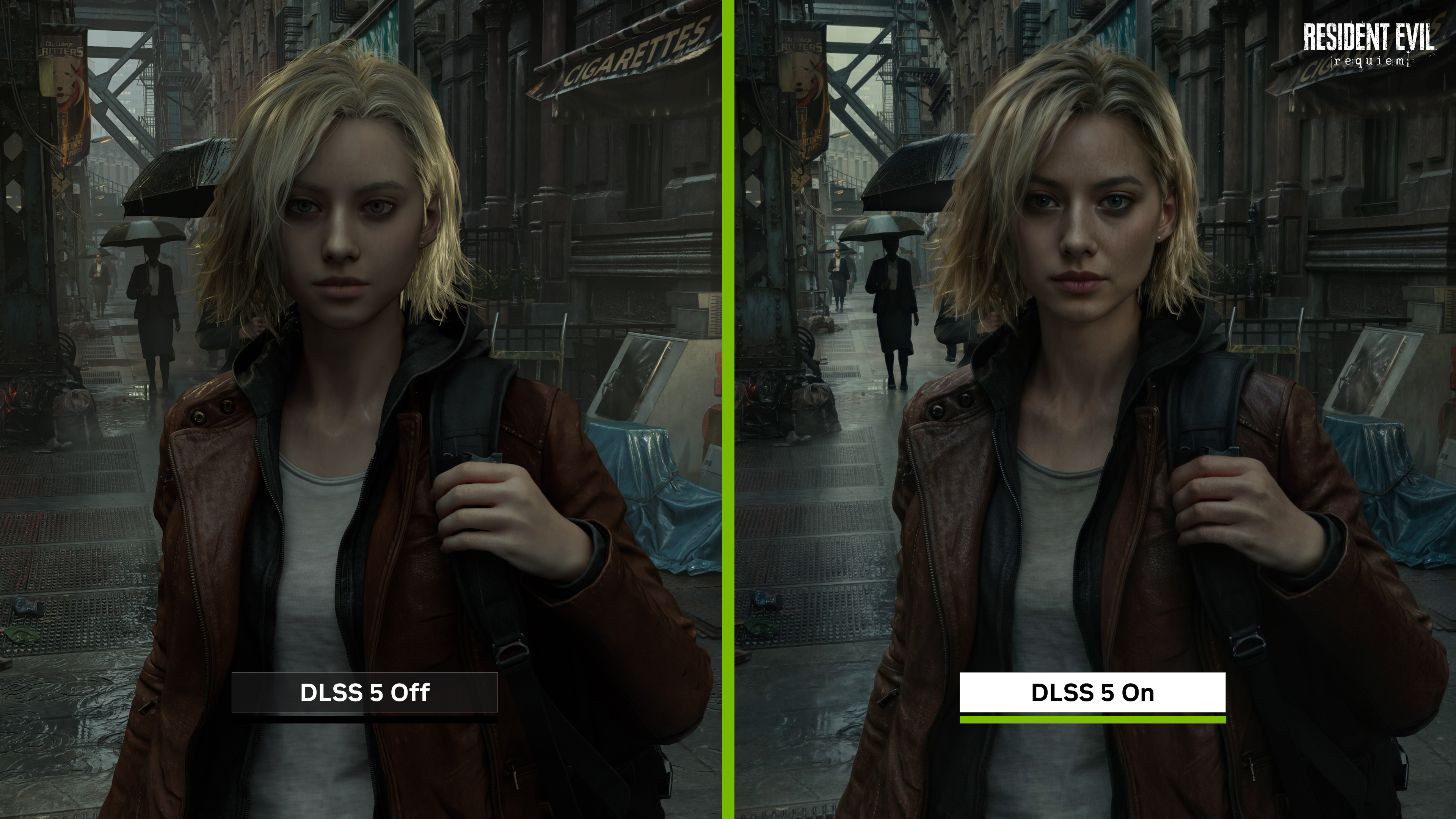
In a short time, AI has already irked gamers to no end. Putting AI slop aside, think of all the high-flying titles it’s negatively impacted: the generated assets in Crimson Desert, DLSS 5’s unsolicited makeover of Resident Evil: Requiem’s Grace Ashcroft, and the gen-AI disclosure of the upcoming Tomb Raider: Legacy of Atlantis (not to mention the uncomfortable moment a vigilant PR interrupted a Game Informer interview with the game’s Experience Director when he was asked about using such tools).
Sign up for breaking news, reviews, opinion, top tech deals, and more.
It's true that as gamers, we’ve had to contend with a lot of unsavory elements in the industry that leave a bad taste in the mouth. From the mass layoffs and treatment of developers to the wider threat it poses to the climate, with discarded components contributing to e-waste and the vast amounts of resources required to produce and power systems and servers.
But AI seems to exacerbate these issues, sending them into overdrive. It has the potential to make even more developers redundant, and the amount of energy required to run such models is scarcely believable, far beyond any consumption hitherto seen in the computing world.
Perhaps this is why AI is touching a nerve with not just gamers, but the general population, and why many are reluctant to play games where it’s been involved?
Putting these concerns aside, though, could AI actually make games as good as Half-Life 2 in the future? In theory, I can see the potential for AI to speed up development, but for now, it seems best at making mistakes and creating soulless art and assets. There’s evidence to suggest that it’s actually slowing down developers, in other industries at least.
Maybe it will get to the point where these issues will be ironed out, and it’ll create astonishingly original and mechanically flawless titles. Heck, DeepMind co-founder Demis Hassibis thinks we’re already in the “foothills of the singularity”, let alone the tech being used to create something as trivial as a decent videogame. In fact, it would be interesting to see Hassibis program a tool for the purpose, given his former life as a dev at Bullfrog and Lionhead.
But let’s imagine it could one day make a bona fide ten-out-of-ten — what would the cost be to devs and the environment? And would we as gamers actually be content to play such a title, or do we inherently want to experience exclusively human endeavors, like watching two people on either side of a chessboard?
I recently polled our readers about their biggest concerns in the games industry. Among the options was the use of gen-AI in game development, but it didn’t rank highly.
It was a long way below the death of physical media — understandable, given the recent news of Sony’s decision to scrap discs, but still a surprise to me. It was also less concerning than the RAM crisis, but more so than layoffs and studio closures.
So here’s another one for you. What do you think about a ‘Half-Life 2 of AI’? Would you play such a game, or steer clear? Or is such a thing a mere pipe dream of Corpos at the big studios? If you want to elaborate on your answers, feel free to comment below, too.
Lewis Maddison is a Reviews Writer for TechRadar. He previously worked as a Staff Writer for our business section, TechRadar Pro, where he gained experience with productivity-enhancing hardware, ranging from keyboards to standing desks. His area of expertise lies in computer peripherals and audio hardware, having spent over a decade exploring the murky depths of both PC building and music production. He also revels in picking up on the finest details and niggles that ultimately make a big difference to the user experience.
What's Your Reaction?
 Like
0
Like
0
 Dislike
0
Dislike
0
 Love
0
Love
0
 Funny
0
Funny
0
 Wow
0
Wow
0
 Sad
0
Sad
0
 Angry
0
Angry
0









Comments (0)