

Trump conditions Saudi nuclear deal on normalization with Israel
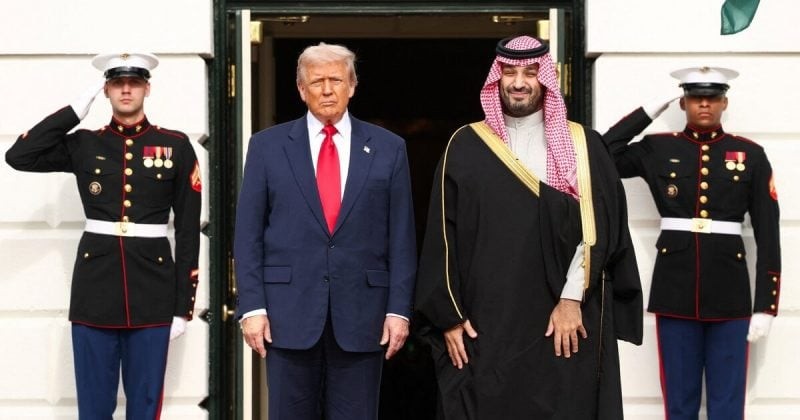
The US and Saudi Arabia signed a civilian nuclear cooperation agreement on July 22, 2026. One day later, President Trump made clear that the ink is mostly decorative unless Saudi Arabia normalizes diplomatic relations with Israel by joining the Abraham Accords.
What the deal actually says
The agreement covers civilian, non-military nuclear cooperation. The framework is comparable to what the UAE already has in place, focused on non-enriched civilian use designed to help Saudi Arabia diversify its energy portfolio.
That diversification push is central to Saudi Arabia’s Vision 2030 program, the kingdom’s ambitious plan to wean its economy off oil dependence.
Israel has raised serious concerns about nuclear proliferation in the region, which led to additional conditions being layered onto the agreement. The deal now requires congressional approval, adding another hurdle to an already obstacle-rich path.
Trump’s insistence on Abraham Accords membership as a prerequisite isn’t exactly coming out of nowhere. The accords were initiated during his first term in 2020, normalizing relations between Israel and several Arab states including the UAE, Bahrain, Sudan, and Morocco.
Saudi officials have historically tied any normalization with Israel to recognition of a Palestinian state.
The diplomatic tightrope
Trump’s gambit is essentially using civilian nuclear technology as leverage to achieve a diplomatic breakthrough. The problem is that Riyadh’s position on Palestine isn’t just diplomatic posturing. It reflects domestic political realities and the kingdom’s role as custodian of Islam’s two holiest cities. Crown Prince Mohammed bin Salman has signaled openness to normalization in the past, but always with the Palestinian statehood caveat firmly attached.
Congress adds another variable. Even if Saudi Arabia were to agree to normalization terms, the deal still needs legislative approval. Proliferation concerns from both sides of the aisle could slow or block the agreement regardless of diplomatic progress on the Israel front.
Israel itself occupies a complicated position here. It broadly supports Saudi normalization but remains deeply uneasy about nuclear technology spreading through the region, even in civilian form.
Disclosure: This article was edited by Editorial Team. For more information on how we create and review content, see our Editorial Policy.
What's Your Reaction?
 Like
0
Like
0
 Dislike
0
Dislike
0
 Love
0
Love
0
 Funny
0
Funny
0
 Wow
0
Wow
0
 Sad
0
Sad
0
 Angry
0
Angry
0










Comments (0)