

US forces redirect 55 vessels and board two in Iran naval blockade, CENTCOM says
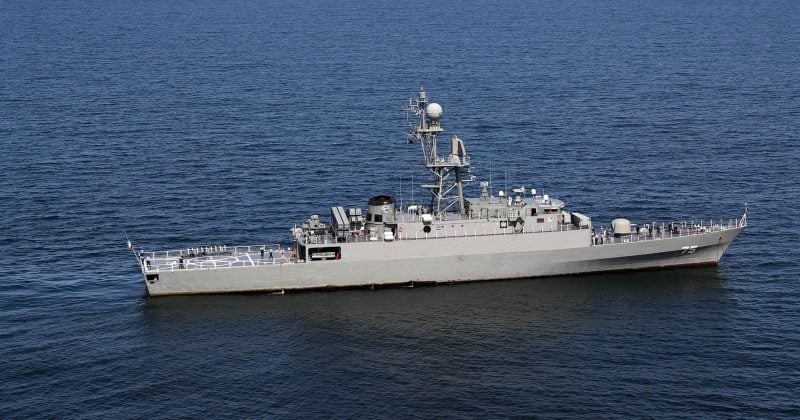
The US military’s naval blockade of Iran is operating at a pace that would make any maritime insurance underwriter very uncomfortable. As of August 9, 2026, US Central Command reported that American forces had redirected 55 commercial vessels, disabled two, and conducted boardings of two others, all as part of an ongoing effort to choke off maritime traffic to and from Iranian ports.
More than 20 US warships, including the USS Ross, are currently deployed to the region to enforce the operation across the Arabian Gulf and Gulf of Oman.
How we got here
The current enforcement phase is actually the second act of a longer campaign. A prior blockade ran from April 13 to June 18, 2026, during which US forces redirected more than 140 vessels and disabled nine. After a pause, operations resumed on July 14.
The tempo since resumption has climbed sharply. On July 25, CENTCOM reported 12 vessels redirected. By August 9, that number had more than quadrupled to 55.
Specific vessels have already felt the consequences of non-compliance. On July 15, US forces disabled the Curaçao-flagged tanker Belma. Nine days later, the Mozambique-flagged Lavine was similarly disabled. On July 25, American personnel boarded the Comoros-flagged Charminar.
The flags of those three vessels tell a story of their own. Curaçao, Mozambique, and Comoros are all so-called open registries, or flag-of-convenience nations, where ship owners register vessels to minimize regulatory scrutiny and costs. Tankers moving sanctioned cargo have historically gravitated toward these registries precisely because oversight is light.
What CENTCOM is actually doing out there
Redirecting a vessel means a warship positions itself near a commercial vessel and compels it to change course away from Iranian ports. Disabling a vessel involves actions that render the ship unable to proceed. Two vessels have been disabled in the current phase, compared to nine during the first phase. When US forces board a vessel, personnel physically come aboard, inspect cargo and documentation, and can detain crew or seize the ship outright. CENTCOM has indicated that non-compliant vessels face interception or capture.
The resumption of enforcement on July 14 followed a pause after a tentative agreement was reported, suggesting the pause was tactical rather than a softening of policy. The escalation from 12 redirections on July 25 to 55 by August 9 indicates the operation is in an expansion phase.
Disclosure: This article was edited by Editorial Team. For more information on how we create and review content, see our Editorial Policy.
What's Your Reaction?
 Like
0
Like
0
 Dislike
0
Dislike
0
 Love
0
Love
0
 Funny
0
Funny
0
 Wow
0
Wow
0
 Sad
0
Sad
0
 Angry
0
Angry
0









Comments (0)