

Viture’s Vonder Glasses Are Meant to Map Your Mind
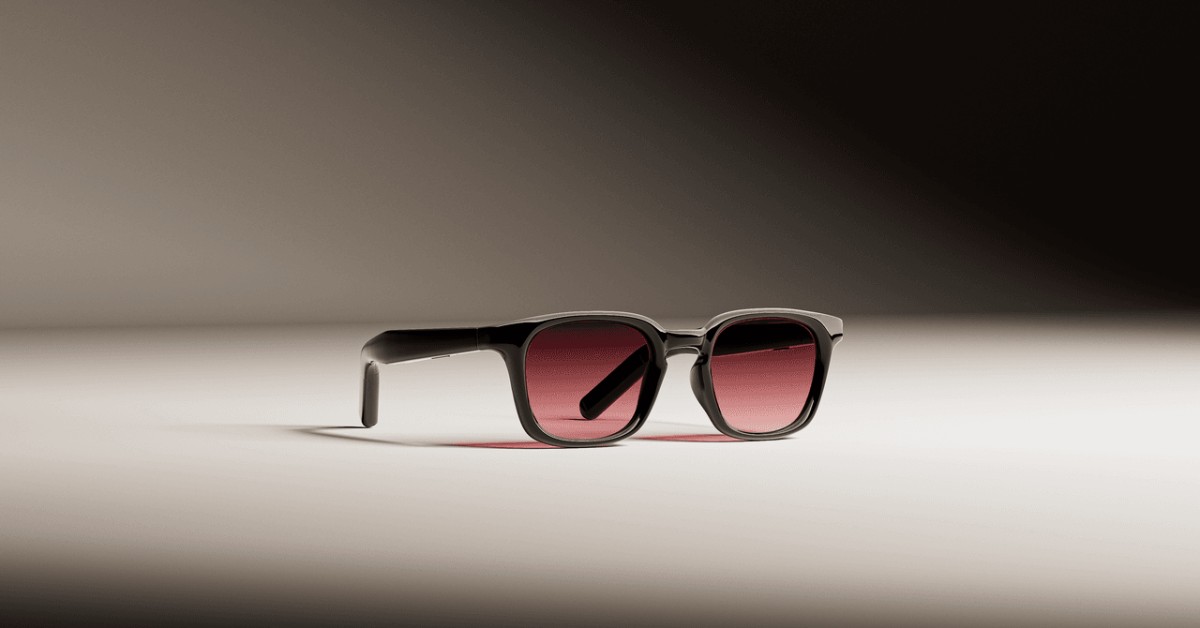
David Jiang, cofounder and CEO of smart glasses company Viture, tells me about how he used to yell at his kid.
His 10-year-old son played tennis. During tournaments, Jiang says he had a habit of shouting and criticizing his son’s mistakes as he played. He wanted to apply pressure to make him succeed—it was the way he’d been taught to raise kids, after all. It made sense.
But then, unprompted, his smart glasses sent him a message. The AI assistant in his company’s newest wearable had picked up on what he was doing, recognized that his behavior wasn’t helpful, and messaged him about what he should do differently. Stop shouting. Stop criticizing. Just be there, be present, and show that you support your son. That worked, Jiang says, and being called out like that has supposedly made him a better father and improved the relationship with his kid, all thanks to his yet-to-be-released Vonder AI glasses.
“I didn't know this until Vonder could find my pattern,” Jiang says. “This is not only a tool that can summarize your life, but also a tool that can help yourself to be a better person.”
Viture, a San Francisco-based company known for its plug-in virtual display glasses, announced its first pair of spectacles with no virtual display on Tuesday. The glasses instead look remarkably like normal glasses, but aim to map out your memories, ideas, and goals and plop them on a digital vision board, all without embedded cameras.
Now co-headquartered in California and Beijing, Viture has made glasses like the Viture One and the Viture Beast—wearable face computers that connect via USB-C cable to a device to project its screen right before your eyes. The company's products have primarily targeted gamers or anyone interested in big-screen entertainment. They work well for that purpose, but their chunky design means they fall short in comfort and fashion.
The new glasses are a bit of a pivot. They're called Vonder, you know, like “wonder” but with a V, and they don't have cameras. The glasses' arms feature mics and speakers that can play music, dictate map directions, and let the wearer make phone calls. Vonder also features a built-in AI assistant that combines the top large language models. It can trigger OpenAI’s ChatGPT, Anthropic’s Claude, Google’s Gemini, or even DeepSeek. Based on the task’s complexity, Vonder AI will source the answer from whichever model is the quickest and most economical.
What's Your Reaction?
 Like
0
Like
0
 Dislike
0
Dislike
0
 Love
0
Love
0
 Funny
0
Funny
0
 Wow
0
Wow
0
 Sad
0
Sad
0
 Angry
0
Angry
0










Comments (0)