

What Is Microbiome Skincare & Should You Be Doing It? A Derm Explains
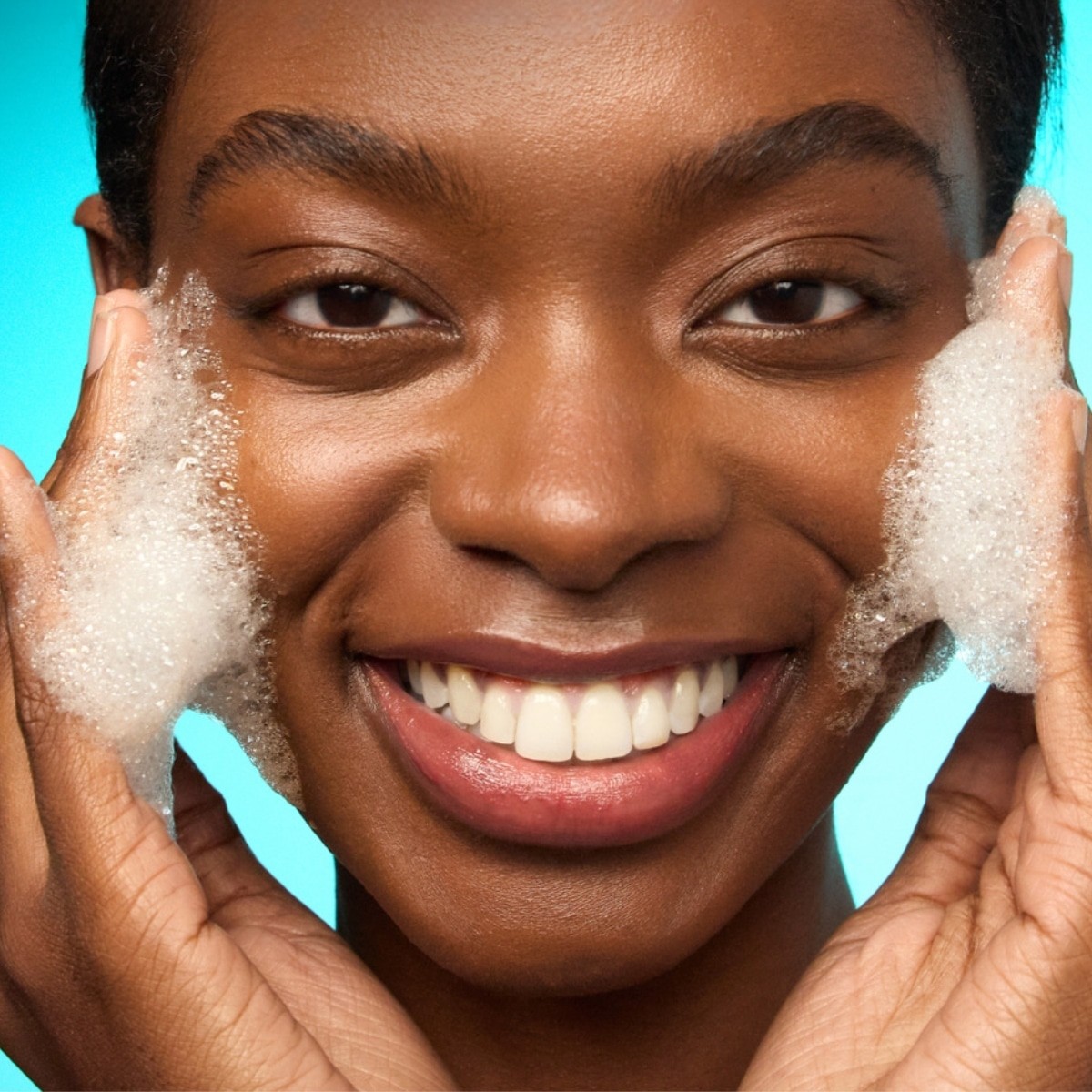
 E! Illustration/TULA
If you've seen microbiome skincare popping up as a topic on your FYP a bit more than usual lately, you're not alone! We were curious too about what exactly it is and if we should be doing it, so we chatted with an expert to learn more.
Dr. Roshini Raj, co-founder of TULA Skincare, chatted exclusively with E! about what microbiome-friendly skincare is, and why this might be the next big trend to get in on early.
- Expert-approved cleanser: TULA The Cult Classic Cleanser
- Peptide-packed moisturizer: Medik8 Total Moisture Daily Facial Cream
- Microbiome-strengthening essence: True Botanicals Microbiome Enzyme Essence
"A healthy, balanced skin microbiome acts as a protective shield, defending against environmental aggressors, calming irritation, and helping to maintain overall skin health," explained Dr. Raj. "Microbiome skincare aims to nurture this community, ensuring the beneficial inhabitants thrive and help keep less desirable ones in check."
Dr. Raj added, "TULA, for example, is well-known for its incorporation of prebiotics and other skin-balancing ingredients in its formulations to truly support and nourish the skin’s microbiome."
For more advice from Dr. Raj and to shop some of our favorite microbiome skincare products (including expert-approved picks), keep reading.
What is microbiome skincare?
"Microbiome skincare refers to products specifically formulated to support the delicate balance of beneficial microorganisms living on our skin's surface. Think of your skin as a bustling city, and these microscopic inhabitants are its diverse citizens," Dr. Raj said.
Who should implement a microbiome skincare routine?
Dr. Raj said "virtually everyone" can benefit from a microbiome-focused skincare routine, but especially anyone with:
- Sensitive skin
- Dryness
- Redness
- Breakouts
- Uneven texture
"Essentially, if your skin feels out of balance, a microbiome-friendly approach can help restore harmony. It's also an excellent preventative strategy for maintaining healthy, resilient skin long-term, much like a healthy diet supports overall well-being," Dr. Raj shared.
TULA Brightening Treatment Drops
Made wtih prebiotics and three types of vitamin C, this serum treatment reduces the look of dark spots, evens tone and brightens dull skin.
True Botanicals Microbiome Enzyme Essence
Active prebiotics and fruit enzymes to deliver plump, dewy skin. Hyaluronic acid ensures your skin won't dry out!
How can prebiotics in skincare help support skin health?
"Prebiotics play an important role in supporting a healthy skin microbiome. They act like fertilizer for the beneficial microorganisms on your skin, allowing them to thrive and outcompete less beneficial ones," Dr. Raj explained.
By feeding these beneficial organisms, prebiotics help:
- Strengthen the skin's natural defenses
- Improve its barrier function
- Reduce inflammation
- Enhance overall resilience
Dr. Raj added, "This leads to skin that looks and feels healthier, calmer, and more balanced. It’s about creating an optimal environment for your skin to flourish."
Dr. Raj recommends starting with: TULA’s Cult Classic Purifying Gel Cleanser and TULA’s 24-7 Moisture Day and Night Cream. These products are formulated with prebiotics and work together to purify and nourish the skin’s microbiome while supporting and strengthening the skin barrier.
TULA The Cult Classic Cleanser
This cleasner removes buildup that's holding you back from getting your glow on. It actively purifies the microbiome without stripping skin or drying you out.
TULA 24-7 Moisture Day and Night Cream
Made with prebiotics, peptides and antioxidants, the brand's bestselling face cream leaves skin plump, glowy and supple.
Is prebiotic skincare beneficial for acne-prone skin?
"Prebiotic skincare can be incredibly beneficial for acne-prone skin," Dr. Raj explained. "Acne often involves an imbalance in the skin microbiome, with certain microbial communities contributing to inflammation and breakouts. By nurturing the beneficial microorganisms with prebiotics, we can help rebalance the skin's ecosystem. This can lead to reduced inflammation, a stronger skin barrier, and a less hospitable environment for acne-triggering organisms."
PCA Skin Acne Control Prebiotic Gel Cleanser
This gel-to-lather cleanser is made with 2% salicylic acid, 1% azelaic acid, 1% niacinamide and triple biotic technology to support skin health. Not only does it treat active breakouts, but it will also prevent future ones.
Murad Biome-Balancing Calm & Recover Cream
Soothing and protective, this balancing cream manages breakout triggers without drying you out thanks to biome-sensing tech, niacinamide and tranexamic acid.
What ingredients should shoppers look for in a microbiome-focused skincare routine?
"When building a microbiome-focused routine, look for ingredients that nourish and support the skin's natural ecosystem," Dr. Raj explained, along with more info on the specifics to look for:
- Prebiotics are key – they act as food for the beneficial inhabitants on your skin, helping them flourish. Ingredients like chicory root extract, colloidal oatmeal, and certain sugars are great examples of prebiotics.
- You also want to look for postbiotics, which are the beneficial byproducts of microbial fermentation and can help soothe and strengthen the skin barrier.
- Ingredients that support a healthy skin barrier, such as ceramides and hyaluronic acid, are also vital, as a strong barrier prevents irritation and helps the microbiome function optimally.
La Roche-Posay Toleriane Double Repair Face Moisturizer
This French pharmacy staple is made for sensitive skin types, with prebiotic benefits for your skin barrier. Plus, ceramides help retain moisture, while niacinamide soothes and restores.
Medik8 Total Moisture Daily Facial Cream
Plump up skin and boost barrier function with this facial cream, made with prebiotic peptides and hyaluronic acid.
Tata Harper Bio-Barrier Serum for Skin Repair
This high-performance serum visibly firms, smooths lines and improves radiance, all while supporting the microbiome against stressors.
Why do we see more prebiotics in skincare compared to probiotics?
"While the idea of applying live probiotics directly to the skin sounds appealing, there are significant challenges with their stability and efficacy in cosmetic formulations," said Dr. Raj.
- Live probiotic cultures are delicate and require specific conditions to survive and remain active in a product.
- Prebiotics are more stable: they are non-living ingredients that selectively feed the beneficial microorganisms already present on your skin.
Dr. Raj continued, "This approach is more practical and effective for long-term skin health, as it empowers your skin's own resident healthy organisms to thrive naturally. It's like giving your existing healthy garden the best nutrients, rather than trying to introduce new, potentially fragile, plants."
Allies of Skin Molecular Saviour Probiotics Treatment Mist
This mist is designed to refresh the skin's microbiome and is especially ideal for acne-prone and dry skin types. 1.5% lactobacillus ferment (a potent probiotic) keeps your skin flora balanced, and strengthens natural defenses.
Biossance Probiotic Gel Lightweight Non-Comedogenic Moisturizer
Made with live probiotics, this lightweight moisturizer is made with sugarcane squalane to lock in hydration without clogging pores.
CLINIQUE Redness Solutions Daily Relief Cream with Microbiome Technology
Ideal for rosacea or sensitive skin types, this probiotic-packed moisturizer helps calm down redness and irritation.
How does the skin microbiome connect with gut health?
"The connection between the gut and skin, often referred to as the 'gut-skin axis,' is a fascinating and increasingly researched area. There's a constant dialogue between the microorganisms in our gut and those on our skin," Dr. Raj said.
"A healthy gut microbiome, rich in diverse and beneficial organisms, can positively influence skin health by reducing systemic inflammation and providing essential nutrients. Conversely, an imbalanced gut can manifest as skin issues. While we apply skincare topically, understanding this internal connection highlights the importance of a holistic approach to skin health, where a balanced diet and gut health support a thriving skin microbiome."
How We Choose
The E! Insider Shop editors and writers search the internet to find the best products out there. We interview expert sources, comb through customer reviews, and use our own personal experiences to make shopping easier for our readers.
As an editorial team, we independently create content and determine coverage based on research, reporting and what we think our readers would like to read about. The goal of our content is to provide a service and inform readers who are on the hunt for the latest products to help make their life better. Items are sold by retailer, not E!. Pricing and availability are accurate as of publish time.
What's Your Reaction?
 Like
0
Like
0
 Dislike
0
Dislike
0
 Love
0
Love
0
 Funny
0
Funny
0
 Wow
0
Wow
0
 Sad
0
Sad
0
 Angry
0
Angry
0











Comments (0)