

Why Wildlife Photographer of the Year winner used an infrared converted Nikon camera
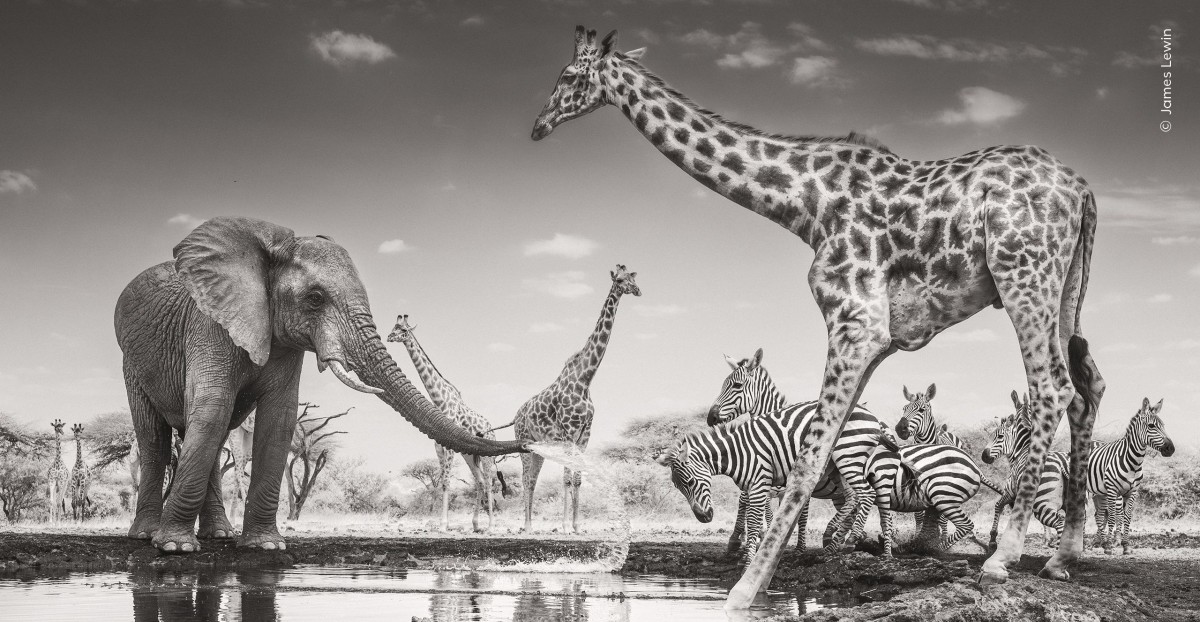
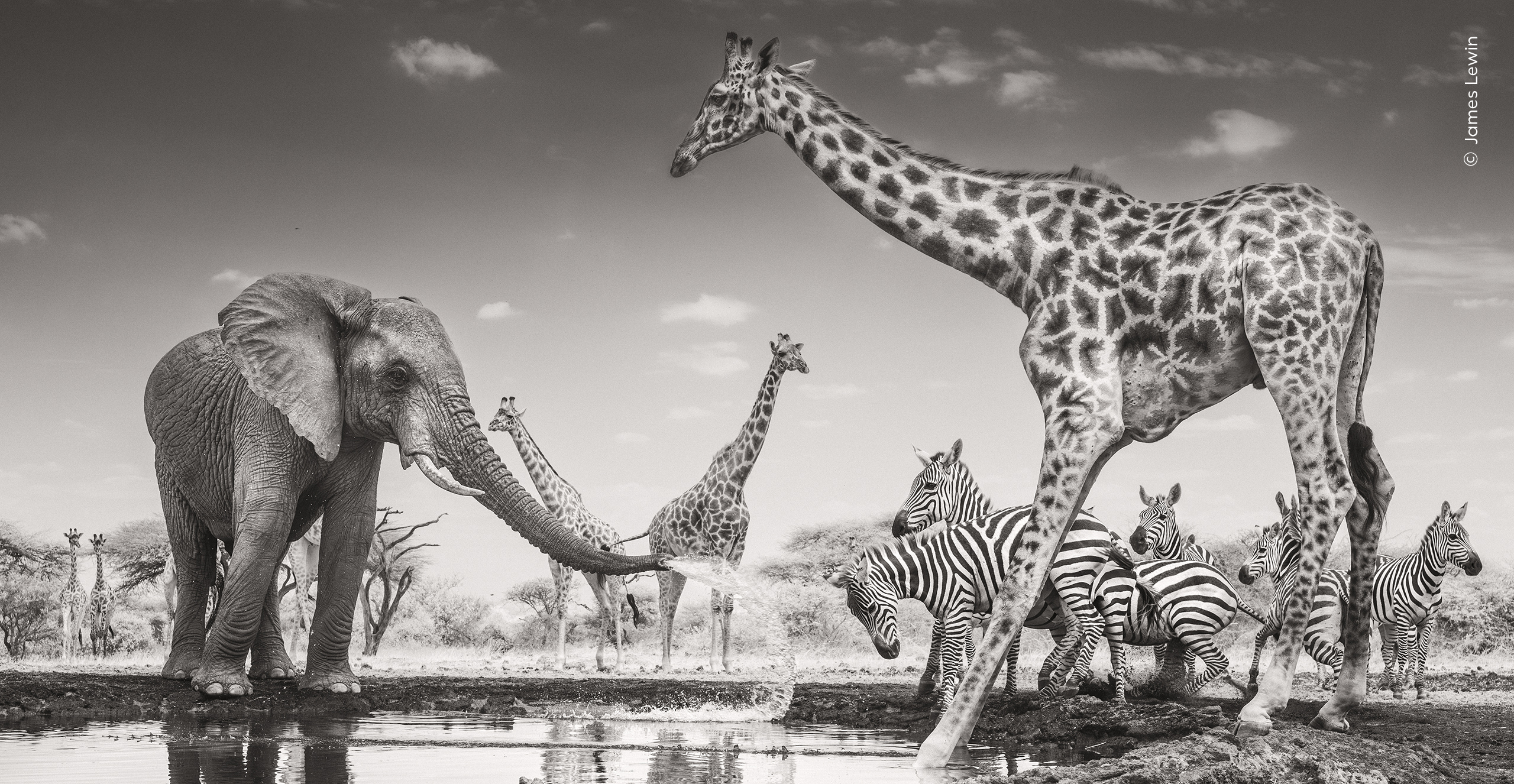 (Image credit: James Lewin (UK) / Wildlife Photographer of the Year)
- Wildlife Photographer of the Year 2026 winners announced
- James Lewin won the Animals in their Environment category
- He used an infrared converted Nikon Z7 II camera and budget lens for his winning shot
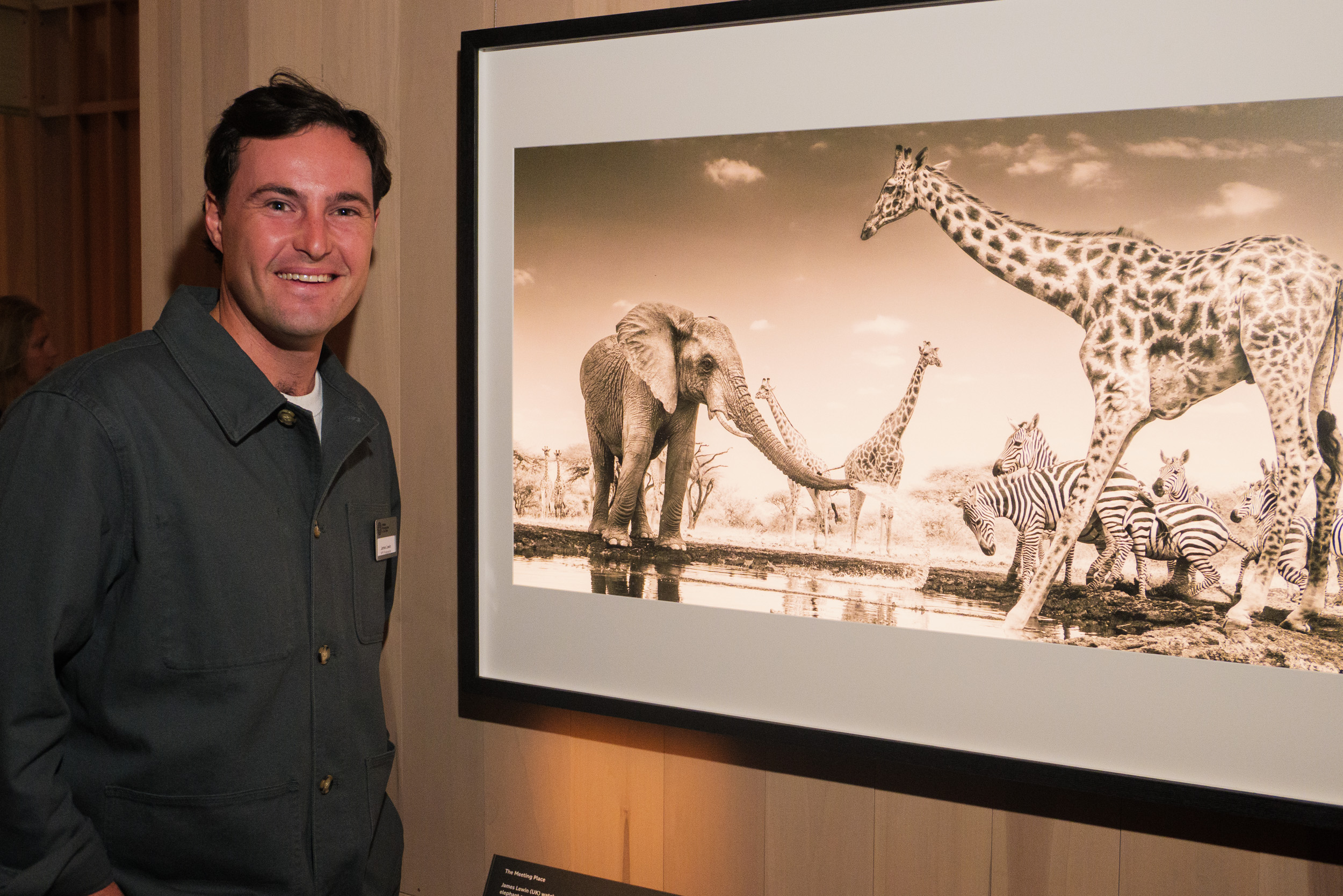
This week I attended the press preview of the Wildlife Photographer of the Year 2026 exhibition at the Natural History Museum, London, where I had the opportunity to absorb the winning photos on display and meet many of the photographers who took them, and discuss their work.
As fortune would have it, I got chatting with James Lewin, winner of the Animals in their Environment category, as we waited to get into the venue. The British photographer lives in Kenya, where he took his winning photo — it's a country I know well, having lived there for years myself, so naturally we hit it off.
We both know the challenges facing outdoor photographers in this region: a sunrise / sunset that's over in minutes, and an all-too-brief period of golden light that's quickly followed by typically harsh, bright sunlight.
Most seasoned photographers focus on this narrow window of best light, leaving most of the rest of the day alone. However, Lewin took advantage of the harsh light by adopting a niche photography genre: infrared. It's an unusual approach for wildlife photography, but with Lewin's infrared-converted camera, it's as the 'worst' light kicks in that the fun really begins...
Why infrared photography?
Lewin was observing from a hide near a waterhole in the Chulu Hills in southern Kenya. During dry season, this location gets incredibly congested, as you can see from Lewin's photo, below.
Working in the middle of the day, under bright sunlight and with strong reflections from the waterhole, his images looking unappealing. That's when he made the decision to switch to his infrared-converted Nikon Z7 II.
Lewin has had his Z7 II permanently converted, switching the camera sensor's regular filter with a dedicated 720nm infrared filter (monochrome), which accepts part of the spectrum of light that's invisible to the human eye.
Sign up for breaking news, reviews, opinion, top tech deals, and more.
"There would have been no image without it [infrared photography]", he told me. But with it "the skies become more dramatic, the plants reflect infrared light, and you get an otherworldly atmosphere and beautifully soft scene that you cannot produce with a regular camera. It feels more timeless."
Infrared photography warnings
Lewin shared with me a couple of warnings for infrared photography newbies. "If it's beautiful light, don't use an infrared camera because you get all kinds of weird artifacts across the across the image." Nor would he use this gear for, say, a closeup portrait of a lion — the eyes can appear particularly spooky.
He also discovered that some of the latest pro lenses, which he had spent a lot of money on, weren't suitable for infrared. Like many of Nikon's newest lenses, his pricey 24-70mm f/2.8 has protective coatings that reduce things like flare and ghosting, but disturb infrared light.
"You have to go back to having an entirely different set of inexpensive, old lenses that create beautiful infrared images, because they haven't got all of these fancy lens coatings." Indeed, James used a budget friendly 28-75mm f/2.8 for his winning shot.
TechRadar's News Editor Mark Wilson has previously unpacked converting his Fujifilm X-T3 for infrared, and in the process also discovered which Fujifilm lenses were (and weren't) suitable for infrared — you'll need to do the same for your camera system if it's a technique you'd like to try.
A cost-effective alternative to permanently converting a camera is to use a threaded infrared lens filter. However, such filters (combined with a camera's regular sensor filter) reduce light intake to such a degree that a slow shutter speed is required for an accurate exposure, which wouldn't have worked for James' comical photo of the young bull elephant spraying the zebra and giraffe with water. An infrared-converted camera, on the other hand, allowed him to "work at a fast shutter speed, and so to be able to freeze that motion and the water coming out the elephant's trunk".
Traditionally, photographers on safari look for their subjects in the golden hour, and if you haven't found a subject, you'd be waiting until evening to start photographing again. Infrared, however, says Lewin, "opens up a whole new opportunity — when the [best] light is gone [in the morning], that's just the beginning".
Lewin's winning photo is on display at the Wildlife Photographer of the Year exhibition, which is open to the public from 16 October 2026 until July 11 2027 and it's well worth a visit. Tickets can be purchased on the Natural History Museum site with prices starting at £8.50 (child) / £13.60 (concession) / £17 (adult).
Wildlife Photographer of the Year is developed and produced by the Natural History Museum, London. This year's 'Wildlife Photographer of the Year Portfolio 36' book was published on October 14 and costs £28.

Follow TechRadar on Google News and add us as a preferred source to get our expert news, reviews, and opinion in your feeds.
Tim joined the TechRadar team as Cameras Editor in 2023 and has enjoyed more than 15 years as a tech journalist specializing in camera gear. He's previously worked at Amateur Photographer, for a photo accessory manufacturer and as a freelance photographer and video producer, with clients including Studio 44 and Canon. He also started a media team in Nairobi, Kenya, where he lived for a few years volunteering for a faith-based organisation. Tim is married, father of three children, and loves being active, primarily running since hanging up his football boots.
What's Your Reaction?
 Like
0
Like
0
 Dislike
0
Dislike
0
 Love
0
Love
0
 Funny
0
Funny
0
 Wow
0
Wow
0
 Sad
0
Sad
0
 Angry
0
Angry
0










Comments (0)