

Why Your Fast Camera Is Making Your Photos Worse
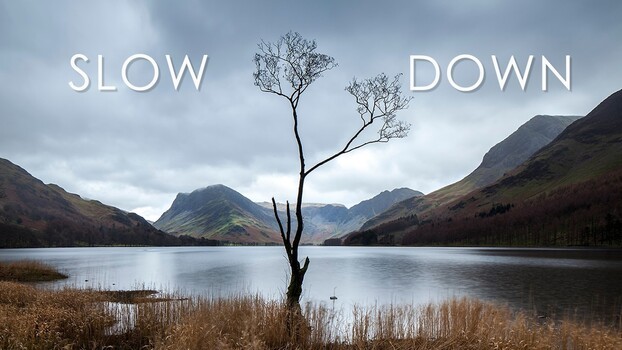
Modern cameras shoot at 30 frames per second, focus faster than your eye can follow, and stabilize by five or six stops, and all of that speed may be quietly ruining your pictures. The fix has nothing to do with buying more gear and everything to do with pace.
That argument comes from Craig Roberts, who makes a blunt case that most photographers rush their work and lean on technology to cover for it. Roberts points out that firing off a dozen frames and picking the best one later feels efficient, but it trades away the care that makes a single image worth keeping. Autofocus can be fast and still wrong, since predictive tracking and subject detection sometimes lock onto the wrong point. His answer is to shoot one frame, made with attention, instead of a burst you sort through afterward.
The heart of the video is the tripod, though not in the way you'd expect. Roberts admits he owns several and no longer uses any of them, letting them gather dust in his office. What he valued most about the tripod was never the stability. It was the way setting it up forced him to slow down, sometimes spending 15 minutes or an hour on a single scene, leveling the head, choosing settings, focusing by hand, and composing with care. He now carries that same deliberate pace without the tripod, leaning on in-body stabilization while keeping the mindset intact. He calls it being the tripod, a virtual one you carry in your head.
As cameras absorb more of the technical decisions through faster processors, AI subject recognition, and computational tricks, the friction that used to slow you down has mostly disappeared. Older tools like large-format cameras, manual focus, and heavy tripods made deliberation unavoidable. When the gear no longer imposes patience, you have to supply it yourself. Roberts' exercise is one practical way to rebuild that muscle: pick a habit that adds a small, intentional delay before the shutter fires. The tripod is just a convenient trigger for it, and once the habit sticks, the physical object becomes optional.
If your own tripod has been standing in a corner untouched, Roberts closes with a simple challenge you can try on your next outing, and the video above walks you through exactly how he wants you to do it.
What's Your Reaction?
 Like
0
Like
0
 Dislike
0
Dislike
0
 Love
0
Love
0
 Funny
0
Funny
0
 Wow
0
Wow
0
 Sad
0
Sad
0
 Angry
0
Angry
0





Comments (0)