

10 Perfectly Directed Fantasy Movies That Are Rightly Considered Classics
The best fantasy movie classics make impossible places feel like somewhere you could actually visit. That takes more than an impressive creature or elaborate sets. The way a director frames a character, builds a location, controls the pacing of scenes, or lets a practical effect sit in the frame can completely change how believable that world feels.
That is what makes these movies stand out as classics. Their directors knew when to fill the frame with detail and when to pull back, when a spectacular sequence needed to dominate the screen and when a quieter character moment would say more. Even after multiple viewings, these choices are still easy to spot, whether it is a perfectly timed camera movement, a strange creature in the background, or a location that tells you something about their characters before they say a word.
10 Spirited Away (2001)
Directed by Hayao Miyazaki
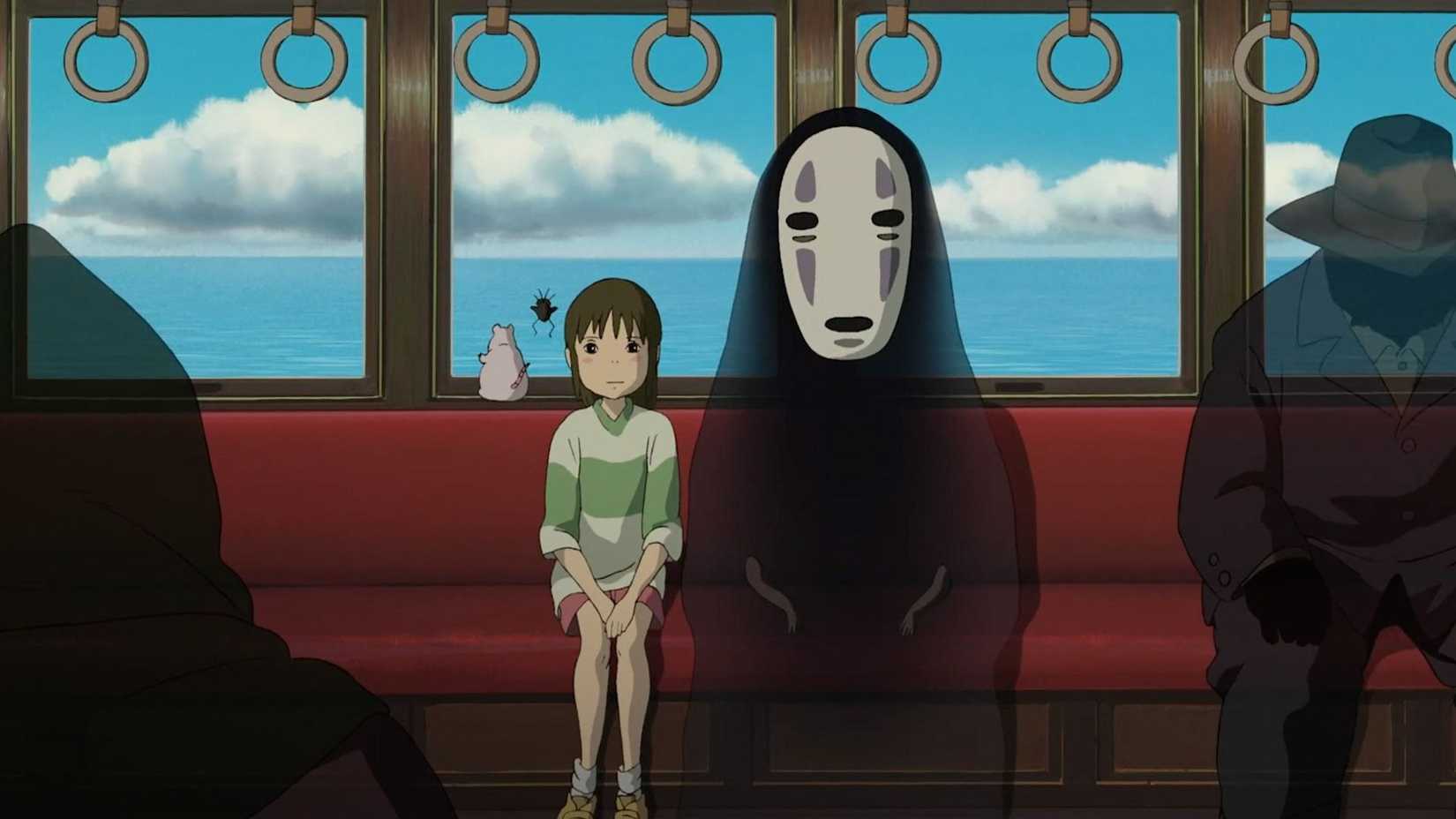
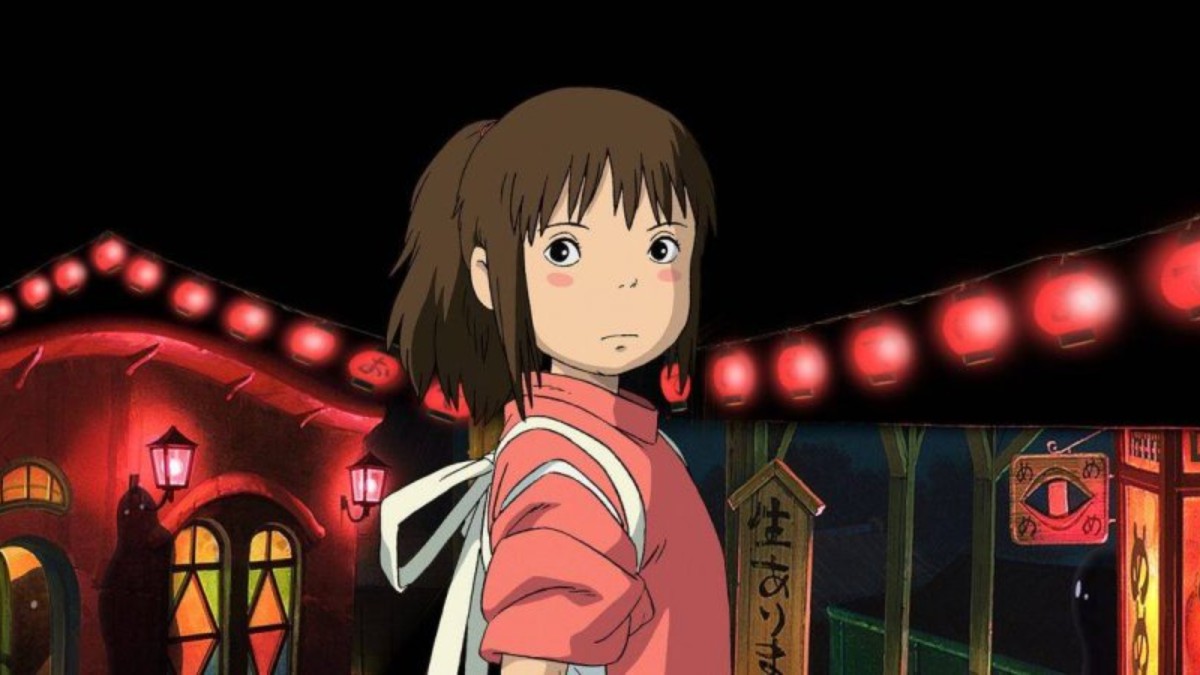
Hayao Miyazaki fills Spirited Away with such rich details that make the spirit world feel like it existed before Chihiro arrived. The bathhouse is especially full of smaller details to catch viewers' eyes. Workers rush through cramped corridors, spirits come and go, and even the background is constantly busy. Miyazaki rarely stops to explain everything, which makes Chihiro's confusion feel understandable.
He also allows room for the film to slow down. The train ride with No-Face is almost silent, and barely advances the plot. Yet, it is one of the most memorable scenes. Chihiro's growth works in the same way. Miyazaki lets her become braver through what she does rather than having the character announce she has changed.
9 The Dark Crystal (1982)
Directed by Jim Henson and Frank Oz
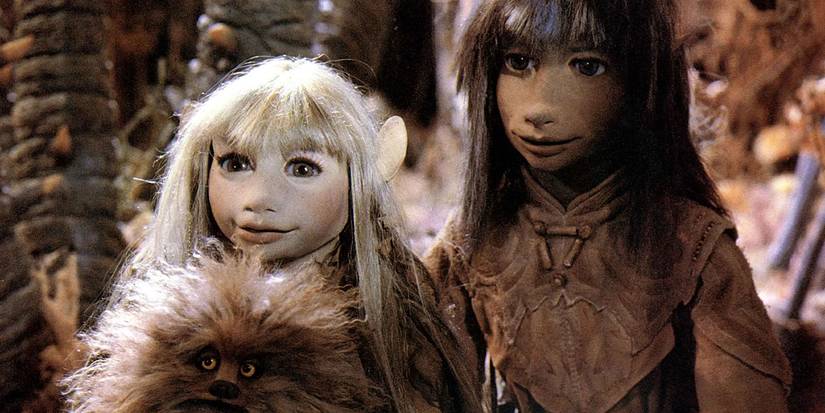
Jim Henson and Frank Oz made an unusual choice with The Dark Crystal being that there are no human characters to anchor the audience. Instead, the entire world is populated by puppets, from the gentle Mystics and Gelflings to the grotesque Skeksis. Each group has its own characteristics in movement and mannerisms. Thra feels like a place with different cultures existing among each other, rather than a collection of creatures thrown together.
The puppetry is treated very seriously by the directors. The cameras give the creatures space to move through the detailed sets instead of constantly cutting around the fact that they are puppets. Brian Froud's designs, the dim lighting, and the Skeksis' exaggerated movements give the movie an eerie fairytale quality that sets it apart from similar films of the time.
8 Beauty and the Beast (1991)
Directed by Gary Trousdale and Kirk Wise
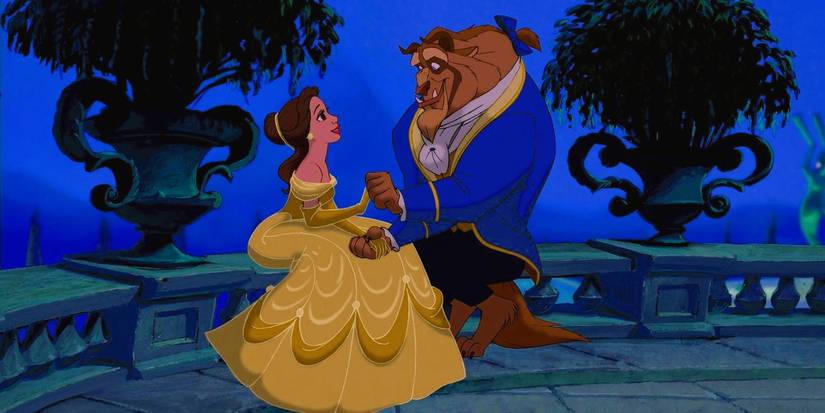 Image via Walt Disney Studios Motion Pictures
In Beauty and the Beast, Gary Trousdale and Kirk Wise use the Beast's castle to track how Belle's feelings change. When she first arrives, the rooms are huge, dark, and intimidating, with Belle often looking tiny against the castle's walls and staircases. By the time she and Beast are dancing in the ballroom, the same room feels completely different. The camera pulls back and circles as they move across the floor, making the room feel much more grand without making either character seem lost in it.
The ballroom scene is one of the film's best examples of Disney using technology to strengthen the direction. Trousdale and Wise used computer-generated backgrounds to move the camera around Bell and the Beast in a way that would have been difficult to pull off with traditional animation alone. More importantly, the shot follows their movements and lingers on their faces, letting the awkwardness between them gradually give way to something much more comfortable between the two.
7 Coraline (2009)
Directed by Henry Selick
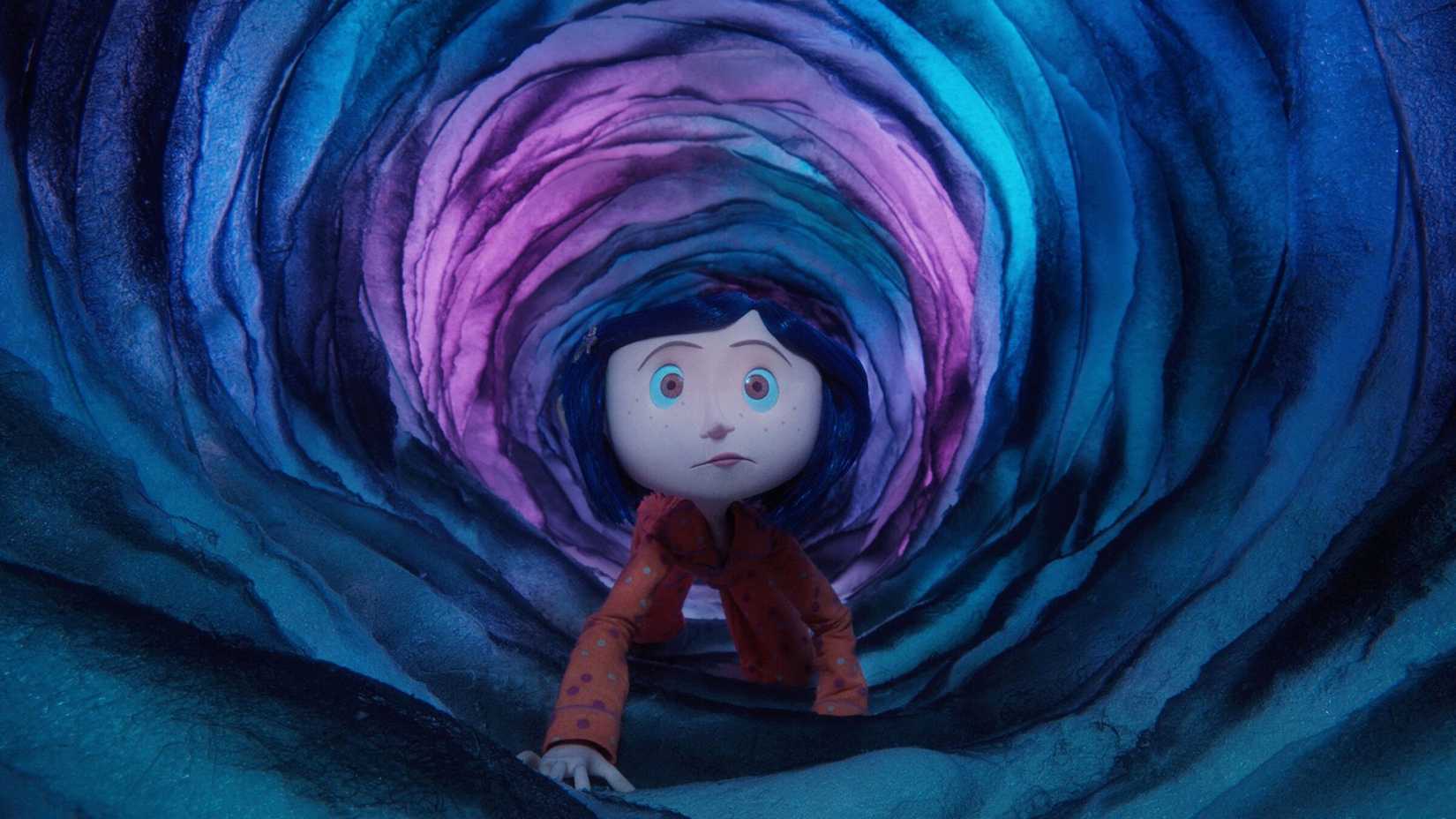
Henry Selick makes Coraline's Other World tempting before he makes it frightening. The Other Mother cooks enormous meals, Other Father puts on elaborate performances, and the garden is shaped like Coraline's face. It is brighter and more exciting than Coraline's real home, so her decision to keep returning makes perfect sense.
Over the course of the film, details begin to change. Selick makes choices to have button eyes become disturbing, Other Mother becomes increasingly controlling, and the colorful world begins to cave in on itself. The stop-motion animation makes those changes so effective because the filmmakers built so much of the world by hand. Coraline's tiny knitted clothes, miniature future, houses, and food give the film such a distinct look and feel that CGI could not replicate. Selick makes that shift believable, turning the Other World from exciting to deeply wrong without ever making it something you can look away from.
6 The Princess Bride (1987)
Directed by Rob Reiner
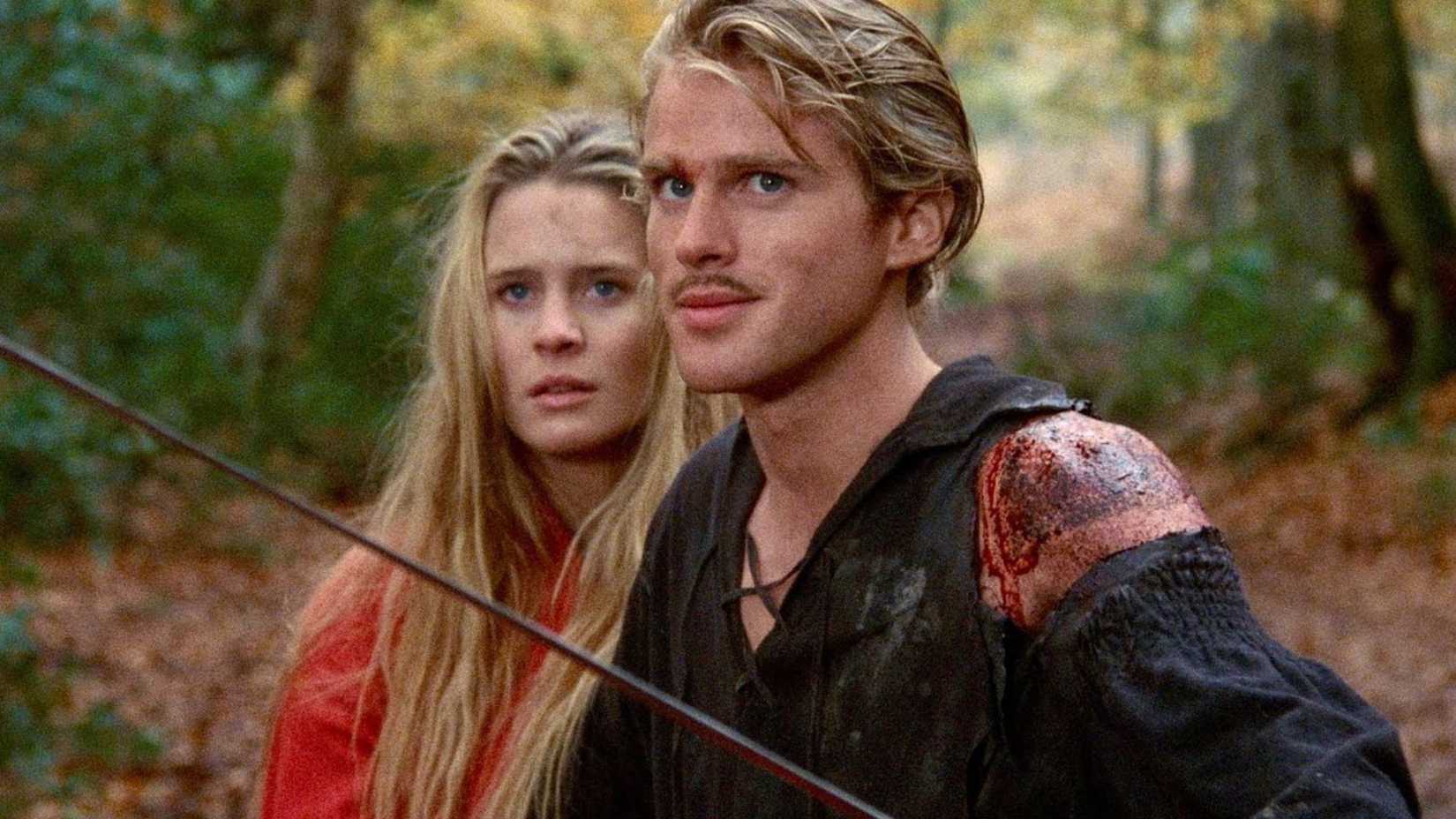
Rob Reiner gets the tone of The Princess Bride exactly right by letting the movie play its fairytale moments straight before undercutting them at just the right time. Westley and Buttercup's reunion is played as a genuine romantic moment, only for Westley to keep answering her with "As you wish." The sword fights also carry that timing. Westley and Inigo take their duels seriously, discussing fencing styles as they fight, while the scene still leaves plenty of room for jokes and jabs about their skill.
Reiner handled the casting of The Princess Bride with the same care. Cary Elwes, plays Westley with a straight-faced confidence that makes his jokes land, while Mandy Patinkin never plays Inigo's search for his father's killer as a joke. Andre the Giant's Fezzik gets some of the film's funniest lines, but Reiner also lets him be gentle and sincere. Those choices keep the comedy from ruining the romance or adventure, and vice versa.
5 Harry Potter and the Prisoner of Azkaban (2004)
Directed by Alfonso Cuarón
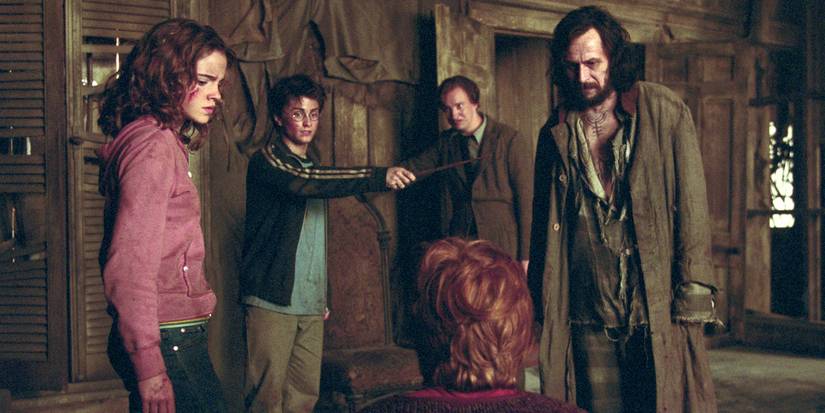
Alfonso Cuarón immediately gave Harry Potter and the Prisoner of Azkaban a different look and feel compared to the previous films. Harry, Ron, and Hermione spend more time in ordinary clothes, Hogwarts looks worn and muddy, and the weather is often miserable. The castle feels less like a perfect movie set, and more like an old school where students have been living for centuries.
Cuarón also continued finding ways to stage the darker materials. The Dementors make their first appearance on the Hogwarts Express, then return during a Quidditch match as the sky suddenly darkens. Smaller choices help with the directoral direction. Remus Lupin's battered clothes, the strange movements of the Whomping Willow and Buckbeak's awkward walk give the movie plenty of personality between its larger sequences. Those choices are a big reason Prisoner of Azkaban has held up as one of the franchise's strongest films. Cuarón gave the series a visual style of its own, and it still looks and feels distinct more than 20 years later.
4 Who Framed Roger Rabbit (1988)
Directed by Robert Zemeckis
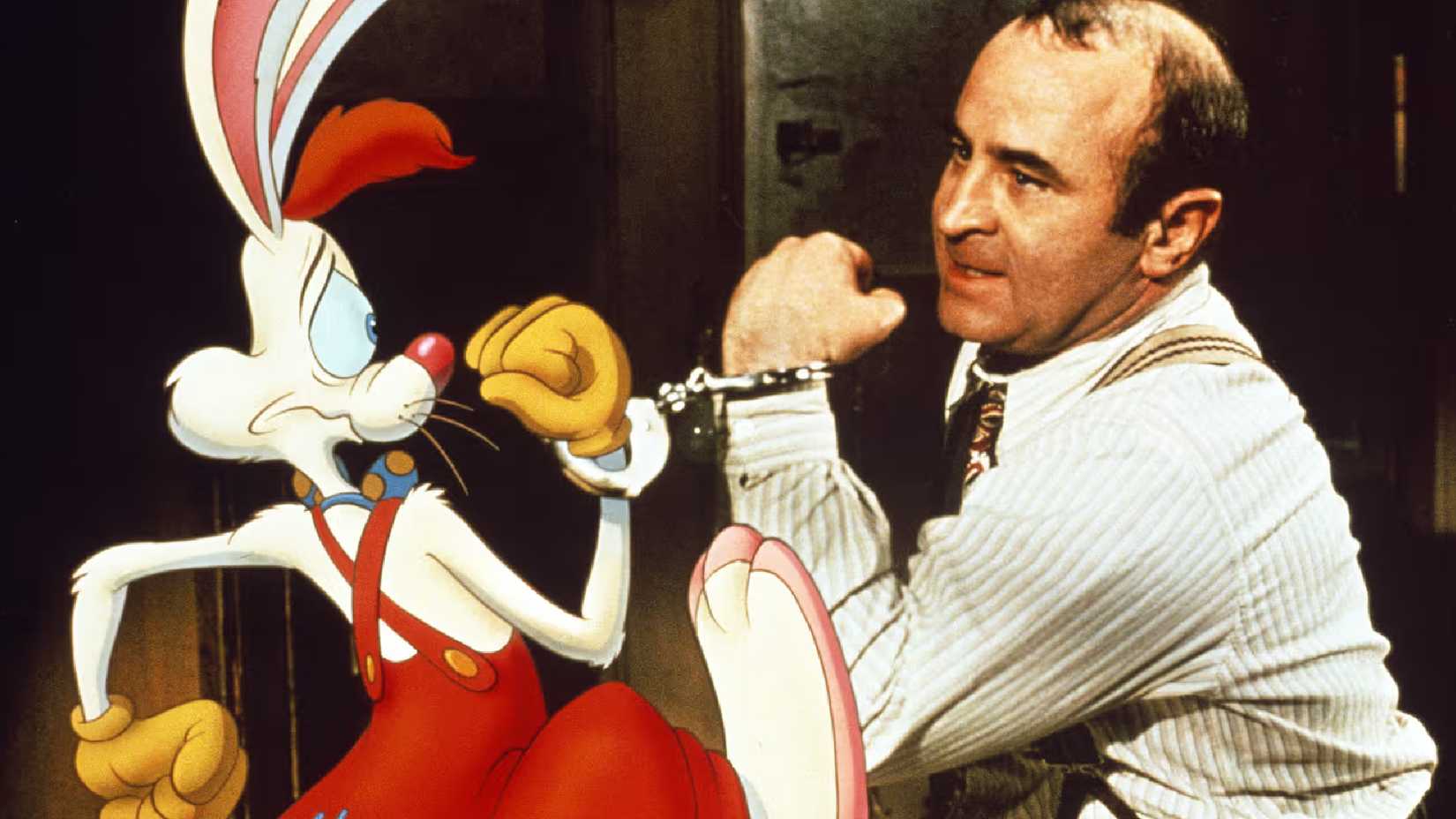
Robert Zemeckis makes the mix of animation and live action in Who Framed Roger Rabbit feel almost impossible to pull off. Roger picks up real objects, interacts with Bob Hoskins, casts shadows, and moves through the same spaces as the human actors. Zemeckis moves the camera with him, too, so Roger never once feels pasted onto a live-action scene. The Toontown chase shows just how much work went into making the two styles line up.
Zemeckis is just as careful with the films tone. The movie can jump from cartoonish gags to a noir mystery, and then into something genuinely disturbing when Judge Doom appears. Who Framed Roger Rabbit feels so unlike anything else, which makes it such a classic.
3 Pan's Labyrinth (2006)
Directed by Guillermo del Toro
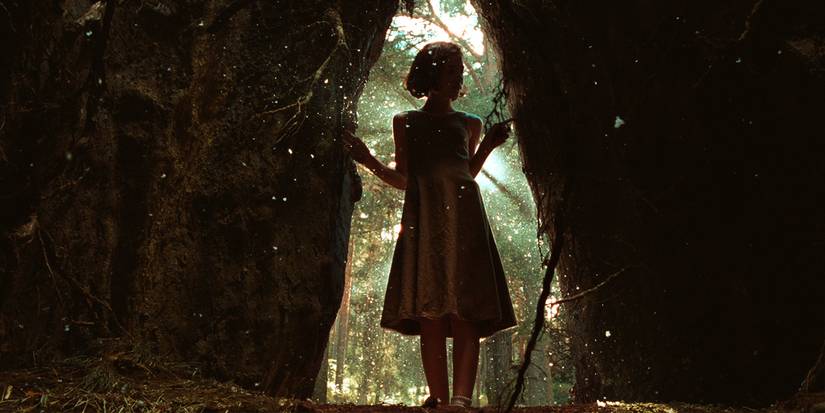
Guillermo del Toro deliveratly puts the fantasy and reality of Pan's Labyrinth side by side. Ofelia can escape the violence of Captain Vidal's home by entering the labyrinth, only to find another kind of danger waiting for her. Del Toro gives both worlds the same weight, so the fantasy never feels like a simple escape.
Del Toro's direction is very strong with the creature scenes. The faun emerges slowly from the shadows when Ofelia first meets him, while the Pale man sits completely still before suddenly signaling they are a thread. Del Toro also relies on practical effects, giving these creatures an actual physical presence that makes the shots more unsettling. Those choices are a huge reason why this film is such a classic.
2 The Seventh Seal (1957)
Directed by Ingmar Bergman
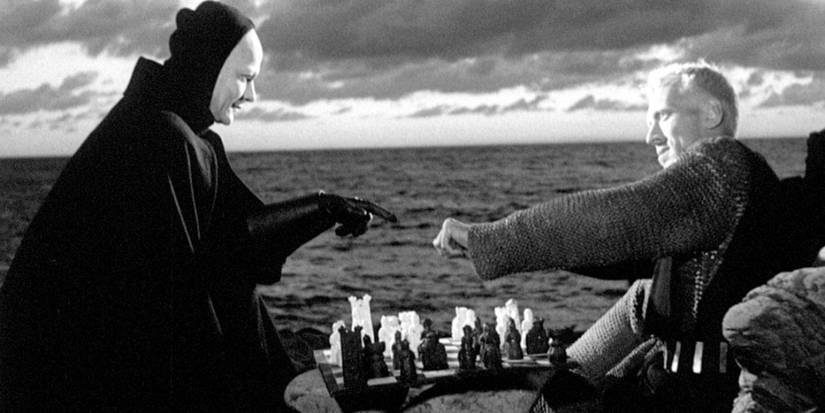
Ingmar Bergman opens The Seventh Seal with one of cinema's most memorable fantasy scenes, a medieval knight playing chess with Death. The stark black and white photography makes Death's pale face and dark cloak stand out against the bleak landscape, while Bergman plays the encounter completely straight.
He also gives the film's supernatural premise a humanistic approach with its characters. Jöns is blunt and cynical, while Jof and Mia bring warmth and humor that contrast with Antonius Block's search for meaning. There is a lot of strange imagery in this film that relates directly to the characters' fears, which is what makes The Seventh Seal feel as powerful now as it did back in 1957.
1 The Lord of the Rings: The Fellowship of the Ring (2001)
Directed by Peter Jackson
 Credit: MovieStillsDB
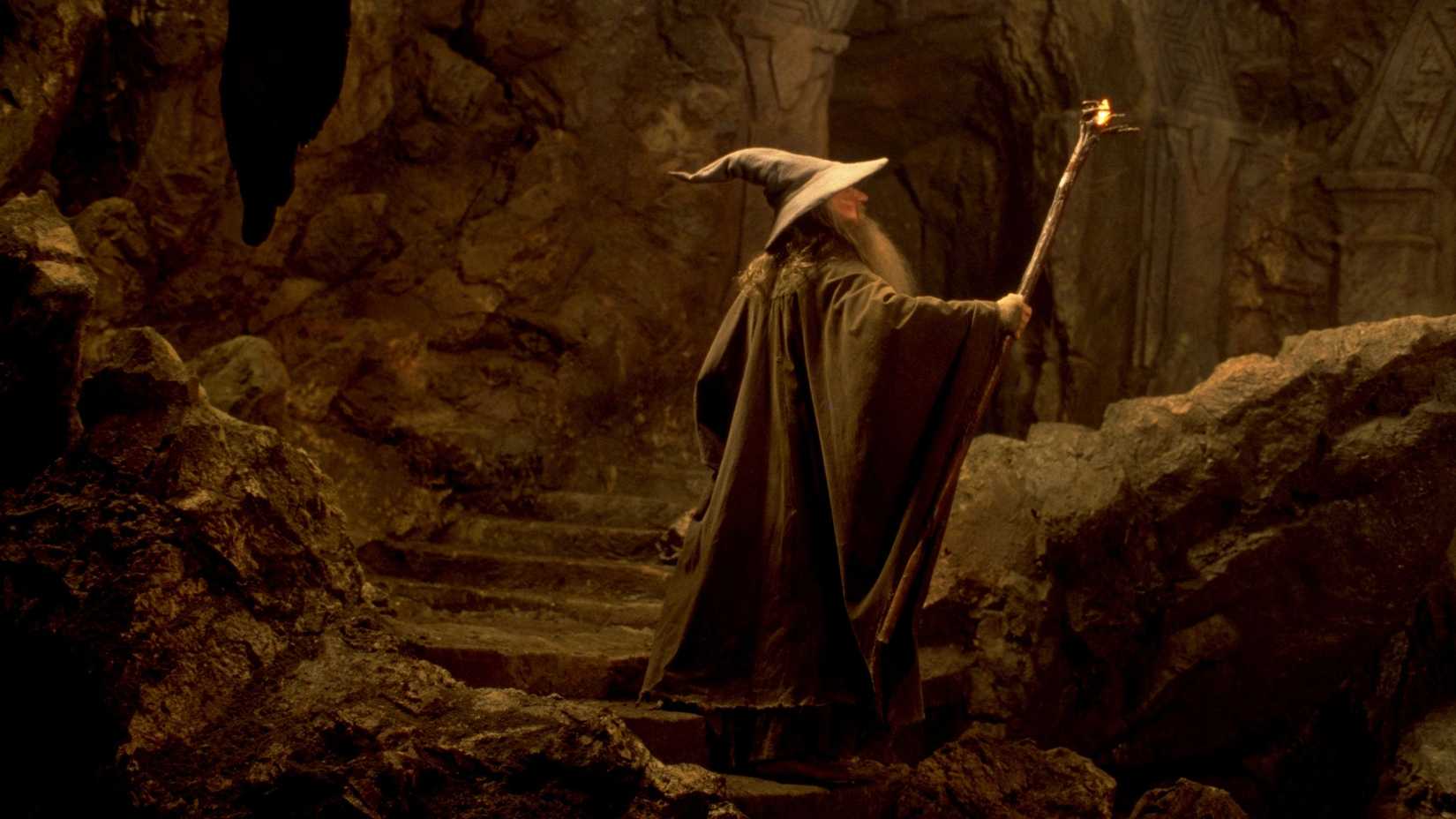
Peter Jackson makes Middle-earth feel huge without making it feel empty. The Shire is warm, green, and lived-in while everything changes once Frodo leaves home. The costumes, buildings, languages, weapons, and even the ruined halls of Moria make it easy to believe these places have their own histories.
Jackson is just as good at the quieter scenes. The Council of Elrond is mostly people arguing about what to do with the Ring, but the close-ups let you see every reaction around the room. The build to Gandolf's fight with Balrog having such a wide mix of character moments and huge set pieces is also a huge reason why The Fellowship of the Ring still holds up as a great fantasy movie classic.
What's Your Reaction?
 Like
0
Like
0
 Dislike
0
Dislike
0
 Love
0
Love
0
 Funny
0
Funny
0
 Wow
0
Wow
0
 Sad
0
Sad
0
 Angry
0
Angry
0





Comments (0)