

10 War Movies With The Most Realistic Combat, Ranked
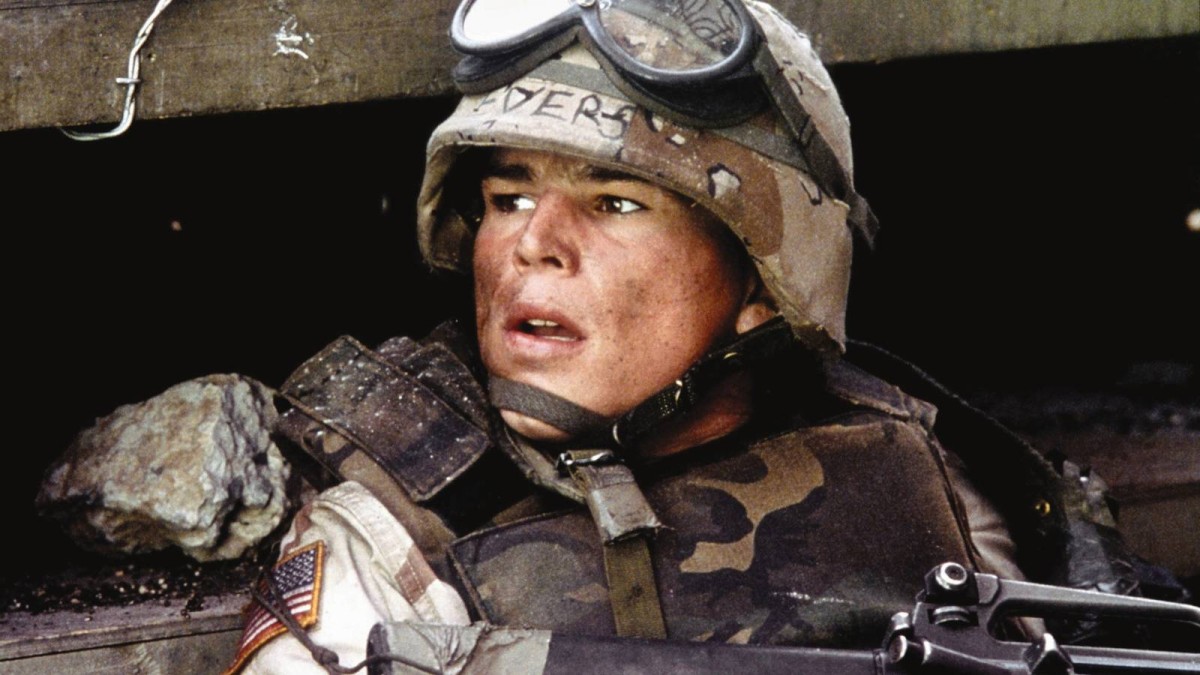
Hollywood has been making war movies for over a century now, and in some cases the movies come out while the wars are still ongoing. In most cases, these are antiwar movies, stories that look at the horrors of war and the brutal nature of combat, where allies often die in the blink of an eye. There are some war movies that neuter the conflict and, in other cases, dramatize it, but the best war movies make it as realistic as possible.
Some of the best war movies with realistic combat are newer movies, as films from the golden age of Hollywood had to face censors that forced directors to lessen the impact of these battles. That said, there are now movies that are based on actual accounts of battles by the people on the battlefield. This makes the events and impact of the war more realistic than ever before.
There are several things that make the combat feel realistic other than just ensuring the stories are accurate. This includes using practical effects over CGI, bringing in technical advisors with real-world combat experience, ensuring the weapons and uniforms are completely accurate, and making the psychological effects of the battle intense. It is the psychological damage that really drives home the horrors of war.
10 Fury (2014)

Directed by David Ayer, Fury is a war movie that shows a five-man Sherman tank crew as it pushes into Nazi Germany during the final days of the war in April 1945. Brad Pitt stars as tank commander Don "Wardaddy" Collier, as he leads his crew on a desperate mission during the war's closing weeks. The movie went a long way to ensure that it was as realistic as possible, both in weapons and the feel of tank warfare.
Fury used a real, running World War II-era M4A3E8 Sherman on loan from Britain's Tank Museum and a genuine German Tiger I. Ayer also worked hard to show the realistic feel of combat in close quarters by using real tanks, which went a long way to show the fear and psychological toll of the claustrophobic battle situations.
9 We Were Soldiers (2002)

Mel Gibson stars in We Were Soldiers, a 2002 movie that dramatizes the Battle of Ia Drang in November 1965, the first major clash between U.S. Army forces and the regular North Vietnamese Army. What really makes this accurate is that the movie is based on the 1992 memoir We Were Soldiers Once... And Young by Lt. Gen. Hal Moore and reporter Joseph L. Galloway, both of whom were present at the battle.
The realism of this movie comes from the depiction of the new helicopter air-mobile tactics and the chaos of an overwhelmed landing zone throughout the two days and nights of fighting. Another way that the movie is more realistic than most Vietnam movies is that the American and North Vietnamese soldiers are shown as real people and not just faceless villains. It also shows how soldiers' deaths were reported to families at home during the war.
8 Hacksaw Ridge (2016)
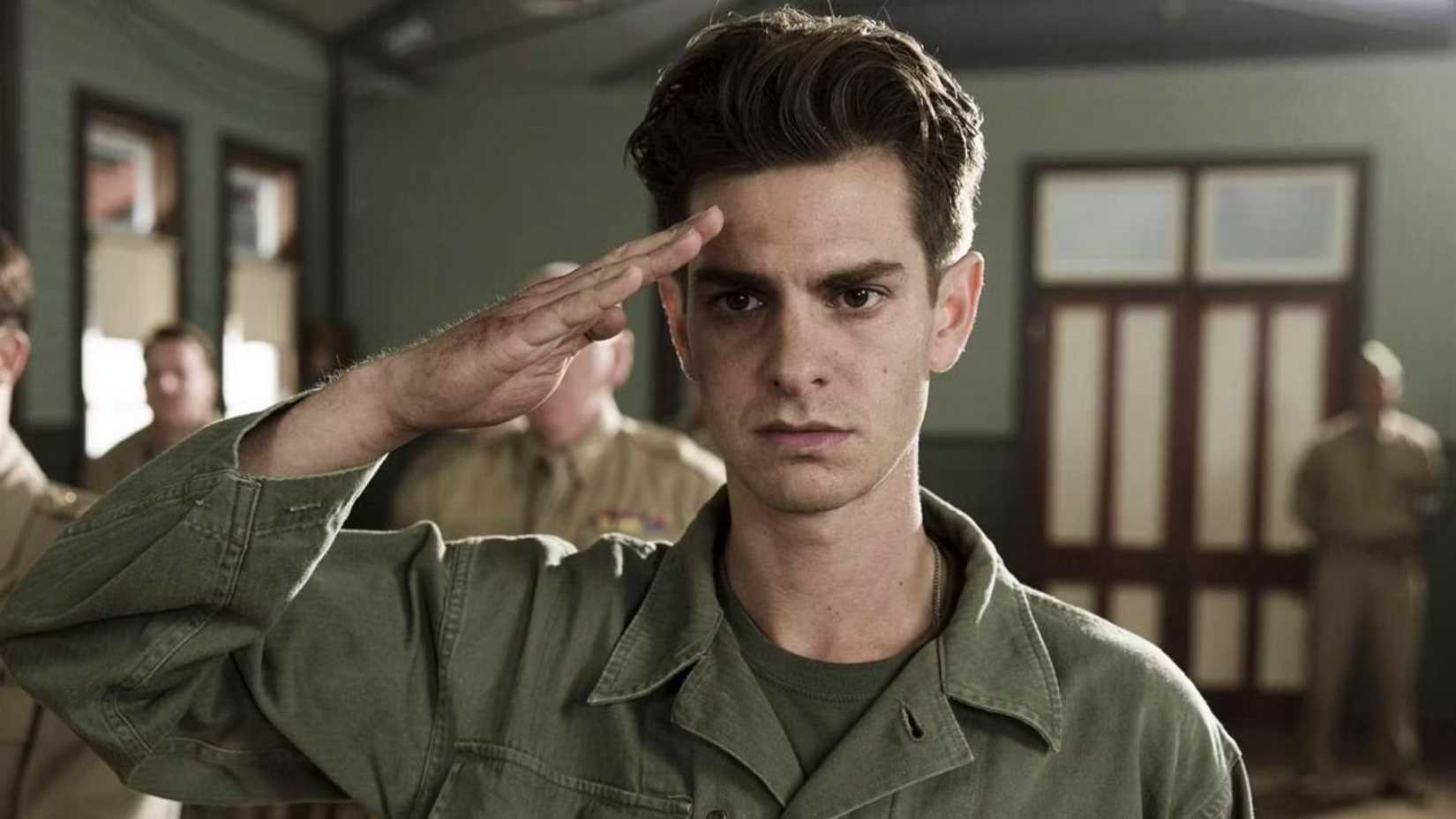
Hacksaw Ridge is a unique war movie because its main character is a conscientious objector during the war. Directed by Mel Gibson, Hacksaw Ridge tells the true story of Desmond Doss (Andrew Garfield), a Seventh-day Adventist combat medic who refused to carry a weapon. The film follows Doss through basic training and the Battle of Okinawa, where he saves around 75 wounded men. The real Doss became the first conscientious objector to receive the Medal of Honor.
The Battle of Okinawa is shown in an unflinching manner, with mud, smoke, blood, and dead bodies showing the carnage of wartime combat. Hacksaw Ridge got so many of the smaller moments of combat right, including the psychological and visual impact of the war battles. While the ridge's height is exaggerated, the actual combat while Doss saves all the men is on target.
7 Dunkirk (2017)
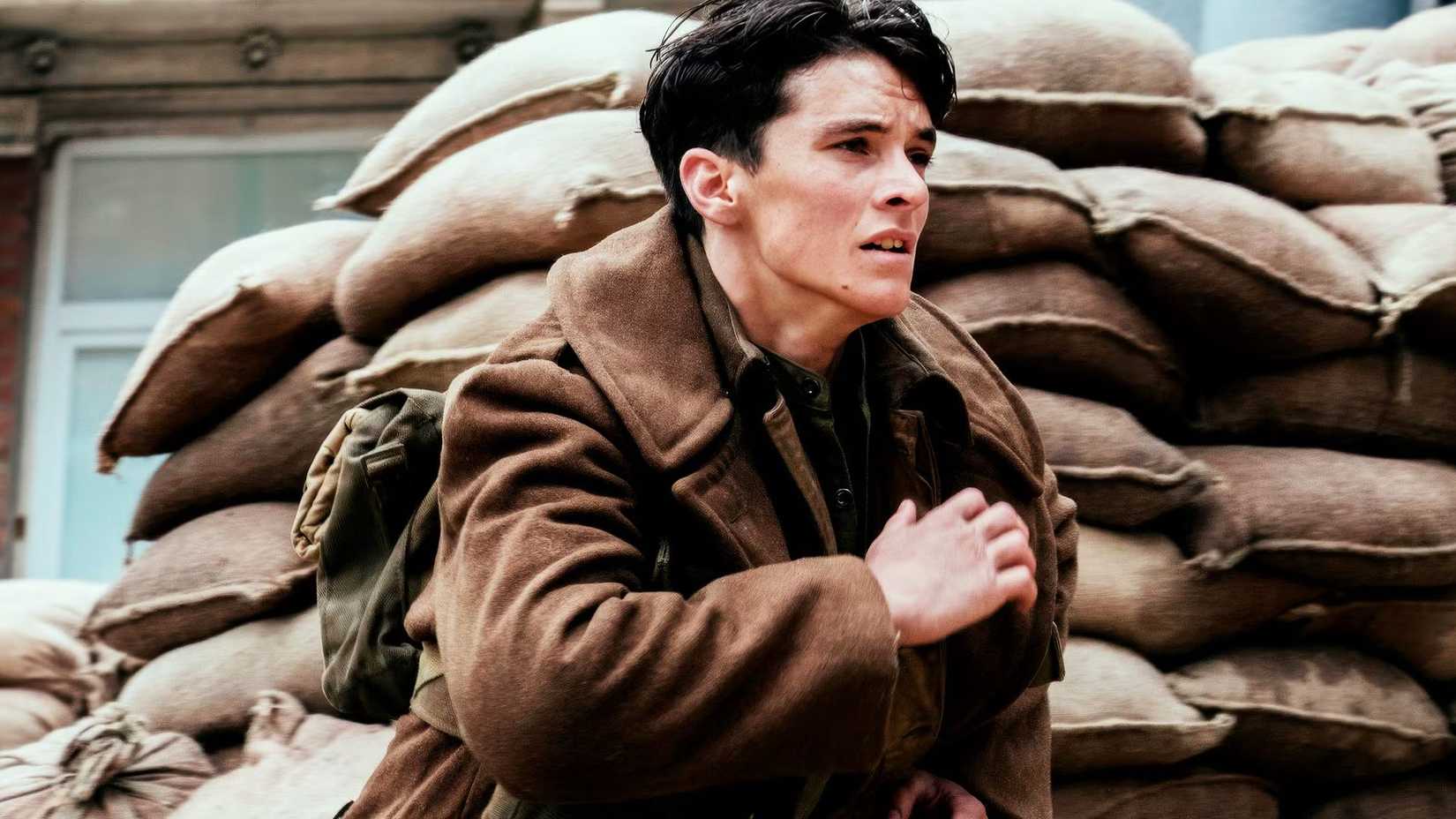
Christopher Nolan directed his war movie masterpiece in 2017 with Dunkirk. This is not so much a war movie as it is a rescue mission movie. The story follows the 1940 evacuation of the Allied troops from the beaches of Dunkirk, France, and Nolan tells the story from all three points of view, breaking it up into the land, sea, and air forces. Nolan does this by using three interwoven timelines with minimal dialogue.
This means that the movie had to live and die through its combat battles. The aerial dogfights were shot with real restored Spitfires with IMAX cameras attached to them. Rather than CGI, Nolan used miniatures. The film was also accurate with the timing, as the Spitfires had only about 80 minutes of flight time. Nolan wanted to use practical effects as much as possible for his war movie combat scenes.
6 Platoon (1986)
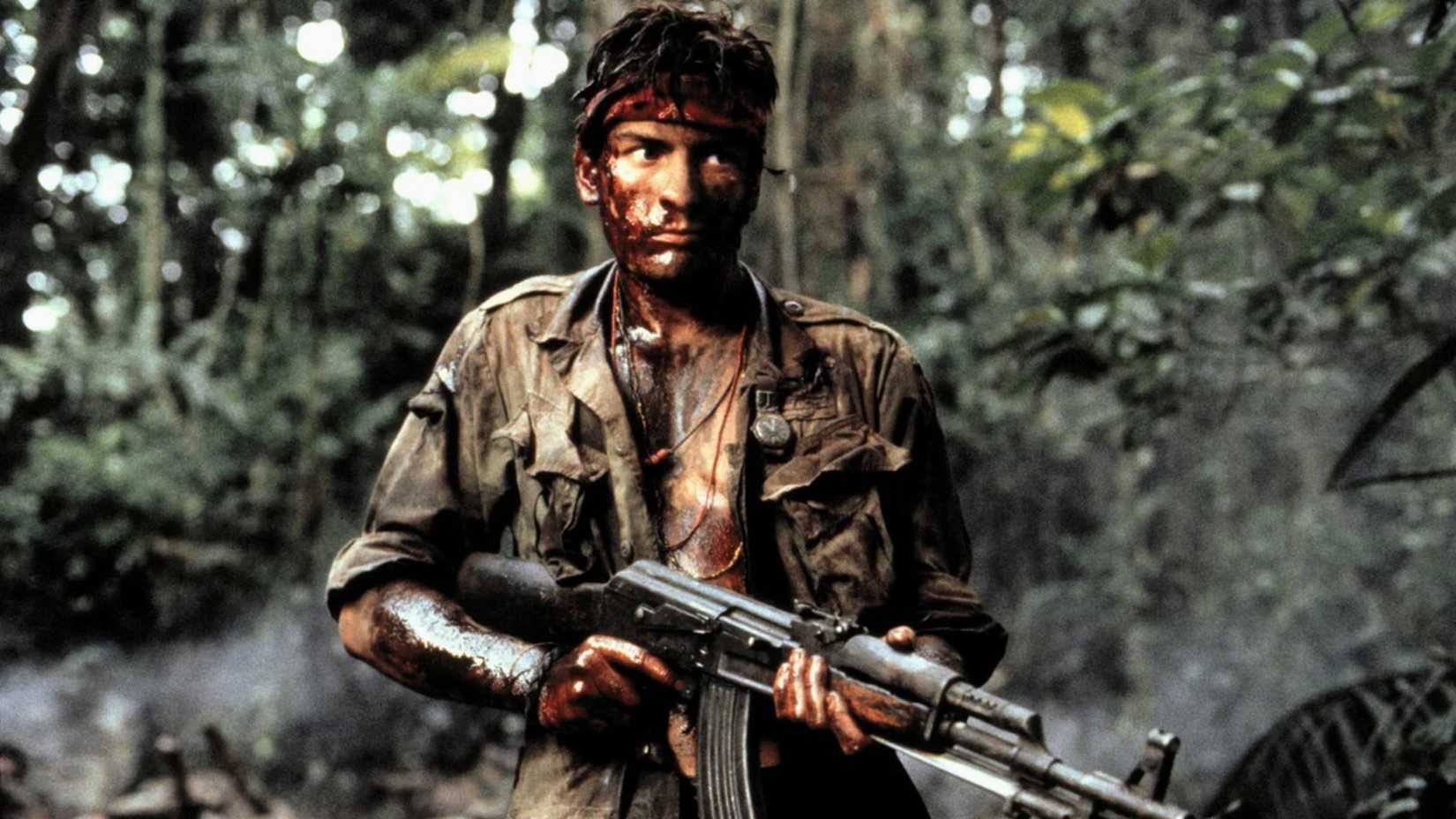
Platoon was written and directed by Oliver Stone, a veteran who drew directly from his own combat experience in the Vietnam War to tell his story. The story follows a young volunteer named Chris Taylor, played by Charlie Sheen. The young soldier is torn between two sergeants, the brutal Barnes (Tom Berenger) and the moral Elias (Willem Dafoe). Platoon won the Oscar for Best Picture, and Stone won for Best Director.
When it comes to historical accuracy, Stone hired retired U.S. Marine captain and decorated Vietnam veteran Dale Dye to run a two-week boot camp for the cast before filming. Stone also sent them deep into the Philippine jungle in uniform to exhaust them. This allowed Stone to give his movie a ground-level authenticity in the combat scenes. This remains one of the most accurate portrayals of the Vietnam War in any movie.
5 Come And See (1985)
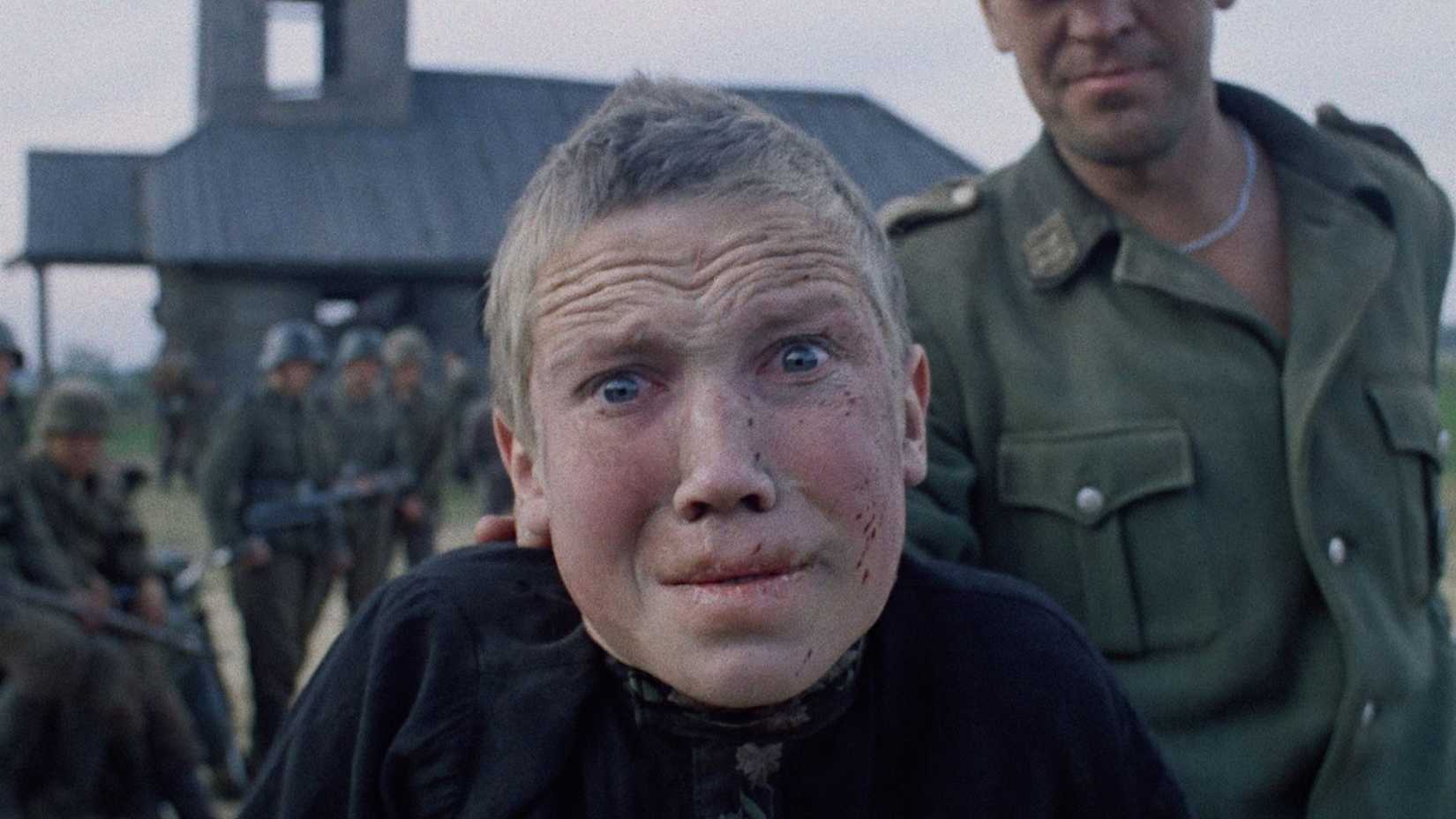
Come and See is one of the most devastating antiwar movies ever made. Directed by Elem Klimov, this Soviet film shows the Nazi atrocities in Belarus during World War II through the eyes of a teenage boy. The story follows Flyora as he joins partisans and witnesses the destruction of villages and a horrific massacre. The movie remains highly accurate as it is based on survivor testimonies.
The movie remains controversial because the guns used often fired live ammunition instead of blanks. The movie was also shot entirely in Belarus with non-professional actors speaking Belarusian, as the film aimed to recreate the horrors of war as literally as possible. The combat scenes were so realistic that it took eight years to get the script approved by Soviet censors.

Stanley Kubrick directed more than one war movie, and while Paths of Glory remains one of the best antiwar movies in history, his 1987 release, Full Metal Jacket, remains one of the most realistic in terms of combat. The film is based on Gustav Hasford's semi-autobiographical 1979 book The Short-Timers. Full Metal Jacket is split into two halves, with the first being the Marine boot camp, which is what it remains best known for.
This Parris Island half has been widely praised for its authenticity. However, not enough people talk about the second half, which depicts the urban fighting during the Battle of Hue, including the tense, deadly threat of a concealed sniper. Kubrick's attention to detail and authenticity almost gives this part of the movie a documentary-like credibility.
3 Black Hawk Down (2001)
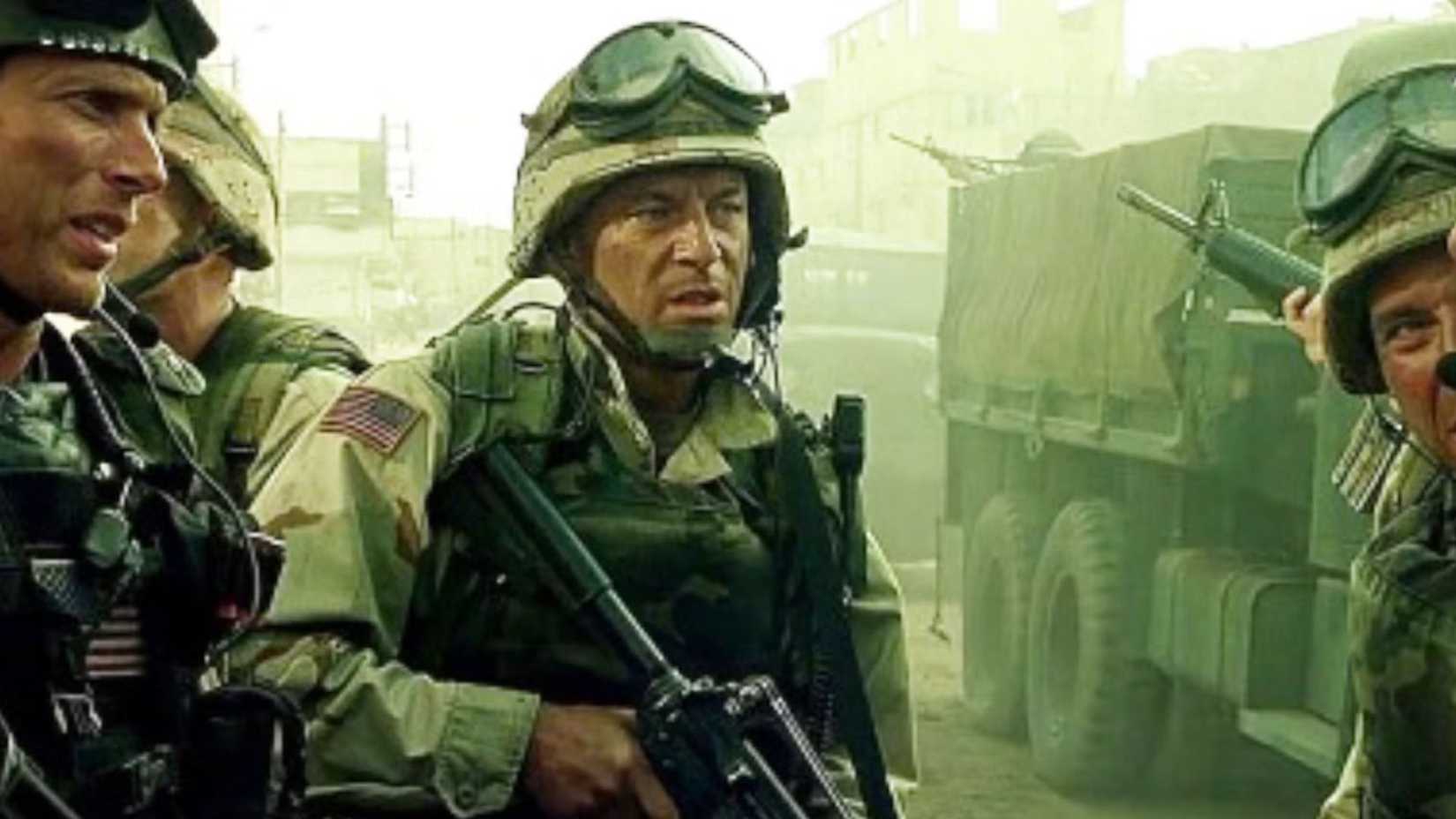
Black Hawk Down is Ridley Scott's 2001 war movie, which recounts the disastrous U.S. raid in Mogadishu, Somalia, on October 3, 1993. The movie is based on Mark Bowden's book, Black Hawk Down: A Story of Modern War, which breaks down the planned one-hour operation that turned into a 15-hour urban combat battle after two of the Black Hawk helicopters were shot down.
The combat here left 18 American soldiers dead and 73 wounded, which Scott shows in his movie in intense detail through the relentless street combat. To ensure that it was as realistic as possible, Scott brought in veterans of the actual battle to use as advisors. The production also used authentic equipment to ground the combat scenes.
2 1917 (2019)

Sam Mendes' war movie 1917 was a film that had some limitations in making it realistic. Mendes' goal was to create a movie that looked like it was one continuous, unbroken shot, with some hidden cuts across the two-hour runtime. The film follows two young British soldiers as they run across No Man's Land in World War I to deliver a message to stop a planned attack from turning into a suicide mission.
When it comes to the realistic combat scenes, former British paratrooper Paul Biddiss served as military advisor. He trained the actors on weapons handling and how specific wounds would affect a soldier's movement. Mendes also relied on practical effects, using explosions and other battleground effects rather than CGI. The mission is fictional, but the trench life, No Man's Land, and monotony are all highly realistic.
1 Saving Private Ryan (1998)
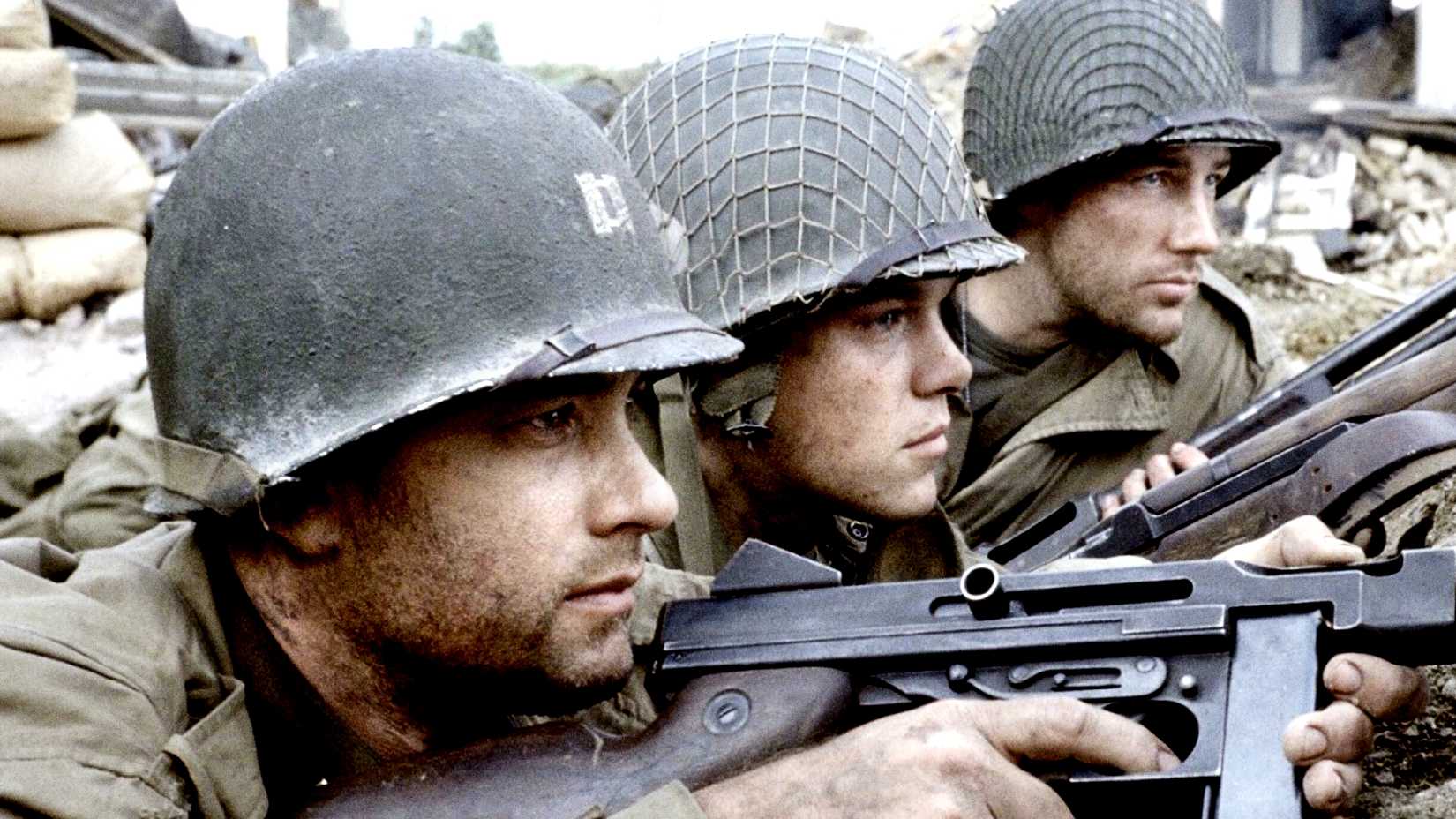
Steven Spielberg directed one of the best war movies of all time in 1998. Saving Private Ryan follows a squad that lands on Omaha Beach during D-Day on June 6, 1944. Veterans of the battle said the landing scene on the beach was so realistic that it often triggered their PTSD, and the Department of Veterans Affairs had to set up a toll-free hotline to help them after the film's release.
The movie changes direction after the landing when the squad receives orders to find Private James Ryan and bring him home after his three brothers are killed in action. Spielberg actually cast amputee actors and used special-effects makeup to depict the traumatic battlefield injuries. The cast also went through boot camp to deepen the film's authenticity.
What's Your Reaction?
 Like
0
Like
0
 Dislike
0
Dislike
0
 Love
0
Love
0
 Funny
0
Funny
0
 Wow
0
Wow
0
 Sad
0
Sad
0
 Angry
0
Angry
0








Comments (0)