

25 Years Later, One of the Greatest Crime Thrillers Ever Made Is Free on Streaming

Published Oct 4, 2026, 11:00 PM EDT
Ryan Epps is a contributing writer for Polygon. His writing spans both the entertainment and tech verticals, with bylines covering everything from Dark Souls to TVs at sites like Tom’s Guide, IGN, Digital Trends, TheGamer, Tech Times, and more.
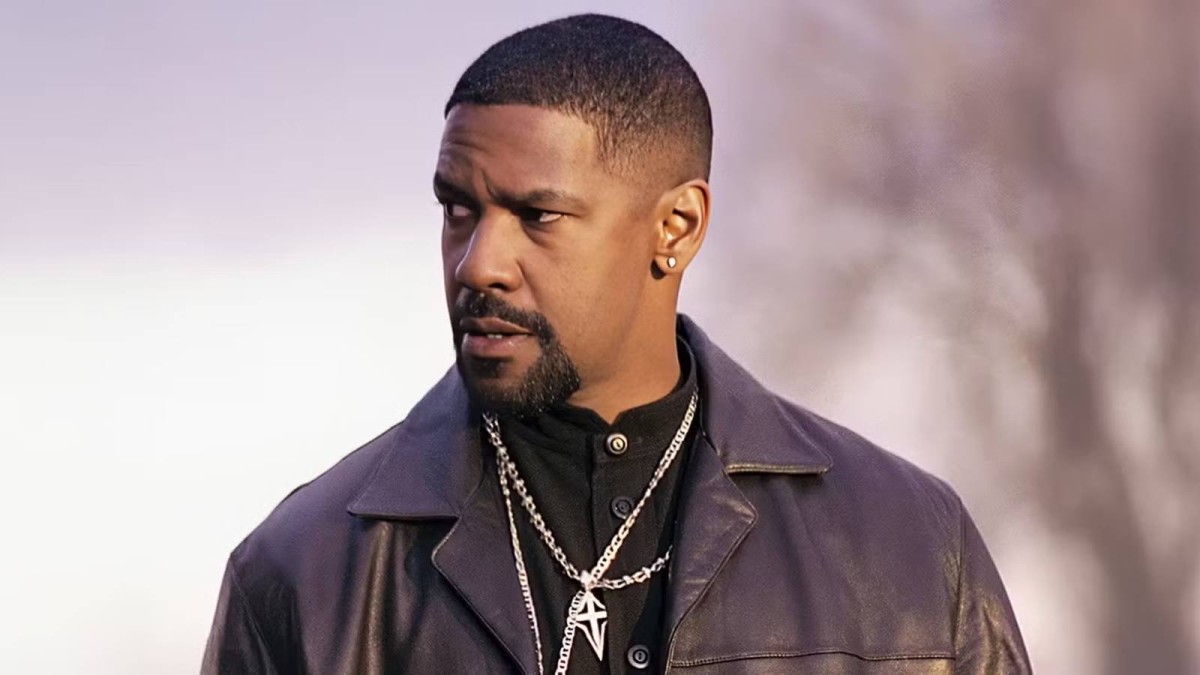
Denzel Washington's greatest crime thriller is still electric
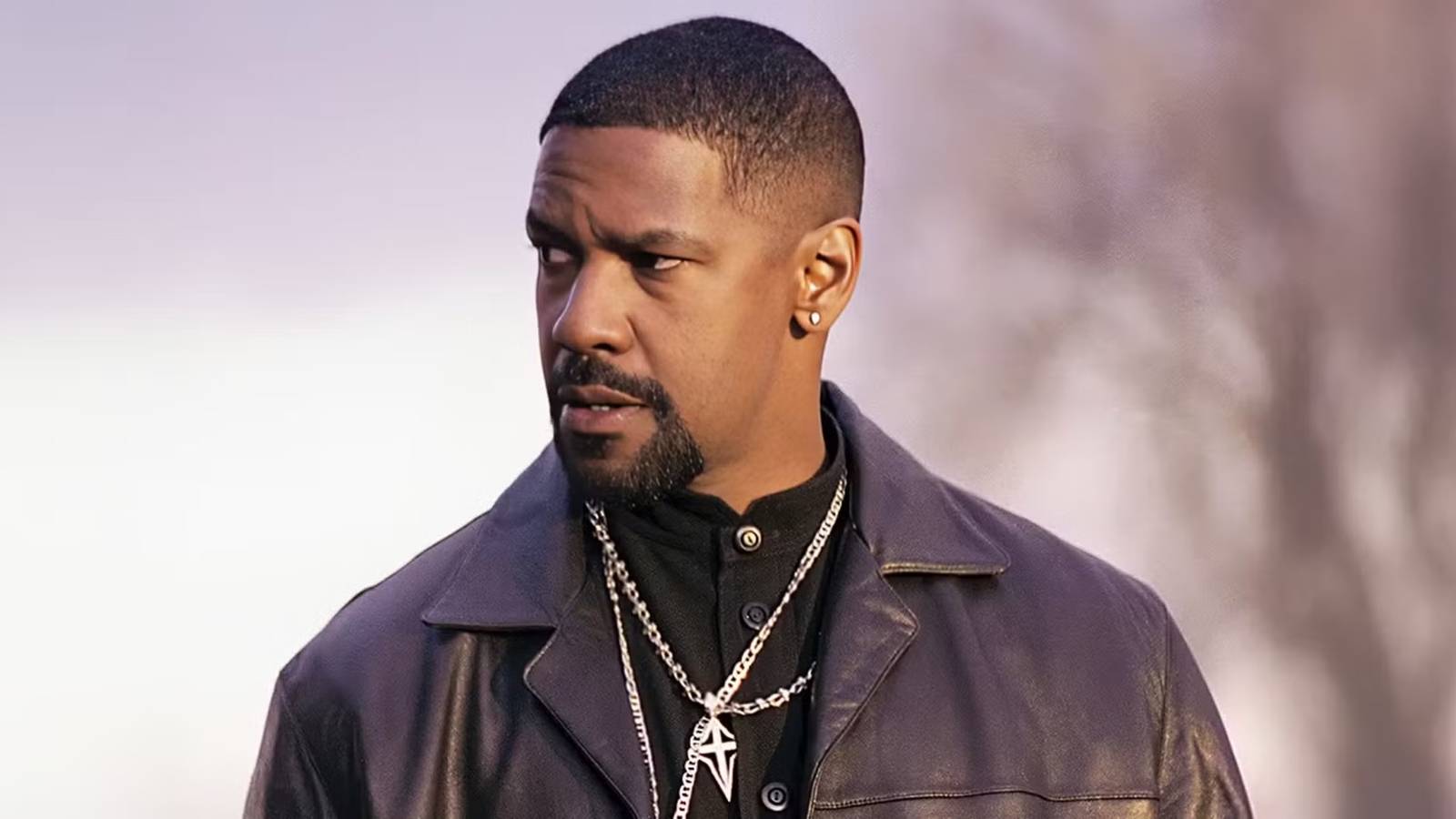 Image: Warner Bros.
Cinema is full of high-stakes character dualities. Heat pits a veteran bank robber, McCauley (Robert De Niro), against a ruthless detective named Hanna (Al Pacino) in a cat-and-mouse game set across Los Angeles, while Michael Mann’s later Collateral forces an ordinary cabbie (Jamie Foxx) to confront a professional killer (Tom Cruise) in the same guise. Katherine Bigelow’s Point Break tempts a young lawman (Keanu Reeves) with the criminal underworld he’s sent to infiltrate through the suave surfer Bodhi (Patrick Swayze).
Yet Antoine Fuqua’s Training Day stands as the absolute pinnacle of this subgenre, towering above its peers precisely because of the sheer gravity of one unforgettable scene in the film’s final act that cements it as the ultimate ride-along thriller.
The Wolf in Sheep's Clothing
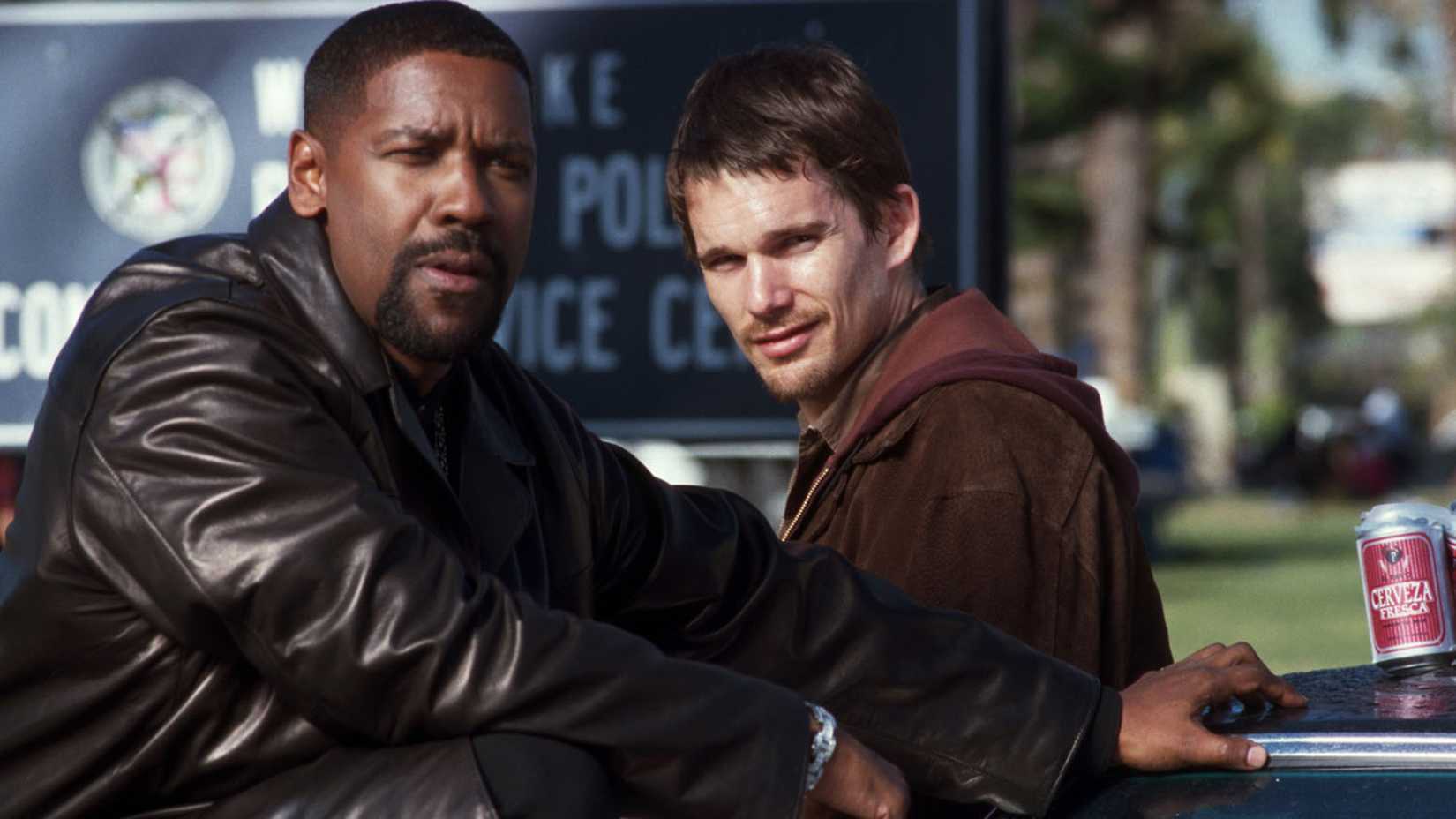 Image: Warner Bros.
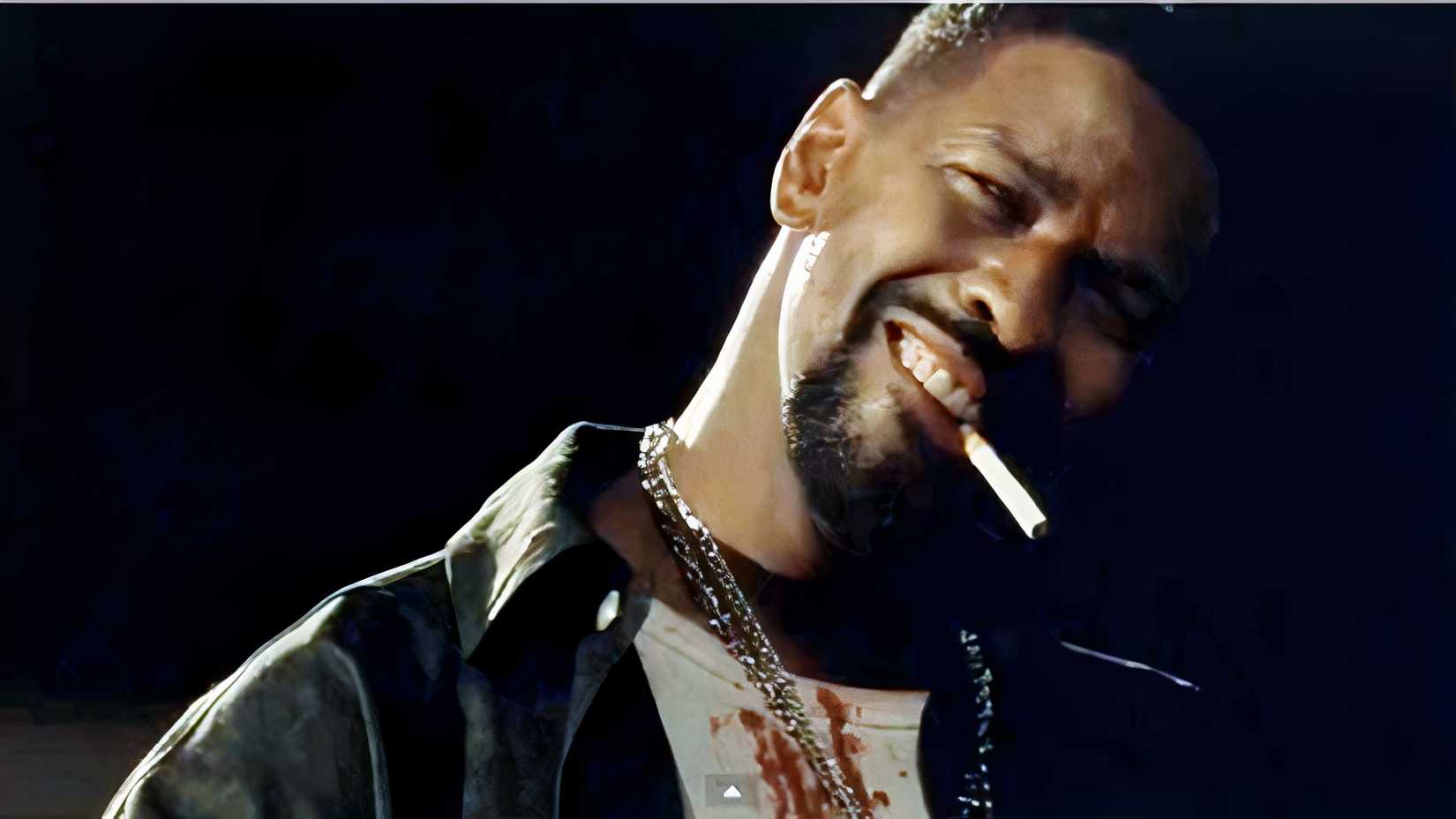
“King Kong ain’t got shit on me!”
There is a specific blend of swagger, desperation, and conviction that makes this legendary line from decorated LAPD narcotics detective Alonzo Harris (Denzel Washington) so undeniably impactful. It’s a volcanic climax witnessed by Jake Hoyt (Ethan Hawke), an ambitious and dangerously naive rookie cop whose first day on the job devolves from a simple training exercise into a brutal crash course in everything the institution never taught him.
Washington’s performance is the film's masterclass in slow-burn manipulation. Sitting behind the wheel of his black 1979 Chevy Monte Carlo, which he lovingly refers to as his "office,” Alonzo operates with smooth and infectious charm. He jokes with Jake, offers fatherly career advice, and drops street-level philosophy over breakfast, convincing the rookie that to protect the sheep, you have to hunt like a wolf. Washington plays Alonzo with such magnetic conviction that when he pressures Jake into smoking a PCP-laced joint or forces his way into a dealer's home under a questionable warrant, it almost feels like a necessary rite of passage. Alonzo normalizes every minor infraction, casually nudging the boundaries of right and wrong step by step, until Jake — and the audience — suddenly look up to realize they've been led deep into the abyss.
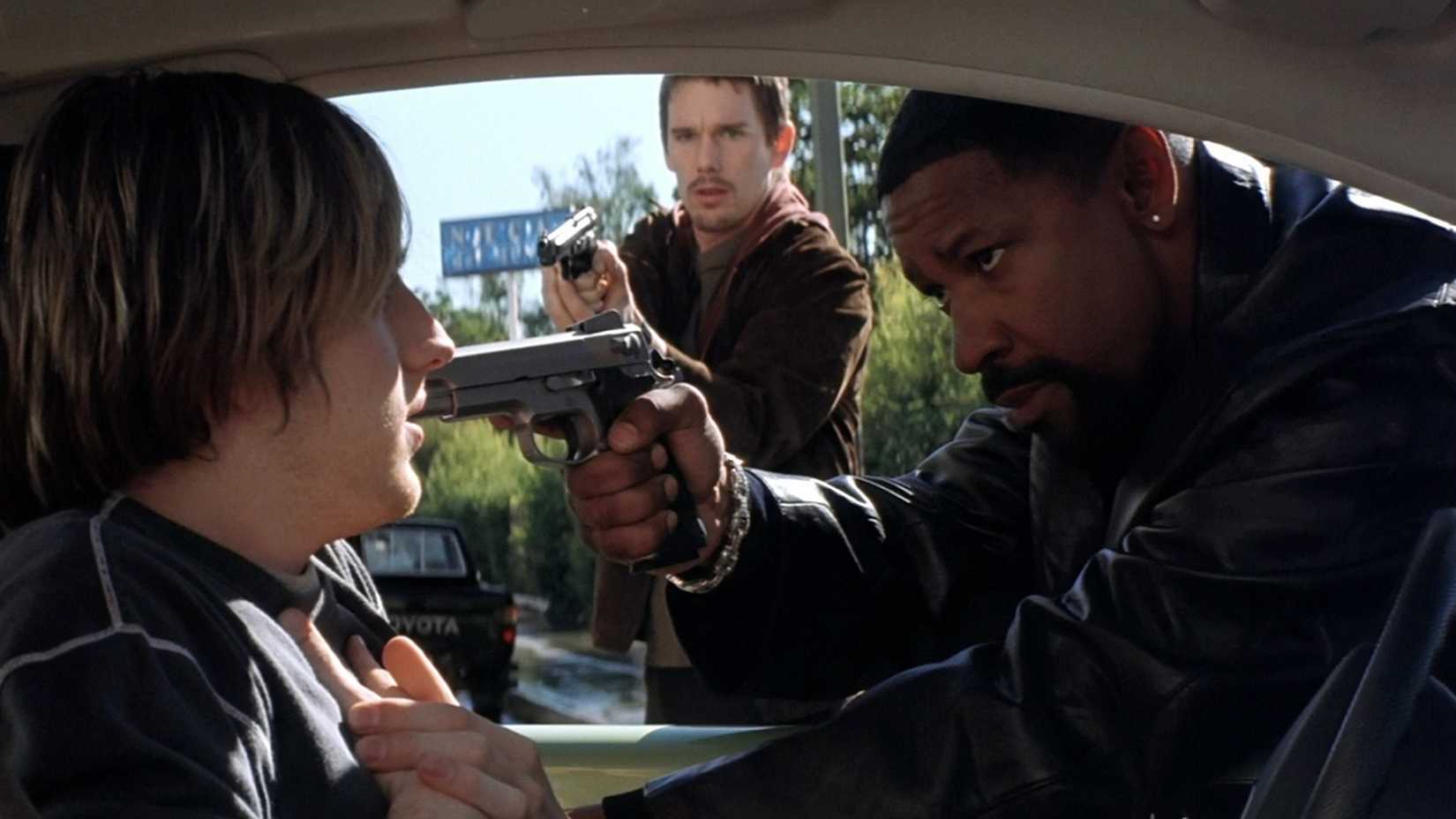 Image: Warner Bros.
That unraveling is inextricably tied to the asphalt beneath Alonzo's boots. Fuqua doesn't treat Los Angeles as a passive backdrop, but as the very machinery sustaining Alonzo’s dominion. Instead of a generic urban playground, the city functions as a sprawling ecosystem of invisible borders and unspoken rules. Alonzo’s true power derives not from the tin badge on his chest, but his absolute mastery over this sun-bleached geography full of gang members, informants, and compromised government officials. Fuqua’s hyper-authentic mapping of these neighborhoods was so visceral at the time that it permanently altered how pop culture visualizes the city's criminal underworld. Alonzo’s street-level feudalism and his correlations to the real-world Rampart scandal directly inspired Officer Tenpenny (Samuel L. Jackson) and his own corrupt C.R.A.S.H. unit in Rockstar Games’ Grand Theft Auto: San Andreas, while the movie's smog-choked, cynical DNA is baked right into the gang-divided architecture of GTA 5’s Los Santos.
The Concrete Crucible of Baldwin Village
As towering as Washington’s Alonzo is within this pressure cooker, the narrative engine requires a fierce counterweight to keep the tension taut, with Hawke’s Jake Hoyt carrying that burden. Playing the straight man against an Oscar-winning force of nature is a notoriously difficult tightrope walk, but Hawke grounds the film with a desperate resilience. He doesn't play Jake as a flawless saint, but as an ordinary family man pushed into a moral crucible. Throughout their 24-hour descent, Jake is constantly recalibrating his principles, forced to decide where compromise ends and corruption begins. Alonzo isn't just taking Jake on a ride-along; he is conducting a high-stakes Faustian test for the rookie's soul, making Jake’s ultimate refusal to fold the emotional bedrock of the film.
The psychological tension builds into their fateful standoff in the concrete courtyard of Baldwin Village, where all of Alonzo's elaborate illusions finally crumble. When stripped of the protection his badge afforded and abandoned by the very community he claimed to govern, Alonzo’s smooth bravado curdles into unhinged panic. It’s where the infamous “King Kong” outburst lands its deadliest punch. The declaration isn't a victory lap of absolute dominance, but the tragic roar of a cornered predator realizing his empire of fear has completely collapsed. Washington plays the moment with terrifying grandiosity, exposing the pathetic reality behind a man who genuinely believed he was untouchable.

Over two decades later, Training Day stands above the work it inspired because it alone understands that true thriller tension doesn't come from shadowy monsters in the dark, but from charismatic tyrants operating in broad daylight. Fuqua and screenwriter David Ayer crafted a relentless parable about the intoxicating nature of power and the sheer cost of keeping one's integrity intact. Alonzo Harris remains one of modern cinema’s most captivating villains, though not for the empire he built on the streets of Los Angeles. His true legacy is the tragic inevitability of watching a man steadily consumed by the same shadows he claimed to have on a leash.
Training Day is streaming on Roku
What's Your Reaction?
 Like
0
Like
0
 Dislike
0
Dislike
0
 Love
0
Love
0
 Funny
0
Funny
0
 Wow
0
Wow
0
 Sad
0
Sad
0
 Angry
0
Angry
0








Comments (0)