

5 Classic Sci-Fi Movies You Can Watch For Free On YouTube
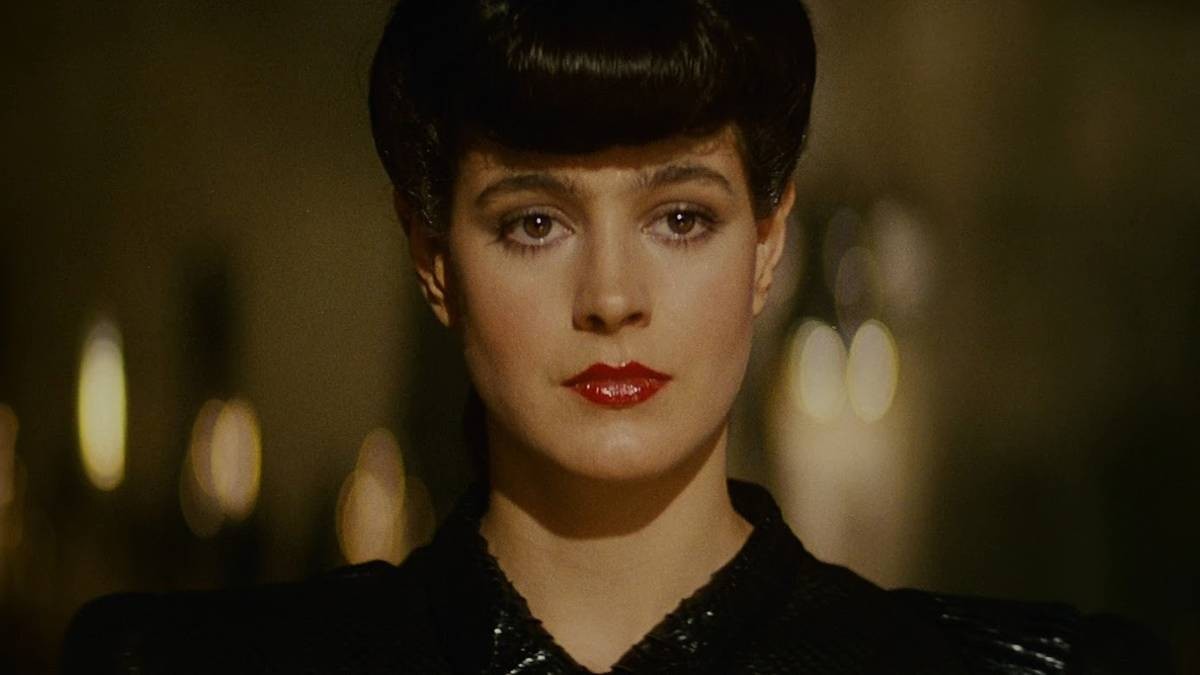

Published Aug 28, 2026, 8:00 AM EDT
There's something for everyone
 Image: Warner Bros.
The age of streaming has put a cap on the joy of watching something for free. Every movie or series is locked behind a subscription, encouraging a tiered consumer model that has changed how we watch anything on a screen. Free streaming services like Tubi or Pluto TV are a welcome change, of course, but nothing beats a movie that you can watch on YouTube for free.
While YouTube can be a treasure trove for overlooked gems if you know where to look, it is also home to several mainstream movies that are well worth your time. For example, Zodiac (2007) can be streamed for free to scratch the itch for a perfect thriller, and if you’re in the mood for something more lighthearted and action-packed, The World’s End (2013) is a good choice. In case you’re partial to sci-fi, here are five movies you can watch for free on YouTube right now.
1 The Thing (1982)
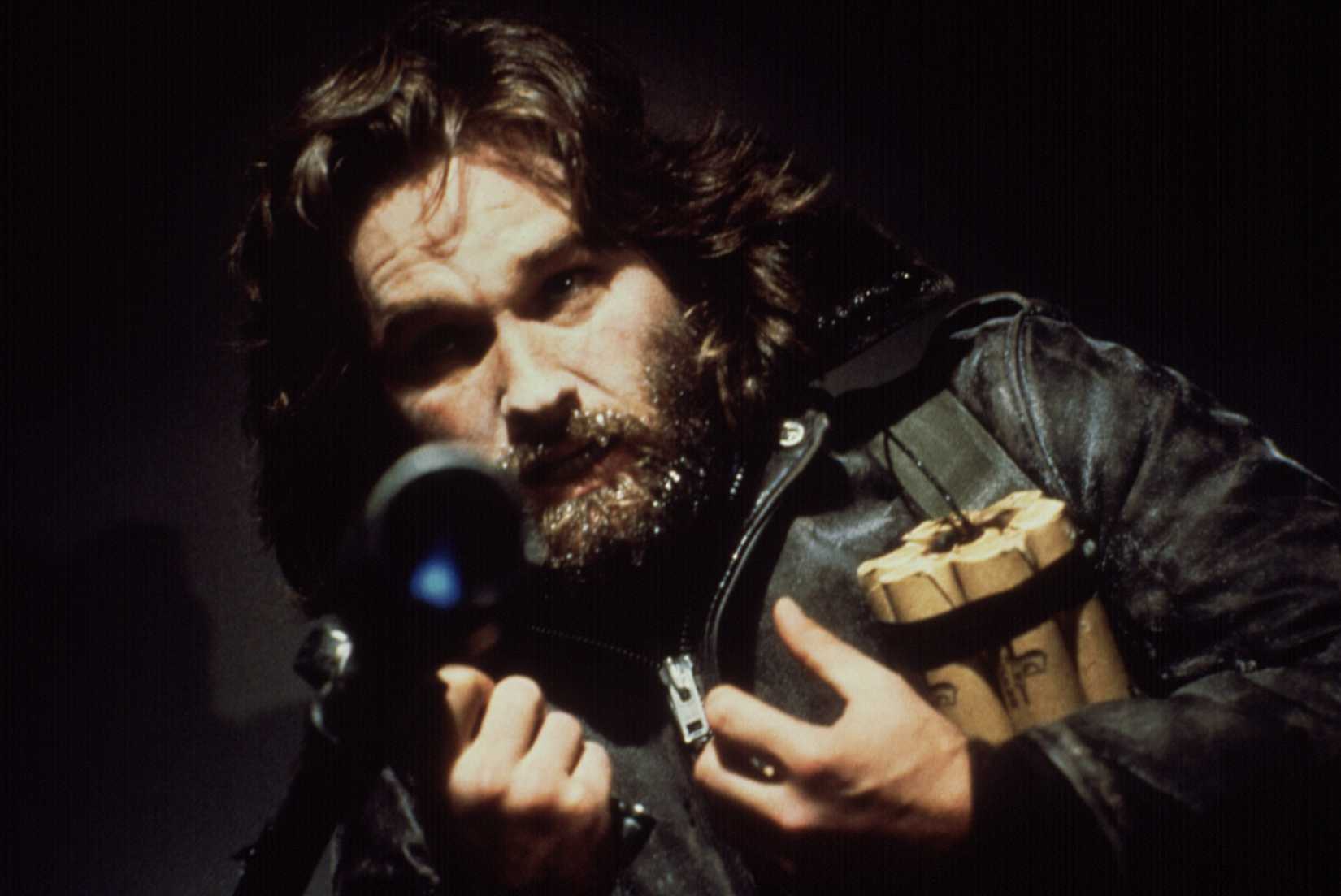 Image: Universal Pictures/Everett Collection
John Carpenter’s The Thing might be one of many adaptations of Who Goes There?, but it is certainly the most compelling one. While the film got an undeservedly icy reception during its summer release, it has cemented a legacy like no other. Set inside a research base in Antarctica, The Thing captures the infectious paranoia that grips the outpost’s inhabitants after they realize a shapeshifting alien is among them. Amid the chaos, helicopter pilot R. J. MacReady (Kurt Russell) steps up to lead, cutting through the anxiety with a blunt, no-nonsense approach to survival.
Stories set in singular locations are often a hit or a miss, but The Thing works because it uses the cold and isolation of the Antarctic in its favor. The aim isn’t to escape this hell, but to contain it, as the titular creature cannot be allowed to escape into civilization. This reverse logic to survival fuels the conflict in the film, where every character is driven by a sense of confusion and mistrust. This element, combined with Rob Bottin’s grotesque creature effects, turns The Thing into a riveting showcase of visceral horror. Carpenter toys with audience expectations right up till the end, taking a fittingly ambiguous route to bring this icy sci-fi horror full circle.
2 Ghost in the Shell (1995)
 Image: Production I.G/Bandai Visual
Few cyberpunk stories are as influential as Masamune Shirow’s Ghost in the Shell. The manga’s acclaimed 1995 adaptation is considered one of the greatest anime of all time, thanks to Mamoru Oshii’s (Angel’s Egg) breathtaking artistic vision. Ghost in the Shell follows Major Motoko Kusanagi, a field commander who also happens to be a cybernetic human. Motoko is a part of the counter-cyberterrorist organization Public Security Section 9, which carries out highly classified missions on behalf of the New Port City government.
Oshii’s Ghost in the Shell asks pertinent questions about identity and consciousness, and whether the status of being “human” can only be applied to those with an organic body. Does the definition of humanity change in a world where memories can be copied or hacked? It is a prescient piece of media that anticipates AI and deepfakes in the age of constant digital surveillance, but it also examines what it means to live a life controlled by algorithms. Ghost in the Shell served as key inspiration for everything from The Matrix to Altered Carbon, emerging as an indispensable cyberpunk text only second to William Gibson’s Neuromancer.
3 Donnie Darko (2001)
Donnie Darko is getting an unexpected sequel 25 years after its release, but the 2001 Richard Kelly film is a sci-fi marvel in its own right. It opens on Oct. 2, 1988, when troubled teenager Donnie (Jake Gyllenhaal) sleepwalks outside and hears a prophecy from Frank (James Duval), a man in a rabbit costume. A jet engine crashes into Donnie’s bedroom the next day, triggering a chain of events that could lead to the end of the world as we know it. Over the next few days, Donnie explores the highs and lows of adolescence while grappling with his own darkness. There’s a higher purpose to his existence, which he must fulfill before it is too late.
Donnie Darko is an unconventional coming-of-age tale that captures the disorienting isolation of a teenager living in the suburbs. Donnie’s confusion is heightened by time travel and wormholes, challenging his perception of reality and our understanding of this fictional world. Gyllenhaal’s breakout performance is reason enough to revisit this gem, but Donnie Darko also features a strong supporting cast. Perhaps the most compelling aspect of the film lies in its ambiguity, leaving the events wide open for debate and radical reinterpretation.
4 Stalker (1979)
 Image: Goskino
Andrei Tarkovsky (Solaris, Ivan’s Childhood) is considered a brilliant auteur for a reason, and his Stalker is proof that the most sparse settings can be enriched with great directorial vision. Loosely based on Arkady and Boris Strugatsky’s sci-fi novel Roadside Picnic, the film follows the titular Stalker (Alexander Kaidanovsky), who guides a writer (Anatoly Solonitsyn) and a professor (Nikolai Grinko) through a mysterious space known as The Zone. A room within The Zone can grant a person’s innermost desires, but such a surreal opportunity of wish fulfillment certainly comes at a very steep cost.
Tarkovsky’s eye for poetic beauty is reflected in Stalker, where it shifts from gloomy sepia-toned interiors to a lush, haunting color grading as soon as we enter The Zone. Non-diegetic sounds are used to convey the treacherous nature of this space, and the film takes a contemplative approach to sci-fi, allowing the horrors of The Zone to unravel in subtle ways. Stalker also argues that not all wishes should come true, as our most subconscious desires might do more harm than good. It is a film that reflects the emptiness of The Zone back at the audience, forcing us to ponder our perspectives on hope and belief.
5 Blade Runner (1982)
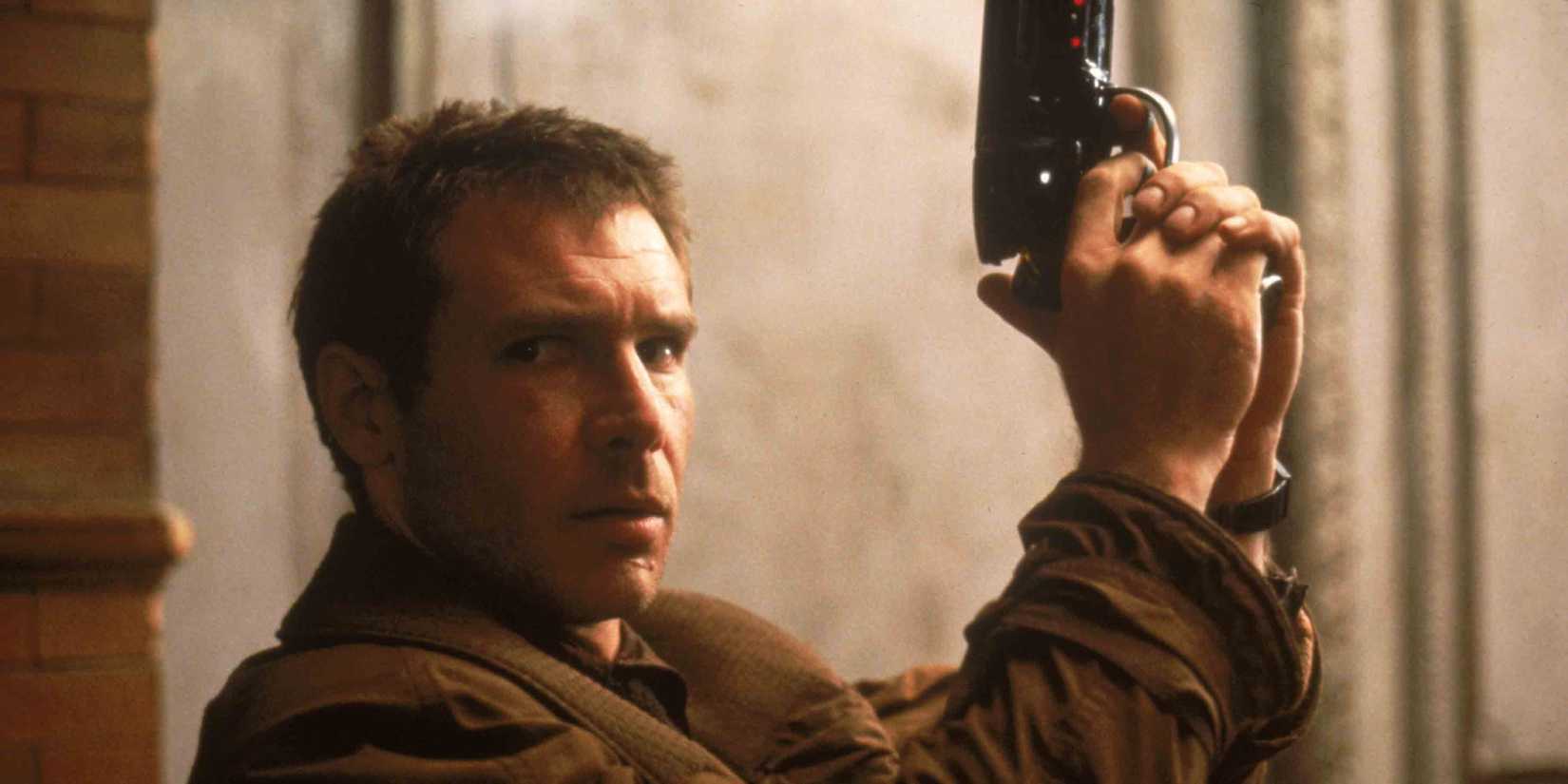 Image: Warner Bros.
Another cornerstone entry in the cyberpunk genre, Ridley Scott’s Blade Runner has influenced various mediums over the decades. Set in a dystopian Los Angeles, the film follows former cop and “blade runner” Rick Deckard (Harrison Ford), who is tasked with hunting down a group of escaped replicants (synthetic humans) led by Roy Batty (Rutger Hauer). As Deckard attempts to understand what makes the replicants tick, he meets the mysterious Rachael (Sean Young), whose presence forces him to re-evaluate his understanding of what makes us human.
Scott’s film is groundbreaking in its treatment of cyberpunk visuals and worldbuilding, as his rain-soaked Los Angeles truly feels like it belongs in the future. This tangible, lived-in world is complemented by multi-faceted characters, where most humans exhibit limited empathy, and replicants appear more receptive to strong emotion. This flips our understanding of man and machine, especially within the context of the corrupt Tyrell Corporation. Blade Runner is undoubtedly a brilliant interpretation of Philip K. Dick’s Do Androids Dream of Electric Sheep?, but it also changes things up to etch its own identity. It is also one of the most engrossing looks at post-ecocide Earth, along with the ruinous nature of late-stage capitalism.
What's Your Reaction?
 Like
0
Like
0
 Dislike
0
Dislike
0
 Love
0
Love
0
 Funny
0
Funny
0
 Wow
0
Wow
0
 Sad
0
Sad
0
 Angry
0
Angry
0









Comments (0)