

7 Greatest Live-Service Games Killed Before Their Time, Ranked


Published Nov 12, 2026, 6:01 AM EST
If only they had lingered
 Graphic: William Joel/Polygon | Image sources: 8Bitdo; Sony; Microsoft; Nintendo
Sign in to your Polygon.com account
At one point or another, most of us have enjoyed a live-service game. Likewise, many of us have been burned when a game publisher decided the revenue no longer justified the ongoing expenses of maintaining an always-on experience. Suddenly, we had nothing to show for our time except memories. It was a bit like paying for tickets to a ballgame, watching the athletes do their thing, and then leaving with a smile. Except with the live-service game, we knew that was the end. We could never go back next year.
Plenty of games reach that point after giving off warning signs. Maybe they never got big enough to last. Maybe they became huge, but then they faded away rapidly as audiences lost interest. Some live-service games were killed before their time, however. They deserved better, and we’re here to remember them.
7 Mobius Final Fantasy
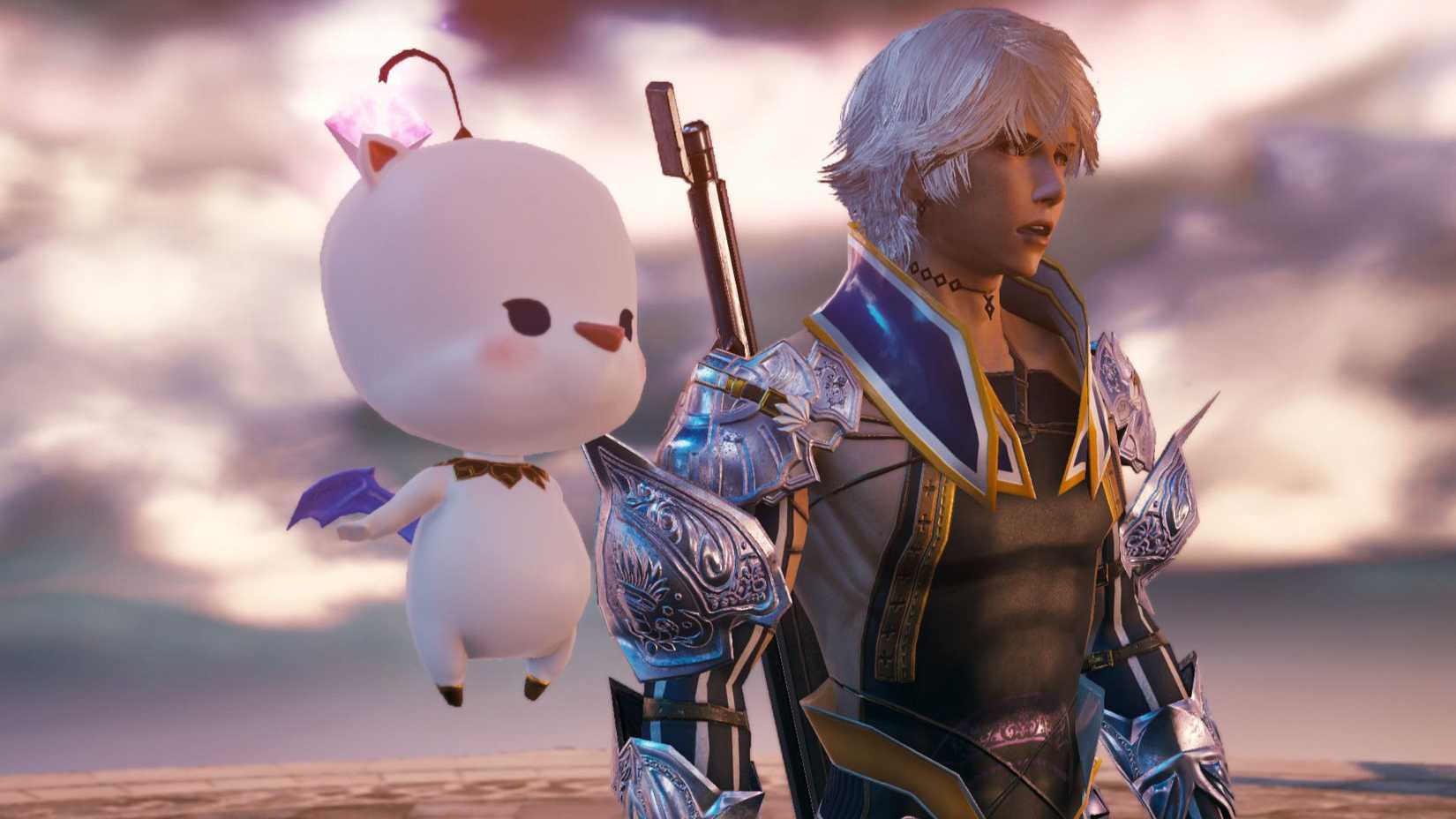 Image: Square Enix
Date ended: June 30, 2020
The extended Final Fantasy franchise has included a number of live-service games. Despite the brand recognition, those efforts haven’t always fared well, even when they should have. For me, Mobius Final Fantasy is the best example of unmet potential.
First launched in Japan on June 4, 2015, the game lasted just shy of five years in that region and less than four in North America. It was originally a mobile-only title, noteworthy in part because of the involvement of producer Yoshinori Kitase and scenario supervisor Kazushige Nojima. The two Final Fantasy veterans helped assemble a compelling new take on the classic original Final Fantasy, featuring Garland and blank-slate Warrior of Light characters, among others.
The game reached Steam in November 2016 in Japan, and arrived in North America the following February. Not a lot needed to change for that port, because the game had always been beautiful and deep, despite the gacha system humming away at its core. Unfortunately, Square Enix didn’t see the return on investment that it wanted. Things took a sad turn when a controversial job class (named after Tidus, hero of Final Fantasy 10) alienated free-to-play people like me, who enjoyed seeing how far we could get without spending actual money.
Mobius Final Fantasy delivered two full acts packed full of content that I would be happy to enjoy today. But when the servers went down, so did the possibility of playing the game in any form.
6 Highguard
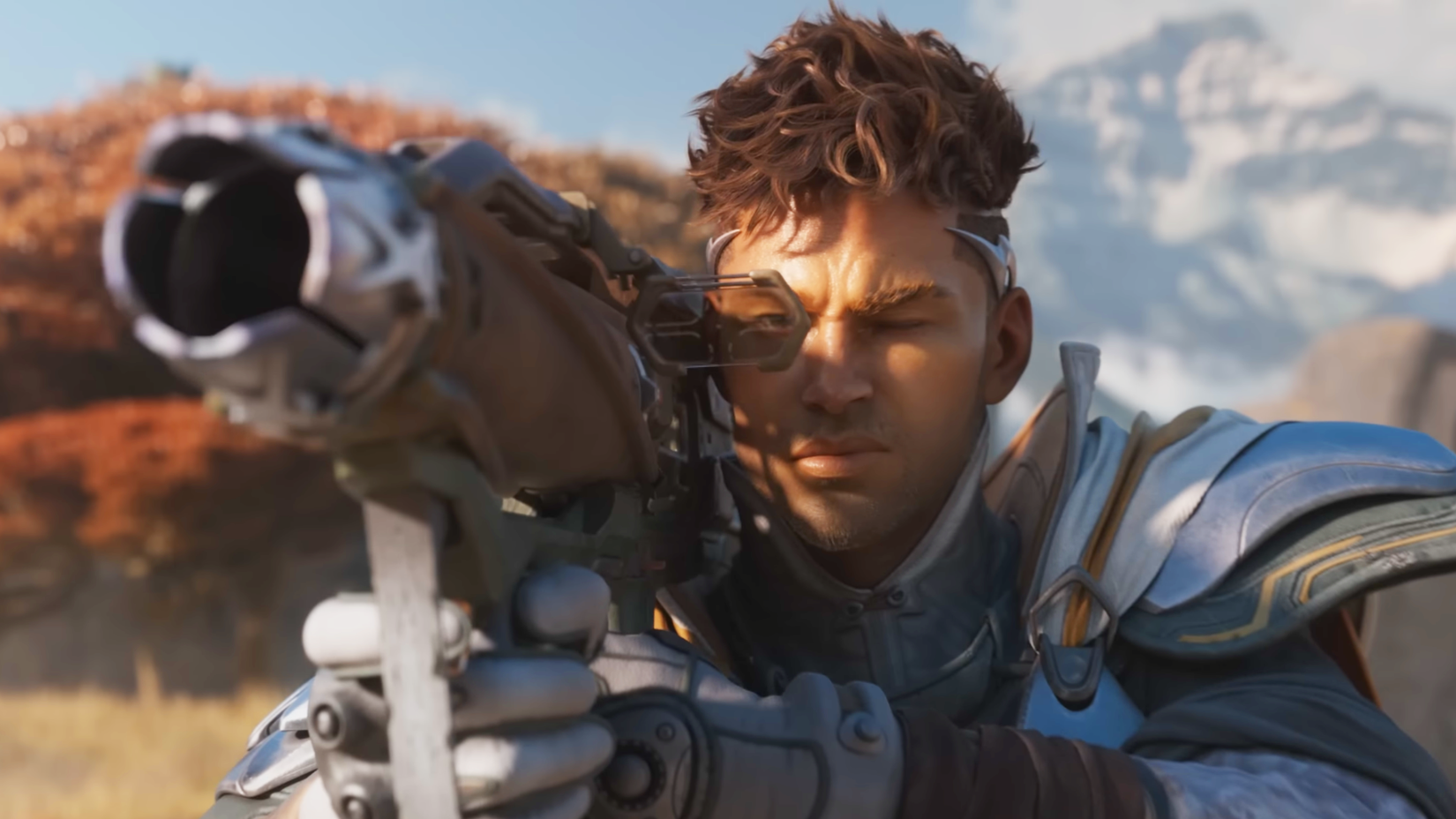 Image: Wildlight Entertainment
Date ended: Mar. 12, 2026
The team at Wildlight Entertainment, consisting of veterans who previously worked on Titanfall and Apex Legends, built something special with Highguard. In its first week, it had nearly 100,000 players battling at once. However, those numbers fell off sharply, enough so that studio backer Tencent pulled funding, according to a Bloomberg report. The studio experienced layoffs and servers shut down within weeks of launch.
Built on Unreal Engine 5, Highguard blended a variety of genres, including first-person shooting, base destruction, tactical combat, resource gathering, and gear upgrading. As Wardens, players had to balance all of those activities to thrive in a world that memorably blended high fantasy elements with modern weaponry.
Highguard quickly shed players for numerous reasons we may never fully understand, but a few of the more apparent ones were lackluster progression, limited voice communication, and unforgiving multiplayer matches that required team cohesion from players who were still learning the ropes. A final patch, released shortly before the game’s demise, fixed many of the issues with progression. By then, however, the die was already cast.
5 Destruction AllStars
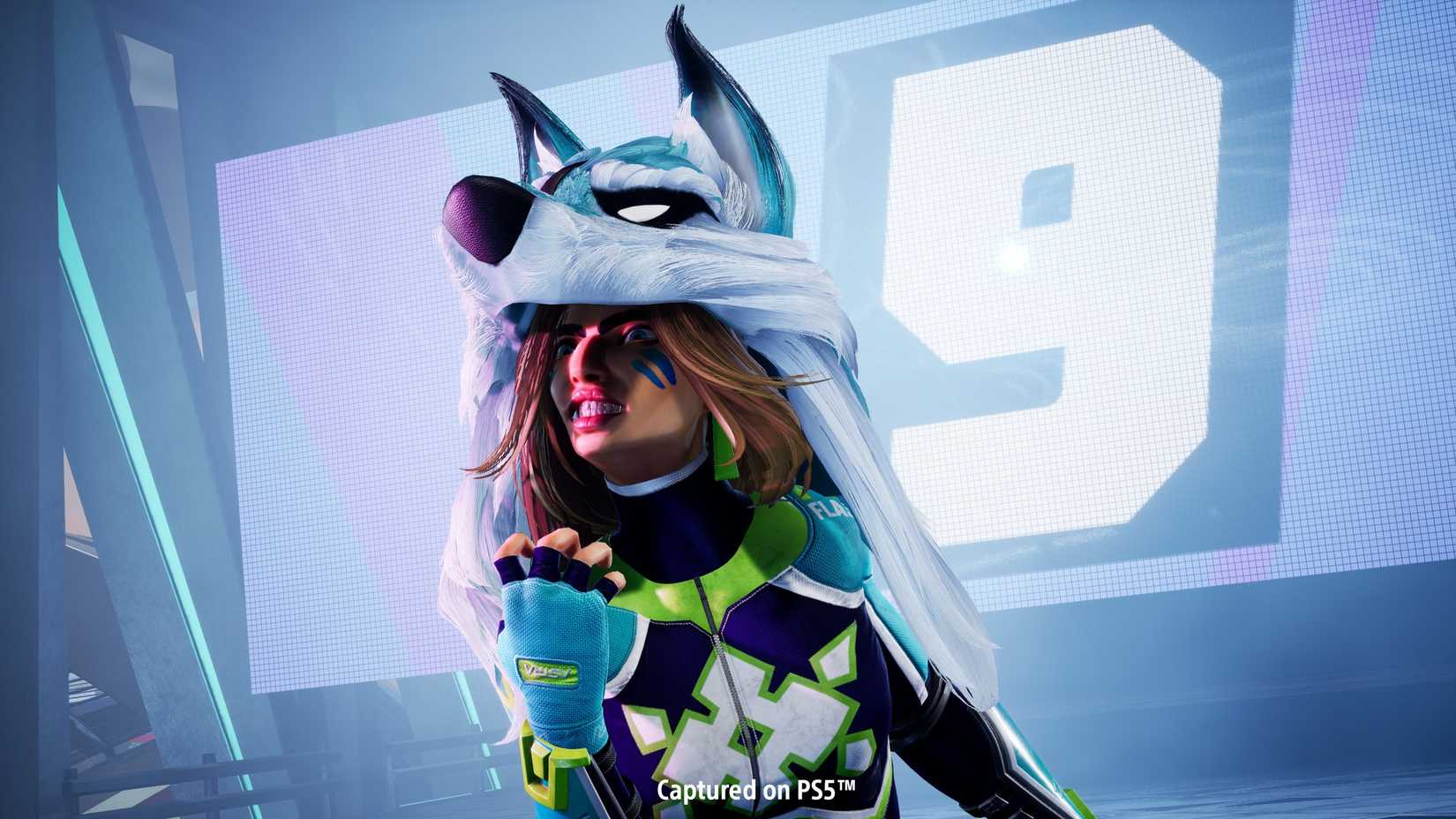 Image: Lucid Games / Sony Interactive Entertainment
Date ended: Nov. 25, 2026
Sony has a full stable of all-star characters it might profitably rely on to drive interest in a live-service release. Something like 2012’s PlayStation All-Stars Battle Royale, a PlayStation-flavored riff on the Smash Bros. formula, proves it. But when the publisher released a vehicular arena brawler, it ditched that heritage and went with something fresh. The gamble ultimately seems to have failed.
Destruction AllStars featured 16 human racers who drove wild cars through unique environments. Instead of staying behind the wheel the entire time, drivers could abandon their rides and use parkour moves to navigate the arena while collecting items. They could even hijack rival cars when they were ready to drive again.
Players appreciated the satisfying driving elements, which were designed by individuals who previously worked at Bizarre Creations (best known over the years for driving games like Project Gotham Racing and Blur). However, players didn’t love running around on foot, nor did they appreciate the repetition and the microtransactions, a frequent point of contention with live-service games.
Technically, Destruction AllStars is still operating at the moment, but the game has already been removed from digital storefronts and the trickle of remaining server support will halt on Nov. 25, 2026. Get that game a coffin.
4 Marvel’s Avengers
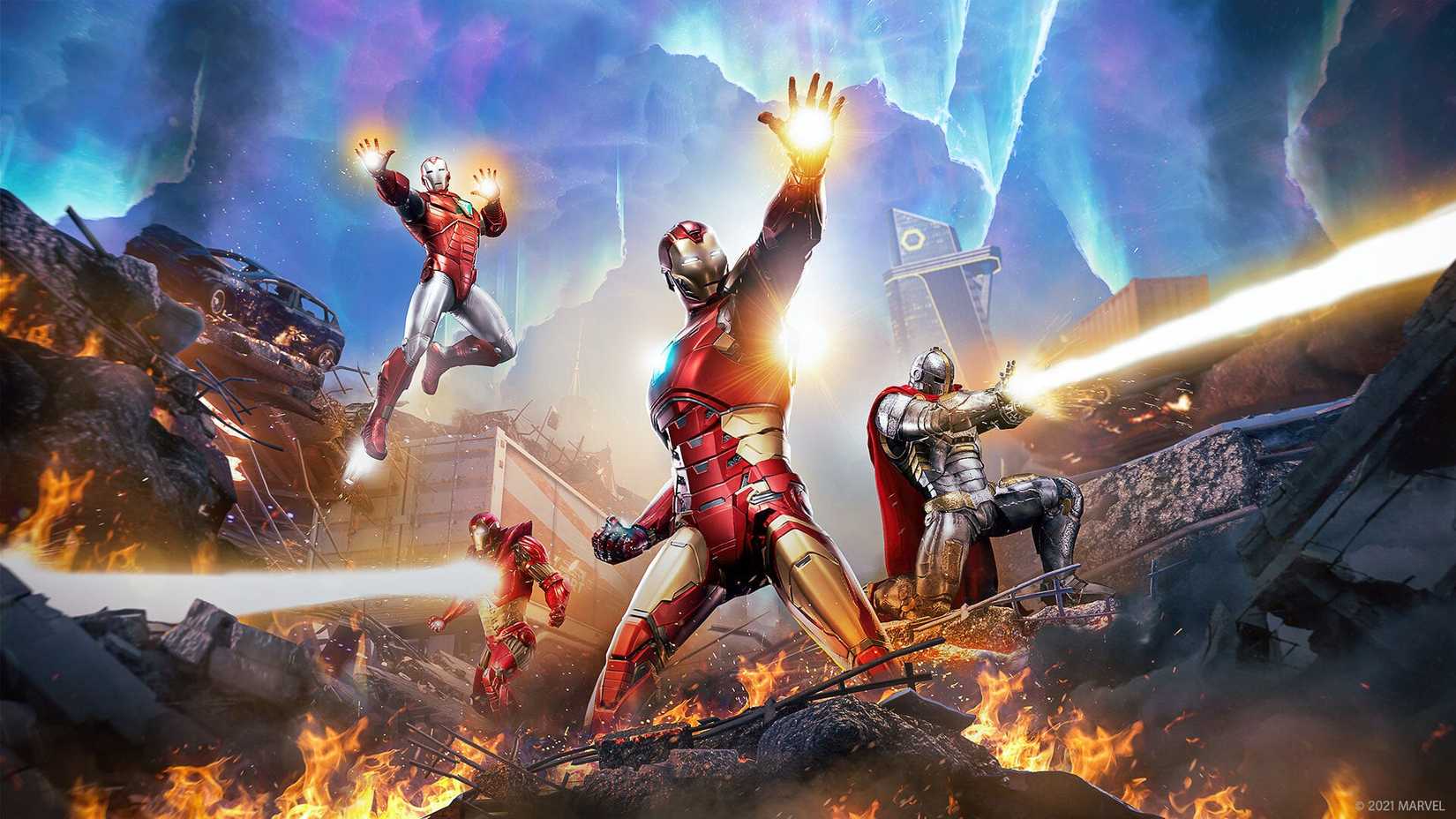 Image: Crystal Dynamics/Square Enix
Date ended: Sep. 30, 2023
Square Enix has sometimes struggled to keep its live-service games afloat, though it keeps trying and continues to produce experiences that reward the efforts, such as Final Fantasy 14 and Final Fantasy Record Keeper. Sadly, Marvel’s Avengers was not one of those successes.
When the time came to build a live-service game around the white-hot superhero IP, Square Enix had then-internal studios Crystal Dynamics and Eidos handle the honors. The teams built a spectacular single-player campaign focused on Ms. Marvel as she reassembled the team of powerful heroes. For that side of things, the developers knocked it out of the park.
The multiplayer component fared poorly in comparison. Players found themselves completing repetitive tasks for minor enhancements that yielded minimal results. Microtransactions and cosmetic outfits didn’t delight anyone, especially when added on top of a retail package that already cost as much as other blockbuster games. Marvel’s Avengers also had the misfortune of releasing around the time of the COVID-19 pandemic, when bugs that prevented it from working as intended were more difficult to address. It was a perfect storm that led to a highly imperfect game. Square Enix lost millions on the project and sold its North American development studios shortly thereafter.
3 Paragon
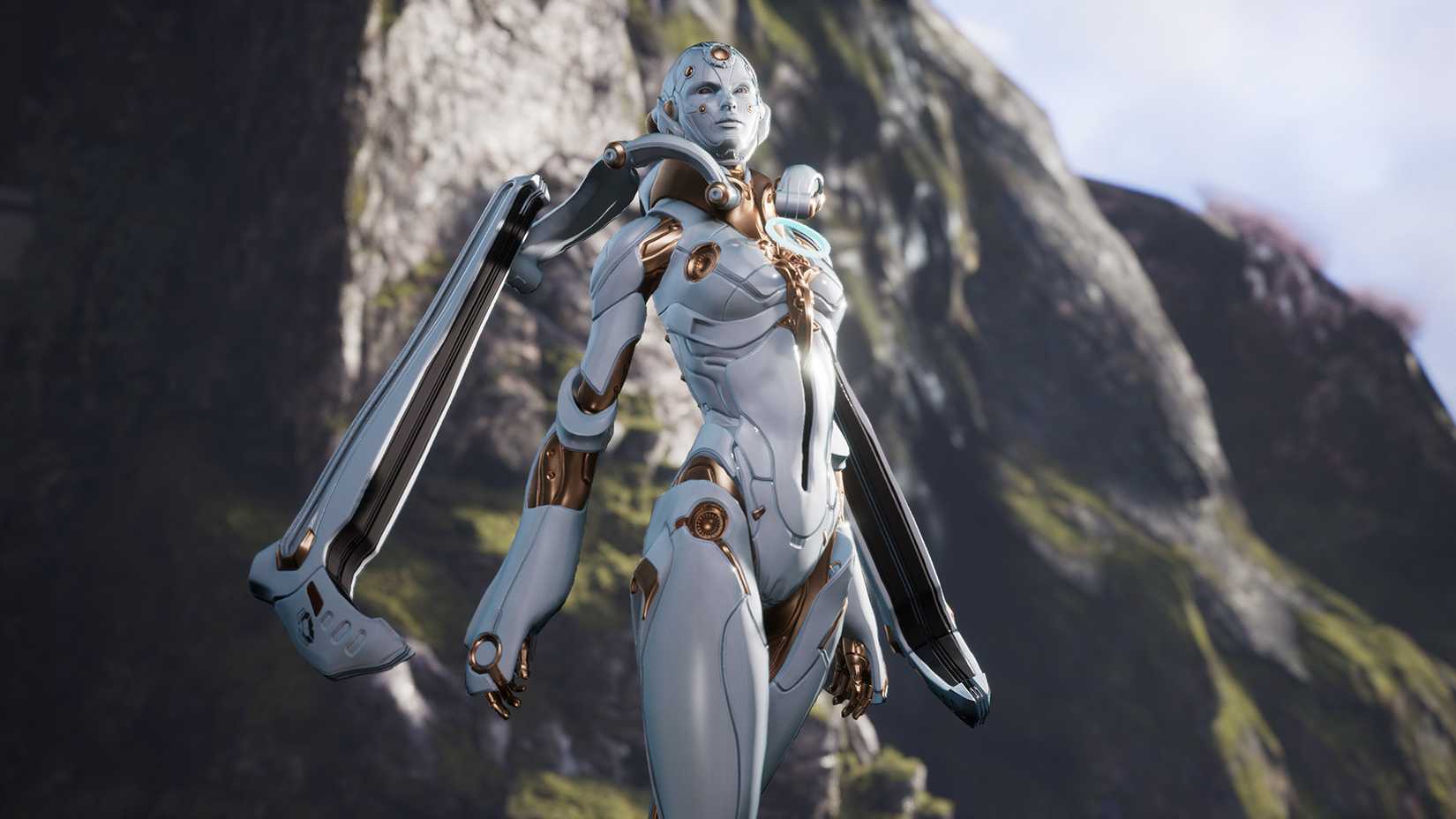
Date ended: Apr. 27, 2018
Paragon’s death hurts more than most because it didn’t do anything wrong.
Launched in 2016, Paragon was a 3D MOBA with a dedicated, engaged community. It sported gorgeous 3D visuals in line with third-person action games, despite its multiplayer online focus. Elevation played a significant role, allowing players to stage surprising ambushes in vertical spaces. And the heroes were memorable, with flashy moves that gave the game a personality all its own. Its dedicated community loved it.
Unfortunately, players at large didn’t respond as meaningfully to Paragon as they did to a separate project from the same publisher, a little game called Fortnite. As that other title began raking in revenue, Epic reassigned its development talent to the project that had already proven it had the ability to smash through revenue projections. With internal competition like that, Paragon never really stood a chance.
 Free sign-up
Get Polygon’s Wishlister newsletter
A weekly cheat sheet to what you’ll eventually love to play. No buying, no commitment — just saving for later.
Sign up freeFree. Unsubscribe anytime.
2 Evolve
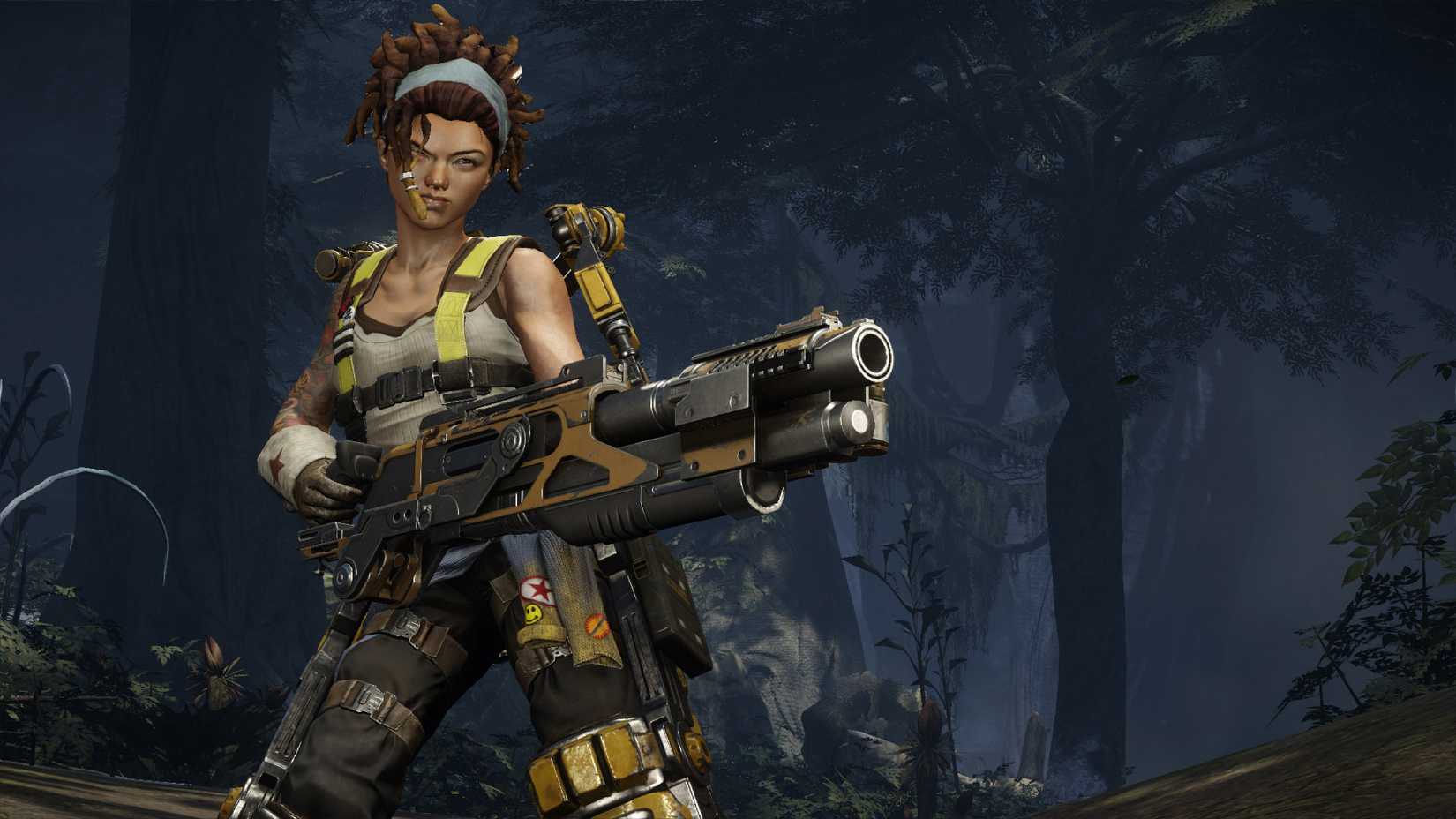
Date ended: Sep. 3, 2018
We owe Turtle Rock Studios gratitude for its work as a co-developer on the original Left 4 Dead, one of the most memorable zombie games ever made. It worked closely with Valve on that game, and even became part of the company for a period. Eventually, though, the two companies separated. The next project from the team was Evolve, and expectations were high.
In Evolve, rather than facing off against zombie hordes, players hunted one powerful monster, controlled by a separate human. The asymmetrical design felt fresh, and publisher 2K Games shipped millions of copies. But while players were enthusiastic about the premise, they didn’t love the title’s monetization. Getting everything available to buy at launch increased the price by more than $130, on top of $60 for the base game.
It’s a shame executives focused so heavily on microtransactions, because the core gameplay held a lot of promise. That said, matches could grow repetitive, especially if the player controlling the monster proved too capable of hiding until its strength matured. Even so, ongoing balance tweaks might have easily salvaged the less exciting aspects of the design and allowed Evolve to, well, evolve. Turtle Rock and 2K relaunched the game as a free-to-play experience in 2016 before dedicated servers finally folded in 2018. A 2022 attempt to revive it with fresh server support went nowhere, and there have been no signs of life since July 2023.
1 Gotham City Impostors
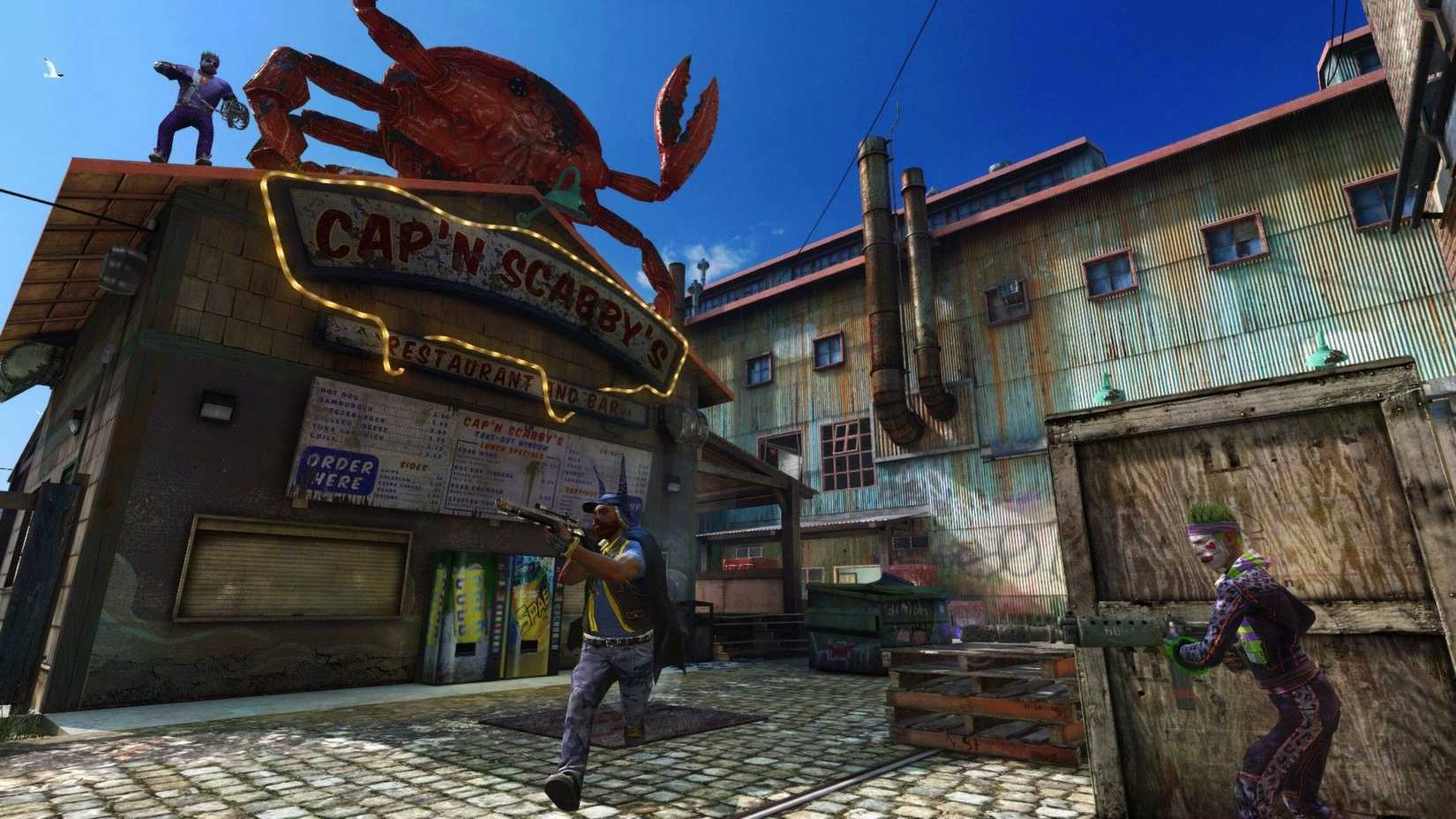 Image: Monolith Productions/Warner Bros. Interactive Entertainment
Date ended: July 25, 2014
At launch, Gotham City Impostors offered a fantastic shooting experience. Developed by Monolith Productions (the studio behind Middle-earth: Shadow of Mordor), the lively shooter cast players as the Bats and the Jokerz. The rival street gangs sped through outdoor arenas on skates, used grappling hooks to reach vantage points, glided between buildings, and more.
Combat was fast and frenzied, with knockoff versions of two beloved DC characters that had more than enough personality to carry a game. I had a lot of fun with it, even if I wasn’t especially good at it, and a lot of other players shared that experience.
Unfortunately, the game not only ended before its time, but launched ahead of its time and with bad infrastructure in place. Players likely would have responded more favorably if it had arrived in the middle of the superhero craze, or if matches weren’t so difficult to arrange, and it might also have endured if the GameSpy servers it relied on didn’t go away in 2014. That’s a lot of bad luck for a game that otherwise might still be around today.
On the positive side, Gotham City Impostors fans have found ways to continue playing online, with a dedicated group chat on Discord to organize events. But for most potential players, the game is just mostly dead.
What's Your Reaction?
 Like
0
 Dislike
0
 Love
0
 Funny
0
 Wow
0
 Sad
0
 Angry
0







Comments (0)