

7 years ago, Nintendo officially released the best anime RPG dramas of all time

Published Jul 12, 2026, 3:30 PM EDT
As Fodlan turns
 Image: Intelligent Systems, Koei Tecmo Games/Nintendo
When you think "soap opera," visions of hokey classics like Days of Our Lives probably come to mind. Or maybe some memories of Downton Abbey. Nintendo likely isn't high on the list of associations with the term, for good reason. Outside of the Xenoblade series, Nintendo’s storytelling style rarely approaches such levels of drama. But that didn't stop it and Intelligent Systems from making one of the best (and best-selling) video game soap operas ever on July 26, 2019: Fire Emblem: Three Houses.
Three Houses has four storylines — five, if you include the DLC expansion — but they're all facets of the same, big problem. Fodlan, the fictional nation in which Three Houses takes place, came into being generations in the past, the end result of unjust wars and a religion that sanctions severe social stratification. The Vatican City of that religion is Garreg Mach Monastery, which is also where all the up-and-coming nobles and ambitious peasants come to study and network. Byleth (that's you), fresh off a near-death experience and the realization that a tiny god lives inside them, is now an instructor here and picks which house and house leader for whom they effectively want to be patron.
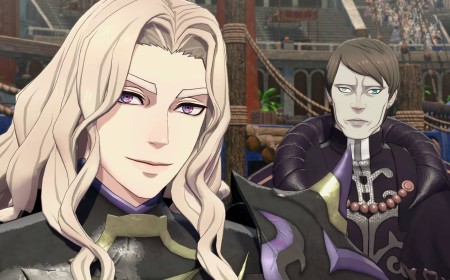
You've got the Black Eagles, a team primarily stacked with aristocratic brats who don't mind throwing their station around, helmed by their leader Edelgard, a determined warrior whose life mission is overthrowing the church and making a better world, no matter the cost. Then there's Dimitri and the Blue Lions, also a house with noble backgrounds, but whose members are typically the victims of their upbringings, rather than the passive enjoyers of privilege's bounty. Most of them want a return to the status quo for their homeland, which is understandable, since they're all too caught up in family trauma to form a coherent vision for anyone else's future. Finally, we've got the Golden Deer, a house with some (mostly) grounded nobles and a lot of highly capable poor folks. Their leader, Claude (no, not the AI), has an equalizing vision for Fodlan as well, though one that's got a bit less blood, fire, and death than Edelgard's. There's also technically the church itself, but there's no surprise in what that faction wants (more power, no change).
Your choice of allies determines the nation's future and the shape of the war that inevitably breaks it apart. But it also decides who gets to die sadly and horribly. Professor Byleth can recruit students from other houses to the one they co-lead, but if they don't join and later find themselves opposed to the ideology Byleth represents, it's curtains for them. Usually by your hand.
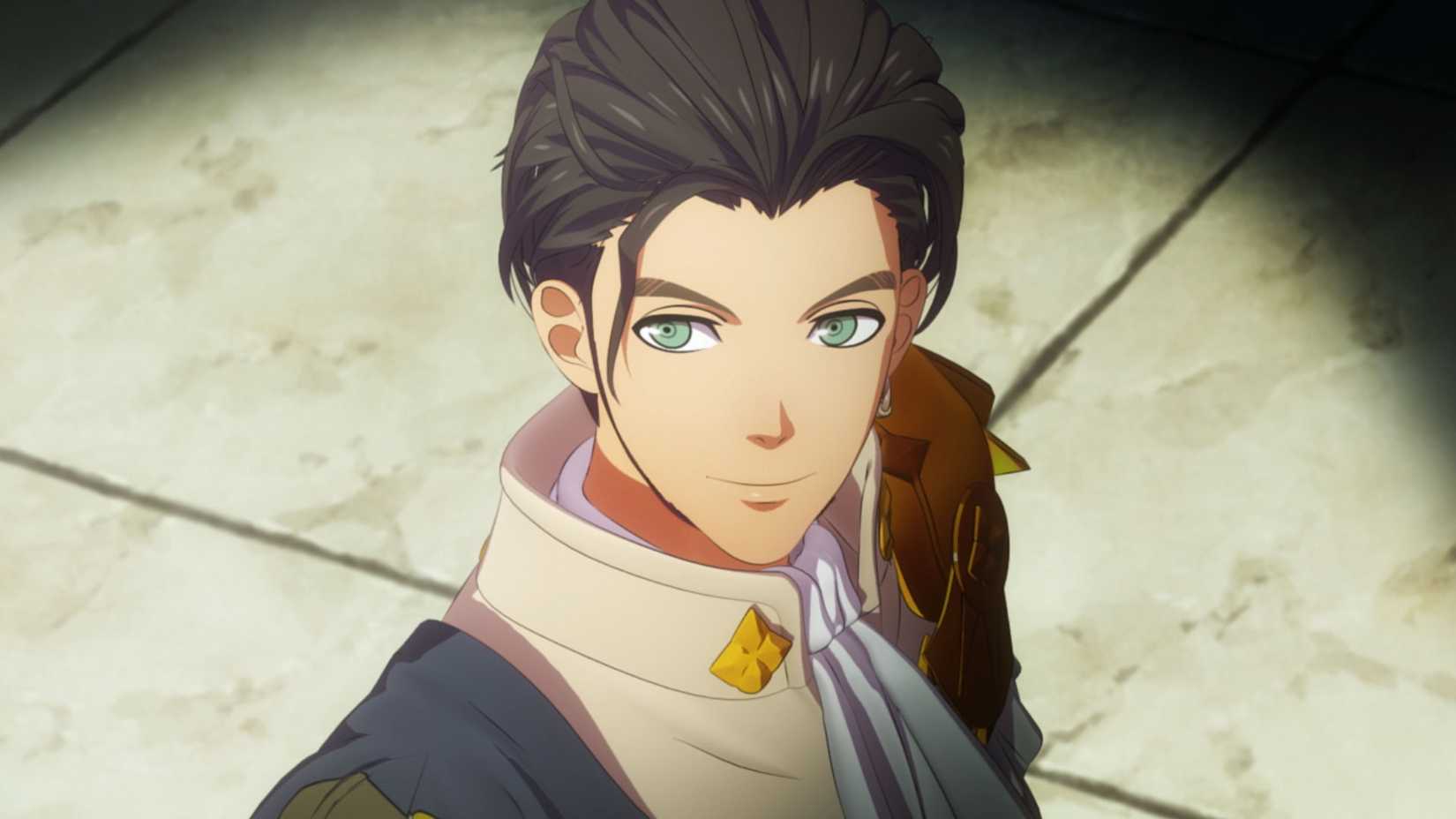 Image: Intelligent Systems, Koei Tecmo Games/Nintendo
I call Three Houses a soap opera for its melodrama, but really, the RPG ticks the boxes for most of the genre's generally accepted characteristics:
- Takes place mostly in a "home"-like setting
- Breaking or leaving that setting is a catalyst for major plot twists
- Overwhelming emphasis on family relationships (nearly everyone has family drama of some kind), sexual tension (they've got plenty of romantic drama, too), and personal betrayal (I mean, it's Fire Emblem)
- Moral conflicts play a big role
- Deus Ex Machina scenarios, where seemingly impossible problems end up having miracle solutions. Hooray for surprise gods and impeccably timed awakening of magical powers!
The soap opera genre has gained an unfortunate reputation. The bad soaps are really bad, irredeemably corny and just piling up drama without much thought beyond getting you to come back for the next episode. It's the equivalent of listening to gossip about someone for whom you have little interest. You don't really care, but it's juicy, so you stick around to see where it goes. The good ones make it personal or use the drama as a lens to examine important issues, or both.
 Nintendo
Three Houses is one of the good ones, and it does both thanks to an important change in how character relationships work. Most Fire Emblem games limit character development to support conversations, and you — both your character and you as a player — often have little connection to them. The stories can be good. They just seem a bit detached. Three Houses thrusts you into the lives of every character, casting you in a therapist-slash-confessor role that helps your students and allies gradually discover who they are and what they want.
Sure, Three Houses falls into the narrative trap that many games of its ilk fall into, where you're the most important person in the world, but the storytelling it leads to more than make up for that. The game's big themes — bigotry, classism, religious oppression, the tension between free will and duty, family ties, if "good" is still good when people suffer for it — all develop through these relationships.
Sylvain's lecherous behavior and Felix's predictable grouchiness stem from different aspects of neglect and toxic family responsibility. Hubert has a very good reason behind his borderline-dogmatic devotion to Edelgard, and it's tied to their twisted childhoods as much as it is to the history of their homeland. And how could you not feel for the likes of Ignatz and Rafael, who just want to lead normal, fulfilling lives in a world that isn't stacked against them?
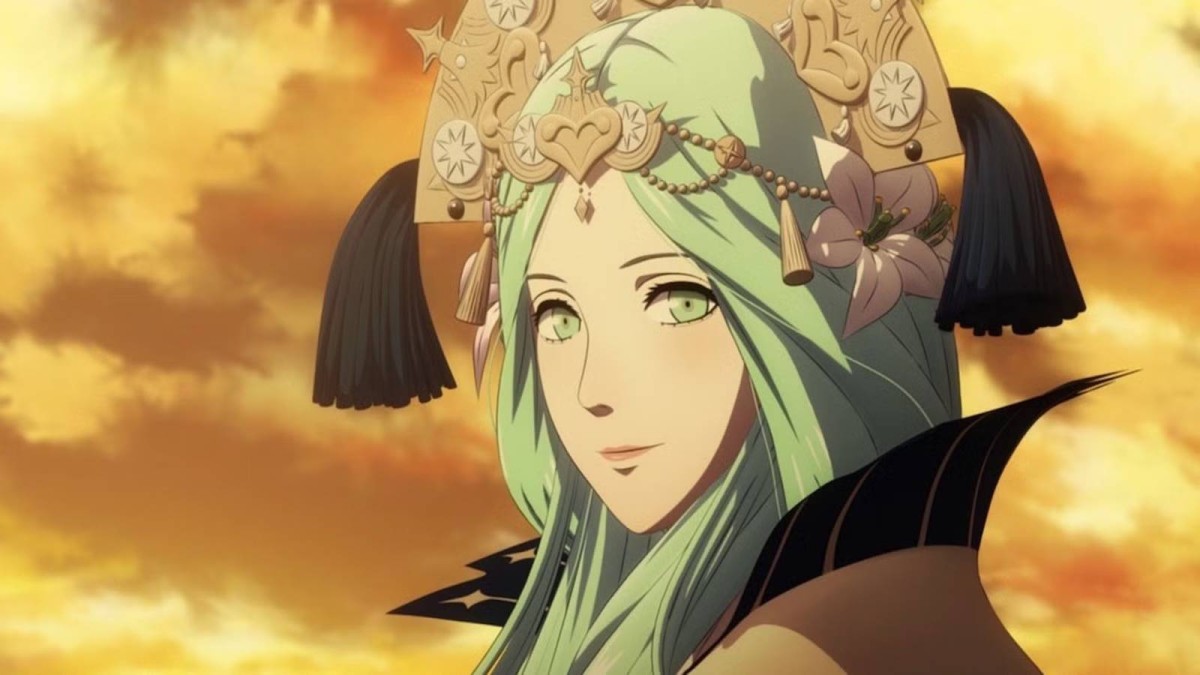
Corny as it sounds, you're turning your little corner of the monastery into a physical and emotional place to call home. And like any dysfunctional family, that home shatters when you have to take sides. It's a moment of earned emotional upheaval that stands out from most big Fire Emblem plot developments thanks to the closeness of those relationships. It's not just about what's going to happen to the Blue Lions or the Black Eagles or the church as a unit. It's about what's going to happen to Anna and her military father in the midst of all this, to the gentle Flayn, whose tranquil world of faith suddenly turns into a hellish nightmare. It's feeling the fire of conviction that motivates Dorothea to burn the world so it can be reborn in a kinder, more equitable shape and feeling your breath catch when Edelgard rises up and challenges Rhea, the matriarch of this miserable family. It's wondering when Dedue and Dimitri will finally just kiss and get it over with. (The answer is never; for all its handling of important topics, Three Houses is a big step backward for queer themes.)
The richness of the character drama makes Three Houses almost impossible to resist, at least for me. I've come back to it time and again over the last seven years, logging a good 200 hours in my quest to see every outcome for every character. And, more than better maps and changes in tactical combat, it's what I hope Intelligent Systems builds on in Fire Emblem: Fortune's Weave later this year.
What's Your Reaction?
 Like
0
Like
0
 Dislike
0
Dislike
0
 Love
0
Love
0
 Funny
0
Funny
0
 Wow
0
Wow
0
 Sad
0
Sad
0
 Angry
0
Angry
0






Comments (0)