

8 Sci-Fi Movies That Divided Critics At The Time But Are Now 10/10 Masterpieces

Published Sep 18, 2026, 5:32 AM EDT
Senior Music Editor at Screen Rant, Sarah's love of sound and story drive the beat. A globetrotting brand whisperer and award-winning journalist, she’s built cross-cultural narratives around the world—but music has always been her true north. She launched DJ Mag North America, successfully introducing the iconic UK brand to the U.S. market. Previously, she carved a space for EDM inside the pages of VIBE, blending electronic and hip-hop culture long before it was trendy.
Critics got an impressive amount wrong in the summer of 1982.
Blade Runner arrived in June to mixed reviews and an indifferent box office. That same month, The Thing was treated even worse, with some critics attacking John Carpenter's practical effects and bleakness. Both movies have since become textbook examples of films that stumbled on release before being recognized as classics.
That summer is one of the clearest examples of critical opinion aging badly, but it was hardly the only one. Across nearly a century of sci-fi, some of the genre's most celebrated movies were initially dismissed, misunderstood, or sharply divided critics before their reputations changed.
Sci-fi may be particularly vulnerable to being misunderstood the first time around. A movie can be too strange, too slow, or simply too far ahead of what audiences expect from the genre. The same critics who appreciate a rigorous, hard sci-fi movie may have a very different reaction to something deliberately surreal or abrasive.
Time has been exceptionally kind to the following films. Some were outright attacked when they premiered, while others split critics sharply enough that calling them masterpieces would once have started an argument. Decades of reissues, restored cuts, and repeat viewings changed the conversation.
Today, each looks less like a critical misfire and more like proof that sometimes a movie arrives before its reputation catches up.
The Thing
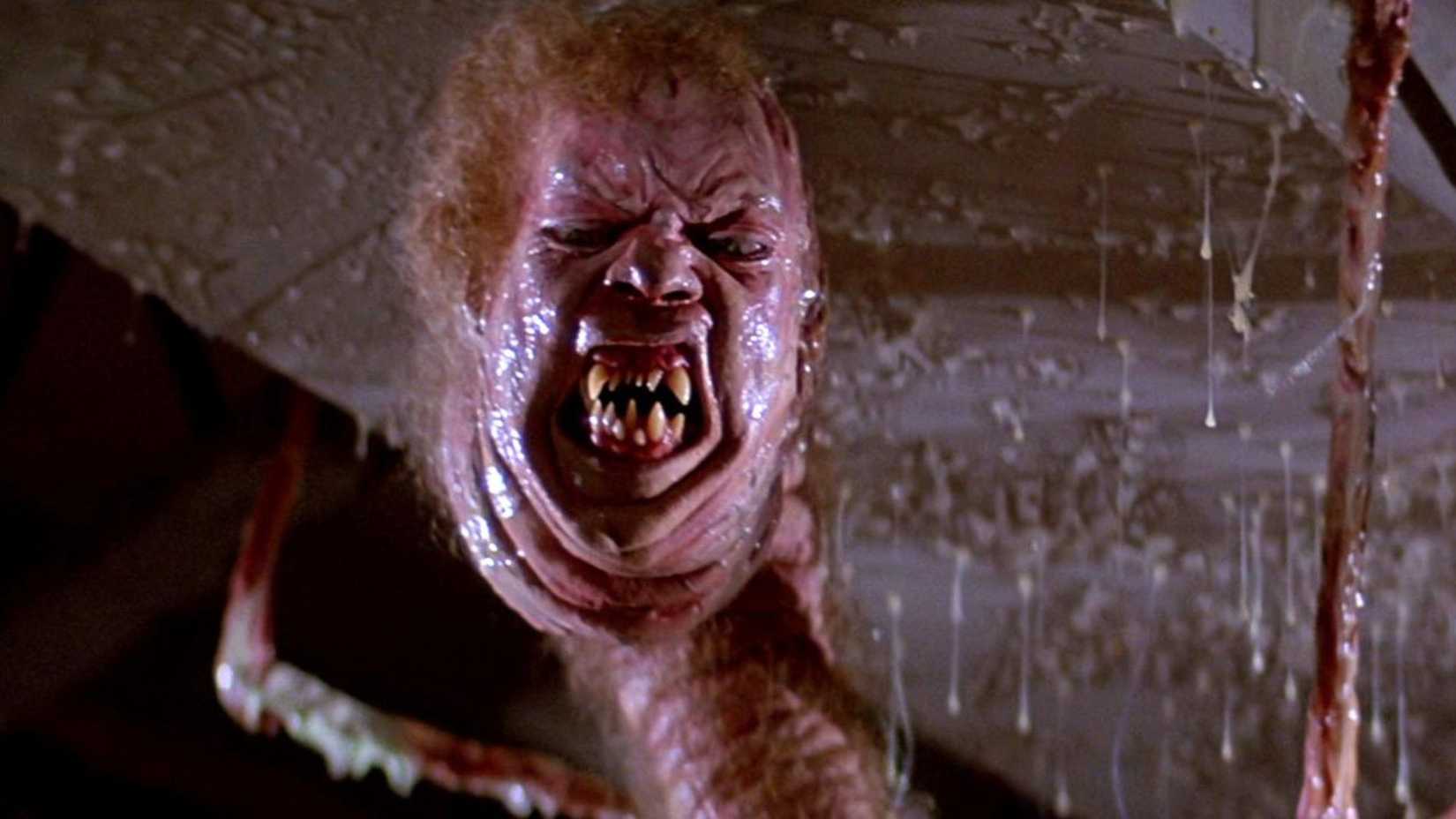
John Carpenter had every reason to think The Thing would work in 1982. Instead, critics tore into the movie's grotesque transformations, its relentlessly bleak tone, and an ending that refused to tell audiences exactly who had survived. Carpenter later described the film as an enormous failure that damaged his career.
Time vindicated almost every choice critics attacked. Rob Bottin's practical creature effects remain astonishing, while the Antarctic isolation turns a shape-shifting alien into a perfect engine for paranoia. Even the unresolved ending of The Thing has become one of its greatest strengths. What once looked excessively grim now feels precise, claustrophobic, and almost impossible to improve upon.
Interstellar

Interstellar received plenty of rave reviews in 2014, but the response was far more divided than its current reputation suggests. Christopher Nolan's enormous space epic drew criticism for its dialogue, emotional earnestness, and the idea that love might somehow matter alongside equations and black holes. The tesseract finale generated another round of debate.
A decade of repeat viewings dramatically changed the conversation. Hans Zimmer's score has become inseparable from the movie's identity, while its enormous IMAX imagery still makes the film feel built for a scale few modern blockbusters attempt. Among Nolan's sci-fi movies and influences, Interstellar now stands as one of the clearest examples of how spectacle and emotion can occupy the same story. The sentimentality critics questioned may be exactly why audiences kept returning to it.
Metropolis

H.G. Wells had very little patience for Metropolis. Reviewing Fritz Lang's film in 1927, the legendary science-fiction writer attacked its vision of the future as ridiculous and outdated. Other viewers admired the spectacle while questioning the story and politics underneath it.
Nearly a century later, arguing about whether Lang accurately predicted the future seems beside the point. The towering city, mechanized workers, and robot Maria helped establish a visual language that science fiction has borrowed ever since. The influence stretches from dystopian cinema to the futuristic cityscapes of movies like Blade Runner. Plenty of sci-fi adventure movies have aged beautifully, but few can claim that filmmakers are still borrowing images they introduced almost 100 years ago.
Starship Troopers
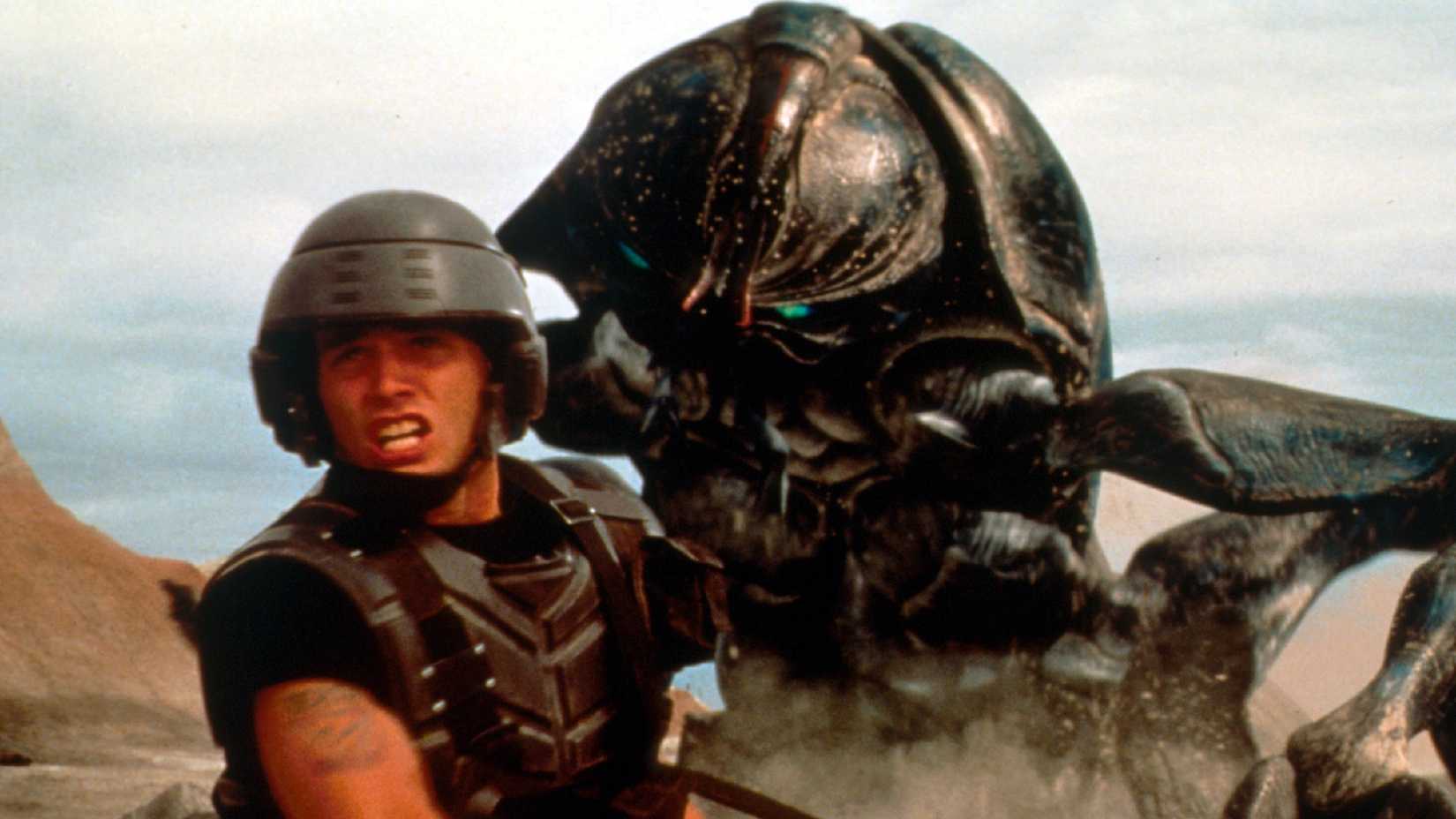
Paul Verhoeven made a movie about fascism so straight-faced that a surprising number of people thought he was endorsing it. Starship Troopers arrived in 1997 looking like an expensive, violent war movie populated by impossibly attractive young soldiers firing machine guns at giant insects. Many reviews treated that surface as the entire film.
The satire becomes harder to miss with every propaganda broadcast and cheerful recruitment message. Verhoeven turns the language of military heroism into something absurd enough to expose the society underneath it, an idea explored further in the movie's fascism and military satire. Its exaggerated performances and shiny artificiality are part of the joke. What some critics dismissed as stupidity now looks like one of the smartest tricks the movie pulled.
Blade Runner

Blade Runner entered theaters carrying enormous expectations and left with mixed reviews, disappointing ticket sales, and a studio-imposed version Ridley Scott never considered definitive. Harrison Ford's explanatory voice-over and the unusually upbeat theatrical ending were attempts to make a deliberately ambiguous movie easier for audiences to digest.
Home video and later cuts finally gave the film room to breathe. Scott's restored versions stripped away much of that interference, allowing the questions surrounding Deckard, Rachael, and what separates humans from replicants to remain unresolved. Its visual DNA became almost unavoidable in future science fiction, while Blade Runner 2049 later expanded the different types of replicants and philosophical questions of the original. The movie once considered too slow and opaque became the template everyone else wanted to borrow.
The Fountain
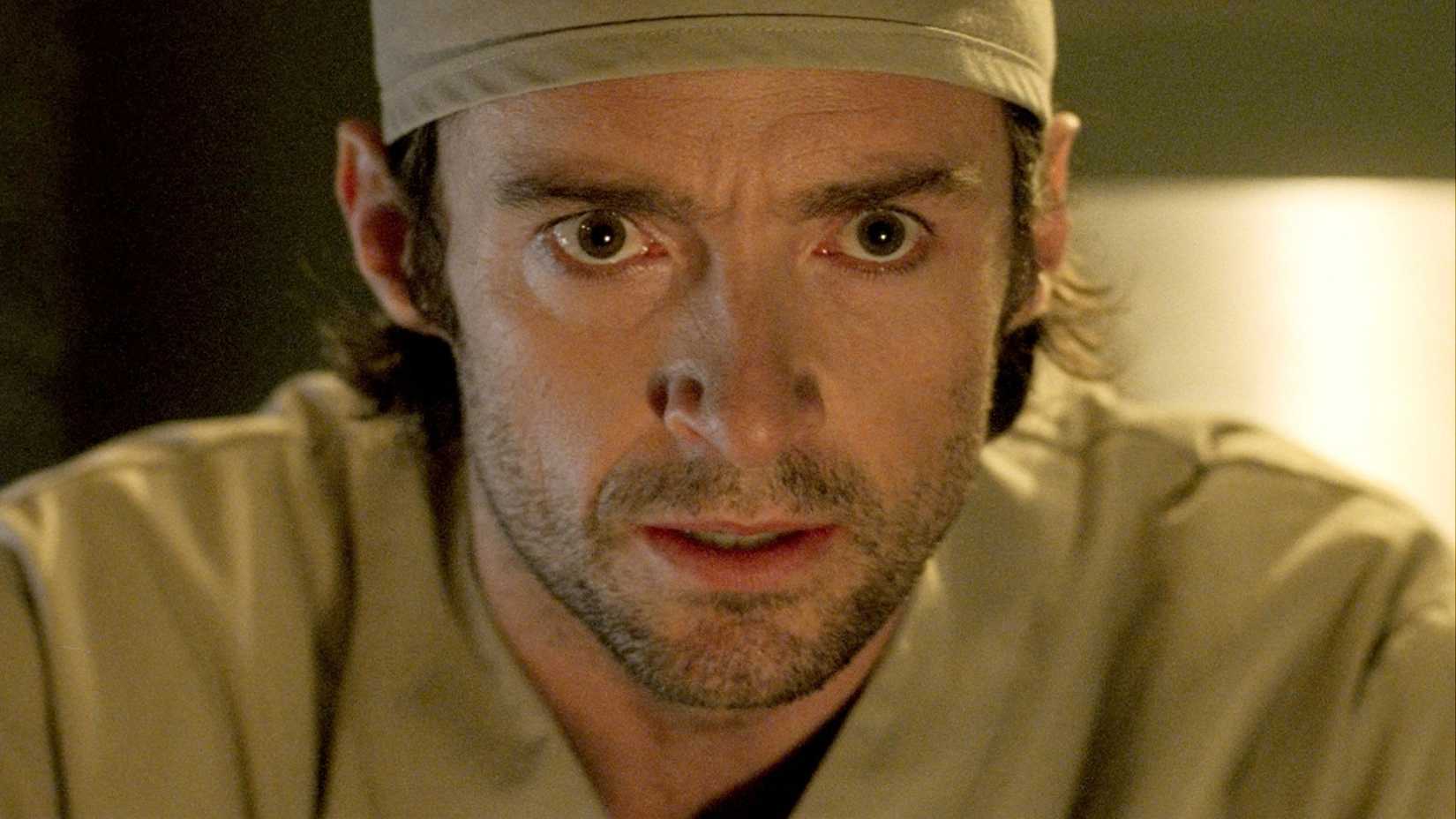
Few movies announce their divisiveness as efficiently as getting booed at a major film festival. The Fountain received exactly that response at Venice in 2006, although its public screening reportedly earned a lengthy standing ovation soon afterward. Darren Aronofsky's meditation on death, grief, and eternal life was attracting wildly different reactions before it even reached regular theaters.
The film still asks viewers to meet it on its own strange wavelength. Hugh Jackman's characters exist across different periods that may be literal, symbolic, or both, while Aronofsky uses recurring images rather than straightforward explanations to connect them. That ambiguity frustrated plenty of critics in 2006. It is also why the movie rewards revisiting. The Fountain never became universally loved, but its cult reputation makes the original hostility look increasingly shortsighted.
2001: A Space Odyssey
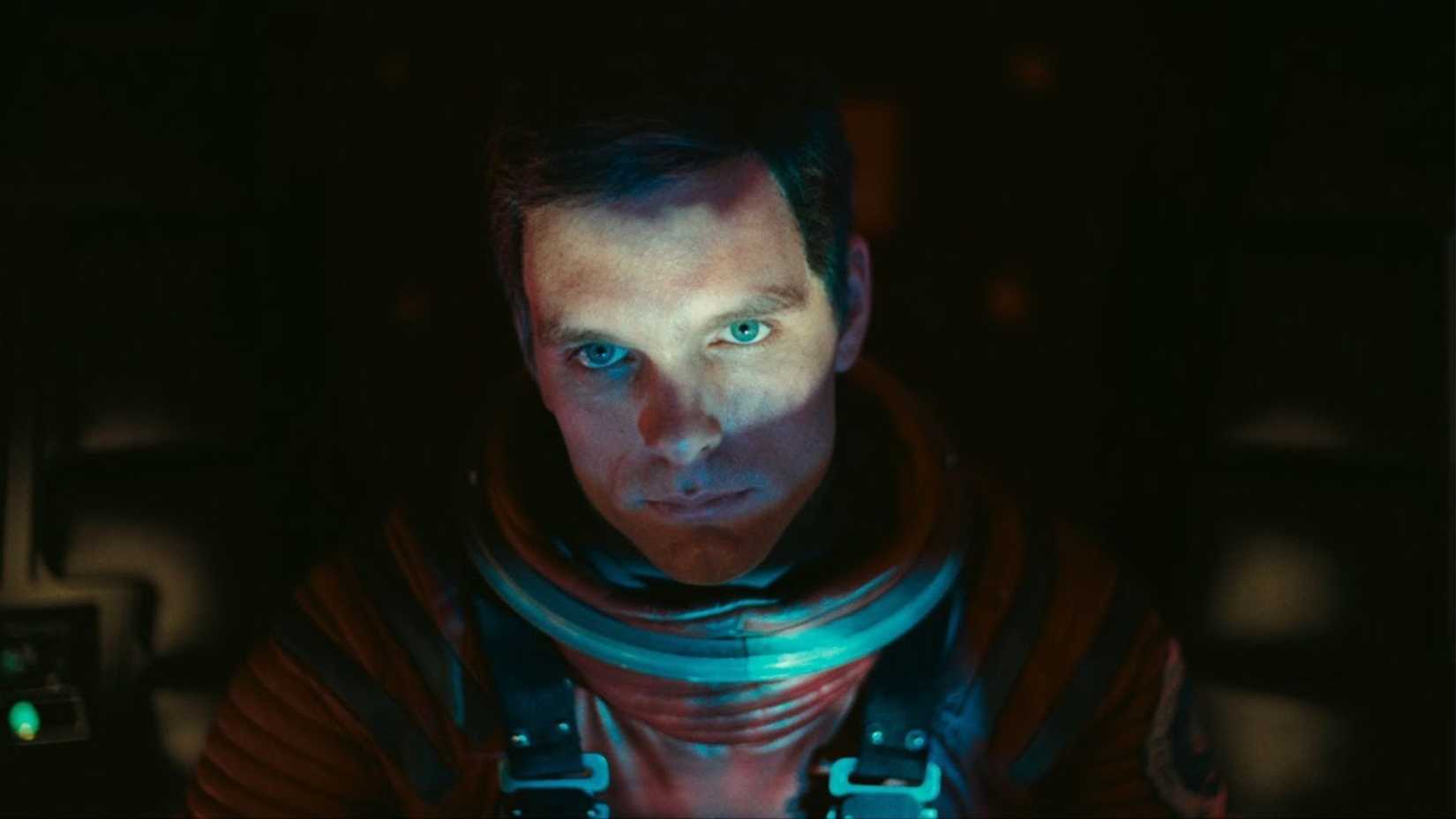
Stanley Kubrick gave audiences very little of what a major studio science-fiction film was expected to provide in 1968. Long stretches pass without dialogue, its structure refuses conventional plotting, and the final journey through the Star Gate offers images instead of convenient answers. Some critics immediately recognized its ambition. Others reacted with open hostility.
The movie eventually became so canonical that the original resistance can sound almost unbelievable. Its spacecraft still feel tangible, HAL 9000 remains one of cinema's most unsettling artificial intelligences, and the leap from prehistoric Earth to orbit remains among the greatest edits ever put on film. James Cameron has repeatedly discussed Kubrick's film as a formative influence, which makes 2001 a natural companion to the sci-fi movies Cameron considers essential. The mystery critics once treated as a weakness became part of its permanence.
A.I. Artificial Intelligence

Release Date June 29, 2001
Runtime 146 minutes
Producers Bonnie Curtis, Jan Harlan, Kathleen Kennedy
A.I. Artificial Intelligence seemed almost designed to confuse expectations in 2001. Stanley Kubrick had developed the project for years before Steven Spielberg finally directed it, leaving critics eager to identify where one filmmaker supposedly ended and the other began. The final act became especially contentious, with Spielberg accused of softening Kubrick's darker vision.
That interpretation aged awkwardly once more became known about the production. Many elements dismissed as sentimental Spielberg touches, including much of the ending, originated with Kubrick's conception of the story. Roger Ebert also famously reconsidered the film, eventually adding it to his Great Movies collection after criticizing aspects of it on release. Seen now, David's endless desire to be loved feels far crueler than the supposedly comforting ending suggests. Humanity disappears; the machine programmed to love is still waiting for someone to love him back.
Sources: The Guardian
What's Your Reaction?
 Like
0
Like
0
 Dislike
0
Dislike
0
 Love
0
Love
0
 Funny
0
Funny
0
 Wow
0
Wow
0
 Sad
0
Sad
0
 Angry
0
Angry
0






Comments (0)