

9 Greatest Heatwave Horror Moves Ever Made
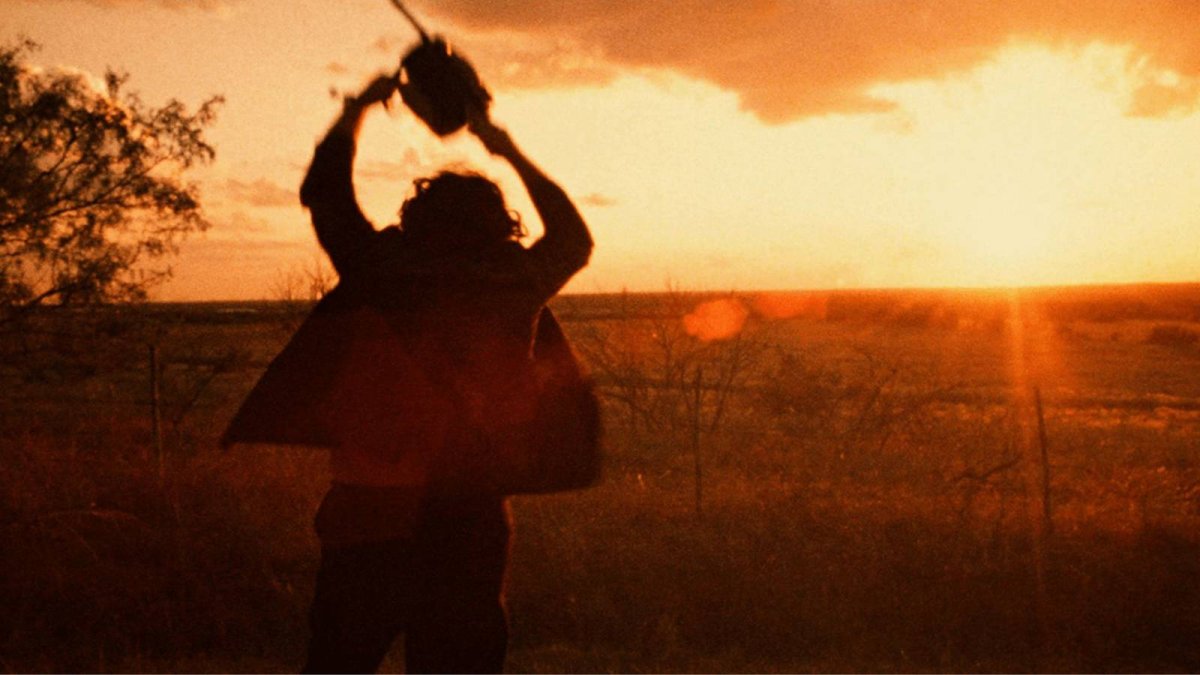
While many horror movies use darkness to create fear, the Sun’s oppressive heat has prompted some thrilling frights that are perfect viewing during a stifling heatwave. There is something uniquely unsettling about horror that unfolds beneath a blazing sun. When the temperature rises high enough, the environment itself becomes a threat. Every decision feels harder, every movement takes more effort, and even basic survival becomes a challenge.
Heatwave horror occupies a fascinating corner of the genre. These films aren't simply set during summer, nor are they merely stories that happen to take place outdoors in warm weather. Instead, the oppressive heat actively shapes the narrative, influencing characters' behavior, clouding judgment, and turning landscapes into hostile environments. The weather isn't just background scenery – it's one of the villains.
That distinction separates these films from summer-set classics such as Midsommar or The Wicker Man. While those movies certainly feature sunshine and seasonal themes, they typically focus more on rituals and communities who are frequently welcoming the summer’s arrival, not dealing with the complications the heat brings.
Heatwave horror is different. It traps characters in unbearable conditions where relief is nowhere to be found, while the sun feels as dangerous as whatever else might be hunting them. In no particular order, these are some of the greatest heatwave horror movies ever made.
247°F (2011)

Few horror premises are as immediately uncomfortable as being trapped inside a slowly heating sauna. 247°F understands this simple but effective concept and wastes little time turning an everyday relaxation activity into a relentless survival scenario. It isn't a battle against supernatural forces or masked killers, but against the temperature itself.
While this might sound limiting, it's precisely what makes 247°F effective. As the heat continues to rise, the characters experience dehydration, exhaustion, confusion, and mounting panic. The horror comes from watching the human body gradually fail under extreme conditions while escape remains frustratingly out of reach.
247°F never pretends to be a groundbreaking reinvention of the genre, but it doesn't need to be. Its strength lies in its simplicity. Anyone who's ever felt uncomfortably hot can instantly relate to the nightmare.
The Ruins (2008)
 Original SR Image by Shawn Lealos.
The Ruins takes a seemingly idyllic vacation setting and transforms it into a miserable experience. A group of young tourists ventures to a remote archaeological site expecting adventure, only to become trapped atop an isolated ruin with no way out.
Much of the atmosphere is driven by how the heat wears everyone down long before the central horror fully reveals itself. The characters become dehydrated, sunburned, exhausted, and increasingly desperate, forcing them inside the dangerous temple.
 Related
The Ruins' Alternate Ending Was Even Scarier: Why It Changed
The Ruins' alternate ending, which can be viewed in the movie's unrated version, was better than the version the filmmakers chose for the final cut.
Under those conditions, even small disagreements quickly escalate into major conflicts. By the time The Ruins’ horrifying plant-based threat begins demonstrating its true capabilities, the group is already physically and emotionally exhausted. The result is a particularly nasty combination of environmental survival horror and body horror.
Revenge (2017)

Few horror-adjacent thrillers use extreme heat as effectively as Revenge. Director Coralie Fargeat crafts a visually stunning nightmare in which the desert becomes just as dangerous as the people inhabiting it. It depicts a young woman left for dead after a brutal assault, only for her presumed killers to discover that survival is far from impossible.
The desert feels endless, hostile, and almost mythical. The sun never seems to relent, baking every character and magnifying every wound. Injuries that would already look painful become excruciating when exposed to such relentless conditions.
Sweat, blood, and dust blend together, until the landscape itself appears to be swallowing everyone whole. Part of what makes Revenge so memorable is the contrast between the desert’s beauty and its brutality. In many ways, the desert functions as an impartial judge, punishing everyone unfortunate enough to cross it.
Wolf Creek (2005)
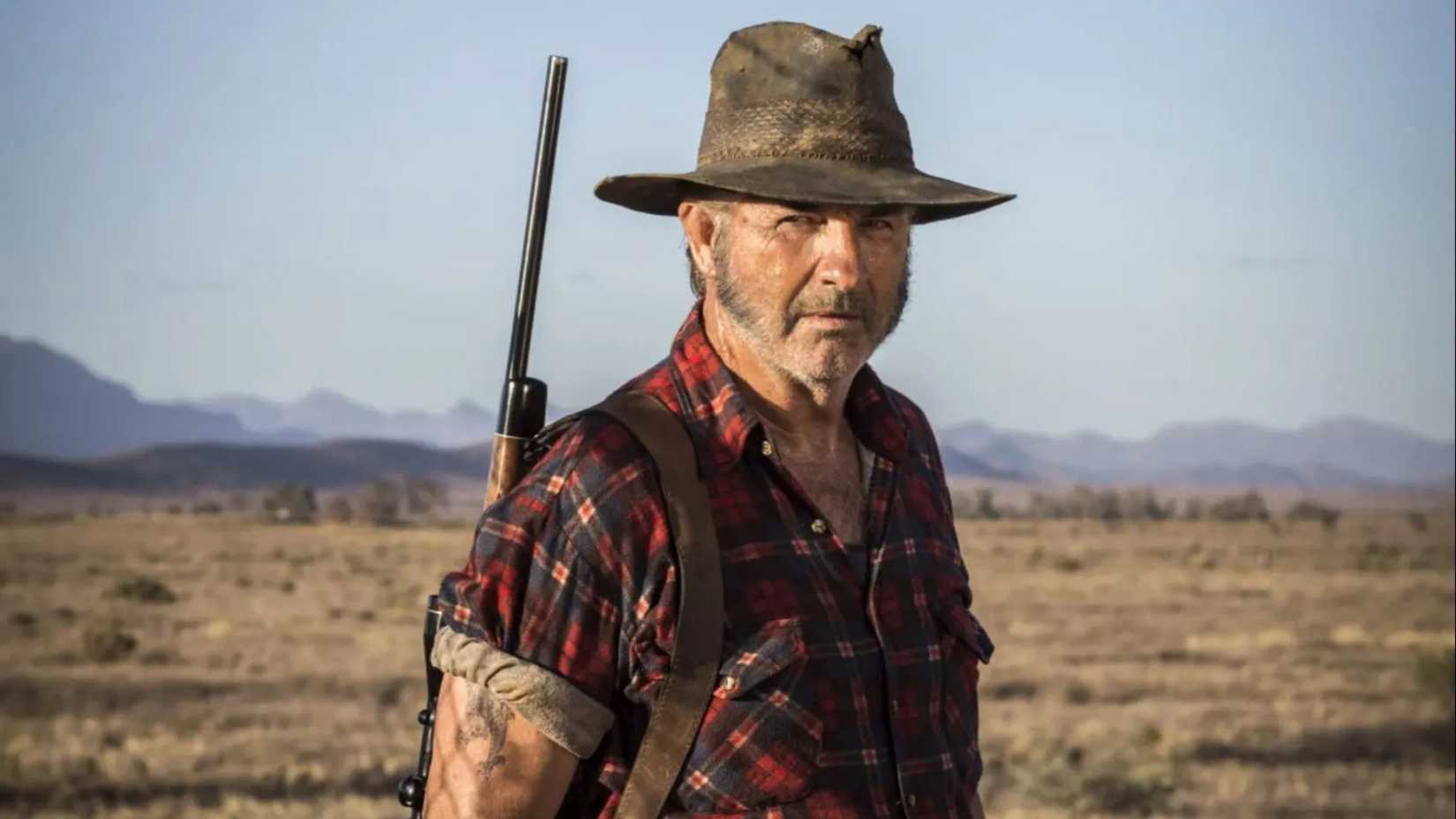
When Wolf Creek was first released, critical reactions were mixed, with some reviewers dismissing it as another brutal entry in the wave of early-2000s torture porn. Over time, however, Wolf Creek has undergone a significant critical reassessment and is now widely regarded as one of Australia's most effective horror movies.
Much of that success comes from how it weaponizes the Australian landscape. The vast outback initially appears beautiful and inviting, a dream destination for adventurous travelers. As the story of backpackers being hunted and slaughtered in the Outback unfolds, that same sun-baked wilderness becomes a nightmare.
Combined with the merciless heat and isolation, Wolf Creek creates a horror experience that's difficult to shake. The sequels are entertaining, but the original remains the strongest exploration of these themes.
The Texas Chainsaw Massacre (1974)
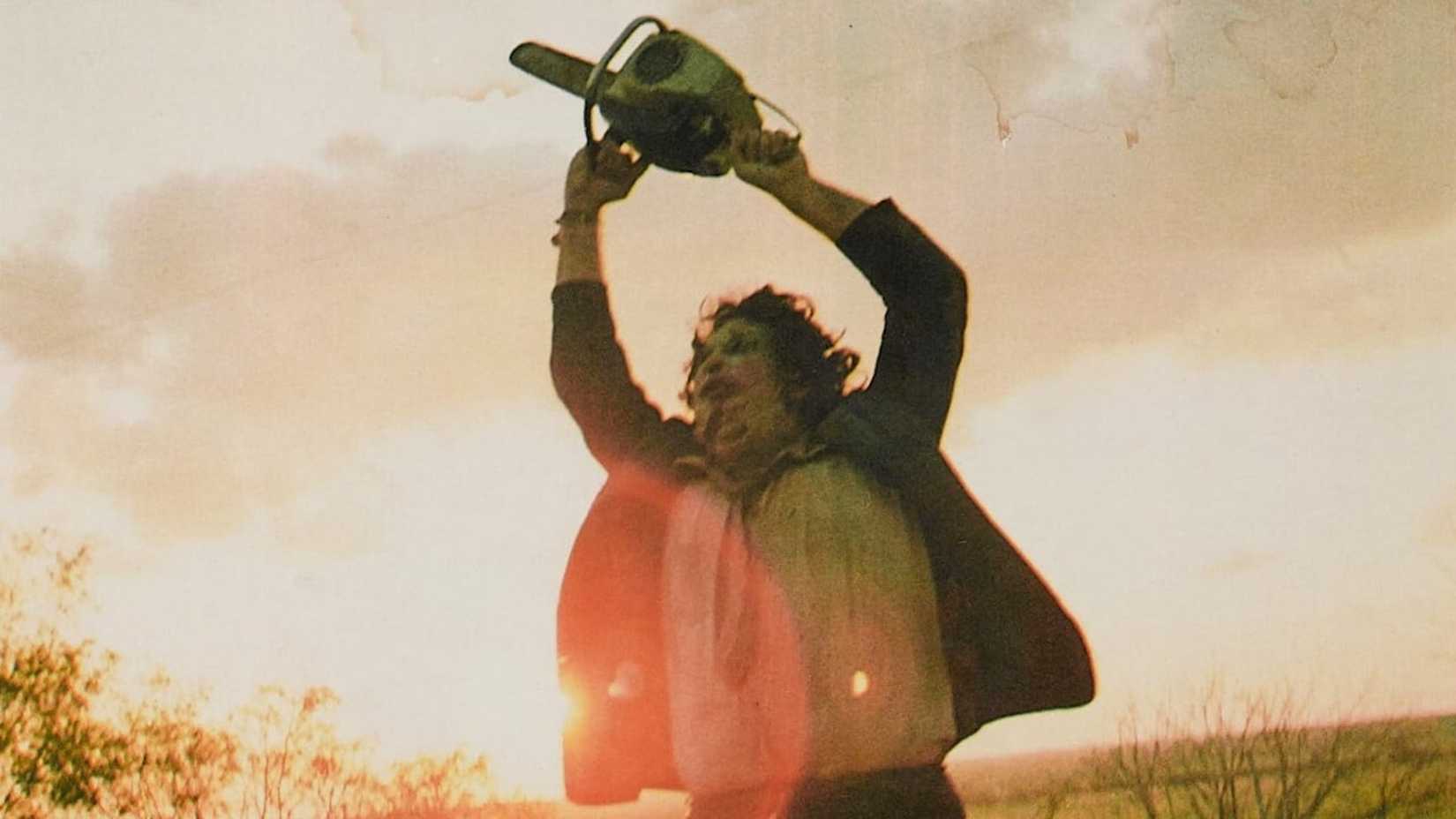
Few horror movies make audiences feel physically uncomfortable quite like The Texas Chainsaw Massacre. The characters are perpetually drenched in sweat, the air feels thick and stagnant, and even the walls of the Sawyer house seem to glisten under the oppressive Texas heat.
The blazing sun is present throughout and there is nowhere to cool off or nowhere to hide. While the original remains the undisputed masterpiece, the franchise has consistently returned to this idea.
The Texas Chainsaw Massacre 2 deserves far more appreciation for embracing dark comedy while maintaining the same sweaty atmosphere, while the 2022 Texas Chainsaw legacy sequel used barren landscapes and relentless sunlight to create a surprisingly effective modern nightmare. No matter the version, the heat remains one of the franchise's most reliable villains.
Wake In Fright (1971)

Whether or not Wake In Fright qualifies as a horror movie depends on who you ask, but it unquestionably feels like one. The story follows a schoolteacher stranded in the Australian outback after a series of bad decisions leaves him trapped in a remote mining town.
As the days pass, he sinks deeper into alcoholism, self-destruction, and emotional collapse. Despite no supernatural threats lurking in the shadows, Wake In Fright remains profoundly unsettling. A huge part of that comes from the heat.
The landscape feels relentlessly hostile, baking everything beneath a merciless sun. Dust, sweat, and exhaustion dominate nearly every scene. The temperature seems to strip away social niceties and self-control, exposing darker impulses underneath. The result captures the psychological toll of isolation and extreme conditions with startling effectiveness.
The Hills Have Eyes (1977)

Like many great heatwave horror films, The Hills Have Eyes turns an unforgiving landscape into a weapon. The original film from director Wes Craven strands an ordinary family in a remote desert where help is impossibly far away, and survival depends on adapting faster than their attackers.
The desert setting is crucial to the film's effectiveness. The endless open terrain offers little protection from the sun and even less chance of rescue. Every mile of empty wilderness reinforces the characters' vulnerability, making encounters with The Hills Have Eyes' cannibalistic antagonists even more terrifying.
Subsequent entries continued exploring the same concept. Both the sequel and the 2006 remake use the desert as an inherently hostile environment that punishes outsiders for underestimating it. The heat, isolation, and scarcity of resources create tension long before the violence begins.
The Sand (2015)

Sometimes a movie doesn't need a massive budget to deliver a memorable horror premise. The Sand, also known as Killer Beach, takes a simple beach party premise and throws mysterious killer sand into the mix, with some delightfully silly results.
An ordinary sunny day at the beach becomes a desperate survival situation, with the characters trapped on picnic tables, cars, and lifeguard towers while trying to figure out what is hunting them beneath the surface. The Sand fully embraces its B-movie roots and never pretends to be prestige horror.
Instead, it focuses on delivering creative kills, escalating tension, and a steady stream of absurd situations. The beach setting horrifies one of the most cherished heatwave locales and delivers a tale that is both good and so-bad-it’s-good a the same time.
Send Help (2026)
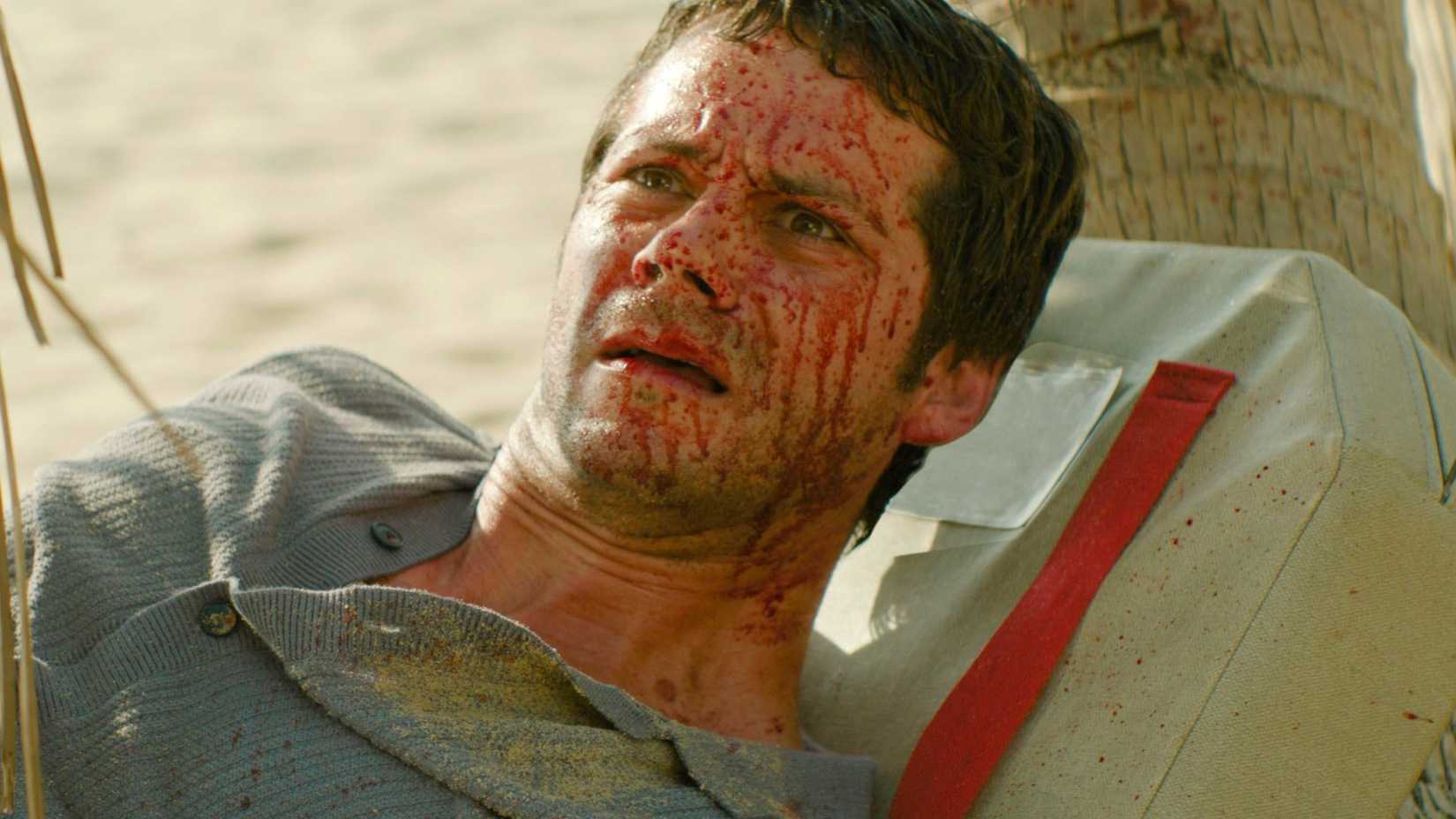 © Walt Disney Studios Motion Pictures / Courtesy Everett Collection
Directed by horror master Sam Raimi, Send Help takes a familiar survival premise and injects it with the tension, dark humor, and horror sensibilities that have defined much of the director's career. Consequently, Send Help feels a little a lot Cast Away filtered through a much more sinister lens.
After a plane crash leaves them stranded on a remote island, an employee and her boss must work together to survive. The dynamic quickly becomes the film's greatest strength. Linda possesses practical survival skills and adapts surprisingly well to island life, with her boss becoming dependent upon her.
The tropical setting initially appears idyllic, but interpersonal conflicts grow increasingly volatile. By turning paradise into a pressure cooker, Send Help demonstrates that survival horror doesn't require monsters when the environment is already doing an excellent job.
-

Wolf Creek
Release Date December 25, 2005
Runtime 99 minutes
-

-

-

247 Degrees Fahrenheit
Release Date September 1, 2011
Runtime 88 minutes
Director Beqa Jguburia
Writers Lloyd S. Wagner
Producers Levan Kobakhidze, Nick Apriashvili, Levan Bakhia
-

Scout Taylor-Compton
Jenna
-

-

-

-
-

Texas Chainsaw Massacre
Release Date February 18, 2022
Director David Blue Garcia
Writers Chris Thomas Devlin, Fede Alvarez, Rodo Sayagues
Cast
-
-

The Sand
Release Date August 28, 2015
Runtime 84 minutes
Director Isaac Gabaeff
Writers Alex Greenfield
Producers Jacob Silver, Gato Scatena
-







What's Your Reaction?
 Like
0
Like
0
 Dislike
0
Dislike
0
 Love
0
Love
0
 Funny
0
Funny
0
 Wow
0
Wow
0
 Sad
0
Sad
0
 Angry
0
Angry
0










Comments (0)