

9 Years Ago, One Dating Sim Taught Me to Never Trust Dating Sims

Published Sep 18, 2026, 1:00 PM EDT
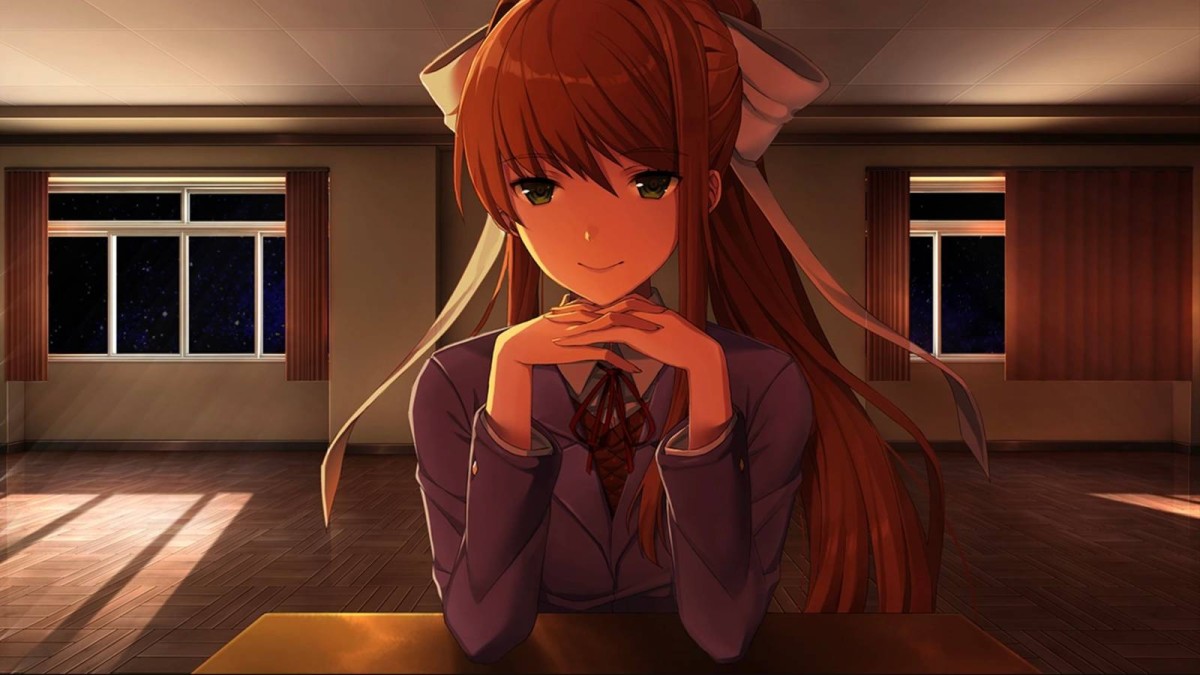
Just you and Monika forever
 Image: Team Salvato
Sign in to your Polygon.com account
You join a school club at a friend’s invitation. Three girls welcome you in, each a familiar type: the sweet one, the standoffish one, the shy bookworm. You write poems to get closer to whichever one catches your eye, adorable chibi sprites blink and smile, and a gentle piano loop plays underneath as everyone giggles. This is the expected setup for anime dating sims — which are good, and there are many of them! But you’ll soon learn that this is not one of those games. Nine years ago, one title taught its players to stop trusting games like this. Doki Doki Literature Club fooled us all. Be honest: If you’ve played it, have you been able to look at a cute dating sim the same way ever since?
Doki Doki Literature Club is a free PC and mobile game made by Team Salvato which was released nine years ago this month, in September 2017. In it, you play a high schooler talked into joining the Literature Club by his childhood friend Sayori, where he meets Natsuki — a prickly girl obsessed with baking; Yuri, a quiet member with a passion for horror novels; and Monika, the club’s poised, seemingly perfectly normal president.
Content warning: this piece mentions depression and self-harm as depicted in the game.
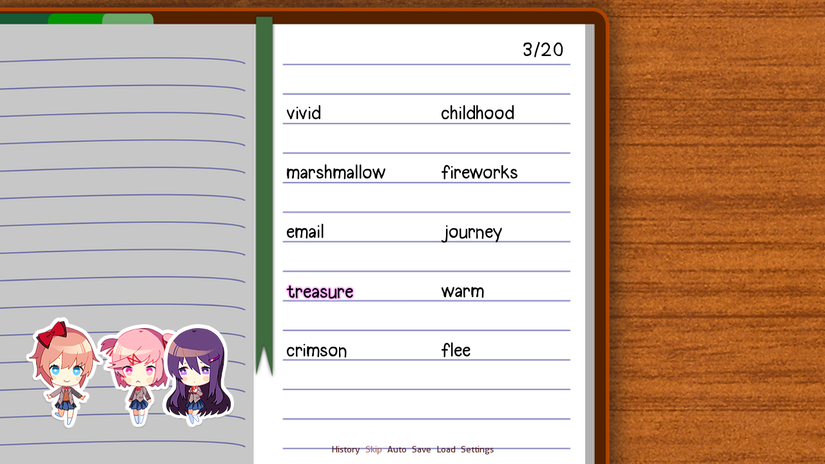 A typical scene from early on in Doki Doki Literature Club. Team Salvato
Monika is not perfectly normal. As the game progresses — you’re discussing books, you’re writing poetry, you’re getting ready for various school festivals — she becomes aware that she is a character in a game. She decides to do something about that fact, including but not limited to deleting other characters’ files outright, rewriting scenes to remove people who stand between her and you, and corrupting the game’s code to keep your nascent love story running exactly how she wants it. (Romantic!) She’ll use the actual system name of your PC when talking to you. She’ll notice, and mention, if you’re streaming while you play. At one particularly low point of the game, to make progress, you’ll need to find and delete a specific file on your own hard drive.
This meta-nightmare would be scary enough (how can you escape a bad date if the date keeps crawling out of the game code? Asking for a friend) without the extremely heavy subject matter within the content itself. The girls Monika pushes aside to get to you are not doing well. Sayori’s story is seeded with small, easy-to-miss clues about her profound depression. Natsuki’s tough home life is implied through the kind of details you first need to actively notice and then actively cannot miss; and Yuri’s fixation on the protagonist curdles into self-harm…something troublingly foreshadowed in the poems she writes and shares with the group.
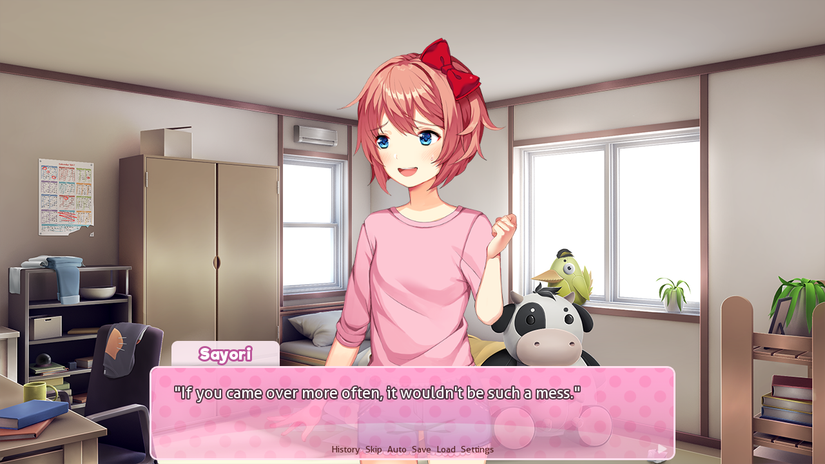 The game looks like your typical dating sim ... at first.Team Salvato
Over time, you come to realize that as the player character, you’re responsible for a significant share of these young women’s misery. They are playthings for you to pursue or reject at will. This is true for most dating sims, but what makes Doki Doki unique is that all the girls seem to be aware of this dynamic to varying degrees — and it’s torture to them. While the story tackles serious topics, they’re not played for mere shock value — the game comes with content warnings — and a later edition added stories that flesh out each girl’s arc beyond the horror game structure. Or, if you’re so inclined, years after the game’s 2017 release, a fan-made mod called Monika After Story lets players extend their time with her indefinitely, past the game’s canon ending.
That balance — the game’s mission to traumatize you while giving the girls’ struggles gravity — is one of the reasons the game’s still sparking Reddit debates today. Some longtime visual novel readers argue that the genre-savvy horror elements overshadow what could have been a more grounded story about mental health. Others, especially newcomers to dating sims or text-heavy games, cite the same structure as the reason the game hit as hard as it did. You can’t easily separate the horror from the humanity when both are baked into the same experience.
 Free sign-up
Get Polygon’s Wishlister newsletter
A weekly cheat sheet to what you’ll eventually love to play. No buying, no commitment — just saving for later.
Sign up freeFree. Unsubscribe anytime.
Doki Doki Literature Club runs about four hours, most of which doesn’t feel like a horror game at all. It’s adorable. It’s charming. The credits song, “Your Reality,” a deceptively bubbly tune, plays as one of gaming’s more devastating final scenes rolls onscreen. This game accomplished something most horror games don’t even manage: It made an entire genre feel suspicious by association. Never will I ever be able to play a dating sim again without a tiny fear in the back of my mind, wondering if Monika is lurking in the background of a shot, nulling out my dialogue options or reducing a love interest to a pile of glitched-out pixels. And, fair warning, once you’ve played Doki Doki Literature Club, you’ll have a hard time fully trusting your next dating sim, too.
What's Your Reaction?
 Like
0
Like
0
 Dislike
0
Dislike
0
 Love
0
Love
0
 Funny
0
Funny
0
 Wow
0
Wow
0
 Sad
0
Sad
0
 Angry
0
Angry
0





Comments (0)