

Babylon 5 Was As Good As The Biggest '90s Space Opera But Had A Fraction Of Its Success


Published Aug 9, 2026, 11:00 PM EDT
Dhruv is a Lead Writer in Screen Rant's New TV division. He has been consistently contributing to the website for over two years and has written thousands of articles covering streaming trends, movie/TV analysis, and pop culture breakdowns.
Before Screen Rant, he was a Senior Writer for The Cinemaholic, covering everything from anime to television, from reality TV to movies.
After high school, he was on his way to become a Civil Engineer. However, he soon realized that writing was his true calling. As a result, he took a leap and never looked back.
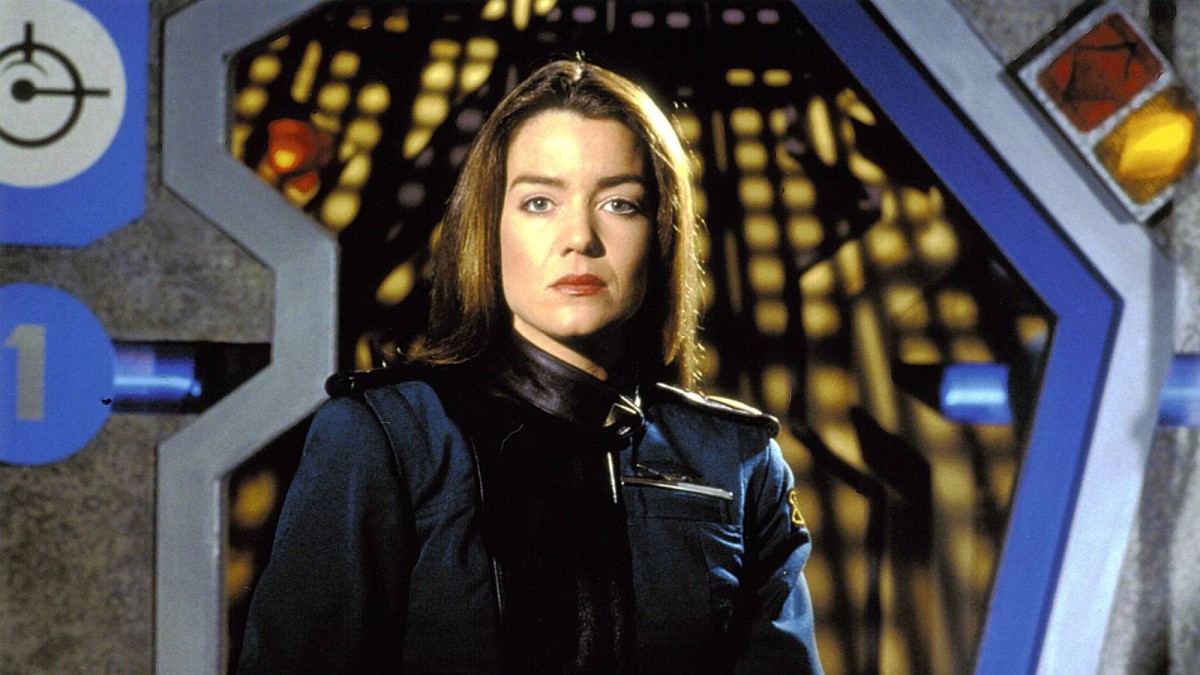
A space opera from the '90s, which features some of the best sci-fi quotes of all time, surprisingly did not achieve even a fraction of the success of other bigger franchises, like Star Trek. In hindsight, though, the show in question, Babylon 5, deserved to have the same legacy as other big hits of its time. It was held back from being perfect by some production issues, but its brilliant 5-season arc has aged quite well.
Created by writer and producer J. Michael Straczynski, the Babylon 5 series was carefully commissioned after the successful airing of a test pilot movie, Babylon 5: The Gathering. The show eventually went on to have a total of 110 episodes in a span of 5 seasons with 6 additional TV films. While it got the opportunity to have a decent long-term run, its lack of wider recognition is still surprising.
On paper, Babylon 5, as a franchise, seemed to have as much potential as Star Trek, if not more. Even after all these years, the five-season space opera has a solid cult following. However, it has lost the mainstream attention that has immortalized the legacy of several other incredible sci-fi shows of its time.
Babylon 5 Doesn't Have The Same Legacy As Star Trek, And That's Not Right
Most sci-fi shows from the '90s operated largely on episodic resets where the universe restored itself by the end of the hour. Throughout their long runs, they would go through several retcons and revisions and rarely received pre-planned story arcs. This made Babylon 5 one of its kind because it was perfectly structured as a 5-year novel for television even before it premiered.
J. Michael Straczynski ensured that some of the most crucial story beats in the series had long-term consequences and even events from season 1 were ultimately paid off in season 5.
Unfortunately, Babylon 5 was held back from achieving its true potential by many factors. For starters, even though its 5-season run was planned in advance, it was almost forced to end its run after season 4 because of the issues faced by its struggling home network, Prime Time Entertainment Network (PTEN). Its season 5 eventually found a home on TNT, but season 4's rushed story had already done the damage.
Babylon 5 also faced some stiff competition from Star Trek: Deep Space Nine, which followed a similar premise and was backed by a far bigger studio and franchise potential.
Babylon 5's Five-Season Arc Is A Thing Of Narrative Beauty

The early narrative clockwork of Babylon 5 did not just include a pre-planned narrative framework. Straczynski knew how volatile the television space could be. Owing to this, he intentionally drew narrative "trapdoors" for each character beat. These trapdoors ensured that even if a cast member left the series before their character's story had been resolved, the story could still continue in the planned grand arc.
For instance, Michael O'Hare's departure after season 1 could have significantly harmed the show. However, since Straczynski was well-prepared for such events, one character's sudden exit was cleverly turned into the tragic, breathtaking prophecy of Valen in "War Without End."
Even today, TV shows are rarely planned in advance because of how unpredictable their future can be.
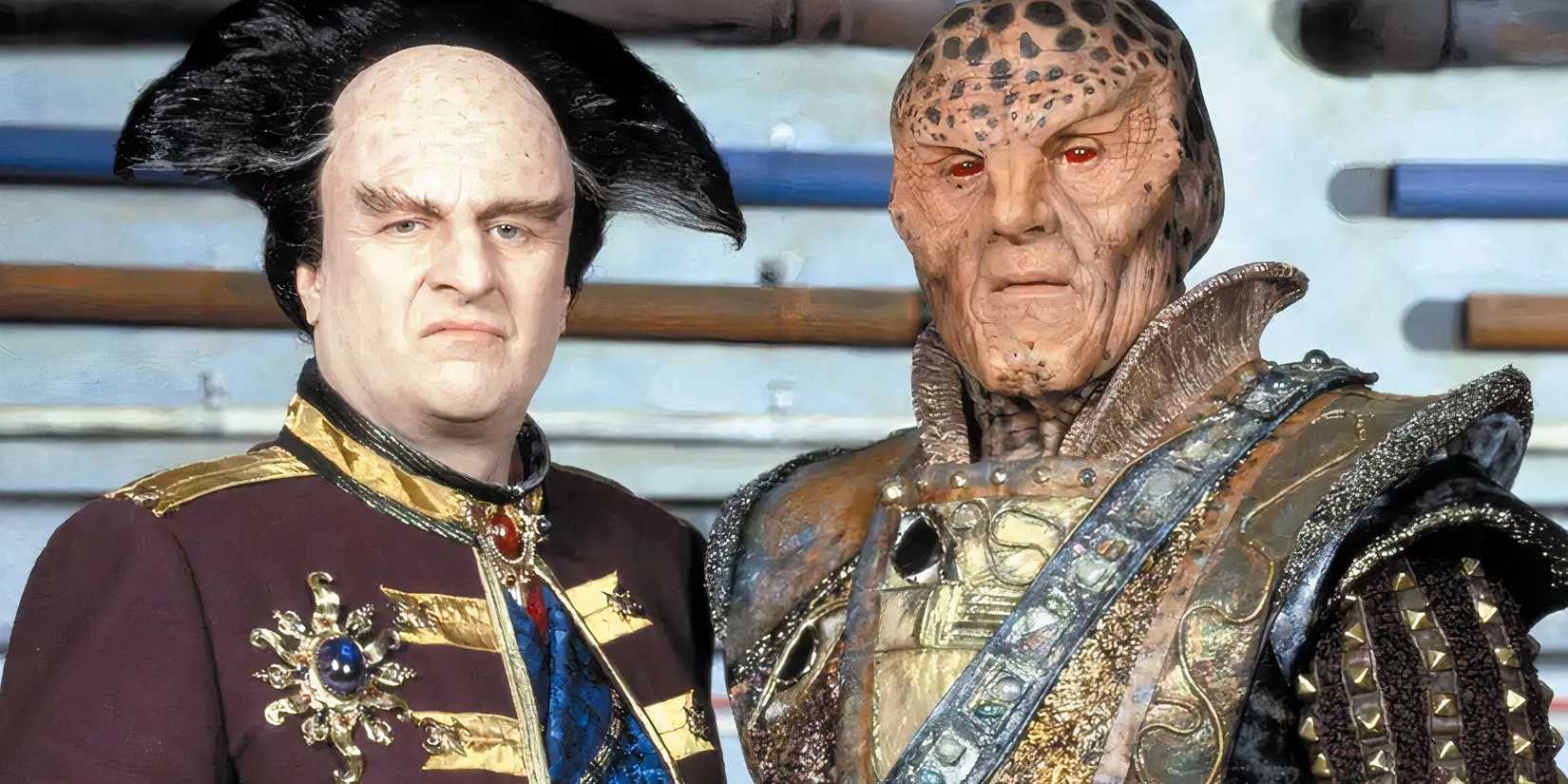
Owing to this, they lack the satisfying payoffs that turn long-term stories into deeply rewarding narratives. In Babylon 5, however, season 1's developments surrounding Kosh’s cryptic warnings, Londo’s vision of his own death, the mystery of Sector 14, and the "G'Kar/Londo" dynamic were brilliantly planted as seeded setups that would get multiple payoffs across several seasons.
Even when the threat of cancellation forced Straczynski to compress the Shadow War into Season 4, the show's established momentum ensured that it held its ground.
Unlike shows like Star Trek, Babylon 5 also does not rely on one-off one-liners and standalone episodes to drive its story forward. Instead, its seemingly minor moments and character interactions often turn into memorable quotes that stay with viewers long after the credits start rolling.
What's Your Reaction?
 Like
0
Like
0
 Dislike
0
Dislike
0
 Love
0
Love
0
 Funny
0
Funny
0
 Wow
0
Wow
0
 Sad
0
Sad
0
 Angry
0
Angry
0











Comments (0)