

Data center construction in America hits record $75B pace as homes and offices stall
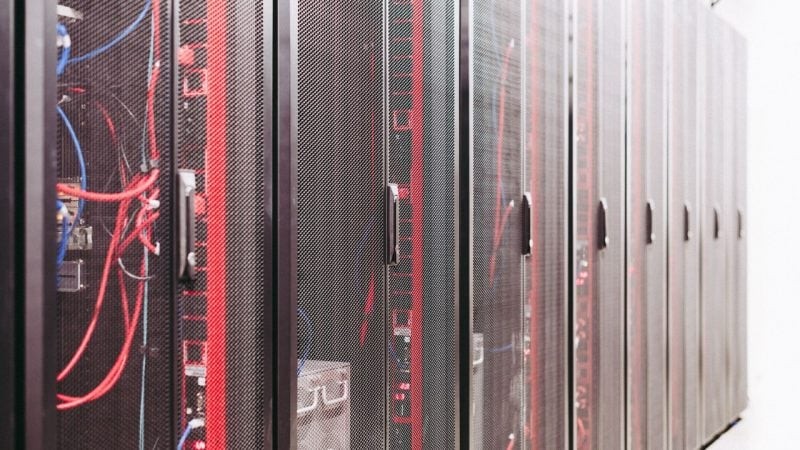
Private data center construction spending topped $75 billion at a seasonally adjusted annual rate in July 2026, according to US Census Bureau figures. That represents a roughly 57% jump from a year earlier.
The numbers tell a lopsided story
Overall private construction spending in July came in at $2.16 trillion, down 0.5% from the prior month and sitting 3.8% below year-ago levels. Residential and office construction continue to soften. Data centers, meanwhile, are sprinting in the opposite direction.
The contrast is stark enough that data centers have accounted for essentially all of the recent growth in nonresidential construction. Strip out the server farms and the nonresidential line would be flat to declining, dragged lower by the continued weakness in traditional office space.
Full-year 2025 data center construction starts reached $77.7 billion, nearly tripling the 2024 total with a roughly 190% increase.
Hyperscalers are writing the checks
Amazon, Google, Microsoft, and Meta have each signaled capital expenditure plans in the hundreds of billions of dollars annually, much of it earmarked for data center expansion to support AI workloads. Pre-leasing rates on new facilities are running above 80%, which means tenants are locking in space before the concrete is even poured.
The grid is the bottleneck
Every boom has its constraint, and for data centers that constraint is electricity. Power grid audits in Texas alone reveal more than 1,800 data center interconnection requests with a total projected capacity exceeding 474 gigawatts. To put that in perspective, the entire US electrical grid has roughly 1,300 GW of installed generating capacity today.
Interconnection delays are already a real problem. Getting a new data center plugged into the grid can take years in some markets, creating a bottleneck that no amount of construction spending can solve on its own.
For investors in data center REITs and related infrastructure plays, the near-term outlook remains strong. Pre-leasing rates above 80% provide revenue visibility and construction backlogs are deep.
Disclosure: This article was edited by Editorial Team. For more information on how we create and review content, see our Editorial Policy.
What's Your Reaction?
 Like
0
Like
0
 Dislike
0
Dislike
0
 Love
0
Love
0
 Funny
0
Funny
0
 Wow
0
Wow
0
 Sad
0
Sad
0
 Angry
0
Angry
0











Comments (0)