

Farming Sims Are Finally Changing After 10 Years of Stagnation

Published Sep 6, 2026, 1:00 PM EDT
A fresh crop of games are escaping Stardew Valley's shadow
 Image: Perfect Garbage/Blumhouse Games
Farm-sims have looked and played pretty much the same for the last 10 years. That's not entirely surprising. When you find a winning formula that keeps your studio's lights on, you follow that formula. However, there are promising signs that a fresh crop of farm games is pushing the boundaries and heralding a new, more diverse era.
In 2016, Stardew Valley reignited interest in a genre that had largely lost its mainstream appeal, after the glorious summer days of Harvest Moon and Story of Seasons faded into distant memories. A trickle of other new farm games started appearing, and even Marvelous, the Story of Seasons studio, revived its biggest hit, Friends of Mineral Town (a remake of the GBA game that was a remake of Harvest Moon 64, the latter of which inspired Stardew Valley). The trickle became a flood as interest in cozy games skyrocketed during the pandemic, but while they varied in substance, most were largely the same in form.
 Image: ConcernedApe via FlashShifter/Nexus Mods
That structure goes like this: You take ownership of a run-down farm and plant new life in it. There's a nearby village with a dozen or so potential friends and romance partners and a handful of other personalities to befriend. You can craft, decorate, mine, and fish, and it's all in service of expanding your farm or making the town better again. Your relationships with these people unfold in the same way, as you learn bits and pieces about their lives with every new friendship rank you reach. Some have tragic or touching backstories, but they're largely separate from each other and have no bearing on what you do in the game. Give them gifts, and they will love you.
Dinkum is Stardew but Australian. Coral Island is tropical Stardew with light fantasy elements like mermaids. Disney Dreamlight Valley skewed closer to Animal Crossing, but its take on farming and village life comes straight out of Stardew. Fae Farm has fairies, Roots of Pacha has dinosaurs and irrigation, Sun Haven has the sun, Wylde Flowers adds witches, Gravekyard Keeper is morbid, Tales of the Shire puts hobbits to work, Littlewood goes retro, and for all these tweaks and additions, each game unfolds in essentially the same way. It's turned into the cozy version of the AAA open-world. Everything is recognizable and designed to be as frictionless as possible, and if you remove the superficial differences, they're essentially the same game.
 Free sign-up
Get Polygon’s Wishlister newsletter
A weekly cheat sheet to what you’ll eventually love to play. No buying, no commitment — just saving for later.
Sign up freeFree. Unsubscribe anytime.
Not to dismiss their merits. All of those are very good farm games (well, Tales of the Shire is pretty rough). They're just the same kind of farm game. A small handful of lovable oddballs stand out over the last 10 years, like Sakuna: Of Rice and Ruin, where you farm rice and only rice, and you learn the intricacies of cultivation and harvesting to get the best possible crop. A handful of Rune Factory re-releases — Marvelous' Story of Seasons spin-off where you farm and RPG at the same time — found their target audience, even while Rune Factory 5 struggled. But in general, if someone announced a new farming game, or if a Nintendo Direct was loaded with them, you knew exactly what to expect.
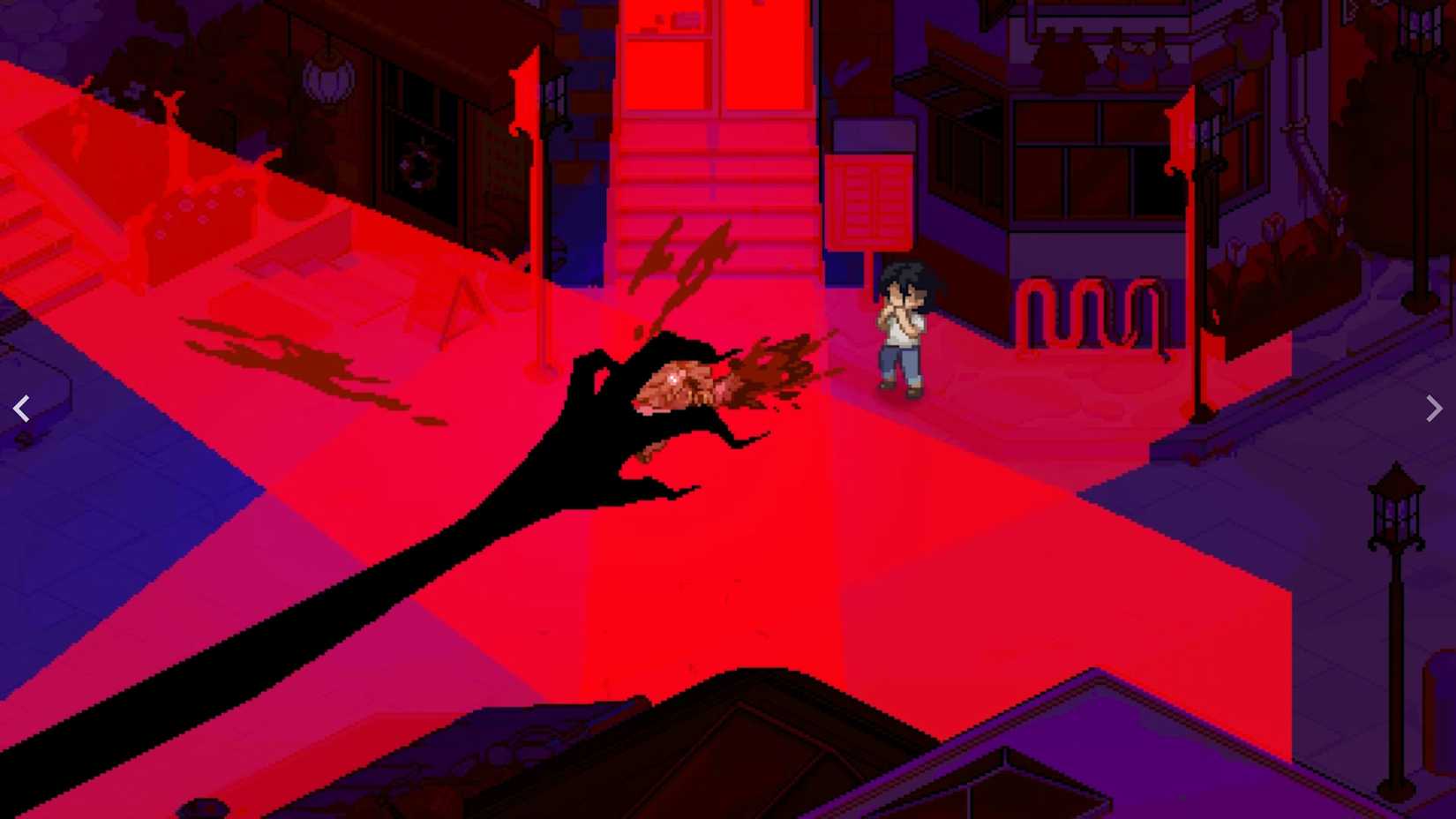 Image: Perfect Garbage/Blumhouse Games
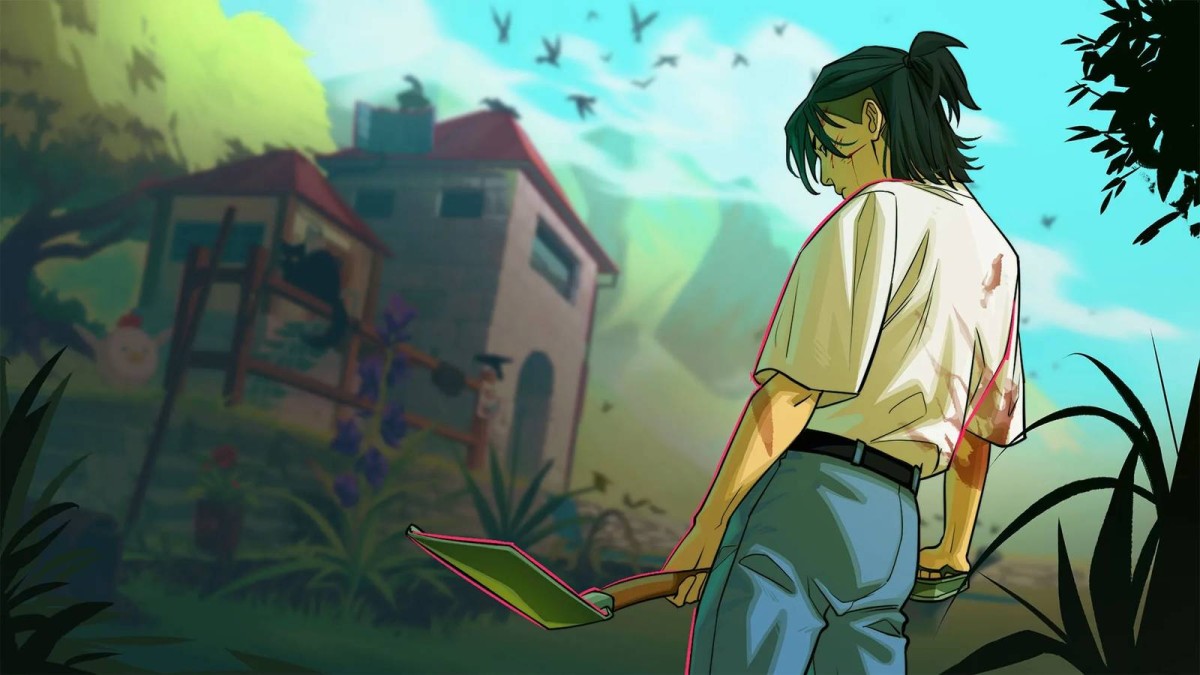
That's starting to change. When a studio announces a farm game now, there's a good chance it's "farming, and" instead of "this flavor of farming" — farming and horror, farming and supernatural storytelling, farming and dungeon-crawling town-building. I first caught wind of the shifting trend at the start of summer while speaking with Perfect Garbage's founders about their upcoming game Grave Seasons. Son M., one of those founders, said they believed more developers are wanting to push the boundaries of cozy games, turn the genre upside down, and see what they can do with the pieces that fall out.
Grave Seasons was delayed from its planned August release date, but you can still see that boundary-pushing in what Perfect Garbage has shown so far. You're a convict, not a descendant of some much-loved resident. Everyone has reason to fear you, and when folks start dropping dead, you've got a good reason to fear them, too. It's an introspective monster-mash horror story as much as a standard farm game, and Perfect Garbage is looking at genre staples (like invading your neighbors' privacy and rifling through their things, which they won't appreciate) as ways to tell different stories and give your actions new meanings, rather than just genre staples. The horror isn't a different farming flavor. You take it out, and the game just doesn't work.
In July, Marvelous published Moonlight Peaks, what I initially thought was a vampire-flavored Stardew. After spending time with it, though, I realized developer Little Chicken had bigger ambitions. Moonlight Peaks' storytelling tosses the fractured approach from Stardew out and makes every character's tale part of the town's wider story. The farm aspect was largely the same as ever, but the more intentional approach to character stories made it a serious community story with an actual message. These depressed witches and werewolves don't exist only for you to fall in love with. They have needs and hopes, too.
 Image: Cygnus Cross Games
Nippon Ichi Software released Village in the Shade in Japan on July 30, and it's launching internationally on Oct. 27. Village in the Shade is classic Harvest Moon in appearance, with all the usual things like mining, fishing, shipping your most valuable crops, and getting closer with the locals of the nearby tiny town. It's also a horror game, where mythological terrors stalk the streets at night, and the village hides a darkness no one is allowed to acknowledge. If you're a weeb like me, think of it as Yomawari and Boku no Natsuyasumi with farming. There's evident demand for "farming, and" too. In Japan, Village in the Shade already sold more than 200,000 copies and instantly became one of NIS' most successful games of the decade.
Also on Oct. 27, Cygnus Cross is finally putting Emberville in early access. If you skim a trailer, you might walk away thinking it's just Gothic Stardew with a lot of well-known voice actors. (Ben Starr, Jennifer English, Amelia Tyler, Matt Mercer, Nick Apostolides, Anjali Bhimani, Doug Cockle, and Briana White are just some of the cast.) And you will end up ticking some of the standard farm stuff off the list, like growing crops and helping neighbors, even rebuilding a local community center and designing your homestead. But helping in Emberville also means exploring the gigantic dungeon prison your town is situated in and dealing with generations of weird magic that's piled up there. Graveyard Keeper was a macabre, darkly comedic take on Stardew that was still recognizably Stardew enough for Polygon to compare the two back in the day. Emberville is an action-RPG in a farm-sim in a decorating game.
Perhaps this shift in farm styles is just a coincidence and not a full-on trend change. Maybe it won't even last. But when four of them launch, or plan to launch, in the same year, and even the creators say the attitude toward cozy games is changing, it's worth taking notice.
What's Your Reaction?
 Like
0
Like
0
 Dislike
0
Dislike
0
 Love
0
Love
0
 Funny
0
Funny
0
 Wow
0
Wow
0
 Sad
0
Sad
0
 Angry
0
Angry
0









Comments (0)