

Fewer Locations, More Days: How to Plan a Better Photography Trip
Overpacking your camera bag and cramming five cities into a week are the two habits that quietly wreck a photography trip. Both feel productive while you plan them, and both leave you exhausted and short on the shots you actually wanted.
Drawing on more than 20 international photography trips, Mitch Lally walks through the packing system he landed on after years of trial and error. He started as an overpacker, swung hard into minimalism, then missed shots because he'd left useful gear back home. His fix splits the difference: bring the full kit for the trip, then carry a light bag each day. A backpack holds everything and doubles as his carry-on, never checked luggage. A sling bag rides empty in the suitcase and becomes the day bag once he's on the ground. Sturdier items like audio gear go inside the sling, then into the checked case, so it sits as a bag within a bag for extra protection.
Lally spends real time on who you travel with, which most gear-focused advice skips entirely. Night shooters sleep in and stay out late. Daytime shooters want early starts and early nights. Put those two people on the same trip without talking it through, and every morning turns into a negotiation. He points out that subject matter and pace clash the same way, since some people run their days on a strict schedule while others wander and grab photos as they go. His take is that friends you genuinely enjoy can override a style mismatch, but you should still know what everyone expects before you book anything.
His planning advice runs against instinct. When you only get one or two big trips a year, the urge is to see everything, so you stack locations one day at a time and spend half the trip in transit. Lally argues for fewer places and longer stays, because packing, checking out, and moving between spots eats the hours you'd rather spend shooting. Two or three locations across a week beats five rushed stops. He'd rather over-invest in a place and have a spare afternoon than leave somewhere good while it's still giving him shots. And if you run out of things to photograph, that's a reason to come back, not a loss.
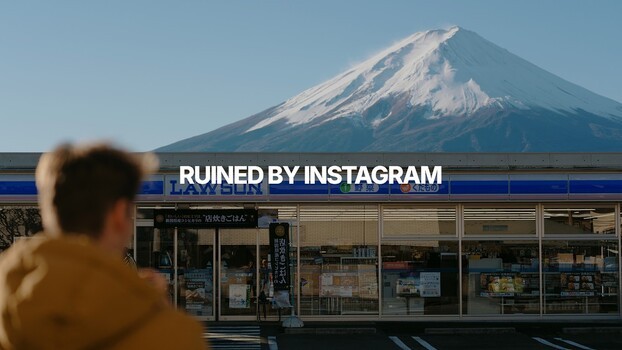
The most useful principle here connects directly to how heavily Instagram now shapes where people point their cameras. Lally describes an hour-long line in Hakone just to shoot the same torii gate everyone else shoots, from the same angle, sometimes with the same lens. This is the logical endpoint of geotagged, algorithm-fed travel, where a single viral frame turns a quiet spot into a queue. The photographers who still stand out are the ones treating famous locations as a starting point rather than a checklist. Look for the composition nobody bothers with while the crowd shoots the postcard version, or skip the marquee spot and hunt the lesser-known temple where you're the only one there. Lally's own favorite images are the ones he alone captured, and the harder a photo is to recreate, the more it feels like his. That instinct, training your eye to find your own frame instead of borrowing someone else's, is what separates a portfolio from a collection of duplicates.
He closes on something worth carrying into any trip: build in days that have nothing to do with photography. Eat at the restaurant, take the aimless walk, bring one lens and stay open, but drop the pressure to produce a great image every day. Lally counts a trip a success if he comes home with a single portfolio-worthy shot and a good time, and he's blunt about how high expectations from scrolling other people's best work almost always set you up for a letdown.
Watch the video above for Lally's full breakdown, including the day-bag setup and how he decides which locations are worth the detour.
What's Your Reaction?
 Like
0
Like
0
 Dislike
0
Dislike
0
 Love
0
Love
0
 Funny
0
Funny
0
 Wow
0
Wow
0
 Sad
0
Sad
0
 Angry
0
Angry
0









Comments (0)