

Forbidden Solitaire is a wonderful reminder games are powerful cultural artefacts that demand to be preserved
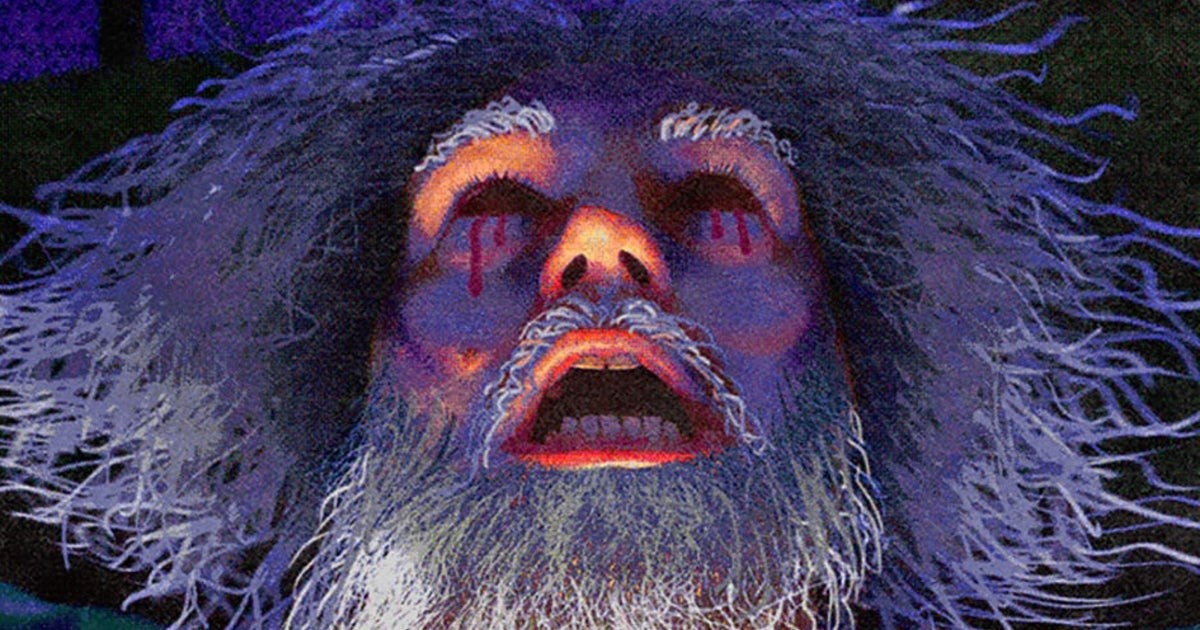
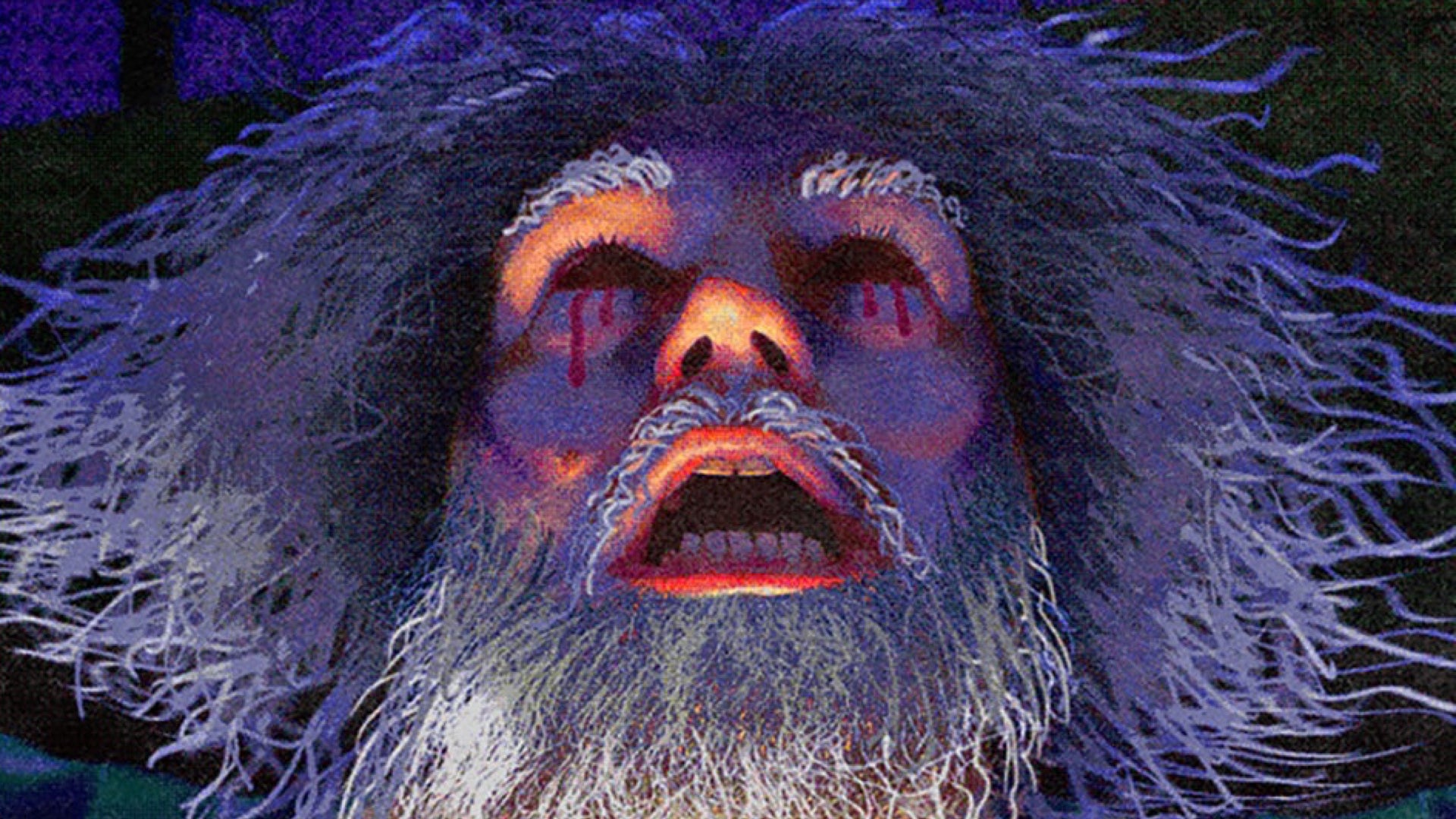 Image credit: Night Signal Entertainment/Grey Alien Games
Not so long ago, I found a stash of my old ZX Spectrum games in the attic. And rummaging through those tatty boxes - the old half-forgotten bargain bin bangers, the illicit passed-around-the-playground compilation tapes - it wasn't the games I found myself thinking about, it was the memories around them. My mind leapt back to evenings spent poring over stamp-sized magazine screenshots; the Friday night trips to Tescos and the exotic box art tempting me to part with my £2; the POKE codes and the dog-eared anti-piracy sheets; the wild classroom rumours of in-game secrets that would only reveal themselves when elaborate steps were performed. But they're not just my memories, of course; they'll be familiar to many of a certain place and time. And it's this sense of cultural nostalgia that Forbidden Solitaire captures so well.
Developer Heartblade Interactive's Forbidden Solitaire is, you see, extremely 90s; immediately recognisable as an artefact of video gaming's short-lived multimedia boom, where the advent of the CD-ROM brought promises of a future unbound - albeit a future which mostly involved lurid colour palettes, awkward pre-rendered polygons, and juddery lo-res FMV. Forbidden Solitaire has all these familiar signifiers and more, starting with an aggressively purple intro movie beckoning us beyond the Bloodrock mountains and the valleys of Gravewood, to the Forbidden Dungeon where the secret to immortality lies. And then a wizard's eyeballs explode.
In reality, of course, Forbidden Solitaire isn't a relic of a bygone era; Heartblade Interactive never existed; the game never found itself at the centre of a media maelstrom as pressure groups protested the supposedly dark influence of its juvenile violence, and it never slipped into obscurity amid disturbing rumours it was linked to unexplained deaths. Rather, Forbidden Solitaire is the recent work of Night Signal Entertainment (the studio behind last year's wonderfully weird analogue horror Home Safety Hotline) and Dorset-based developer Grey Alien Games. And it's great; part meticulously realised pastiche, part 'found media' horror malarkey, and, somewhat unexpectedly, a genuinely brilliant riff on solitaire.
Your staccato journey through the Forbidden Dungeon - once its vast doors slam shut and the last rays of the waxy sun fade to shadow - unfolds one lurid backdrop and a brisk paragraph of solemn fantasy flavour text at a time. There are echoes of the fading choose-your-own-adventure phenomenon here, perhaps, even if the quest remains a strictly linear one. And, yes, each new calamity that befalls your wizard-y hero - be it a stubborn lock or a sentient hedge - is resolved through solitaire; a ceaselessly inventive, ever-evolving take on the classic card game that would be compelling even without the 90s CD-ROM artifice.
You can probably guess the basics - this is solitaire after all - but your goal, always, is to shift the cards stacked in elaborate whorls across a central tableaux onto a single foundation deck at the bottom of the screen. Cards can only be placed on the deck in ascending or descending numerical order, and if you reach an impasse, you flip over a new foundation card until none are left. At which point, yes, your eyeballs explode.
It's very much solitaire then (minus the eyeball bit), but the real joy is in the way this familiar ritual builds. Gradually, new elements are introduced, twisting solitaire's classic rhythms into inventive new forms. You'll encounter maggot-infested cards that deal damage; bone-locked cards that need to be played twice in order to remove them from the board; chained cards that only unlock once you've successfully removed enough of a specific suit. There are poison cards, vine-tangled cards, and more, each requiring subtly different strategies when in play. And it goes on: purchasable spells and upgrades, gruesomely represented as gemstones buried bloodily in your increasingly ragged hand, complicate things further, introducing powerful Jokers which do everything from zapping cards to changing the suit of face-up cards on-screen.
Sometimes you'll simply need to clear the board without dying to proceed, other times you're up against a formidable foe. And here, Forbidden Solitaire becomes a tense battle of turn-based damage-dealing and attack mitigation, built around amassing combos; each opponent armed with unique abilities that demand whole new strategies. There's even a bit of stealth, certain challenges requiring you plan your way around a sight cone sweeping back and forth across the board. It's imaginative and unpredictable in a way that remains engaging throughout its spry five-or-so hour runtime, and the effort is admirable. Night Signal and Grey Alien could easily have put their energies into the spooky stuff and fudged the card game bit, but instead there's genuine richness here.
But this is only half the experience, of course. Forbidden Solitaire is also a breezy bit of analogue horror in the 'found media' mould, Night Signal and Grey Alien Games imagining a whole secret history for their game-within-a-game. And for that we have another framing device: a faux Windows-style desktop circa 2019. Protagonist Will has just picked up a bargain copy of 1995 adventure Forbidden Solitaire, half-remembered from his youth, in a local thrift store. This triggers some excitable instant messenger recollections from his sister Emily. And once you boot into Heartblade Interactive's opus from your fake desktop - complete with DOS box pop-up and CD-ROM whir - she's an intermittent presence throughout, sporadically interrupting your dungeon exploration with her findings as she plays detective off-screen.
Inevitably, sis soon unearths something troubling - strange rumours of horrific, unexplained deaths surrounding the 1995 CD-ROM game - and Forbidden Solitaire's compelling meta narrative gradually builds momentum of its own. We get police records, press clippings, 90s local news reports, gruesome photos, and even a pitch-perfect VHS recording of a cheesy true-crime-style mystery show. Night Signal and Grey Alien mine fact and fiction here - threading elements of 80s satanic panic, the anti-video game crusade of the 90s, even evocations of classic gaming urban legends - to build a convincing past.
And in its summoning of shared histories both real and imagined, Forbidden Solitaire also manages, albeit indirectly, to be something else too: a timely reminder - as Stop Killing Games fights for online games, as we face a digital-only future, and as the medium feels more ephemeral than ever - that games are important cultural artefacts worth saving. Even if they're unloved, or a little bit silly. Even if they're haunted and determined to kill you.
What's Your Reaction?
 Like
0
Like
0
 Dislike
0
Dislike
0
 Love
0
Love
0
 Funny
0
Funny
0
 Wow
0
Wow
0
 Sad
0
Sad
0
 Angry
0
Angry
0







Comments (0)