

How do you put a price tag on a legacy like id Software's?
 (Image credit: id Software)
In 1984, an upstart retail company called Costco had just opened its first handful of voluminous warehouse stores on the west coast of the United States when it decided to try an experiment. It installed a hot dog cart in front of its San Diego store and started selling Hebrew Nationals with a drink for $1.50. People, it turned out, liked the hot dogs. The cart became Cafe 150, named for the combo price.
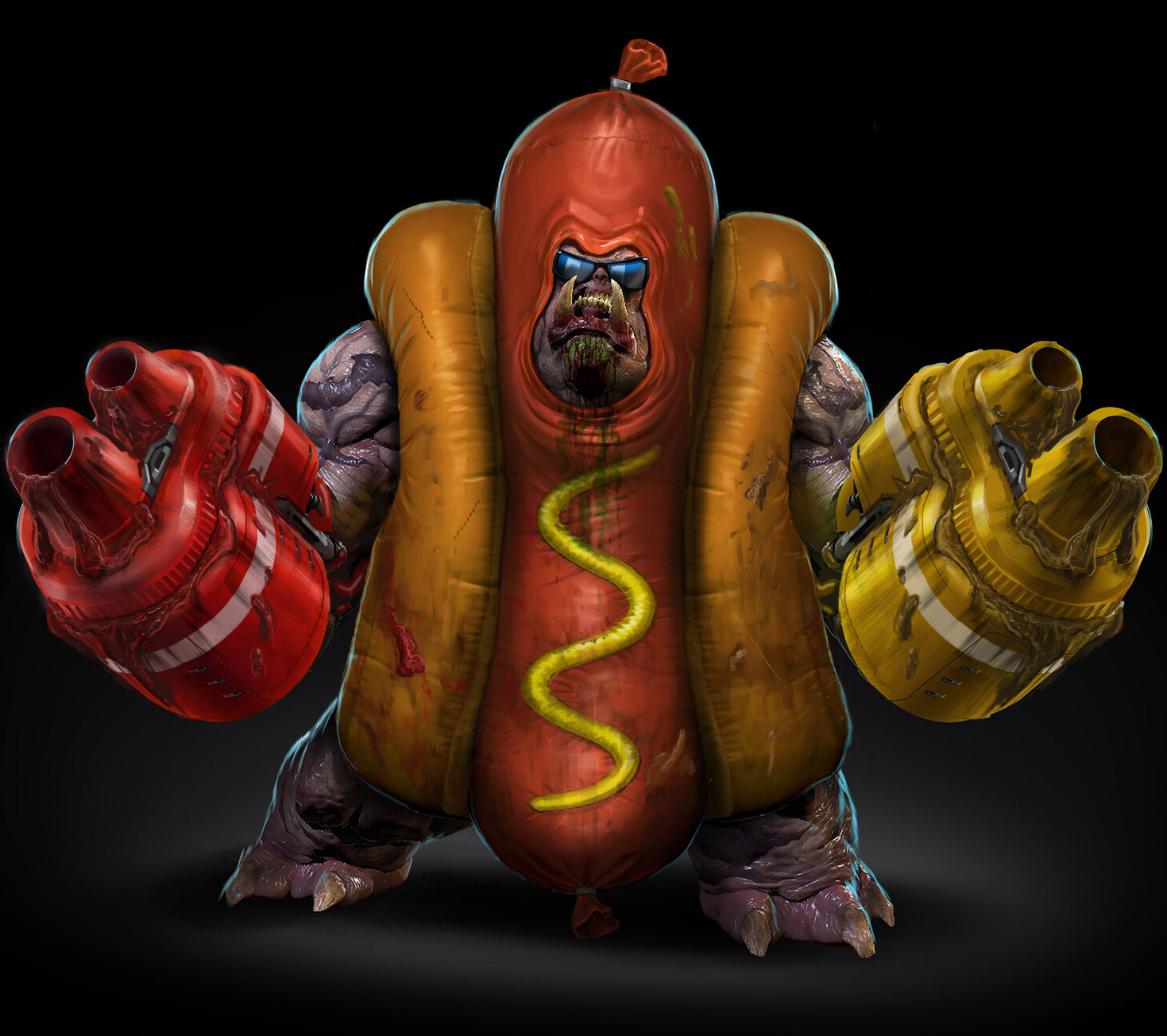
The company sold 245 million of them last year. When the CEO of the company in the 2010s complained to founder Jim Sinegal "we can't sell this hot dog for a buck fifty. We are losing our rear ends," Sinegal, likely then in his 70s, famously shot back: "If you raise the effing hot dog, I will kill you. Figure it out." A Costco hot dog and a 20 oz soda still costs $1.50.
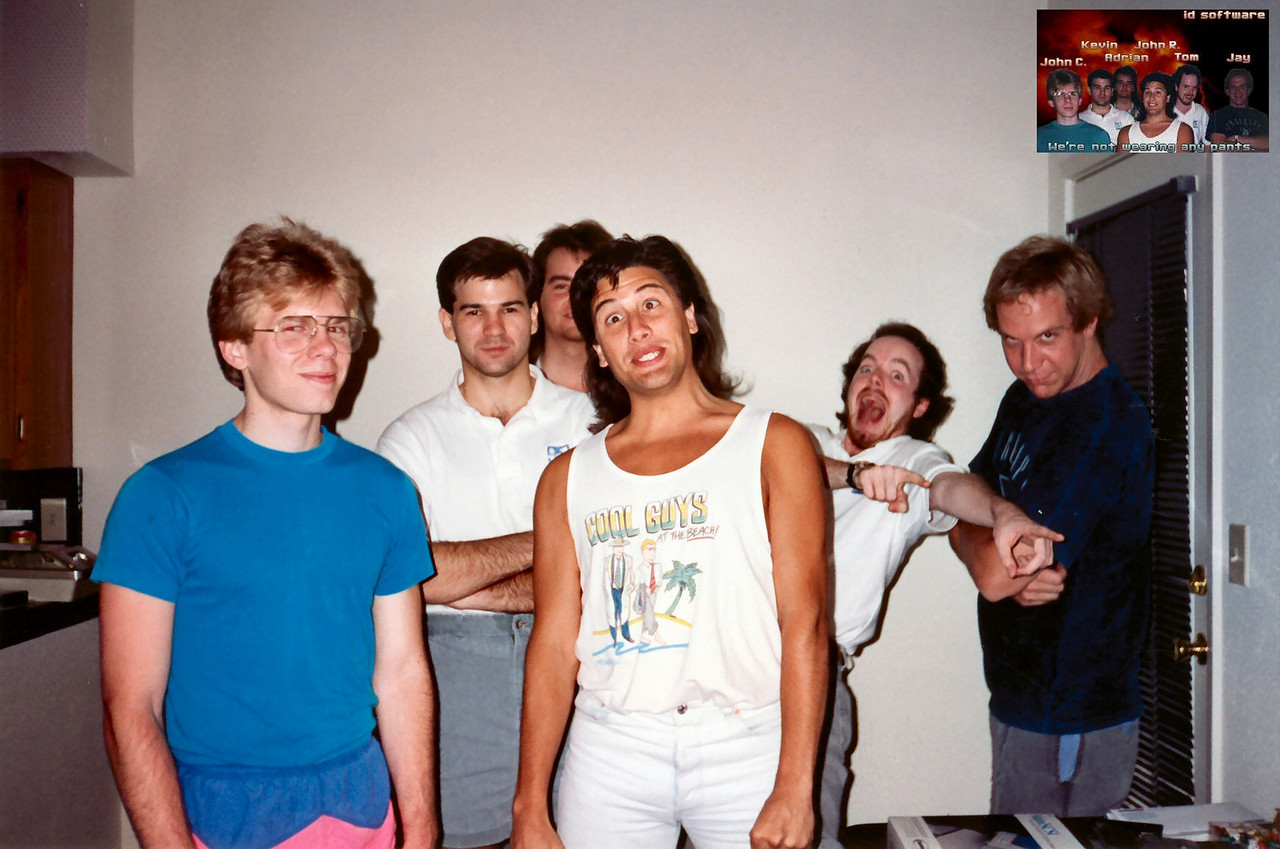
In 1992, just a year-and-a-half after releasing a cutesy 2D platformer called Commander Keen, a tiny squad of game developers barely out of their teens started a studio called id Software and pioneered the first-person shooter. Then they followed it with Doom, maybe the most important computer game of all time. It was installed on more PCs than Windows. That tiny squad hired more people and then made Quake, maybe the most important 3D computer game of all time.
Decades later, a new generation of people at id dedicated to that legacy defied expectations to make another shooter so good it could proudly stand beside the ones that defined videogames. Then they made an even better one.
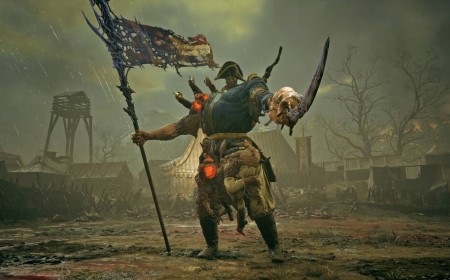
On Monday, Microsoft, which owns Xbox, which owns Bethesda, which owns id, laid off 136 developers from the Texas studio, which 12-year art veteran Derek Best described as "nuking a team into the dirt." Neither id Software or Doom were mentioned in CEO Asha Sharma's "Resetting Xbox" announcement. But the studio's new game, released one day after much of the talent behind it were laid off, currently occupies the top banner on Xbox.com.
What does it say about a company when it doesn't understand—or at any real level seem to care about—something it has become the steward of?
Doom, as a series of videogames, has generated hundreds of millions of dollars. But Doom is not just the money it's generated. It's the literally countless mods, maps, and entire games built on its bones; incredible ones are still coming out right now. Doom is the countless people making games today who cut their teeth mapping or had their neural pathways permanently altered the first time they picked up the Super Shotgun. The original game's labyrinthine levels and pulsing music and gory kills were revelatory enough, yet it's literally impossible to overstate its impact on the history of videogames from that moment forward. John Carmack programmed in the network code that enabled multiplayer in one month, in November 1993, and the game came out 10 days later. John Romero called the multiplayer deathmatch, and we're still calling it that today.
Keep up to date with the most important stories and the best deals, as picked by the PC Gamer team.
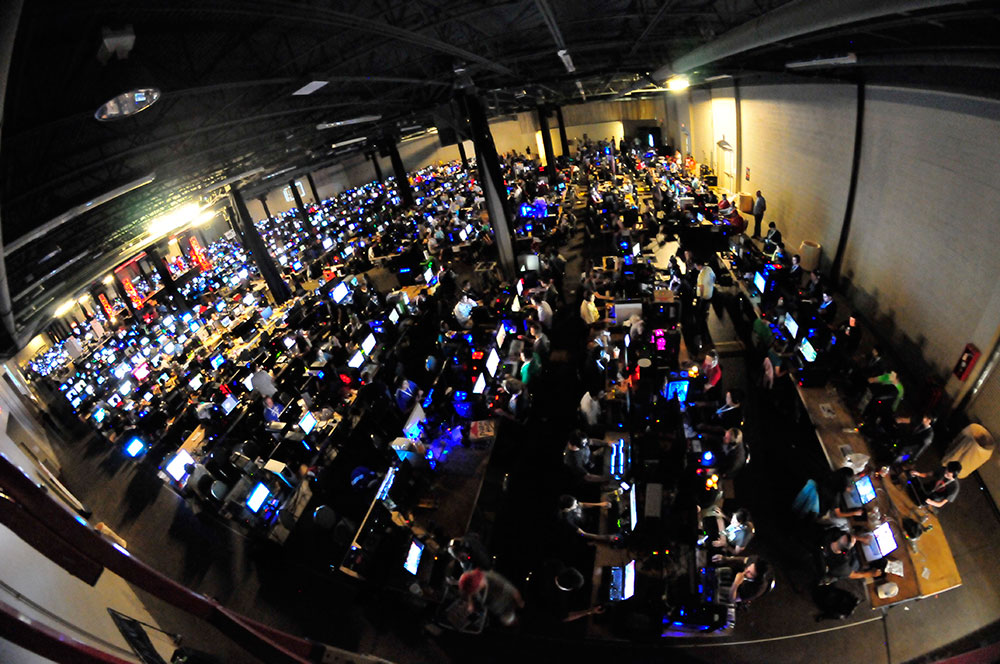
id Tech, the studio's ever-evolving engine, is not just a modern marvel that runs like a greased-up bat hurtling out of hell at a time when its competition is leaning on AI upscalers to crack 30 frames per second. It is the origin of yet more careers, thanks to its history of open source releases; one of the best indie games of 2025 uses it. It is a creation that any executive with any amount of vision would see as both a point of pride and an invaluable asset. You bought your way to the inner chamber, the very beating heart, of videogame software. Is that not a thing to revere?
Ahhh, but how much money does id Tech make? How much is it really worth? Xbox, its leadership says, is "not healthy," and as a result hard choices have to be made. That's just sensible business, not a short-sighted attempt to maximize shareholder value this quarter by kneecapping an incredible asset.
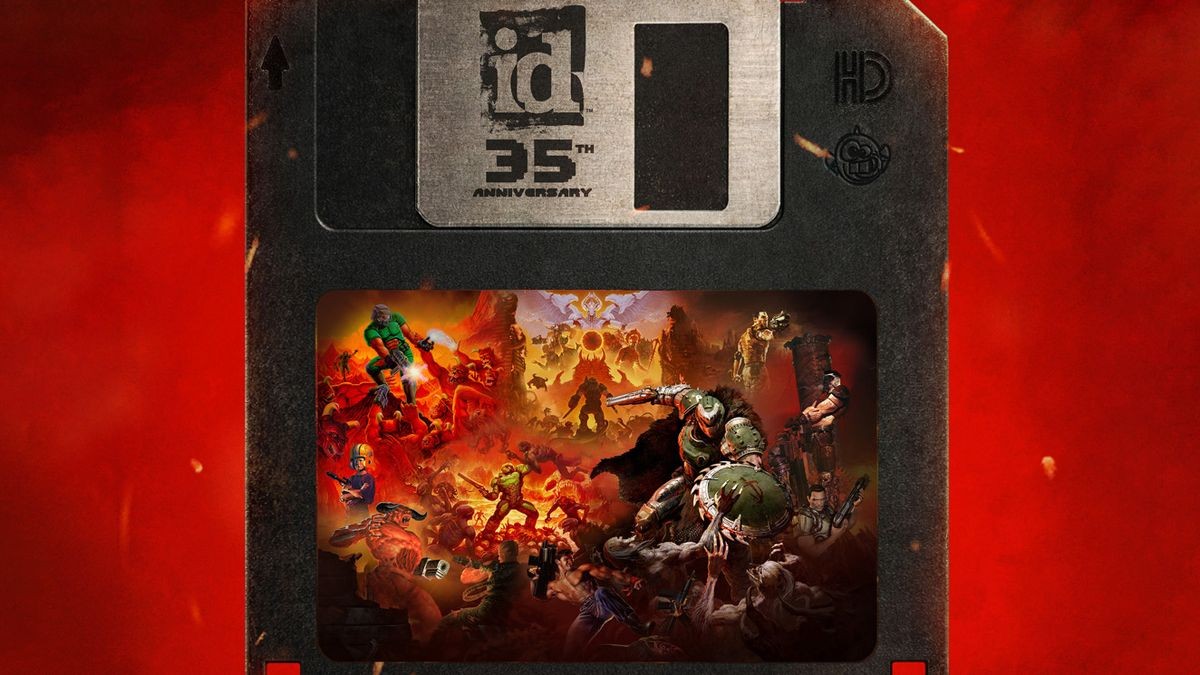
Happy 35 years from all of us at id Software! pic.twitter.com/ABkpwPx8NjFebruary 2, 2026
How else could this have gone? Last year Costco took home $275 billion in revenue (just $6 billion shy of Microsoft), and its former CEO—the one whose life was threatened over the sanctity of the hot dog—bluntly said "we have never been a company that puts the shareholders on top." A few months ago his successor housed a hot dog in a viral Instagram video before declaring: "The hot dog price will not change as long as I'm around."
He also said, through a mouthful of meat, that it's a good hot dog. And it is a good hot dog! But that's not why people love it.
People love the Costco hot dog because it's a symbol for the whole operation: that you're paying the membership dues because the deals are worth it. That they're going to give you a good value for every goddamn cent you give them. It stopped mattering years ago if the hot dogs themselves made money or not.
Costco's founder Jim Sinegal, who declared the buck fifty frank more valuable than a human life? The hot dog cart wasn't even his thing back in 1984. The idea started at a competing warehouse chain, Price Club, which merged with Costco in the '90s. But Sinegal knew what he had and expanded Cafe 150 into the food court, now one of Costco's biggest draws. That's how you treat a legacy.
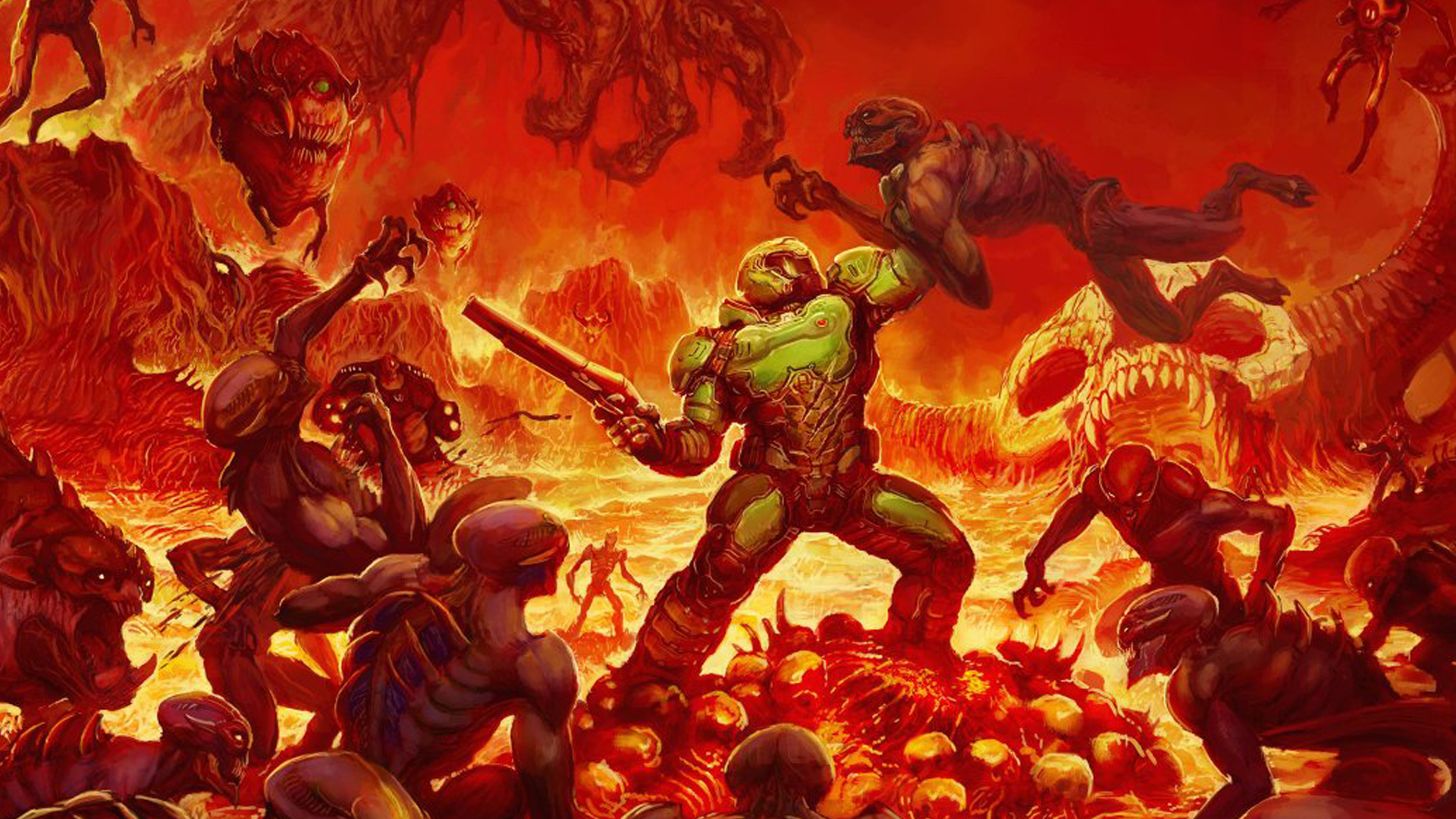
The people at id Software—or the people who were at id Software as of four days ago—knew how to treat a legacy. They got it so deeply that it was evident from the very first moments of Doom 2016, as PC Gamer's James Davenport wrote in the very first paragraph of his review 10 years ago:
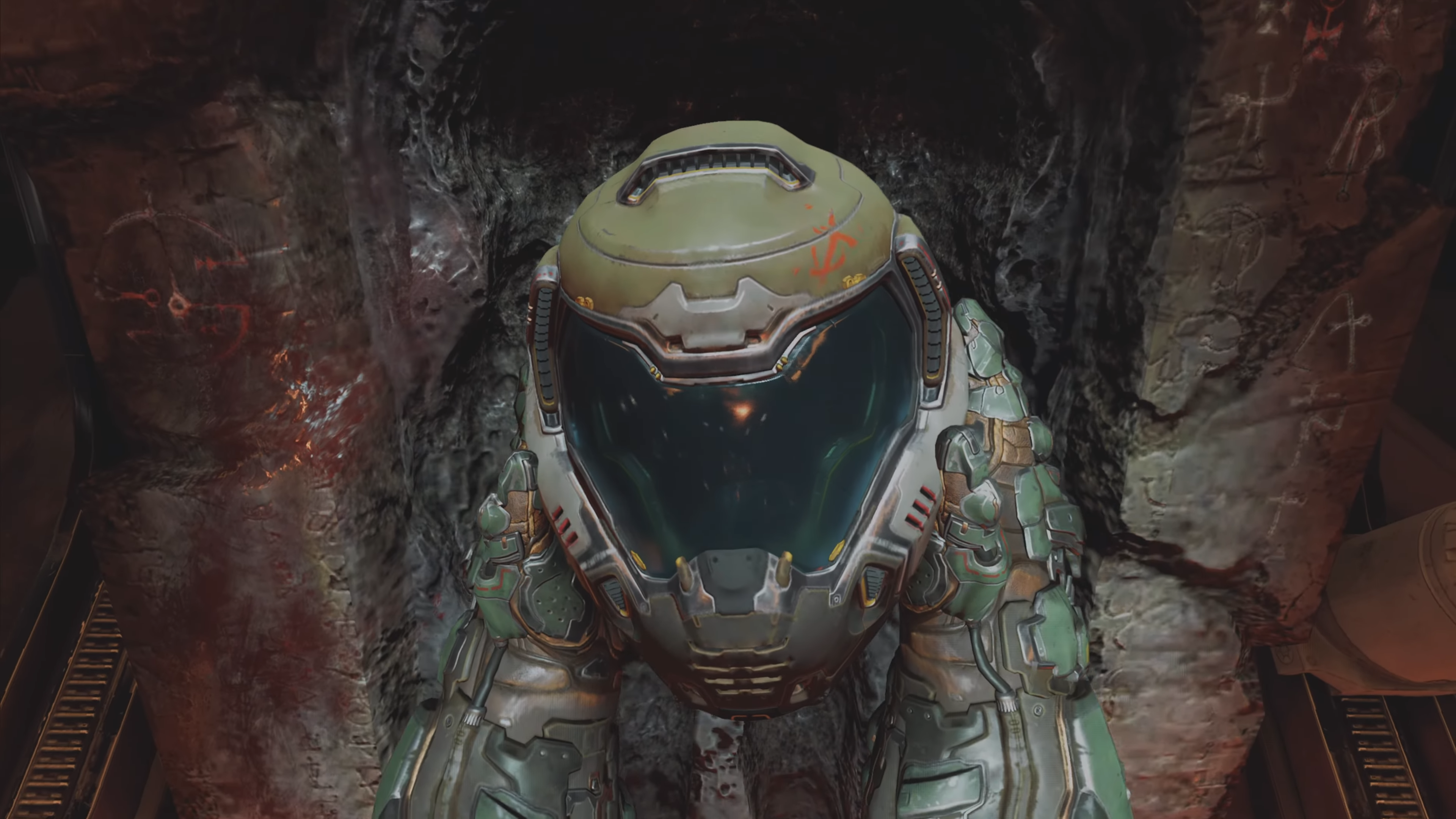
Doom (2016) review
"In the next room, the Doom Suit rests, surrounded by a jumble of candles and demonic insignia signposting in capital letters: This thing here? It's important. I feel the same reverence. I climb inside. From there, it's a rude journey to shut hell the hell up."
This thing here? It's important.
How does the company that's for decades been synonymous with the PC—much as we now wish it weren't—end up with its hands on the game studio that's synonymous with the PC, and not see it as a priceless asset?
"Xbox has many of the most beloved franchises in entertainment history," Xbox CEO Asha Sharma wrote on Monday. id wasn't mentioned. What does it say about the people in charge that they paid to get their hands on that kind of legacy, and then gave it less respect than a $1.50 hot dog?
Wes has been covering games and hardware for more than 10 years, first at tech sites like The Wirecutter and Tested before joining the PC Gamer team in 2014. Wes plays a little bit of everything, but he'll always jump at the chance to cover emulation and Japanese games.
When he's not obsessively optimizing and re-optimizing a tangle of conveyor belts in Satisfactory (it's really becoming a problem), he's probably playing a 20-year-old Final Fantasy or some opaque ASCII roguelike. With a focus on writing and editing features, he seeks out personal stories and in-depth histories from the corners of PC gaming and its niche communities. 50% pizza by volume (deep dish, to be specific).
What's Your Reaction?
 Like
0
Like
0
 Dislike
0
Dislike
0
 Love
0
Love
0
 Funny
0
Funny
0
 Wow
0
Wow
0
 Sad
0
Sad
0
 Angry
0
Angry
0






Comments (0)