

I saw behind-the-scenes of a 4K movie restoration — and it's made me appreciate the quality of my 4K Blu-rays more than ever now I understand the 'ethical dilemmas' and artistry involved
 (Image credit: Future)
4K Blu-ray is a big part of my work at TechRadar. Not only is it my staple source for testing the best TVs and best soundbars, but thanks to its superior picture and audio quality over 4K streaming, the movies themselves have now become one of my main areas of coverage.
As a big fan of 4K Blu-ray, both as a user in AV testing and as a collector, I helped start our Blu-ray Bounty series, where we review the latest 4K releases from each month, scrutinizing their picture and audio quality, back in 2024.
While the 4K Blu-ray market (and the market for physical media in general) has been a volatile one in recent years, the Blu-ray fan base has always been a passionate one. As I’ve been testing more 4K releases, I’ve come to appreciate what the format can do for older titles and general at-home watching even more, and I now include myself in that passionate fanbase.
So, when I was invited to visit Silversalt Restorations, a company whose work ranges from audio restoration, data archiving and restoration and transfer of movies to Blu-ray restoration (including 4K), I jumped at the chance. The company has some big-name clients, having worked with Hammer, Arrow Video, Disney, Paramount, Universal and Criterion, among others. All of those brand’s 4Ks have been featured in Blu-ray Bounty, so I was excited to see how the magic happens.
A meticulous process
Silversalt Restorations was founded in 2017 by a team of restoration artists, before being acquired in 2024 by John Gore Studios, another company dedicated to the preservation and restoration of classic titles, especially British cinema. Some of Silversalt’s biggest projects include The Deer Hunter, The Wicker Man, The Dollars Trilogy, The Curse of Frankenstein and the upcoming release of Dracula (the iconic Hammer horror classic starring Christopher Lee and Peter Cushing).
I was taken on a tour of Silversalt’s studio in Hammersmith, led by Managing Director Mark Bonnici, during which I was shown everything that goes into the meticulous process of restoring a movie.
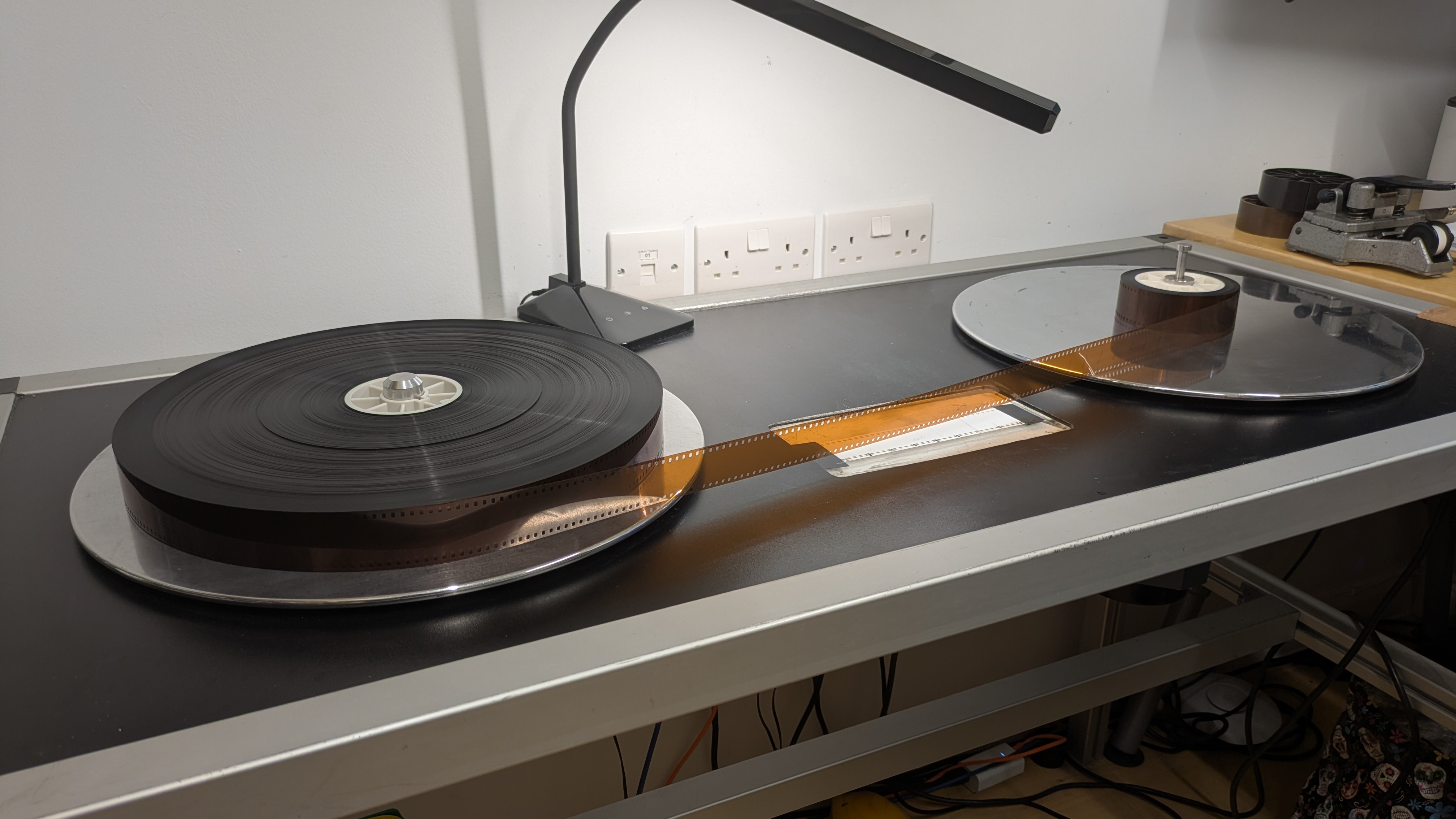
My journey begins at the film inspection table, where Marie Fieldman, Silversalt’s resident film inspector, is hard at work inspecting an old film reel for damage, including visible scratches, marks, wear and tear, degradation, and even mould on each individual frame, before crafting a detailed report for the respective client. “Some of these haven’t been looked at by a human for a very long time,” Fieldman says, as she shows me an older report she did for 1954’s Men of Sherwood Forest. Here, she’s labelled every single defect she can find, noting the level of damage and the best course of action.
Sign up for breaking news, reviews, opinion, top tech deals, and more.

She tells me about what fixes can be implemented, such as the cleaning of mould and even using a blank frame in place of a damaged one, which won’t be noticeable in the final movie, noting that deep scratches can be particularly problematic.
Once she is happy with the state of the film reel, it’s taken over to a cleaning machine. The reel is mounted and travels between Dacron rollers where surface dirt is gently removed with a film-safe solvent. Marie warns, “In some cases the film may need to be hand cleaned, for example if the film has a wax coating”. Once the film is clean, it’s ready for scanning.
Scanning
Image 1 of 2

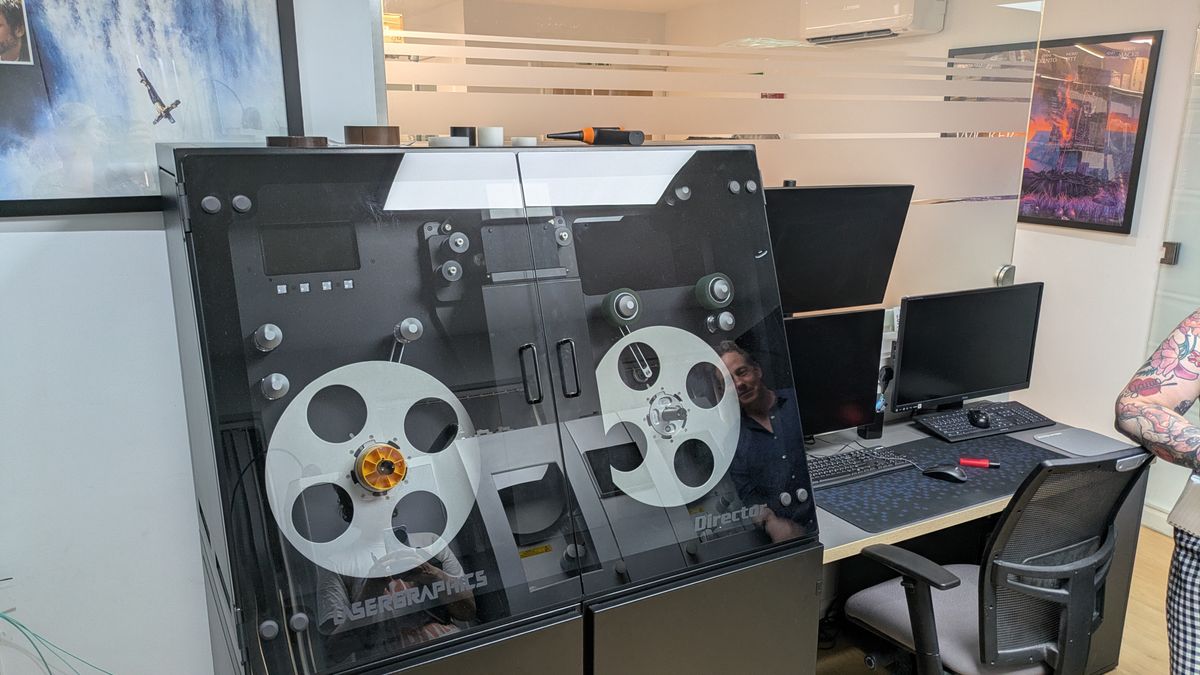
Next, Bonnici shows us the two scanning machines Silversalt uses. The first is the Arriscan XT. The Arriscan XT can use a wet-gate system, where the film is immersed in a Kodika, a special liquid which optically minimises scratches and marks as the film is digitised into a digital image sequence, known as a DPX file. The film is scanned in at 6K resolution, before being downgraded to 4K for 4K Blu-ray. “The Arriscan XT was originally designed for new film stock, but was later revised to handle archive/legacy film too,” Bonnici says.
He then shows us a more advanced film scanner, the Laser Graphics Director scanner. This scanner is specifically designed for archival footage which also uses an infrared light to detect marks and scratches on colour film and makes corrections during the scanning process. The Director scans up to 13.5K resolution and can handle 8mm to 35mm film.
Restoration
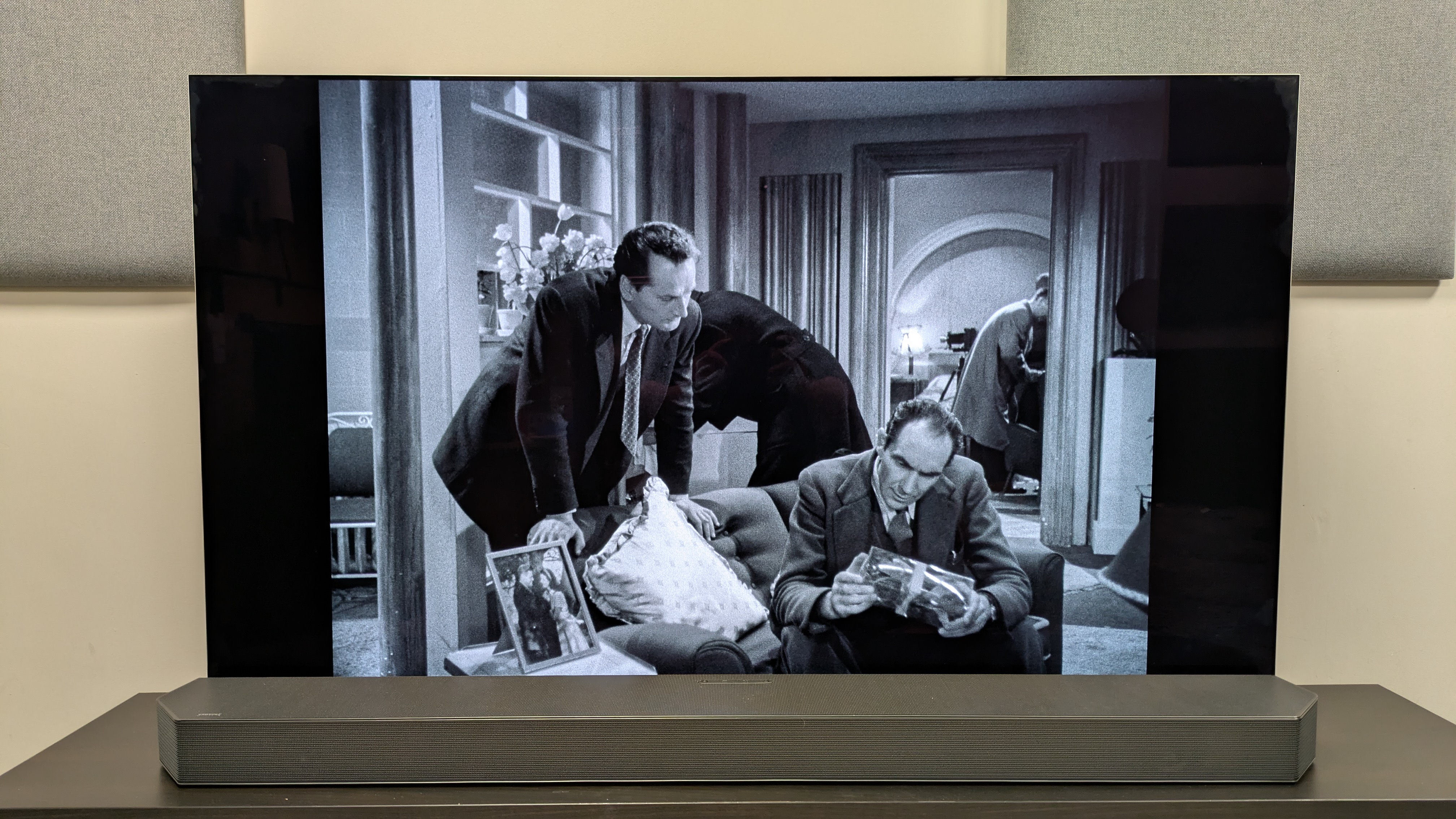
Once cleaning and scanning are completed, the DPX files are sent to the restoration artists, who work their magic to restore the uploaded film reel by correcting image instability, removing superfluous scratches and marks that the scanner has picked up from the original film, removing excess film grain, and generally tidying up the image.
The digitised frames are saved to file storage and then the digital restoration work begins. The frames are analysed for film dirt and the results are presented to the restoration artists, they can review these in a red mode, which highlights the differences between the results and the original version and any falsely removed part of the image reinstated. “We spend most of our time putting detail back in that’s been incorrectly removed,” restoration artist Anthony Badger tells me. “The system can sometimes struggle to distinguish between dirt and other textures within the film, like snow.”The artists perform other tasks such as stabilisation, deflicker, scratch removal etc. Anthony shows us various examples of larger fixes performed by the artists.
One of the clips I’m shown shows the red filter picking up what it thinks are marks and scratches. However, it also highlights a section of a character’s trouser leg and attempts to remove it, mistaking it for a scratch, and this in turn takes an odd chunk out of the leg. This is where Badger and the other restoration artists will add detail back in.
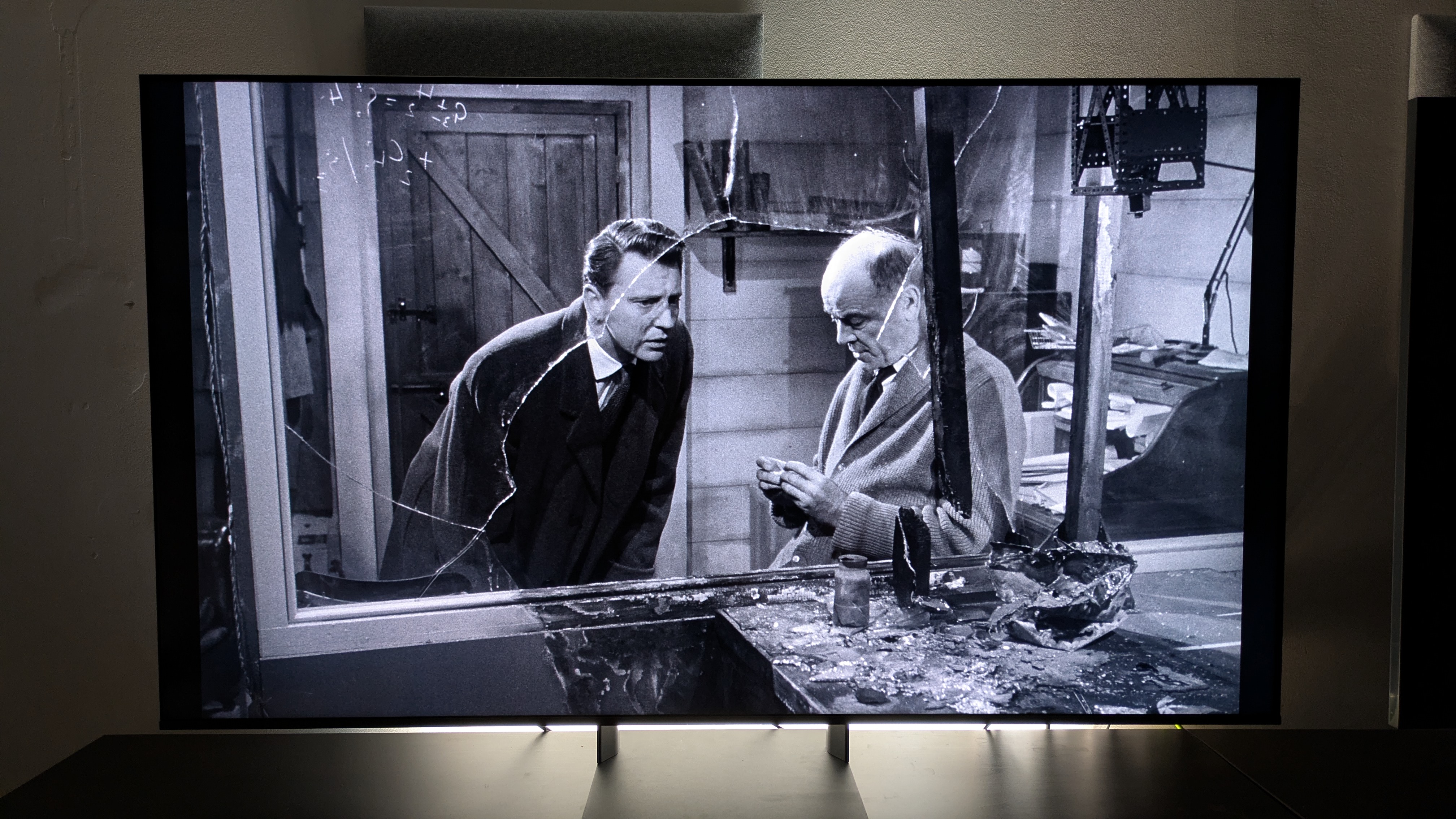
During the restoration process, artists will carefully check each frame in quarters, zooming in to see if there are any other areas where the picture can be cleaned up. When it comes to film grain, it can be tricky. “It can be a bit of an ethical dilemma on how much we intervene,” Badger tells me, “but we need to consider if an extreme problem will take you out of the story.” The team’s philosophy is to deliver a great-looking restoration that preserves as much of the original, authentic look of the film as possible which is accessible to the expectations of modern audiences, without reinventing it.
I’m shown another example, from Don’t Look Now, the 1973 thriller starring Donald Sutherland and Julie Christie. As Sutherland arrives in Venice for the first time, Badger points out a large yellow stain that appears on screen. “This appears to be a film lab processing error that would have been in the original negative and all previous releases,” he says. He goes on to say that the client requested that this be toned down as much as possible. With some magic work by the Silver Salt team, involving background replacement, layering and even some rotoscoping, going as far as using an extra in the scene traversing the frame as a wipe to make the transition seamless, the yellow staining is significantly reduced and the picture is beautifully restored.
Grading

Once the DPX files have been restored and the team are happy, the film is then sent off for grading, including HDR (if relevant). As Mark takes us up to one of the grading suites, he recalls Silver Salt’s first 4K HDR Dolby Vision grading project. “It was The Deer Hunter, which was a significant milestone for us and set the standard for future releases,” he says. He particularly remembers the opening scenes in the steel mill, with molten iron serving as an excellent showcase for 4K and HDR grading. “If you can ooze more detail out of it, why not?” he says.
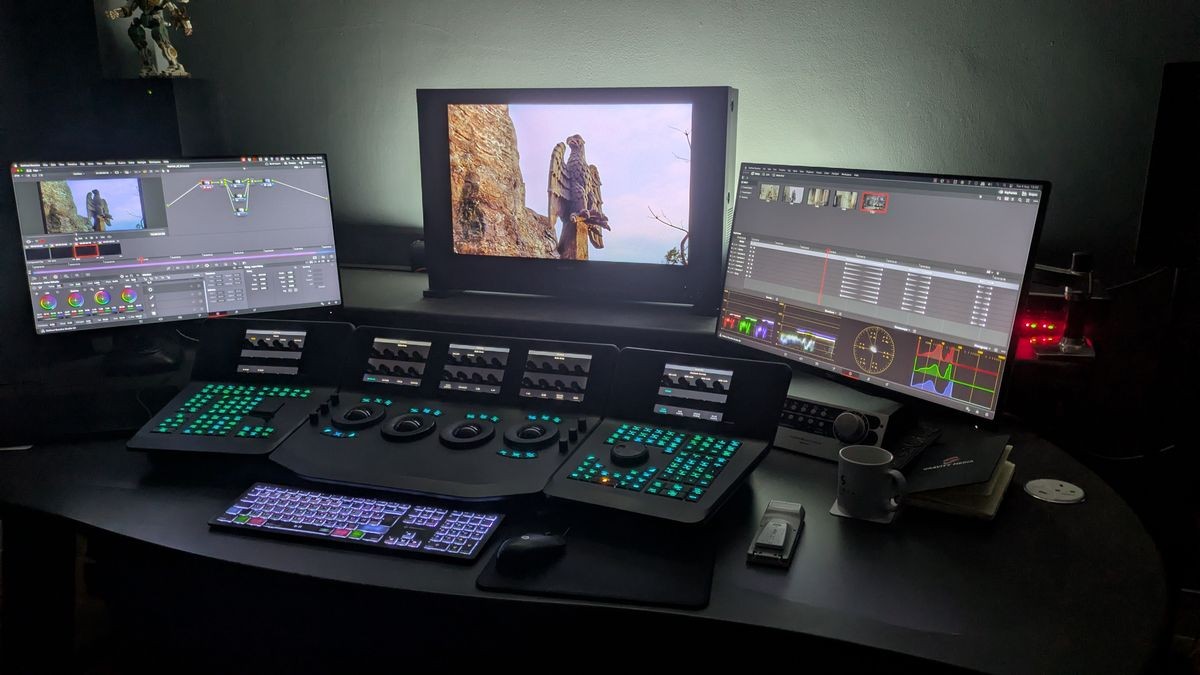
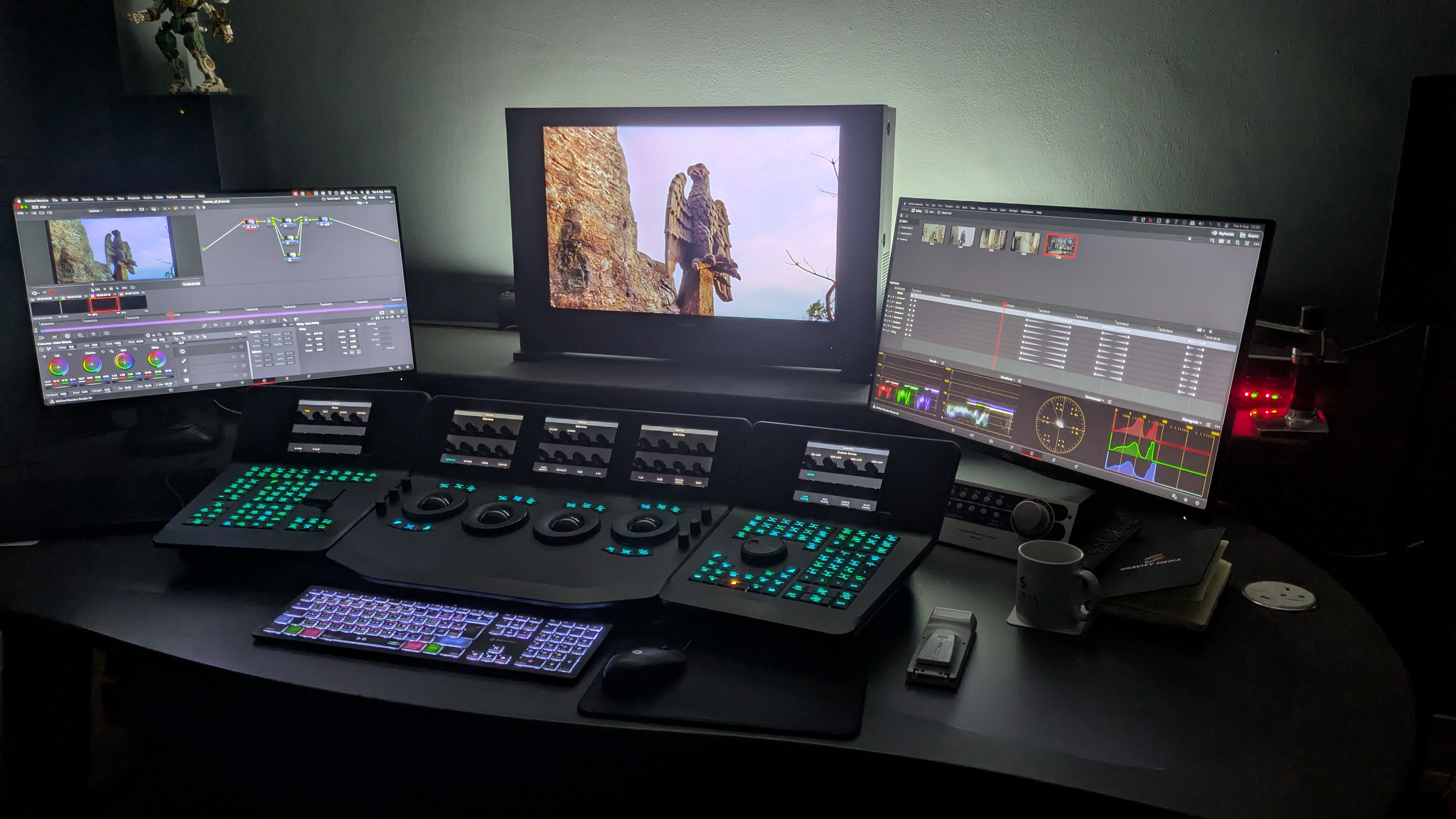
Next, he takes us into another grading suite, where we meet Ray King, Head of Film at Silversalt, and one of the main graders. As we enter, King is working on Dracula, the iconic 1973 Hammer flick starring Christpoher Lee and Peter Cushing. He talks about his process, and what type of film he prefers working with. “You’ve got to get a feel for the film,” he says, emphasising the importance of experimenting with color grading and detail to get the best results. “It helps bring the movie to life when you have the original elements,” he adds, saying he prefers to have the original film available.
As King works on a few scenes, he explains some of the details he works on, including skin tones and primaries, and points to a scene in which Cushing’s skin takes on a red hue. “Because of the old stage makeup and lighting they used in some older movies, when you’re changing the color grade, skin can take on this red tone.”

With a few quick adjustments, King reduces the red tone in the skin without compromising on the superb color he’s brought out in the surroundings, with vibrant, gorgeous reds in the velvet curtains being one particular highlight. Suddenly, there’s a wonderful richness and depth to the picture, with accurate colors and crisp textures that give this horror classic the distinctive '4K treatment' look that I’ve seen in so many great Blu-ray releases. “Once we’re done, some of these movies look like they could have been filmed last week,” King says proudly.
As he shows me his grading work on Dracula, he highlights that the original negative has faded over time, some colours more than others. To illustrate this fading, Ray showed us the red green and blue waveforms in the individual colour channels in his grading system and with the final results after his corrections on the grading monitor, the result I’m seeing is excellent. “Night time scenes can be very difficult to do,” King adds, pointing to a scene with a dark, shadowed forest that could easily show signs of black crush if not graded correctly. Ray mentions that he can use soft edges to remove black crush and again, the results I’m seeing are superb.
An even bigger fan
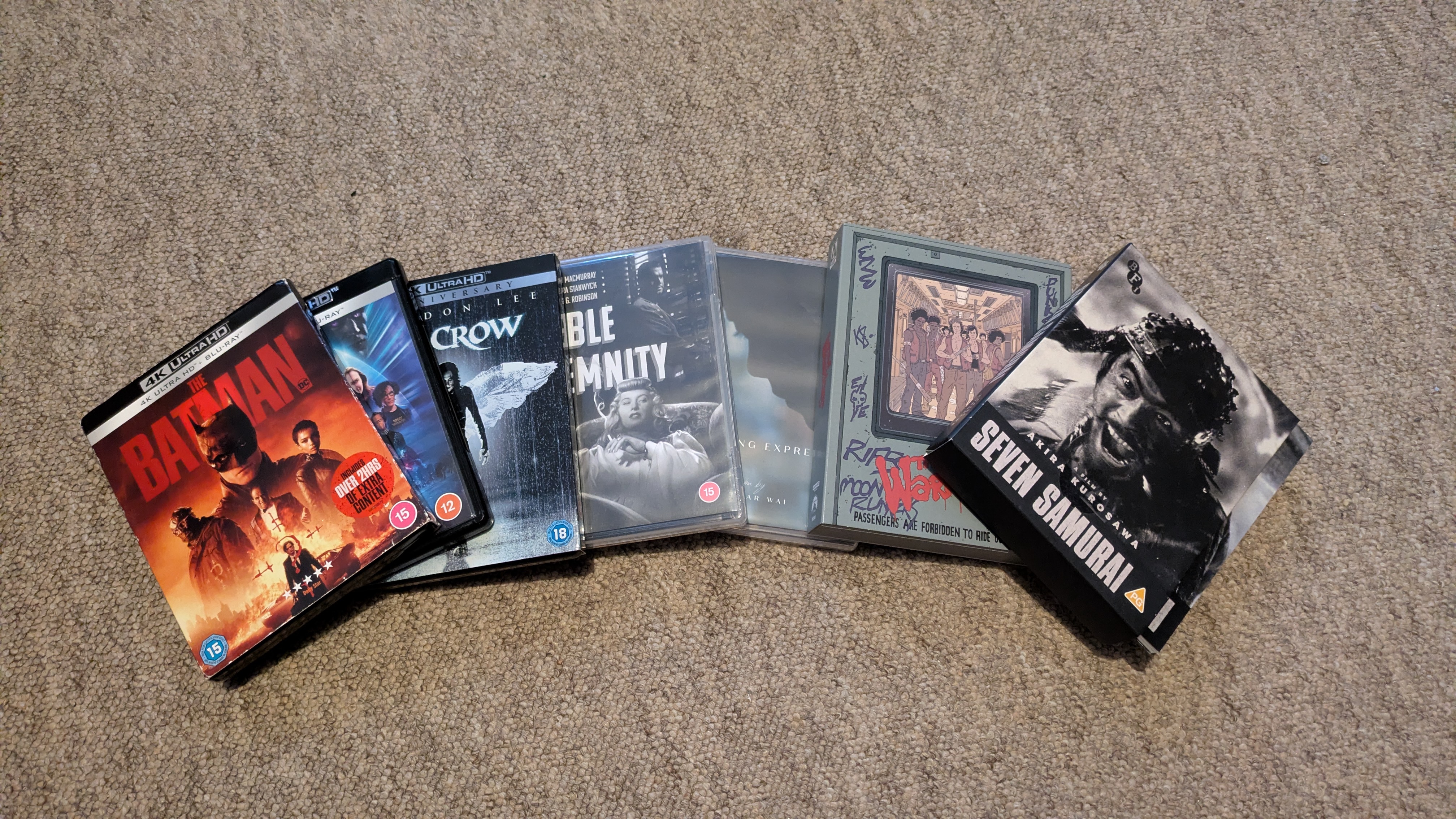
The above really is just an overview of the fantastic work Silversalt Restorations does — the process of restoring a film is so intricate and laborious that it takes these talented artists and technicians countless hours of careful work to bring new life to a movie on 4K Blu-ray, especially the older, classic titles from studios like Hammer.
As a 4K Blu-ray collector and fan, it was such a great experience to see the hard work — and, frankly, wizardry — that the Silversalt team can perform. While I’ve always marvelled at how good 4K Blu-rays can look, now that I’ve seen the restoration process in action, albeit briefly, I appreciate the format even more — and I especially appreciate the amount of work that goes into making many of our favorite movies look so good.



Follow TechRadar on Google News and add us as a preferred source to get our expert news, reviews, and opinion in your feeds.
James is the TV Hardware Staff Writer at TechRadar. Before joining the team, he worked at a major UK based AV retailer selling TV and audio equipment, where he was either telling customers the difference between OLED and QLED or being wowed by watching a PS5 run on the LG 65G2. When not writing about the latest TV tech, James can be found gaming, reading, watching rugby or coming up with another idea for a novel.
What's Your Reaction?
 Like
0
Like
0
 Dislike
0
Dislike
0
 Love
0
Love
0
 Funny
0
Funny
0
 Wow
0
Wow
0
 Sad
0
Sad
0
 Angry
0
Angry
0











Comments (0)