

Immortal Universe Is Made for Vampire: The Masquerade Players who Live for Drama

White Wolf’s tabletop role-playing game Vampire: The Masquerade and its sequel Vampire: The Requiem let players take on the role of creatures of the night with a wide variety of supernatural powers they can use to charm, dominate, or kill their enemies. But while some players love showing off their abilities in mass combats at live-action role-playing events, Renegade Game Studios producer Rachel J. Wilkinson believed that “if you pulled out your character sheet, you had already lost.”
Role-playing comes first
“The only thing I ever wanted was for the storyteller to leave me alone,” she tells Polygon. “Let me just roleplay my social dynamics with my dysfunctional family of vampires around me so I can have all that drama.”
Wilkinson designed the Immortal Universe RPG for players like her. The tie-in to AMC’s adaptations of Anne Rice’s gothic horror books is expected to release in fall 2027 following a BackerKit campaign that raised about $337,000. Its core rulebook and starter set will let players step into the world of Interview with the Vampire and experience all its messy relationship drama.
“V:TM is all about the acquisition of political and sectarian power,” Wilkinson says. “This is all about, ‘What is my dysfunctional covenmate doing with that person over there?’ It’s not just a street-level game; it’s a haven-level game. It’s about what is happening in the house. They’re sort of polar opposites in that way.”
The RPG lets players take part in the story of Interview with the Vampire. A starter set offers an introductory chronicle focused on abandoned fledglings created by the vampire Lestat as they investigate a murder in 1949 New Orleans. AMC even let Wilkinson come up with new vampiric gifts that haven’t been introduced in the series.
“You are the protagonists in this Anne Rice story, and I just felt like it was necessary to have that connection when players first try the game, rather than having them create four vampires disconnected from this canon,” Wilkinson says.

Immortal Universe is built for three to five players who take on the role of humans, fledgling vampires, or elder vampires. They establish dynamics and vague timelines, such as deciding that their characters used to be close but had a falling out in the 1960s. Interview with the Vampire uses dueling narratives to explore the subjectivity of memory, and the game imitates that through flashback scenes where character details are fleshed out over the course of the campaign.
“Perhaps I remembered it wrong,” Wilkinson says. “You can discover your character’s own past, and you can change your character’s past. We could play that scene from the 1960s and I realize I was a totally different person back then. I’m way more bloodthirsty than I actually believed. You can change your character based on what’s happening.”
Immortal Universe uses dice to build messy drama
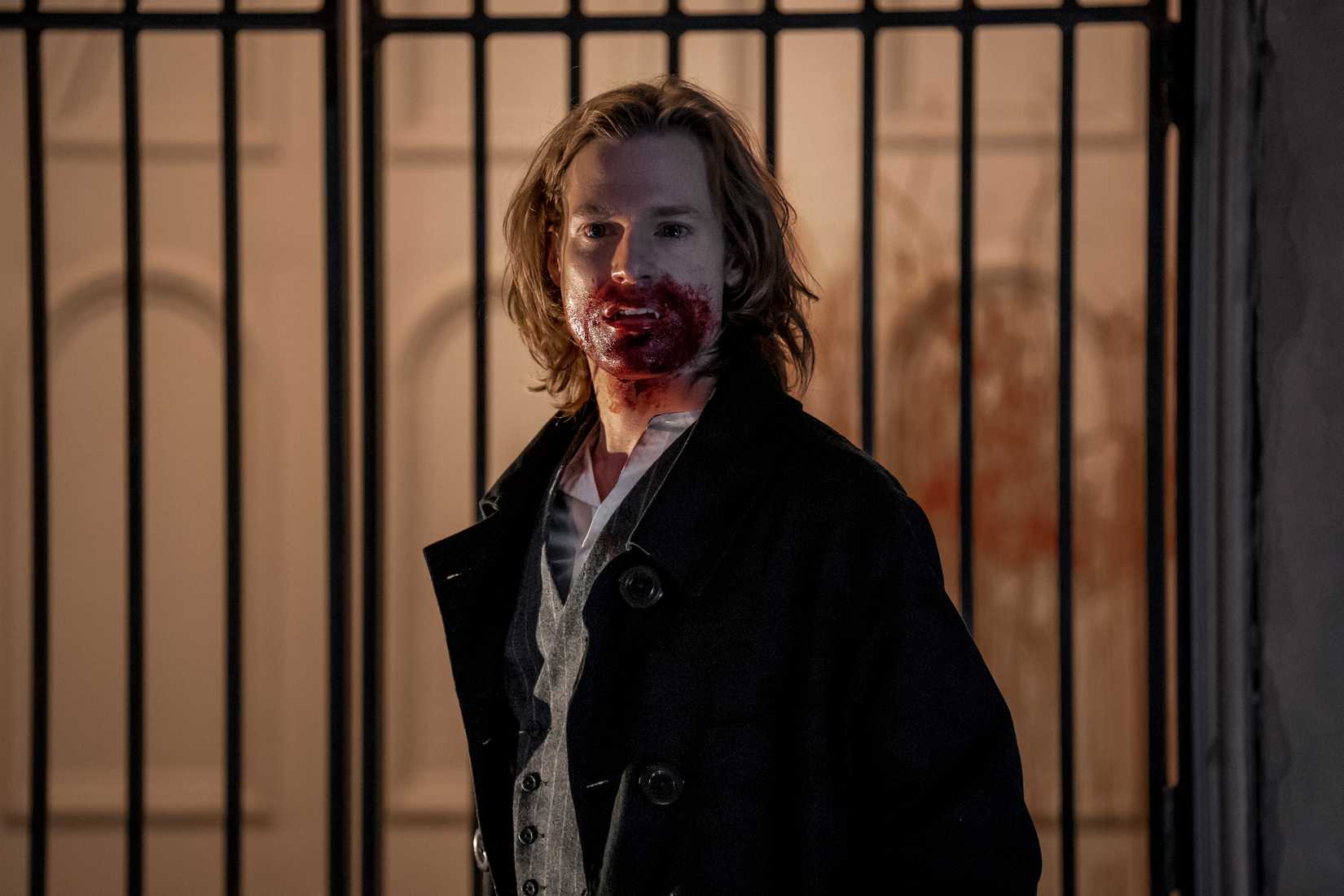 Photo: Alfonso Bresciani/AMC
The flashback system provides opportunities for stories that can span centuries, with players taking on multiple roles across the eras.
“Maybe I was a child in the 1960s, but I could play my parent, or a different covenmate with you in this scene,” Wilkinson says. “Then you can start building a stable of characters as you explore different stories, so you have the opportunity to revisit other parts of the past. If, for whatever reason, my primary character gets taken out of play or gets boring, I already have an entire backstory to bring my 1960s character into the coven.”
While the flashback system leans heavily into narrative roleplaying, Immortal Universe still has some mechanical complexity. While rolling high is always good in most TTRPGs, Wilkinson devised rules to better fit the conflicts the show’s characters actually face.
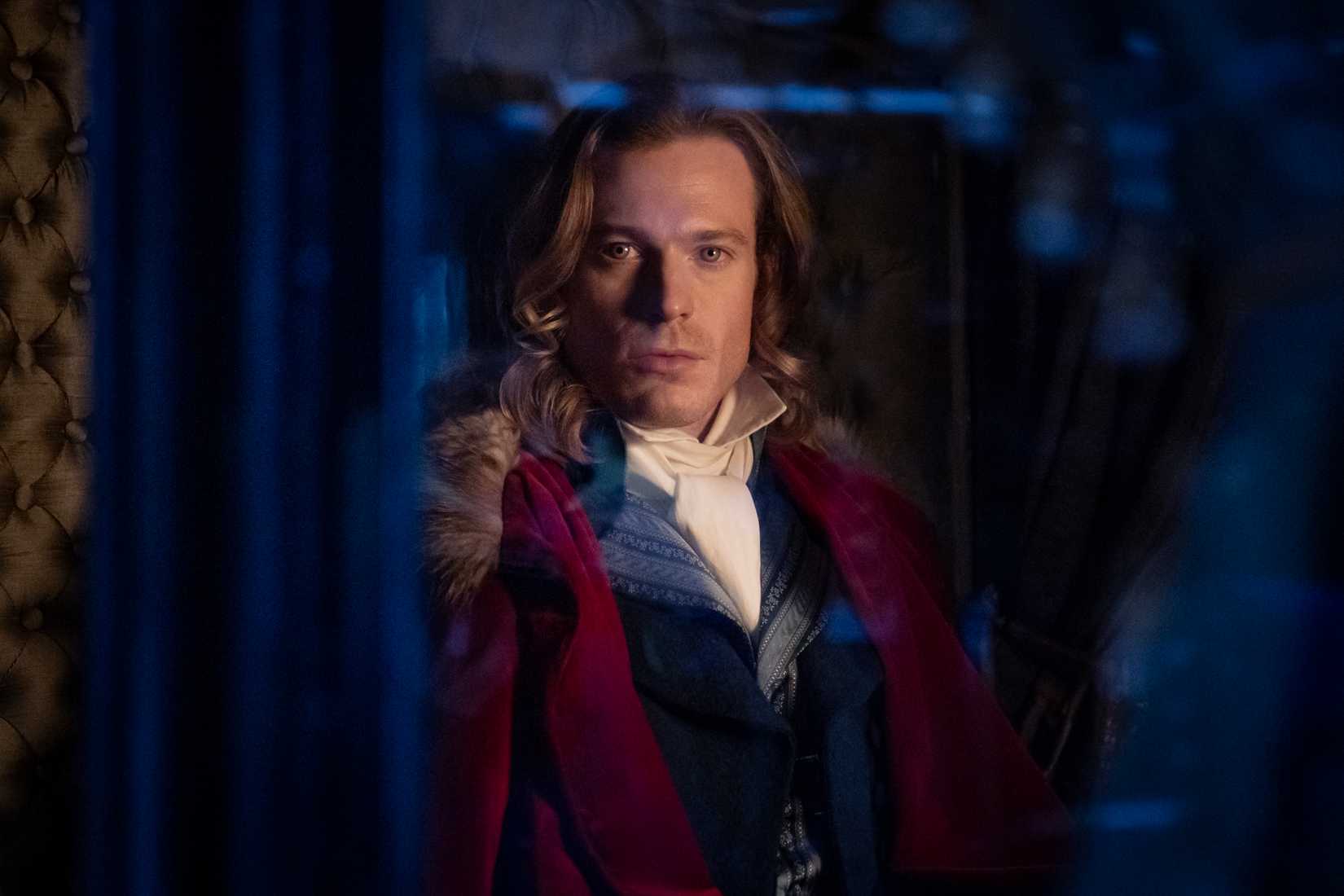 Photo: Larry Horricks/AMC
“They're never failing; they are always succeeding, but they are creating more drama for themselves,” she says. “The fact that I got what I wanted has made new problems for me.”
Vampires struggle with self-control, and the game manifests that problem through setting exact success thresholds for rolls. Succeeding by too much creates escalations as a character leaves a mess in their wake that will eventually come back to bite them. Vampires are hard to physically hurt, but they’re more likely to suffer emotional and psychological damage if they’re made to feel weak by more powerful vampires or tormented by terrible memories. Characters can manipulate their dice to prevent these chaotic successes, but every wound and psychic injury makes that harder.
“If it had been a fully narrative, collaborative storytelling system, it would have been a snoozefest for some percentage of folks, so I hope this system, which you can chew on but isn’t too complicated, will bring both groups to the table,” Wilkinson says. “I will either have designed for everyone or no one, and we will find out which.”
What's Your Reaction?
 Like
0
 Dislike
0
 Love
0
 Funny
0
 Wow
0
 Sad
0
 Angry
0











Comments (0)