

I've used foldable phones for years — here's how the Galaxy Z Fold 8 and iPhone Ultra are fixing the form factor in 2026
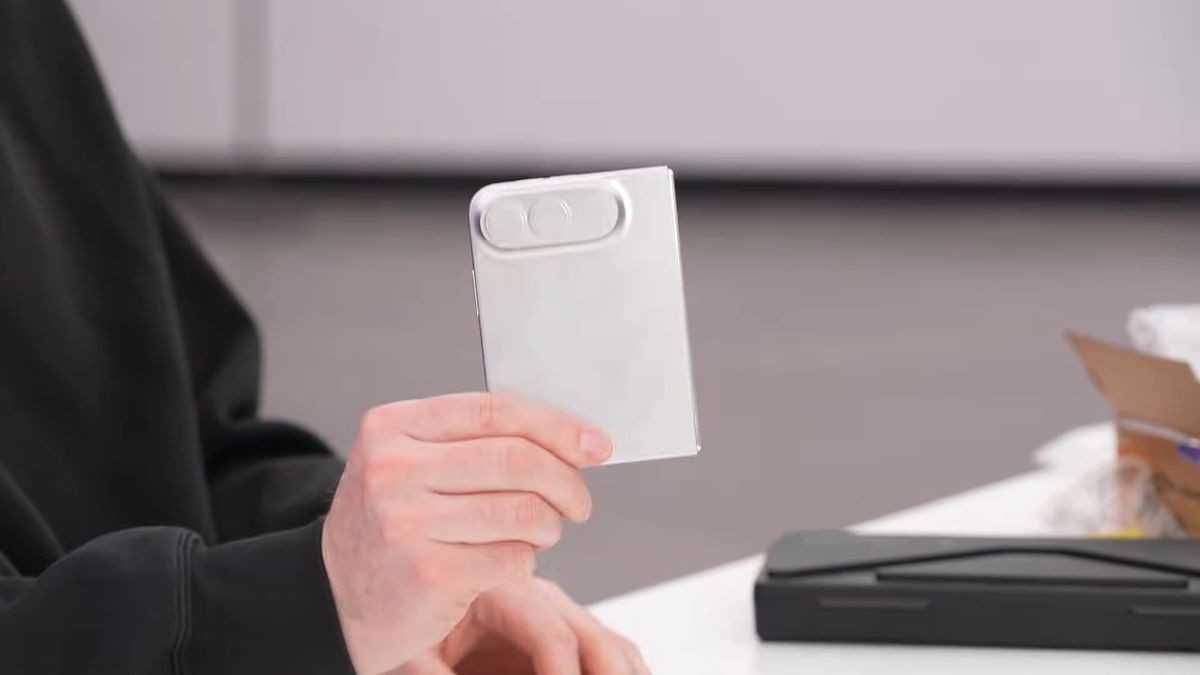
 We've seen mock-ups of what the iPhone Ultra might look like
(Image credit: Unbox Therapy)
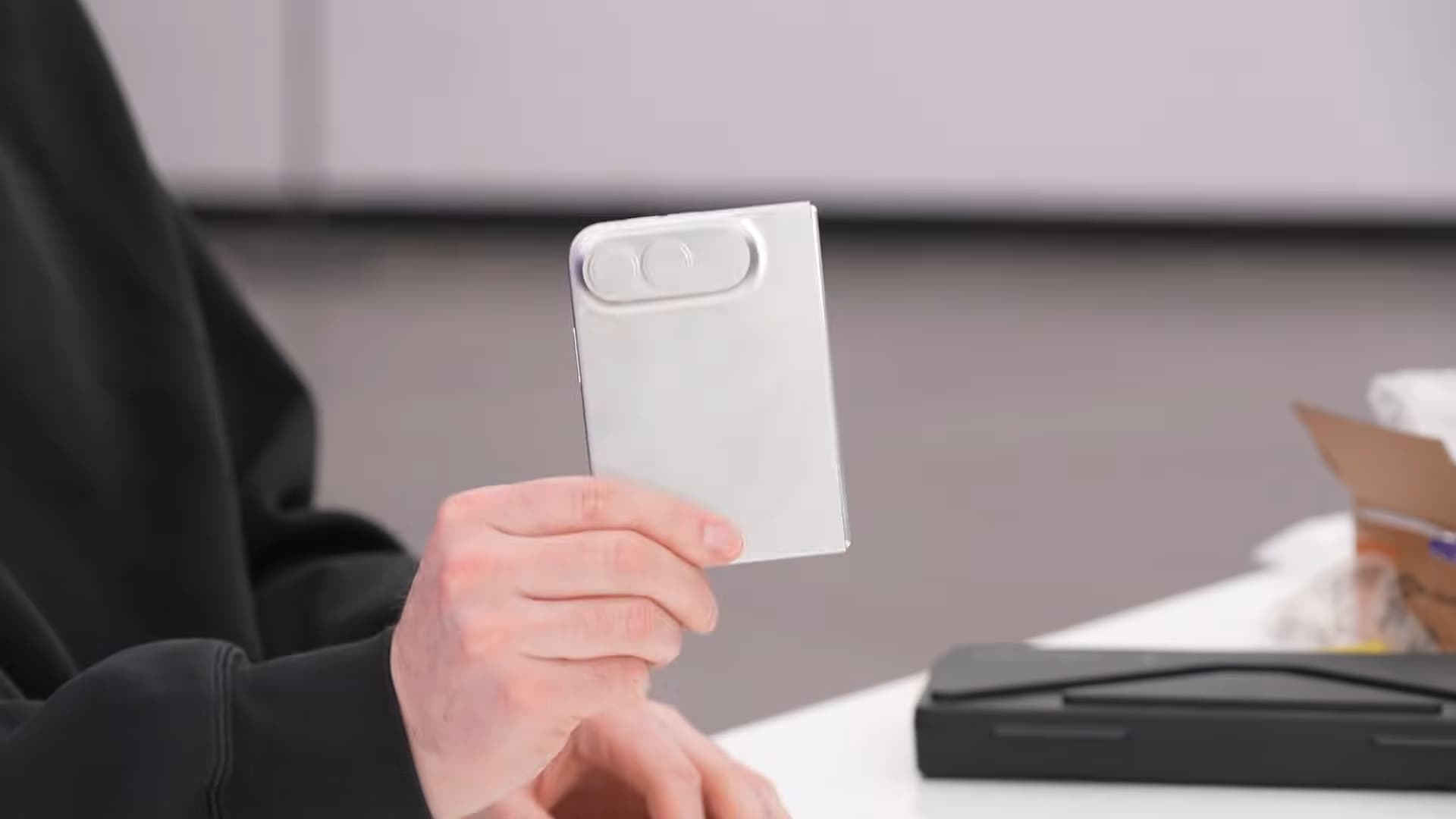
We've seen mock-ups of what the iPhone Ultra might look like
(Image credit: Unbox Therapy)
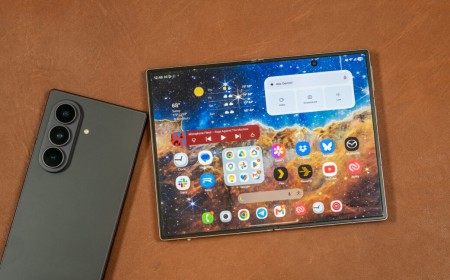
Foldable phones are no longer a novelty, but what is novel this year is that Apple is almost certainly joining Samsung and Google in releasing a phone in a foldable form factor — and the launch is significant enough that it's led to a change in strategy from Samsung, now in its eighth year of launching Galaxy Z Fold models.
If you've been keeping up with the rumors, you'll know that Samsung is widely expected to reveal both a standard Galaxy Z Fold 8 and a 'wide' version of the phone when the next Unpacked rolls around on Wednesday, July 22.
That's very likely because the iPhone Ultra (or iPhone Fold if you prefer) is being tipped to adopt the wide form factor itself. By wide, we mean the phone is shorter and wider than previous book-style foldables, whether it's open or closed.
So why the shift in design this year? Is it likely to drive more foldable phone sales? And should you be looking at picking up either a Galaxy Z Fold 8, an iPhone Ultra, or a Google Pixel Fold 11 over the coming months? As a tech journalist whose used foldable phones for years now, I can lay out what's going on for you.
The rumors so far
Rumors around a foldable iPhone are nothing new, but for months now it's been clear that this is the year that the speculation finally turns into an actual device: there have been so many rumors, from so many well-placed sources, that it would now be a huge surprise if the iPhone Ultra didn't show up around September time.
As the rumors have started gaining momentum, we've seen a running theme: the iPhone Ultra's screens are going to be shorter and wider than is typical for a device like this. A 5.5-inch cover screen and a 7.8-inch main display are what we're expecting, which would make it smaller overall than the foldables Samsung and Google have been producing.
Through leaks such as this 3D CAD mockup, we've got a pretty good idea of what the Apple phone will look like, and it might be the most interesting design choice on this device (though I'm also looking forward to seeing just how 'invisible' Apple has been able to make that crease, which will go a long way to determining how appealing the phone is).
Sign up for breaking news, reviews, opinion, top tech deals, and more.
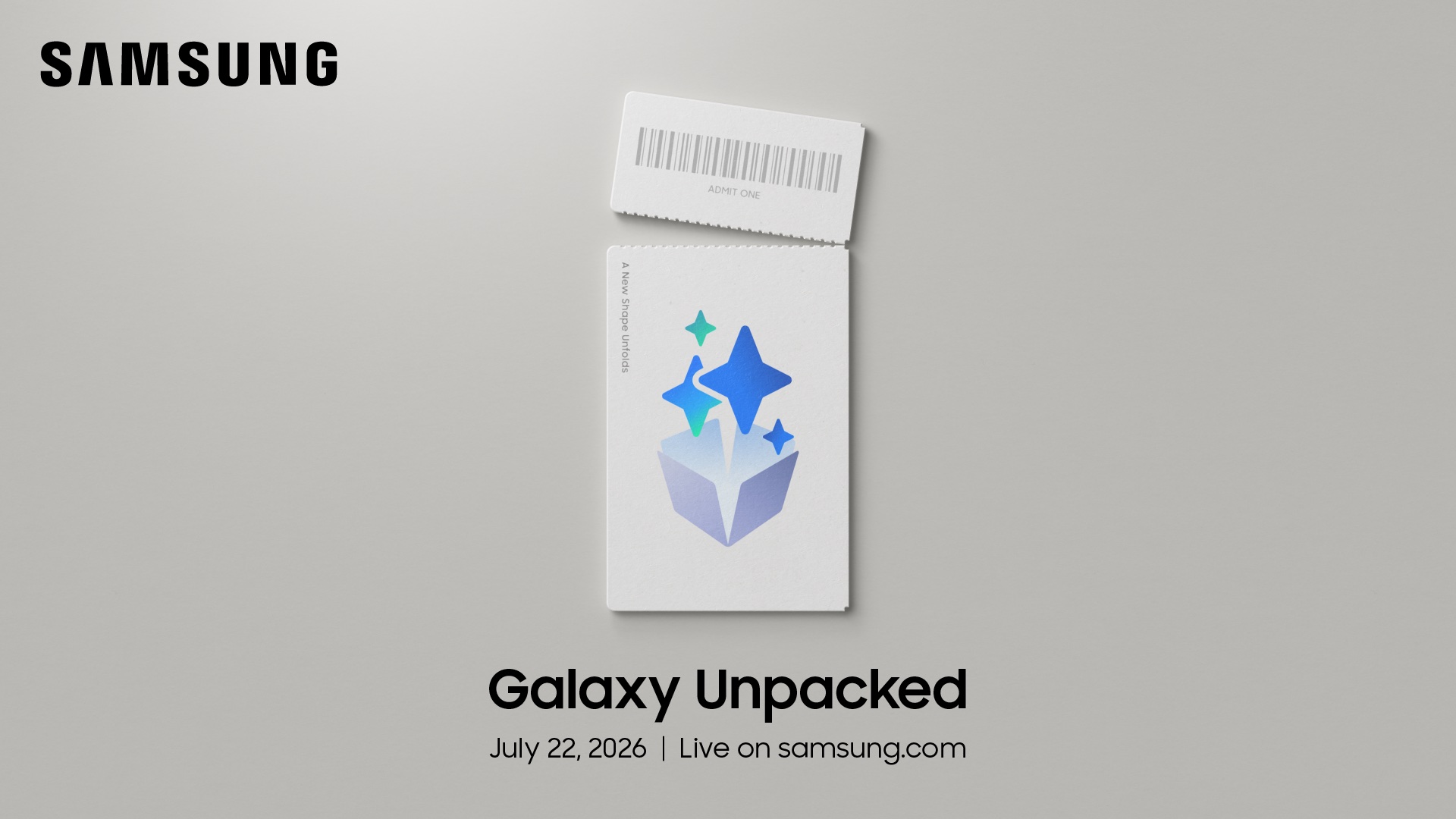
Over to the Samsung camp then, and around the same time that it emerged that Apple was taking the shorter and wider form factor approach with its foldable, we got news that Samsung was bringing out its own version — presumably to appeal to those who would otherwise go with Apple for their next folding phone.
Originally known as the Galaxy Z Fold Wide, it now appears that this handset will get the standard Galaxy Z Fold 8 moniker, while the 'normal' foldable will become the Galaxy Z Fold 8 Ultra (try and keep up at the back). You'll get a direct choice between Samsung and Apple when it comes to this more 'squat' approach to foldable design.
Google, meanwhile, doesn't appear to be changing its approach for the Pixel 11 Pro Fold (due on Wednesday, August 12): that means this phone will be more of a regular handset size when it's closed, and have a squarer screen when opened, and that brings us to the reason why these wide foldables are appearing.
The foldable phone experience
For as long as foldables have been around, manufacturers have had to balance two experiences: what the phone is like to use when it's closed, and what it's like to use when it's opened. A foldable handset needs to score highly on both counts to get consumers to consider spending money on, but to date there's been almost too much of a compromise.
As a tech journalist, I've had the privilege of using multiple foldable phones, including many months with a Pixel 9 Pro Fold that Google loaned to me. Here's the thing though: most of the time I used that phone, I kept it closed. I didn't really have any need to switch to the bigger display, even though it's an impressive feat of engineering to have the two screens in one device.
Now part of the appeal of the Pixel 9 Pro Fold — as mentioned prominently in our review — is that it looks like a 'normal' phone when it's closed. But if that's one of the main selling points, it begs the question of why you wouldn't just buy a normal PIxel, which is going to be significantly cheaper and much thinner.
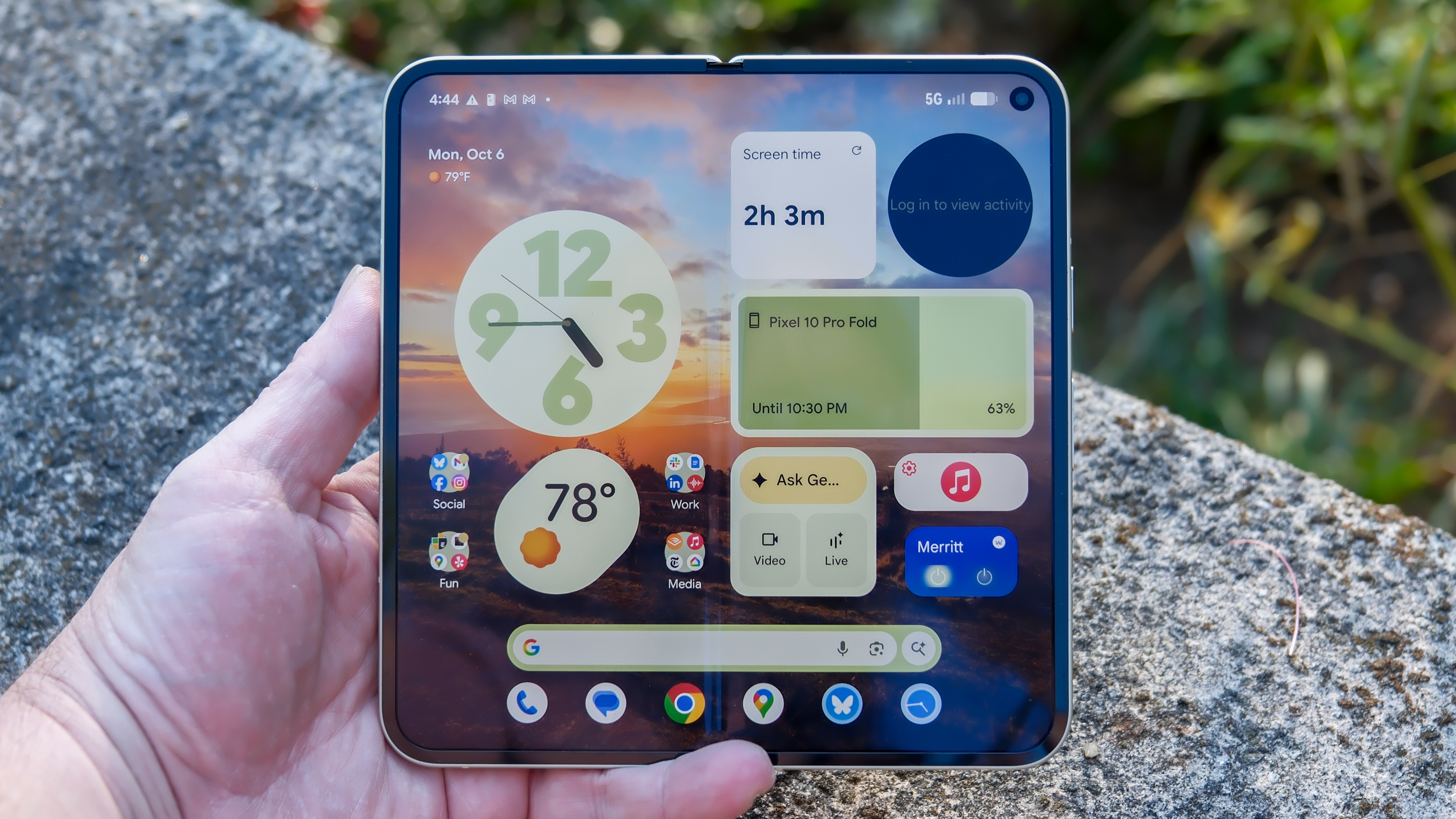
The trade-off from sticking to a standard display aspect ratio when a foldable is closed is that the larger display is more or less square. That means big black letterboxing when you're watching videos and playing a lot of games, and when I've used foldables in the past, I've usually ended up watching movies and shows with the phones closed and in landscape orientation.
That brings us back to what Apple and Samsung are doing this year. A square display is still useful for some tasks — like web browsing, and getting two apps up side-by-side — but these new foldables will have a more tablet-like 4:3 aspect ratio when opened up. That will make them much better for watching video content and for gaming (and much more iPad-like, in Apple's case).
The whole point of a book-style foldable, after all, is that larger display — and in 2026 that's the screen that Samsung and Apple are going to be focusing on, even if it does mean the handsets will look rather odd when they're closed. The passport-style foldable is the future, and I think it'll be a successful switch.

Follow TechRadar on Google News and add us as a preferred source to get our expert news, reviews, and opinion in your feeds.
Dave is a freelance tech journalist who has been writing about gadgets, apps and the web for more than two decades. Based out of Stockport, England, on TechRadar you'll find him covering news, features and reviews, particularly for phones, tablets and wearables. Working to ensure our breaking news coverage is the best in the business over weekends, David also has bylines at Gizmodo, T3, PopSci and a few other places besides, as well as being many years editing the likes of PC Explorer and The Hardware Handbook.
What's Your Reaction?
 Like
0
Like
0
 Dislike
0
Dislike
0
 Love
0
Love
0
 Funny
0
Funny
0
 Wow
0
Wow
0
 Sad
0
Sad
0
 Angry
0
Angry
0







Comments (0)