

Lomochrome Color ‘92 Sun-Kissed Is a Fun Film With Character All Its Own
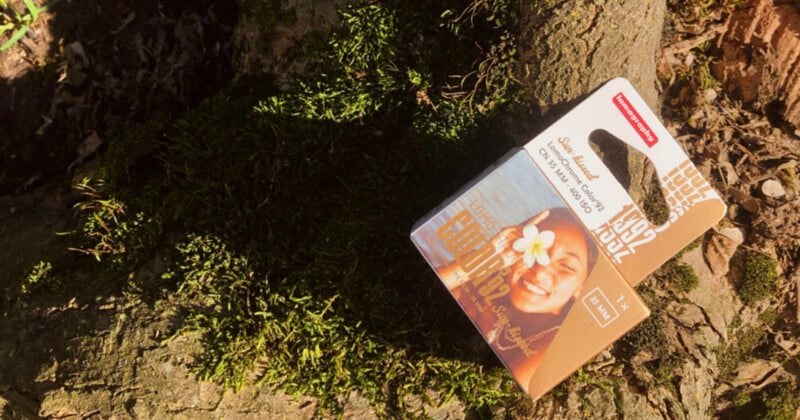
Toward the end of the summer of 2024, Lomography struck again, bringing a new (sort of) addition to its Lomochrome line of experimental films. The company introduced Lomochrome Color ‘92 Sun-Kissed, a color negative film meant for experimentation and indulging in nostalgia.
To best understand Color ‘92 Sun-Kissed, it really helps to know a bit about its precursor film: the original Color ‘92. Lomochrome Color ‘92 was released a year earlier in 2023 and the name Color ‘92 is a reference to the year that Lomography was founded.
Lomography billed the film as a throwback to the color films and one-hour lab processing of the early 1990s. We certainly don’t fault them for this creative presentation but it does tend to give a not-entirely-accurate depiction of what this film does.
We wouldn’t say that Color ‘92 looks all that much like color film of the 1990s.
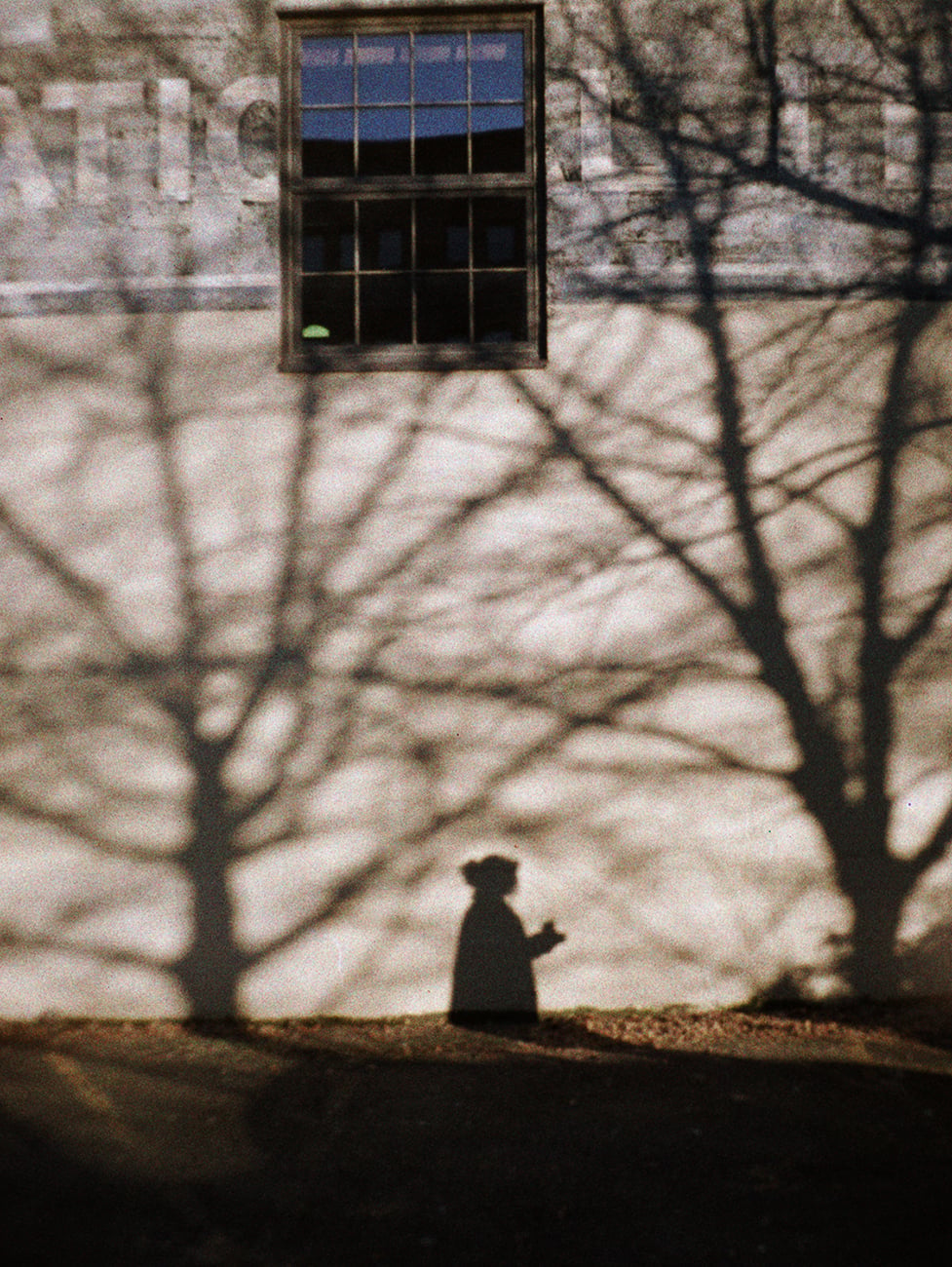 Shot on Lomomatic 110
 Shot on Olympus XA
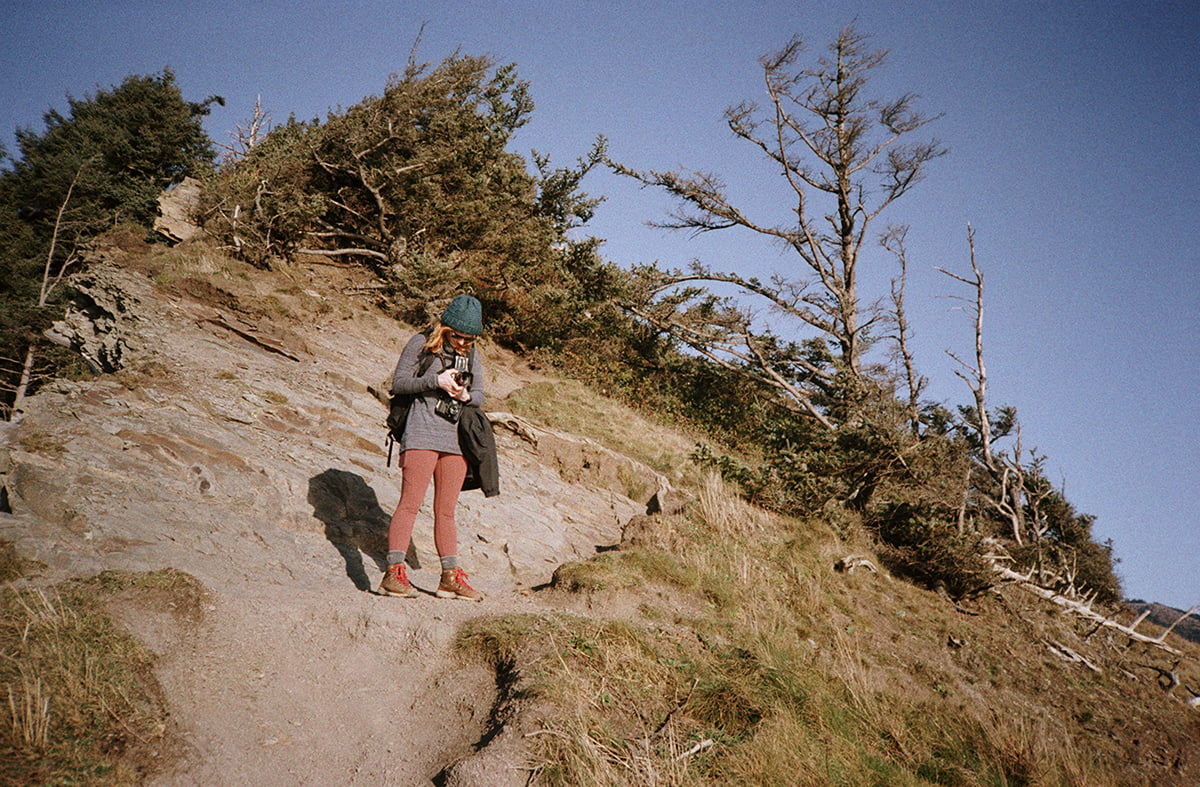 Shot on Olympus XA
There were some pretty fun color films from that time and this ain’t one of them. If anything, Color ‘92 has a look more akin to film that was originally exposed in the 1990s then left to sit undeveloped for 30 years, aging and deteriorating along the way. Color ‘92 has a grainy look with somewhat muted colors and a split color cast with the highlights looking a coldish blue while the shadows tend to have a yellow-green cast to them. This isn’t meant to disparage Color ‘92, just an attempt to get to the heart of its look and give a more accurate presentation of it. Color ‘92 is a fun film and it has a character all its own (unless you go looking at samples of Wolfen NC400 film, then it is pretty similar to that stock). But it is on the cold side and its shadows are greenish and it does have prominent grain.
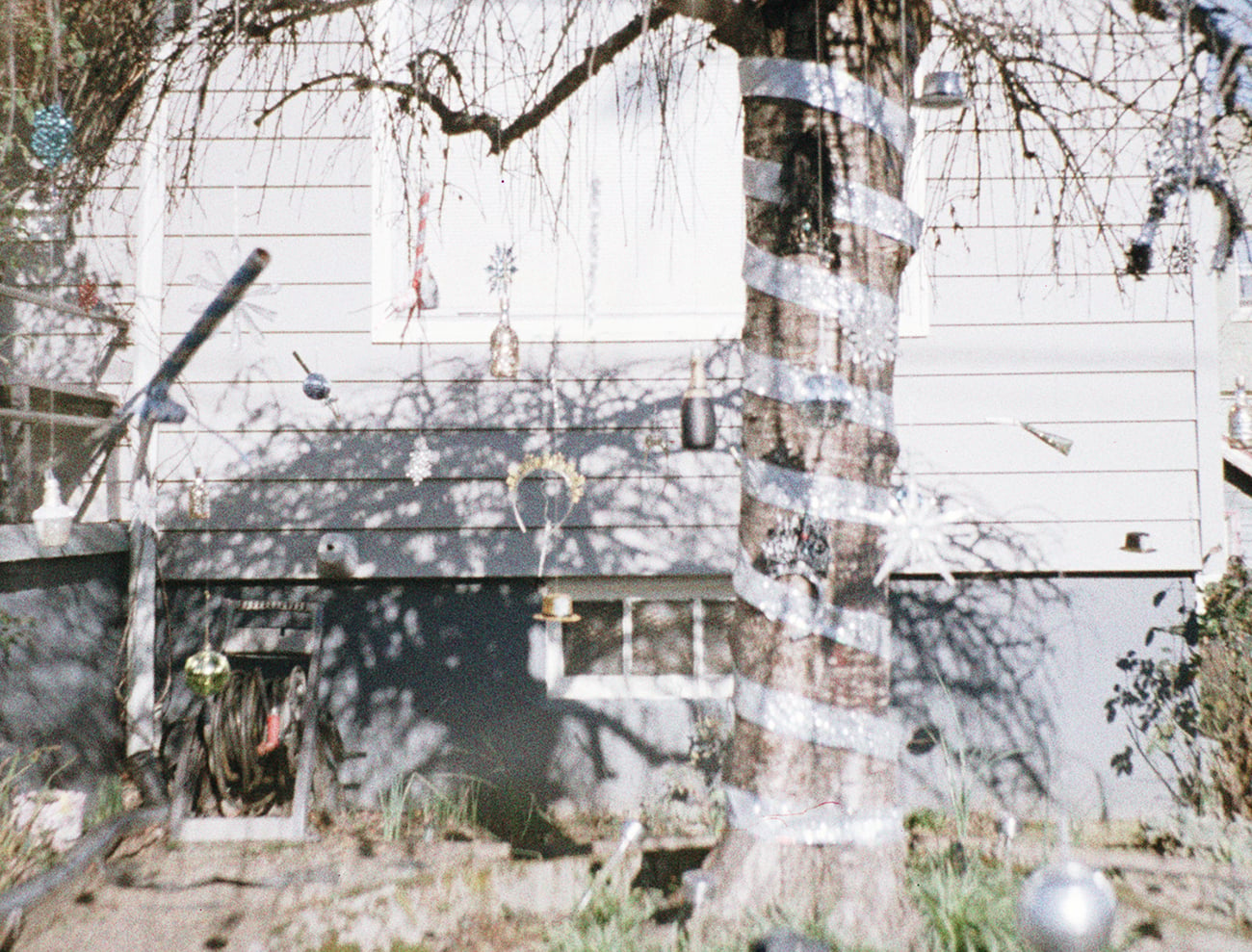 Shot on Lomomatic 110
 Shot on Lomomatic 110
So now you jump ahead a year and Lomography announces a new Sun-Kissed version of Color ‘92. Some speculate that if the original Color ‘92 is based on the aforementioned Wolfen NC400, the new Sun-Kissed is based on Wolfen NC500. There very well could be some truth to this but at the moment, all we have is good guesswork and speculation. Lomography is famously tight-lipped for where it sources these films. So, instead, we will set those theories aside and focus on the film in hand as it is presented.
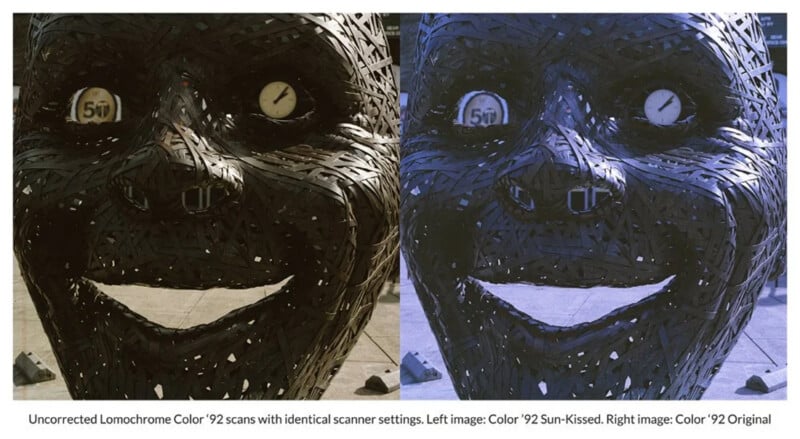
Sun-Kissed has a very similar look to the original Color ‘92 but with a touch of warmth. We would not call it a warm film, just warmer. It is “sun-kissed” after all — sun-kissed, not sun-drenched.
Lomochrome Color ‘92 Sun-Kissed is still a coolish-to-neutral film, especially when not compared to the original Color ‘92 to see the comparative increase in warmth. But Sun-Kissed’s color palette is closer to neutral than its predecessor, so there is that. Sun-Kissed also does better in its shadows and lacks the green/yellow tendency of the original Color ‘92. Our test shots with Color ‘92 Sun-Kissed all had more naturally-colored shadows right from the scanner. Split color casts drive us a bit nuts, so this was an appreciated change for sure!
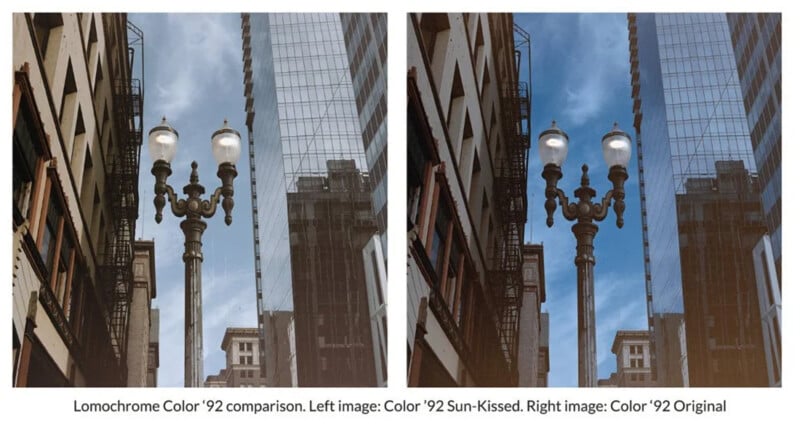
Apart from its colors, what else does Sun-Kissed do? Well, it has above normal contrast. Not crazy amounts but definitely more than your average roll of Kodak Gold or Portra. It might be a touch more than Kodak Ektar but not by much. Its overall saturation is also lower than normal. In this vein, Color ‘92 Sun-Kissed bears some passing similarities to Lomochrome Metropolis, albeit not nearly as “color film noir-ish”.
The film grain of Color ‘92 Sun-Kissed is also noticeably smoother than the original Color ‘92. We would not call this a fine grain film by any stretch of the imagination. In fact, if we were talking about Sun-Kissed in vacuum (nevermind the impossibility of transmitting sound in an airless space) we would classify this a grainy film. It is grainy, it is just not as grainy as the OG Color ‘92. If you will permit us an unscientific comparison, we would say that Color ‘92 Sun-Kissed has the grain of a film a stop faster, such as an ISO 800 film.
 Shot on Canon T70
 Shot on Canon T70
In our experience, Sun-Kissed also has below average latitude. We have not done extensive testing across under and over exposure but based on the handful of rolls we shot, we noted that detail in the shadows does fall off pretty quickly even when the film is properly exposed. This is not a film we would recommend pushing to ISO 800 but then again we could be surprised.
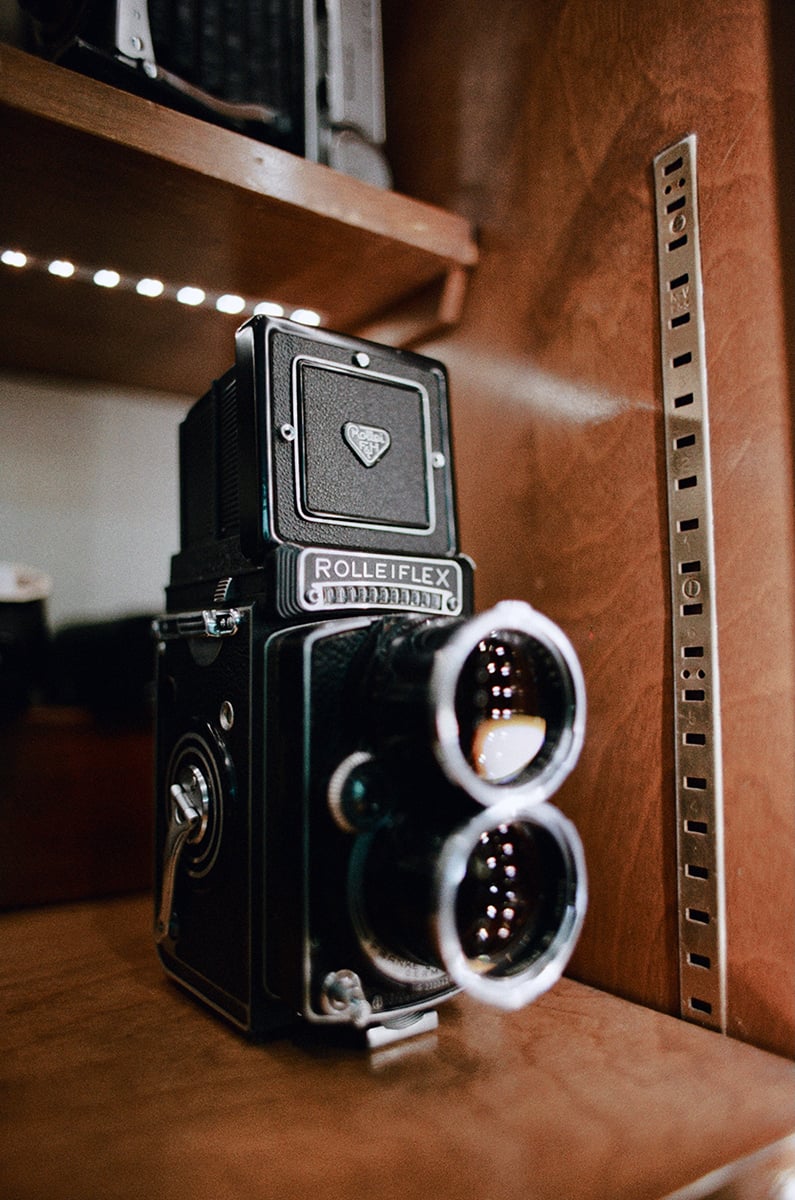 Shot on Canon T70
 Shot on Canon T70
On the overexposed side of things, it also feels like the film reacts relatively fast to missed exposure with the colors and contrast getting noticeably flatter and washed out. During the course of our trials we shot rolls in an Olympus XA side by side with a Lomomatic 110. The Lomomatic negatives were denser than the XA and a stop or two overexposed. The resulting scans from the 110 film are much less punchy than the 35mm counterparts. While there are various other factors that can affect this (lens quality, lens coating, etc), our hunch is a good part of the difference we were seeing was in the change to exposure.
And of course there is also Color ‘92 Sun-Kissed in medium format. What review of this film would be complete without shooting this in medium format? Spoiler alert, this was our favorite format to shoot Sun-Kissed in but full disclosure, we are definitely biased toward medium format in general. In 120 Color ‘92 Sun-Kissed looks even better. Its grain becomes much less noticeable and the film retains its unique dampened color palette and toned-up contrast.
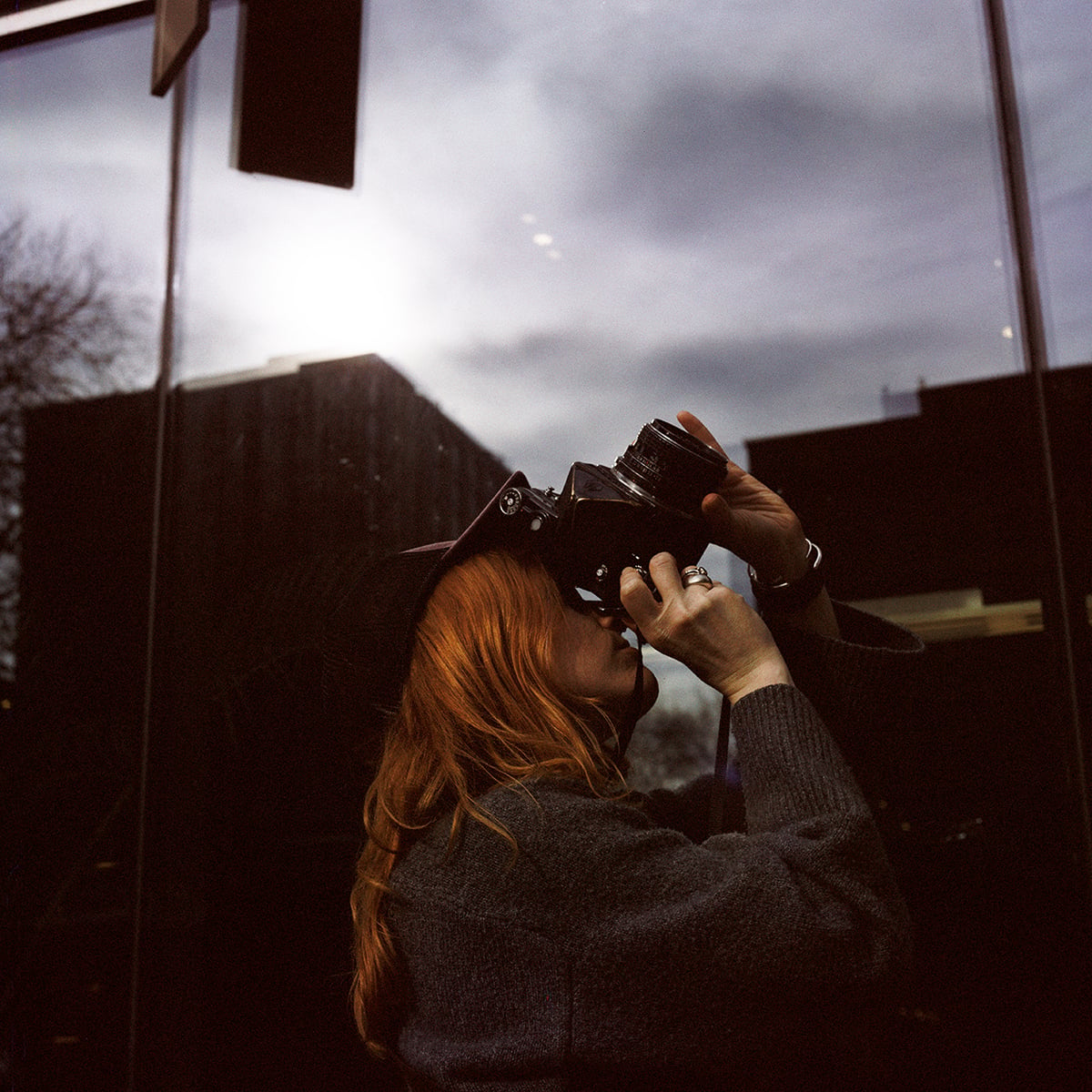
We have just a couple more tidbits to share with you regarding Color ‘92 Sun-Kissed. The first we discovered by chance. While the name of the film implies a bit more than it typically accomplishes, we were really impressed with our Sun-Kissed images when we shot them in late afternoon or early evening golden hour light. Give Color ‘92 the slanting light at the ends of the day, or a good sunset and this film looks really, really nice. Maybe there is something to the Sun-Kissed name that speaks of an affinity for golden hour. If you try a roll of this film we definitely recommend saving a few shots for the end of the day.
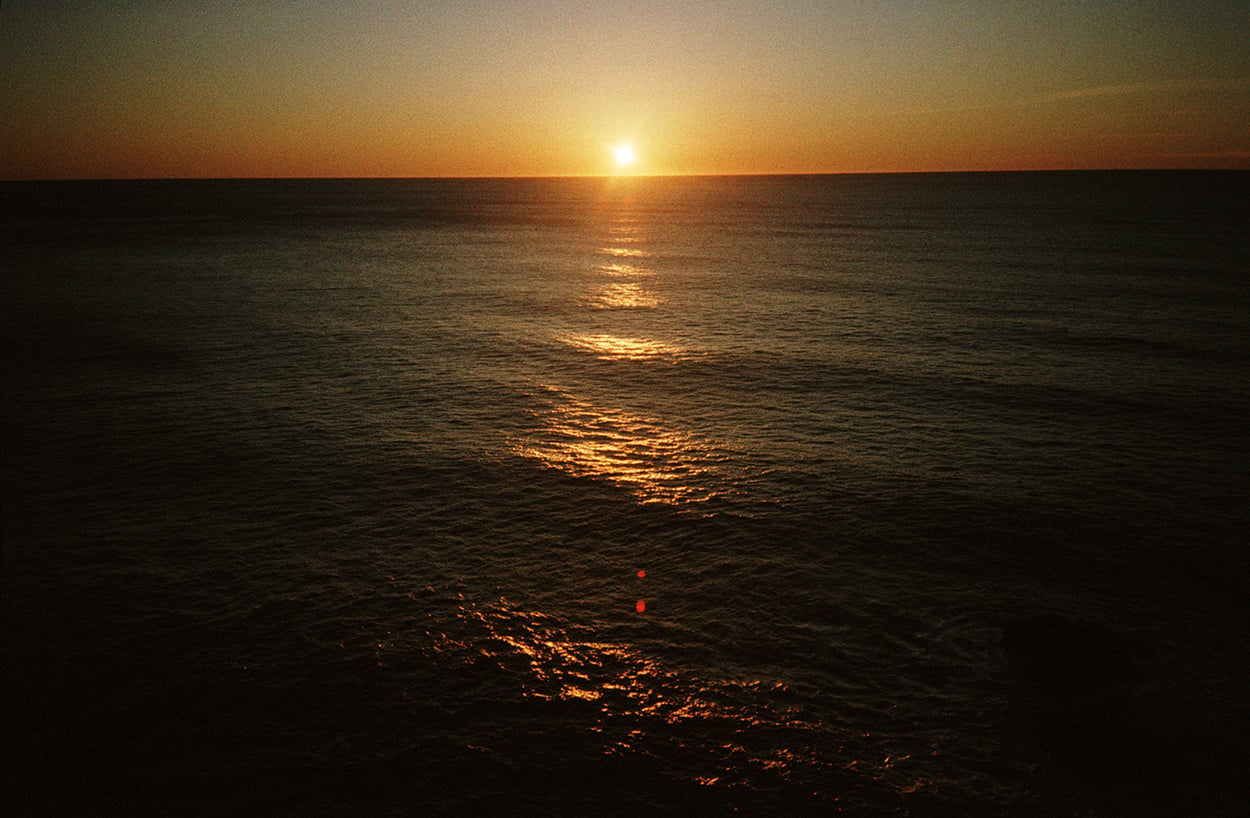 Shot on Olympus XA
 Shot on Olympus XA
The other quick experience to share is that this film seemed to do alright with long exposures. We did not try too many long exposures or for too long (our longest was in the 15 to 60 second range) but the couple long exposure images we did make looked quite good! Good enough that we would consider shooting this film through some ND filters and giving it a bit more experimentation in that area of photography.
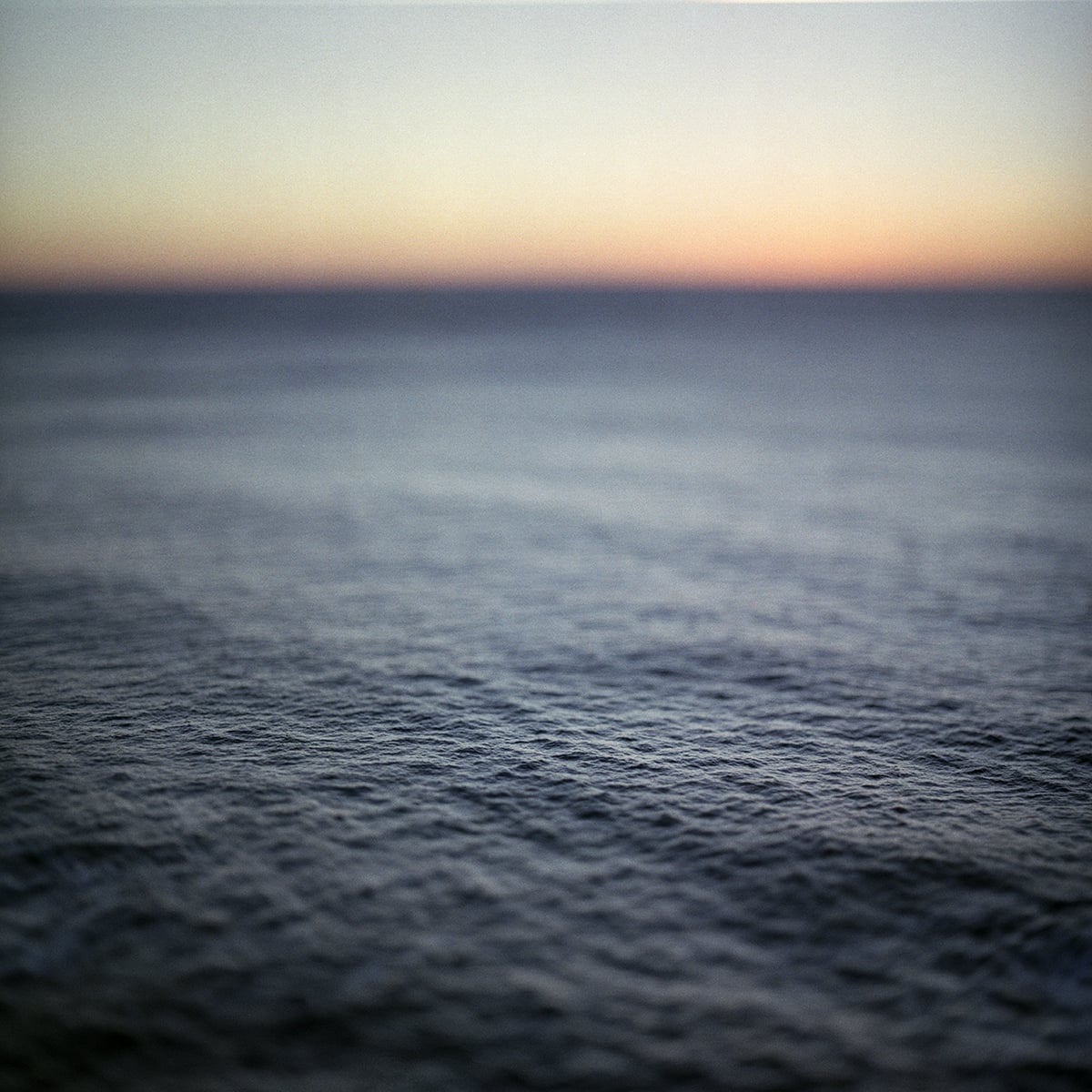 Shot on Hasselblad Flexbody
And that brings us to the end of our review of Lomochrome Color ‘92 Sun-Kissed. We admit, we went into this film with somewhat low expectations given our hit-and-miss experiences with the original Color ‘92. But Sun-Kissed surprised and even impressed us. It serves as a good reminder that every film is a different flavor and some flavors suit some photographers better or worse. You will never know what you will like unless you experiment a little. That is one thing we give Lomography due credit for: encouraging us film photographers to get out there and try new things – or in this case, new films.
We encourage you to try it out. Lomochrome Color ’92 Sun Kissed is on sale today only!
This story is brought to you by Blue Moon Camera and Machine in Portland, OR. Blue Moon offers film, development services, printing, and even an ever-rotating line of film cameras and lenses. PetaPixel Members receive 10% off all lab services with Blue Moon: Join today!
Image creditsPhotos by Zeb Andrews, Annie Buckles, and Gabriel Binder and provided courtesy of Blue Moon Camera and Machine.
Affiliate Disclosure PetaPixel articles may include affiliate links; we may earn a commission if you buy through one.
What's Your Reaction?
 Like
0
Like
0
 Dislike
0
Dislike
0
 Love
0
Love
0
 Funny
0
Funny
0
 Wow
0
Wow
0
 Sad
0
Sad
0
 Angry
0
Angry
0









Comments (0)