

Netflix’s 33-Episode Dystopian Sci-Fi Masters The Art Of Predicting Our Darkest Future

Published Oct 31, 2026, 2:00 AM EDT
Dhruv is a Lead Writer in Screen Rant's New TV division. He has been consistently contributing to the website for over two years and has written thousands of articles covering streaming trends, movie/TV analysis, and pop culture breakdowns.
Before Screen Rant, he was a Senior Writer for The Cinemaholic, covering everything from anime to television, from reality TV to movies.
After high school, he was on his way to become a Civil Engineer. However, he soon realized that writing was his true calling. As a result, he took a leap and never looked back.
Dystopian sci-fi is not always as far removed from reality as it may seem. Often, some of the most disturbing stories in the sci-fi genre can seem incredibly relatable and reflective of the real world. And they do not seem prophetic because they predict specific details about the future. They feel eerily real because they merely reveal how present world developments can aggravate humanity's darkest tendencies.
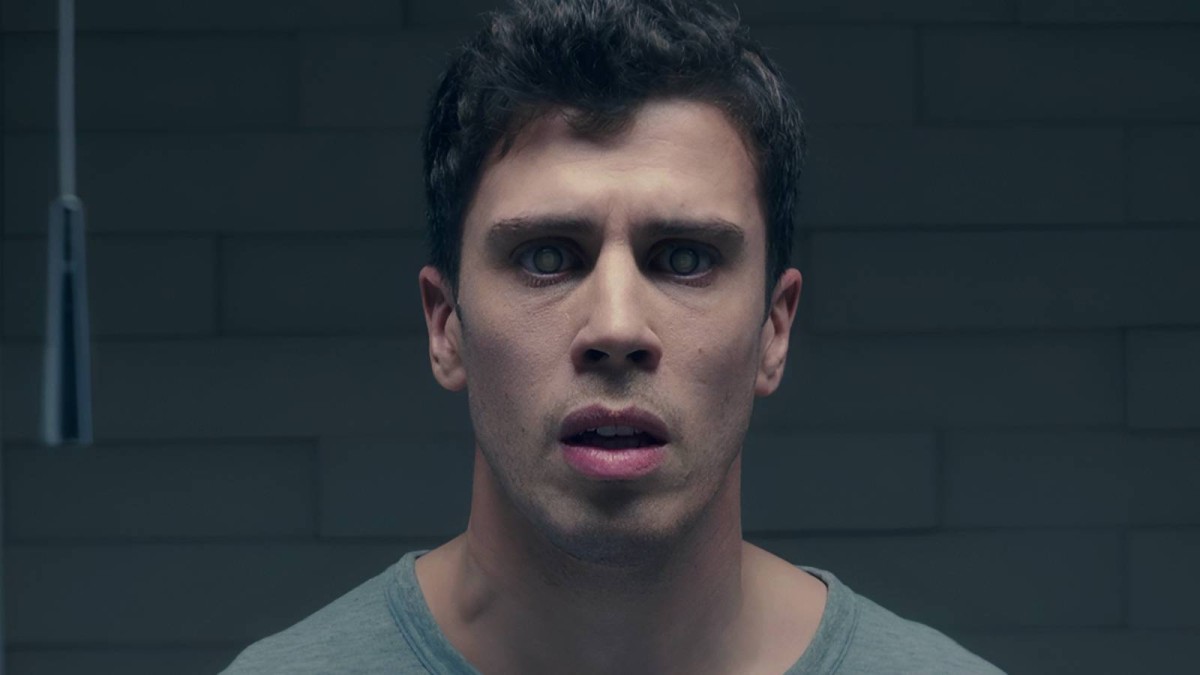
Different sci-fi shows achieve this "realism" in different ways. However, there is one sci-fi show on Netflix that truly masters the art of predicting humanity's darkest future. Many of its predictions are also coming true in real time, making the series more relevant than ever. The show in question, Black Mirror, currently has 7 seasons and over 30 episodes.
Since Black Mirror is more of an anthology, it experiences some major ups and downs in quality. Some of its more generic and less ambitious installments are easy to forget. On the other hand, Black Mirror's best episodes hit so hard that it is impossible not to keep thinking about them as they seep into the real world and hit closer and closer to home.
More & More Predictions From Black Mirror Are Coming True

Black Mirror's true horror never comes from its portrayal of "high-tech." Instead, it lies in its depiction of the contrasting "low" lives humans are forced to endure in the name of progress. The show is packed with many intriguing pieces of technology that are slowly gaining some semblance of realism. For instance, as shown in "White Christmas," digital cloning is more than a possibility today.
However, the show's real appeal lies in how it predicts our reaction to new incentives from technology. Some of the greatest episodes in the series, like "Nosedive," are a little too over-the-top to completely materialize into the real world. Yet, the episode's depiction of how transactional human conversations can become in a hyper-connected world is more relatable than ever.
Then there are episodes like "Fifteen Million Merits" that unfold in bleak dystopian worlds, walking through the rebellion of an isolated worker against hyper-capitalism. What begins as an inspiring story of hope and human resilience turns into a tragic reminder of one Joyce Messier (Disco Elysium) quote:
“Capital has the ability to subsume all critiques into itself. Even those who would critique capital end up reinforcing it instead.”
Even episodes like "USS Callister" that come off as Star Trek parodies on the surface before they evolve into moral arguments about the justification of cruelty among those in power. Perhaps one of the most hard-hitting episodes in the series is "The Entire History of You." It introduces a simple and quite realistic technology that allows humans to record and revisit through an implant.
Centering on a couple, the episode gives a glimpse of how the unreliable nature of human memory can actually be a blessing. It shows how perfect digital recordings of everything we have done and everywhere have been can create a compulsive desire to live in nostalgia and escape the realities of the present.
1 Black Mirror Episode Feels Prophetic In 2026
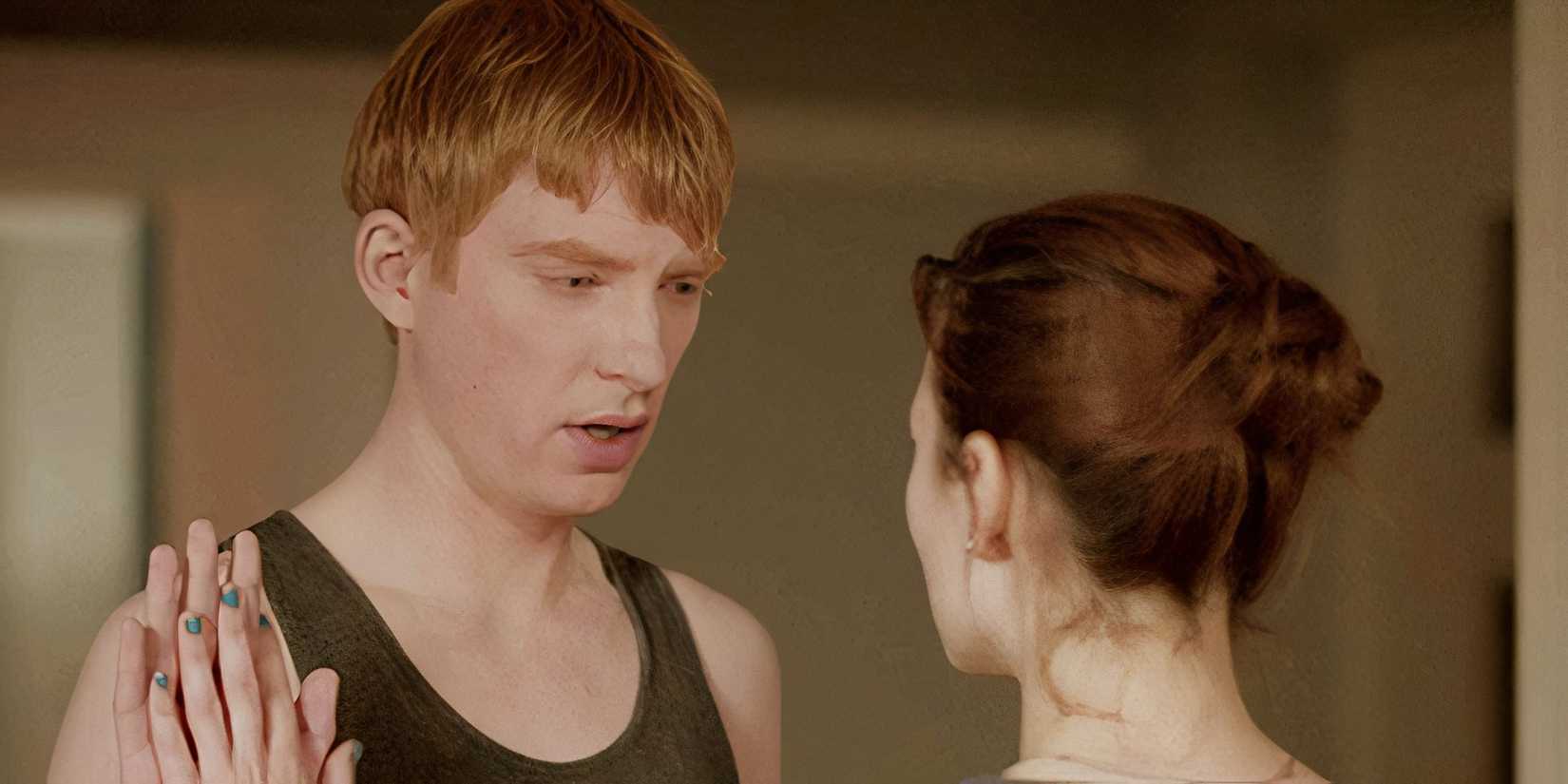
Black Mirror season 2's episode 1, "Be Right Back," is easily one of the most prophetic installments of the Netflix sci-fi series. It follows the story of a grieving woman who starts relying on her deceased husband's digitally-cloned chatbot to deal with her grief. Generative AI "grief bots" or digital legacy avatars are already a thing.
After watching the Black Mirror episode, it is hard not to wonder whether humans will eventually end up sanitizing hard feelings like grief through technology. The show takes this moral question even further in the episode by showing how its female lead avoids mourning by keeping a physical clone of her husband at home.
She, too, knows that the clone is nothing like her late husband but struggles to let go of what she thinks she has left of him. With this, the dystopian Netflix sci-fi show predicts how we would rather rely on hollow technologies and stay in perpetual denial than go through the tough but necessary process of emotional closure.
What's Your Reaction?
 Like
0
 Dislike
0
 Love
0
 Funny
0
 Wow
0
 Sad
0
 Angry
0











Comments (0)