

No Sci-Fi Series Does Dystopian Worldbuilding Better Than Netflix's 34-Episode Masterpiece

Published Nov 25, 2026, 1:01 AM EST
Craig began contributing to Screen Rant in 2016 and has been ranting ever since, mostly to himself in a darkened room. After previously writing for various outlets, Craig's focus turned to TV and film, where a steady upbringing of science fiction and comic books finally became useful. Craig has previously been published by sites such as Den of Geek.
Craig is an approved critic on Rotten Tomatoes.
LinkedIn: https://www.linkedin.com/in/craig-elvy-5b31a3381/
Worldbuilding is a vital component of any sci-fi series, but especially when it comes to the dystopian subgenre. These shows can't just rely on a tyrannical villain or hideous monster to chill viewers; the story's reality needs to be terrifying by itself. George Orwell's 1984 isn't the touchstone of dystopian storytelling because Big Brother is a great antagonist, but because the alternate future Orwell describes is vividly and unapologetically unsettling.
The elites of dystopian TV operate on a similar premise. The Handmaid's Tale crafts a devastatingly miserable political landscape, while 12 Monkeys blends dystopian tropes with mind-bending sci-fi to glorious effect. There isn't exactly a shortage of great dystopian TV shows out there, but there is one standing head and shoulders above the rest.
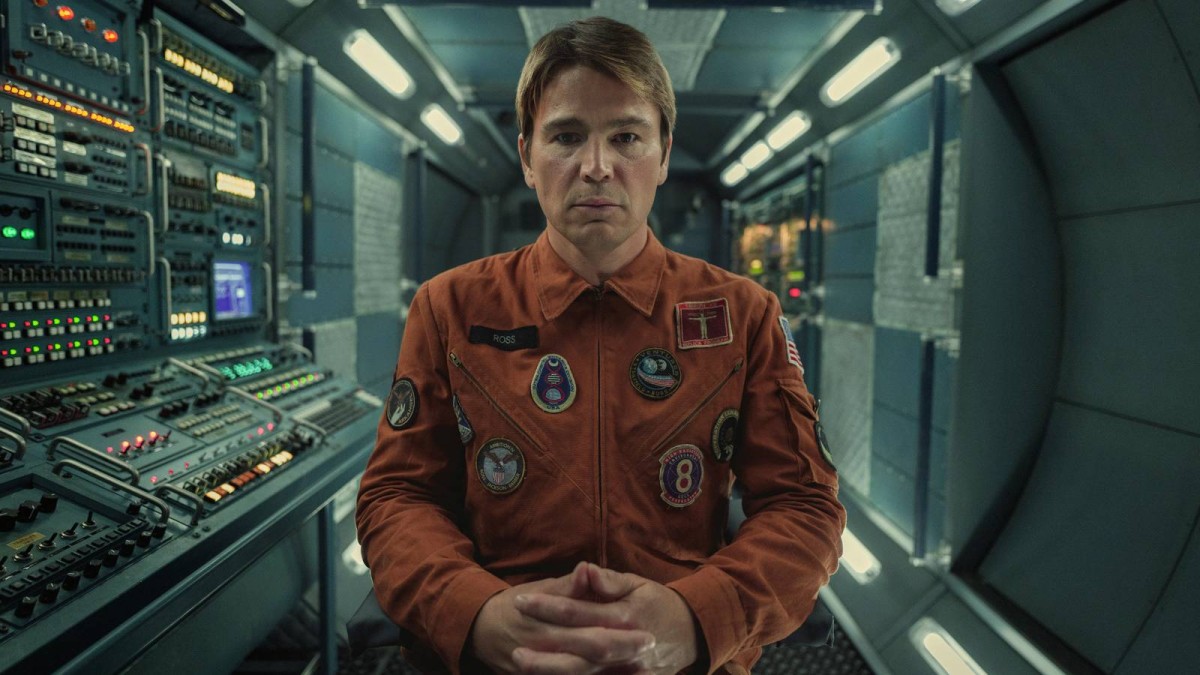
Running for seven seasons (and a film!) across both Channel 4 and Netflix, Charlie Brooker's Black Mirror has pierced pop culture like a spear through Brie. The phrase "like Black Mirror" has taken on a life of its own as a way to describe social and technological developments that give us the heebie-jeebies. That never would have happened unless Black Mirror had a knack for creating dystopian futures that haunt us, but the show's worldbuilding prowess is even more impressive than you realize.
Black Mirror's Worldbuilding Overcomes Its Anthology Format

The vast majority of sci-fi shows, especially those dwelling within the dystopian realm, are serialized in nature, meaning they enjoy the advantage of building fictional worlds across multiple episodes or seasons. In theory, more time means more detail, and more detail means a more fully-formed dystopia develops.
It's a credit to Charlie Brooker that Black Mirror achieves a more powerful effect despite telling separate stories in every episode. Each installment has only an hour or so to convey its dystopian setting, often using only a handful of characters and locations, and yet Black Mirror's vision of the future is almost always more emotionally affecting than a multi-season rivals with one story running all the way through.
Black Mirror boasts an uncanny ability to weave large dystopian worlds using smaller, more personal narratives. "Metalhead" never explains why civilization has collapsed or where the robot dogs came from, but Bella perfectly captures the desperation of humanity's survivors. Maxine Peake's performance gets across the hope, the fear, and the ruthlessness of the episode's dystopia better than most shows manage within an entire season, and it's those emotions that embed themselves deep into viewers' minds.
"Plaything" takes the opposite approach, chronicling the very moment human society falls into the post-apocalyptic hands of a sentient computer program, acting as an origin story for a dystopia we never truly get to see. Once again, however, the story orbits entirely around the emotional impact of these events upon one man: Peter Capaldi's Cameron.
Black Mirror's worldbuilding is head and shoulders above other sci-fi shows because instead of asking 'how did the world end?' it asks 'how was the life of this one specific individual destroyed?' For viewers, that personal touch offers the more harrowing experience, even when compared against long-running shows that contextualize their dystopias in painstaking detail. It's telling that, going back to 1984, Orwell's book essentially does the same thing with Winston. It's the POV character study that makes 1984 so unnerving.

Black Mirror also honors the longstanding horror rule that what you don't see is scarier than what you do, and each of its dystopian episodes carry a sense of unseen mystery. Indeed, it's the same unseen mystery every time: the vague suggestion that different parts of Black Mirror are secretly connected.
"Plaything" being a sequel to "Bandersnatch" creates a sense of impending doom. And the notion that the post-apocalypse from "Metalhead" can be traced back to Michael Callow's ham sandwich in "The National Anthem" creates a grim sense of inevitable destruction across the entire series. It's almost like a deeper, darker conspiracy is bubbling beneath the show's surface. It's a nagging, worrying sensation that only makes Black Mirror's dystopian universe even harder to shake out of our heads when an episode's end credits roll.
Release Date December 4, 2011
Network Channel 4, Netflix
Showrunner Charlie Brooker
Writers Jesse Armstrong
What's Your Reaction?
 Like
0
 Dislike
0
 Love
0
 Funny
0
 Wow
0
 Sad
0
 Angry
0






Comments (0)