

Photographer Discovers Forgotten 19th-Century Photos of Japan and Reimagines Them Today
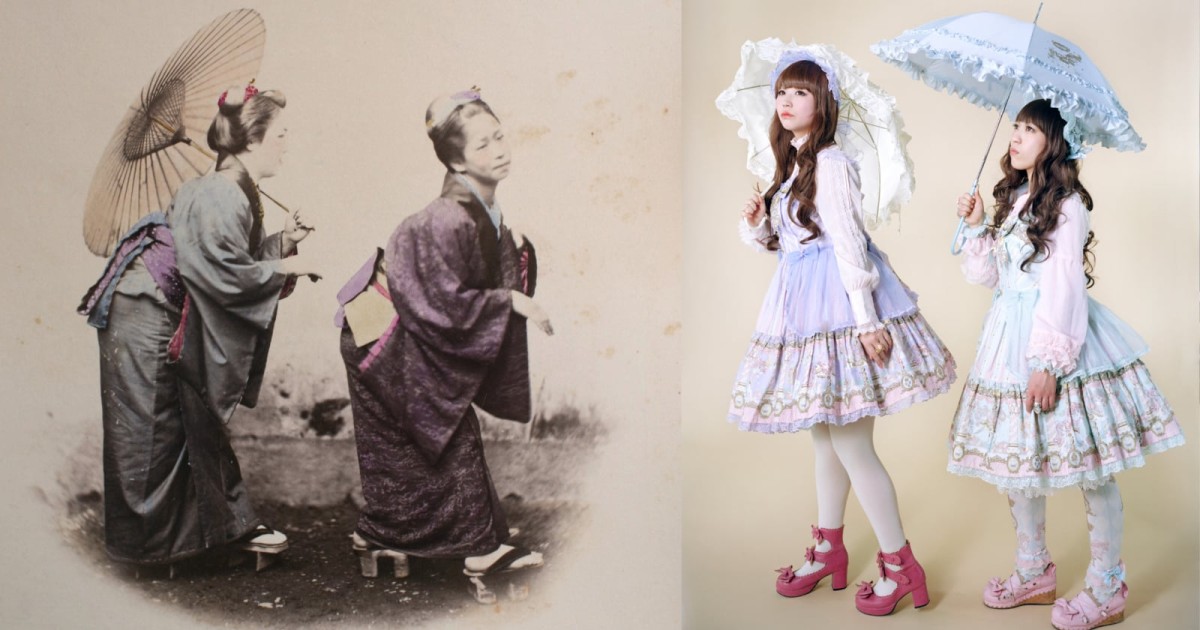
 Michiru Okajima / Yuki Kimura Lolita Fashion 岡嶋満ちる / 木村友紀 ロリータファッション © Giada Ripa
A photographer uncovered a trove of forgotten 19th-century photographs of Japan in her family home and used them as inspiration for a series of modern portraits in a fascinating new book.
While rummaging through old boxes in her family home in Piedmont, Italy, photographer Giada Ripa discovered an album containing 53 hand-colored photographs by Felice Beato, one of the earliest visual chroniclers of Japan, documenting Japanese society in the 1860s.
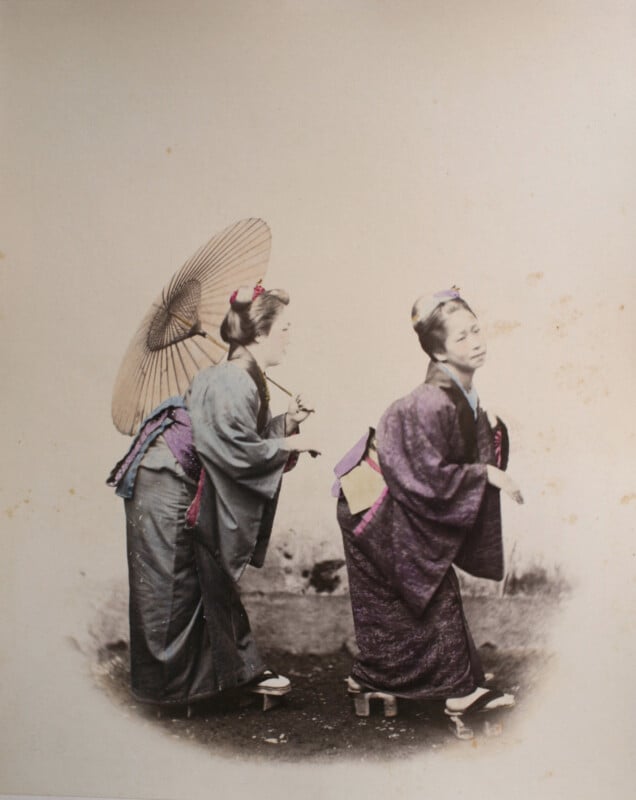 Felice Beato Out for a Walk 1868 © Giada Ripa
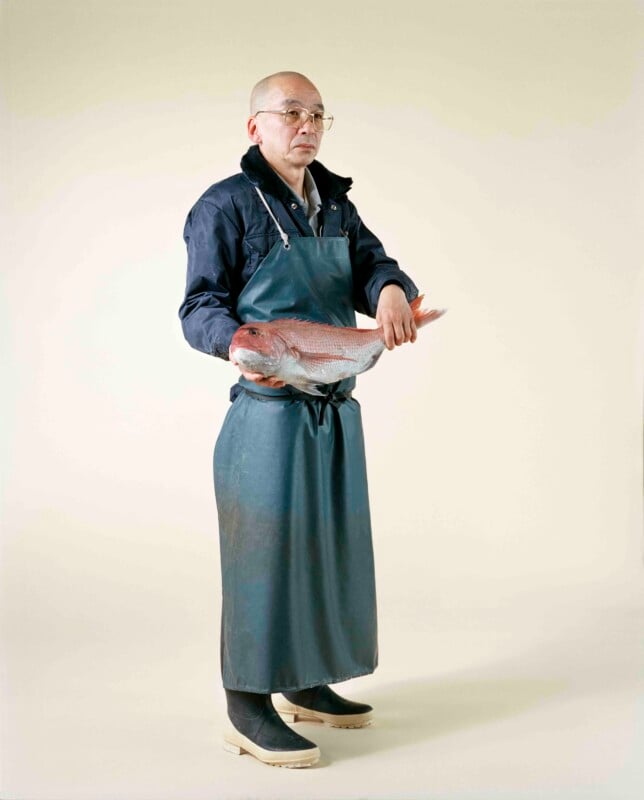 Felice Beato, Bettoes or Grooms, 1868 © Giada Ripa Toshio Awatake Tsukiji Market Fishmonger, Wholesales Co-Operative of Tokyo Fish Market 粟竹敏夫 築地魚屋・東京魚市場卸協同組合 © Giada Ripa
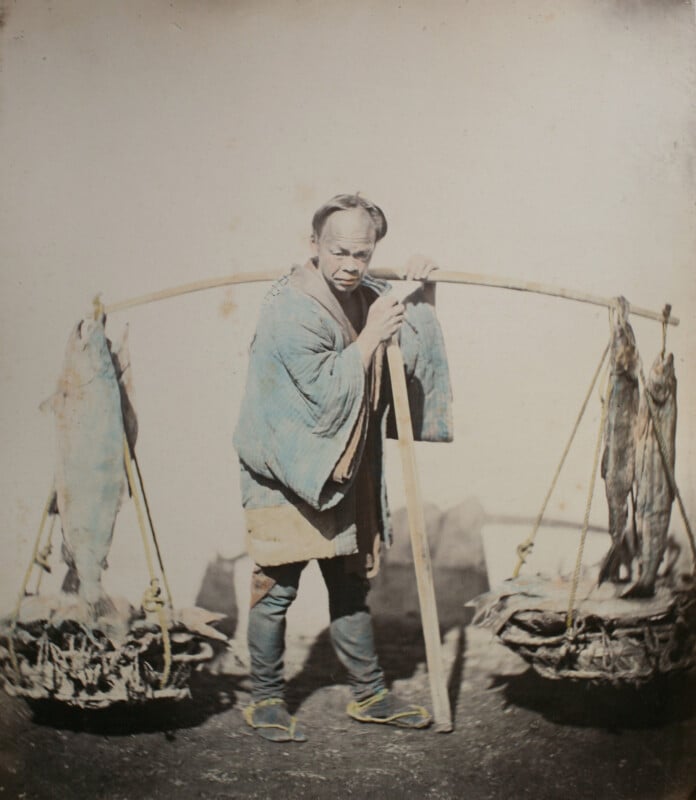 Felice Beato Fishmonger 1868 © Giada Ripa
Beato settled in Japan shortly after the country opened to the Western world. At the time, the shogun restricted access to foreigners, allowing them into the country largely as part of diplomatic missions. For more than 50 years, until the early 20th century, Beato’s hand-painted photographs of Japan were widely used in travel diaries, illustrated newspapers, and other published accounts, helping shape Western perceptions of Asian societies.
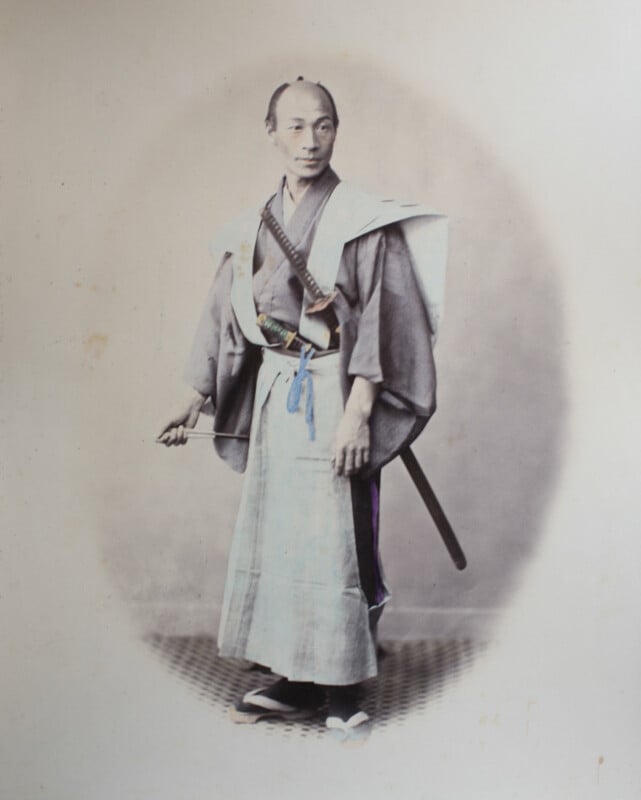 Felice Beato Japanese Yakonin in Dress of Ceremony 1868 © Giada Ripa
 Katsuji Takahashi Kick Boxing Champion 高橋勝治 キックボクシングチャンピオン © Giada Ripa
A few months later, Ripa discovered an unpublished manuscript by her distant ancestor Mathilde Ruinart, who had lived in Japan during the same period and befriended Beato. Ruinart was a 19th-century artist and muse to several intellectuals who traveled to Japan in 1867 with her diplomat husband to seek new varieties of silkworms for export to Italy. Ruinart’s writings from her time in Japan provide a detailed account of the country during their stay.
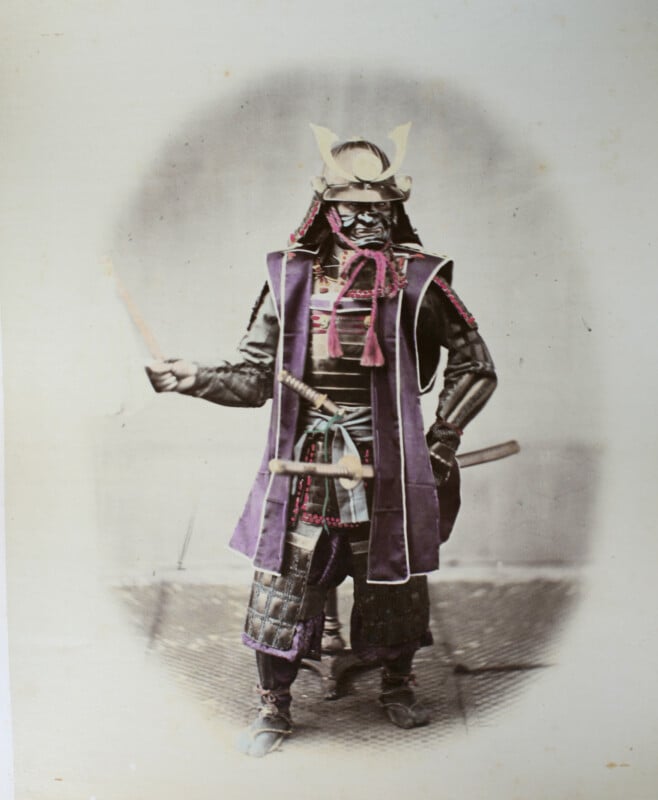 Felice Beato, Koboto Santaro, 1868 © Giada Ripa
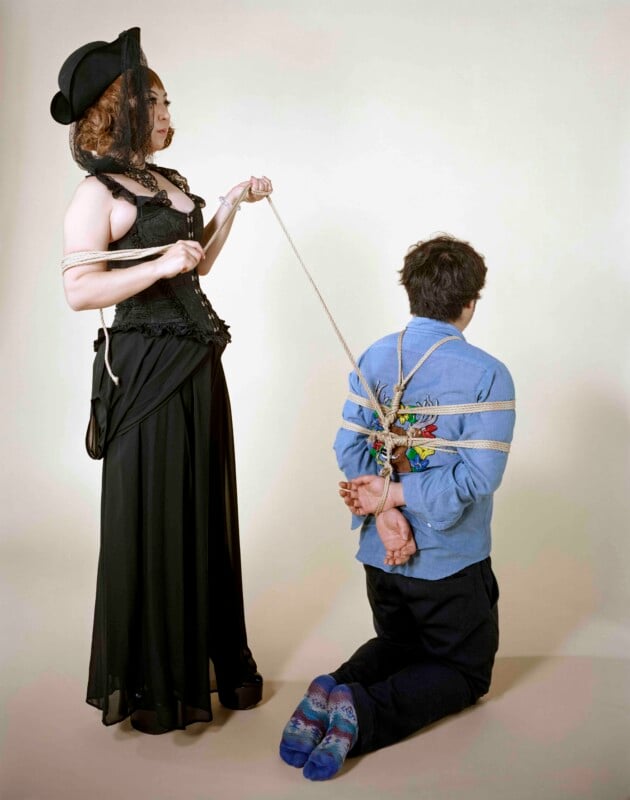 Karen Hinata Dominatrix 日向可憐 ドミナトリックス © Giada Ripa
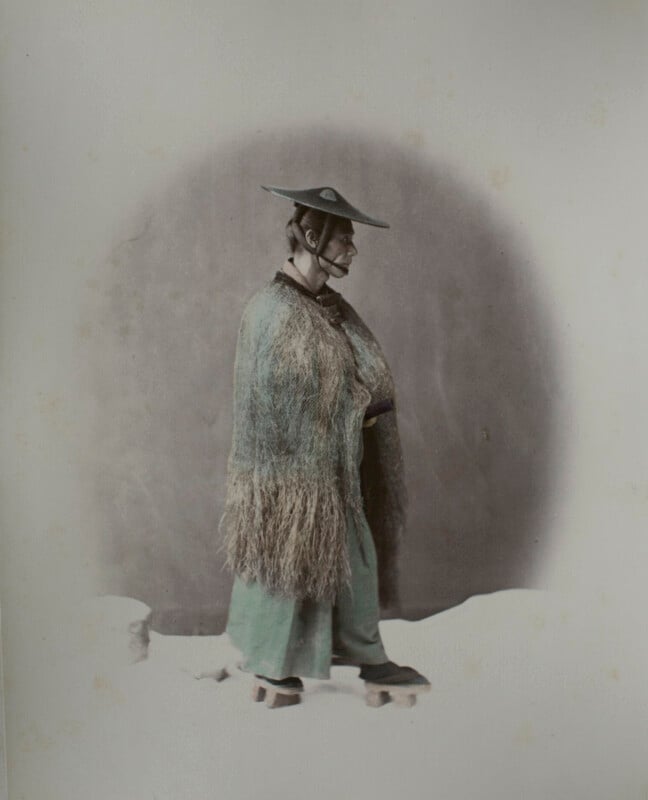 Felice Beato Straw Raincoat © Giada Ripa
 Shoushi Doi Bunka Fashion College Student 土井翔司 文化服装学院ファッション男子 © Giada Ripa
Inspired by the work of Beato and Ruinart, Ripa set out to retrace their footsteps, combining their historical perspectives with her own photographic approach. In Japan, she followed the paths taken by Beato and Ruinart and used an analog large-format camera to emulate the slow and deliberate documentary approach of her predecessors.
Ripa’s photo book The Yokohama Project (which will be published by GOST Books on September 28) brings these three perspectives together to examine how Japanese society and the country’s landscape have changed over roughly 150 years.
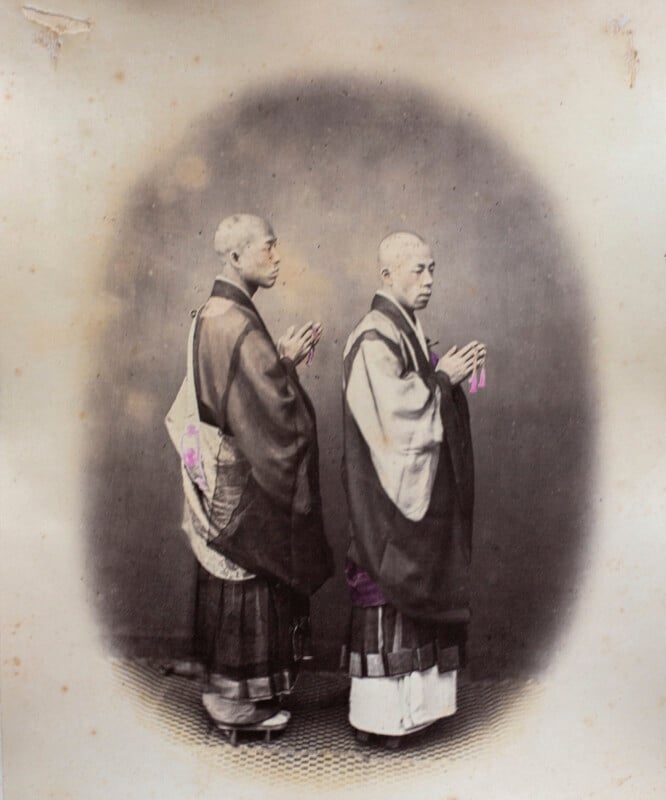 Felice Beato Nichiren Priests or Zan Shu These priests are of the Nichiren-shu sect, an order of about six hundred years standing © Giada Ripa
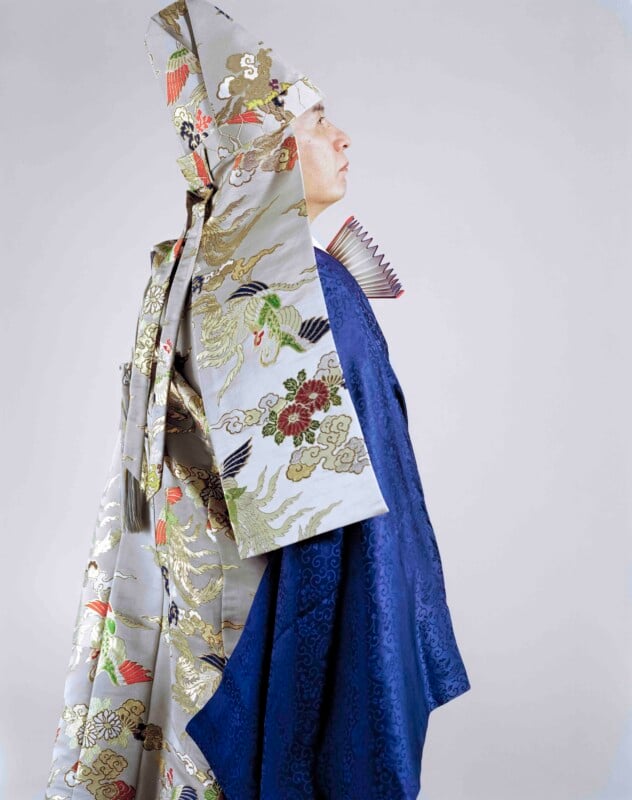 Kanshin Mochida – Buddhist monk (持田貫信 – 僧侶) Chief Priest, Shohozan Honkyuji (照法山・本久寺) “This priest is of the Nichiren-shu sect, an order of about six hundred years standing.” © Giada Ripa
The Yokohama Project includes carefully reproduced spreads featuring rare rice-paper reproductions of Beato’s original photographs alongside Ripa’s images. The book is divided into two chapters. The first follows an archival and anthropological journey along the locations and viewpoints documented by Beato and Ruinart, examining what remains and what has changed over time.
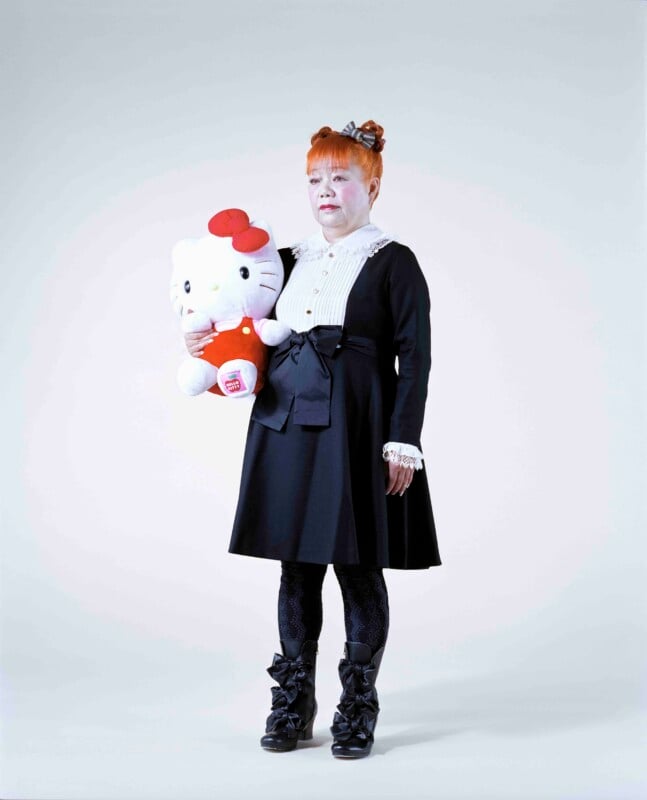 Yuko Yamaguchi Third Character Designer of Hello Kitty 山口裕子 三代目ハローキティデザイナー © Giada Ripa
 Ryo Nagata Yamato Transport CO., LTD. Employee 長田亮 ヤマト運輸株式会社社員 © Giada Ripa
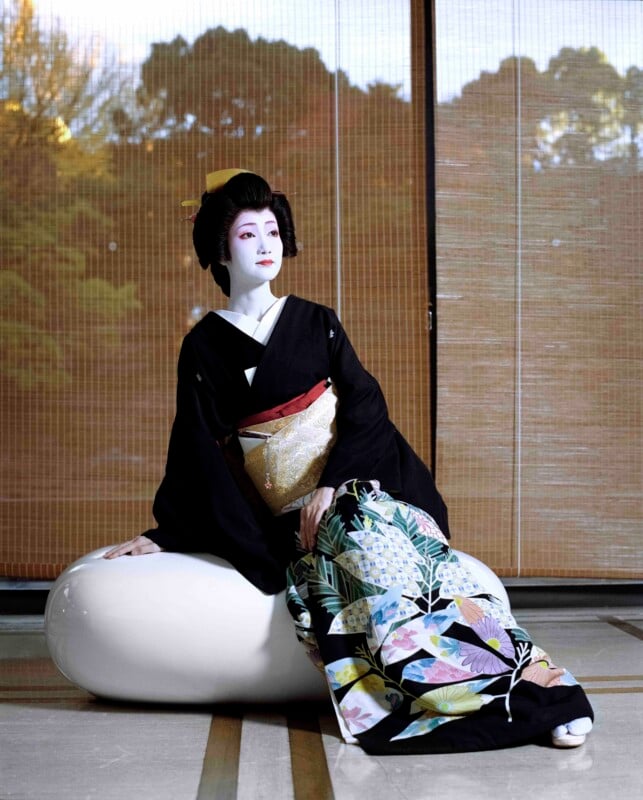 Suzume Geisha 寿々女 © Giada Ripa
The second chapter features studio portraits taken in Tokyo. Ripa photographed modern fishmongers, geishas, fashion designers, writers, wrestlers, priests, and artists, creating a contemporary counterpart to the Japanese people Beato photographed and categorized as “native types.”
Together, The Yokohama Project presents a 150-year visual dialogue about Japan through the work of three Western artists, connecting a long-forgotten photographic archive with contemporary life.
The Yokohama Project by Giada Ripa is available for pre-order on GOST Books.
Affiliate Disclosure PetaPixel articles may include affiliate links; we may earn a commission if you buy through one.
What's Your Reaction?
 Like
0
Like
0
 Dislike
0
Dislike
0
 Love
0
Love
0
 Funny
0
Funny
0
 Wow
0
Wow
0
 Sad
0
Sad
0
 Angry
0
Angry
0












Comments (0)