

PowerWash Simulator Meets Unpacking In a Cozy Gaming Steam Sleeper Hit

Published Aug 9, 2026, 12:30 PM EDT
Hi there, emotional support Pokia phone!
 Image: tinyBuild
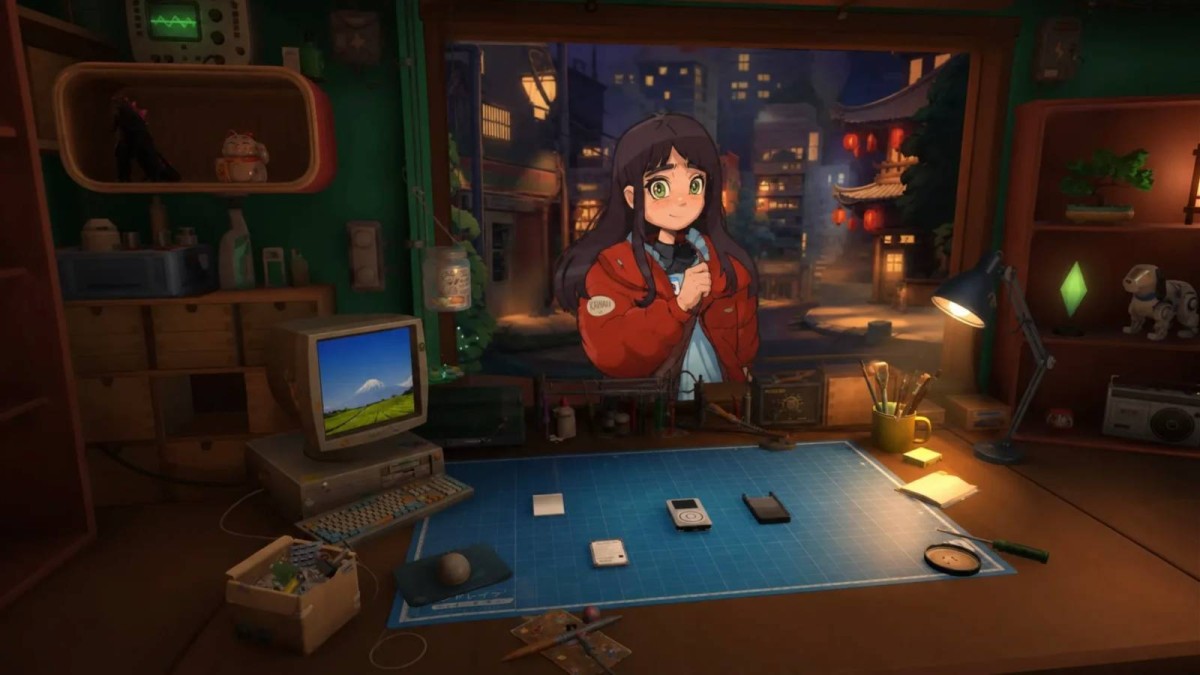
Growing up, the Nancy Drew PC games were my cozy go-tos. They had gorgeous art, well-written stories, and, of course, minigames. The series was about solving crimes, but the real draw was the break you’d take to cook pancakes or organize bento boxes. ReStory: Chill Electronics Repairs, from developer Mandragora and publisher tinyBuild, hits a similar formula. It comes with a healthy dose of nostalgia and the ASMR vibes of games like Unpacking or PowerWash Simulator. Oh, and it’s set in early-aughts Tokyo with an anime-inspired aesthetic and gently-thrumming lofi music.
Clearly a labor of love by the same detail-noticing devs who made I Am Future, ReStory: Chill Electronics Repairs is a narrative shop sim. In it, you play a repair tech. You disassemble, clean, and reassemble everything from officially-licensed Atari consoles (thanks to tinyBuild’s partnership with Atari) to phones, cameras, and music players. You’re thrown directly into work upon beginning your game. There’s a to-do list that checks itself off as you set up your workstation and figure out how to open the store. A circular target glows whenever you pick up an item that has a specific place to get to. It’s a little hand-holdy, but the good kind: enough guidance so you’re never lost, and enough left unexplained so you still need to think.
Soon, you’re pulling apart and cleaning your first device: not a Nokia, but a Pokia phone. You start by popping off the back casing, removing highlighted screws, which the game very thoughtfully scoops up for you, and setting aside any components you can’t yet fix in a lower-screen parts box for later — maybe it’ll help with another repair later. If you’re missing a part entirely, you can hop on the CRT computer and order it online. (The game’s helpful mail carrier will get it to you in seconds.) Clean, sort, replace, repeat! This same loop remains the same whether you’re cleaning a Pokia phone, an Atari controller, or a PSP — sorry, PMP handheld.
Small clunks as you drop cords and clicks as you fit screen overlays back together offer a nice little touch of immersion and that satisfying ASMR feel. The parts of the experience less dedicated to realism – a progress bar that moves along as you clean a component, the animated dust clouds whooshing off your brush – transform a chore into a true delight.
Caring for your various gadgets is completed via pointing, clicking, and dragging…which is, admittedly, a lot of continuous dragging. You’ll be holding down the left mouse button a lot. And there are situations where you cannot finish a repair with the parts on your desk, which can feel confusing. The game responds to this slight roadblock by prompting you to re-box the pieces for later. The right pieces will come to you; all you need to do is keep watching and waiting.
Playing this game for a few hours felt truly meditative. It also felt like opening the door to my childhood home. Oh hello weathered Atari poster on the wall! Hi again, gray ‘90s CRT computer that I definitely had growing up! Good to see you, cassette tape with the ribbon all wound out!
But, don’t worry, there’s a story tying it all together, too. What’s that about something baffling happening to the previous repair master at your tiny establishment? Eh, that’s probably important. But right now, there is only you… and the cozily dim lighting… and the Tamagotchi analog you’re fixing for the child who asked for your help. Will you charge them, or is work for kids pro bono? You decide.
 Image: tinyBuild
Early on, you’ll meet characters who dispense tantalizing narrative details. Secondhand marketplace sellers will allegedly mislead you about a device’s condition when you’re sourcing parts? Scandal! Your landlord shows up demanding rent, but then coaches you to charge more for a repair? Maybe he’s nice! A bucket descends from above, introducing your upstairs neighbor who needs help repairing their joystick so they can compete in a Pac-Man championship? I for sure want to help them, sign me up!
Heads up if you play: You will lose track of time. But that’s endearingly echoed in the game itself. When you set up your workspace, you can place an alarm clock on your desk. I settled into a rhythm of checking the time before a repair, completing my tasks, shipping the fixed piece, and checking the clock again – always bemused by how much in-game time had passed. My player character and I are both engrossed in what we’re doing, and letting hours drift by.
But it’s time well spent. Maybe in the next few hours, I’ll learn what’s up with the strange phone number I found in the first Pokia I repaired. Only time will tell. And in the meantime, I’ve got a broken Motorola – ah, I mean Autorolla “Razor” to tend to.
ReStory: Chill Electronics Repairs is out now on Steam. The game was reviewed on PC using a prerelease download code provided by tinyBuild. You can find additional information about Polygon’s ethics policy here.
What's Your Reaction?
 Like
0
Like
0
 Dislike
0
Dislike
0
 Love
0
Love
0
 Funny
0
Funny
0
 Wow
0
Wow
0
 Sad
0
Sad
0
 Angry
0
Angry
0











Comments (0)