

Sony’s new 400mm and 600mm super-telephoto primes make light work of a heavy hobby — here are my favorite wildlife photos I shot with the pair
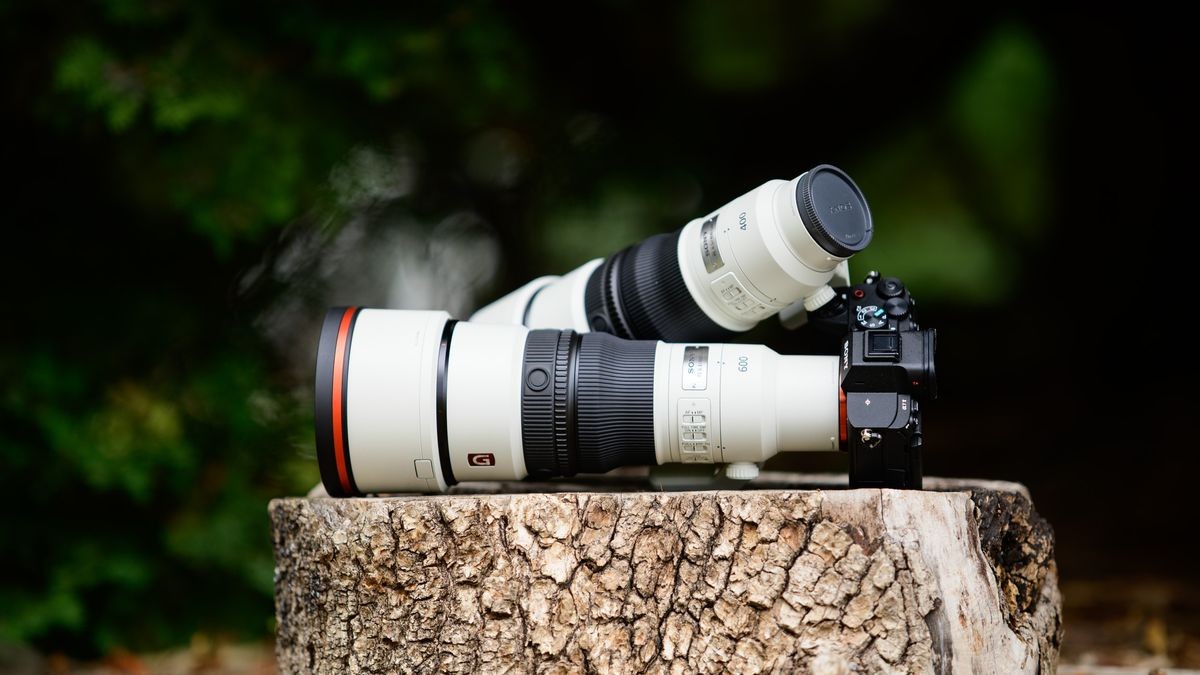
Sony's 400mm F4.5 and 600mm F6.3 GM OSS are a pair of high-quality and especially lightweight super-telephoto prime lenses, and a top pick for enthusiast wildlife photographers with deep pockets, and who know their focal length rather than needing zoom versatility. Having tested them both extensively in the scenarios they're designed for, I'm struggling to find any real drawbacks.
Pros
- +
Exceptionally lightweight for this type of lens
- +
Sharp detail and smooth bokeh
- +
Rugged build quality
Cons
- -
Decent value, but some of Sony's super-telephoto zooms are cheaper
- -
Sony's super-telephoto zooms are more versatile
Why you can trust TechRadar We spend hours testing every product or service we review, so you can be sure you're buying the best. Find out more about how we test.
Sony FE 400mm F4.5 GM OSS / Sony FE 600mm F6.3 GM OSS: One-minute review
I've only just had my hands on the Fujifilm XF 400mm F4.5 R OIS LM WR lens, photographing birds of prey in flight, but I can now reveal that I was also testing two rival super-telephoto Sony primes at the same time ahead of their launch; the FE 400mm F4.5 GM OSS and FE 600mm F6.3 GM OSS.
Both lenses sit within the focal length range of Sony's longest zoom lens — the 400-800mm F6.3-8 G OSS — but they sacrifice zoom versatility for a couple of real benefits: they have a slightly brighter maximum aperture, and they're significantly lighter.
In fact, Sony's new 400mm and 600mm primes are the lightest of their kind, weighing 994g / 995g respectively (35oz approx). It's the light weight that's their major appeal — plus the promise from Sony of superior MTF performance (the outright optical quality at the various lens settings) versus rivals, such as Nikon's 400mm f/4.5 VR S.
Latest Videos FromTechRadar
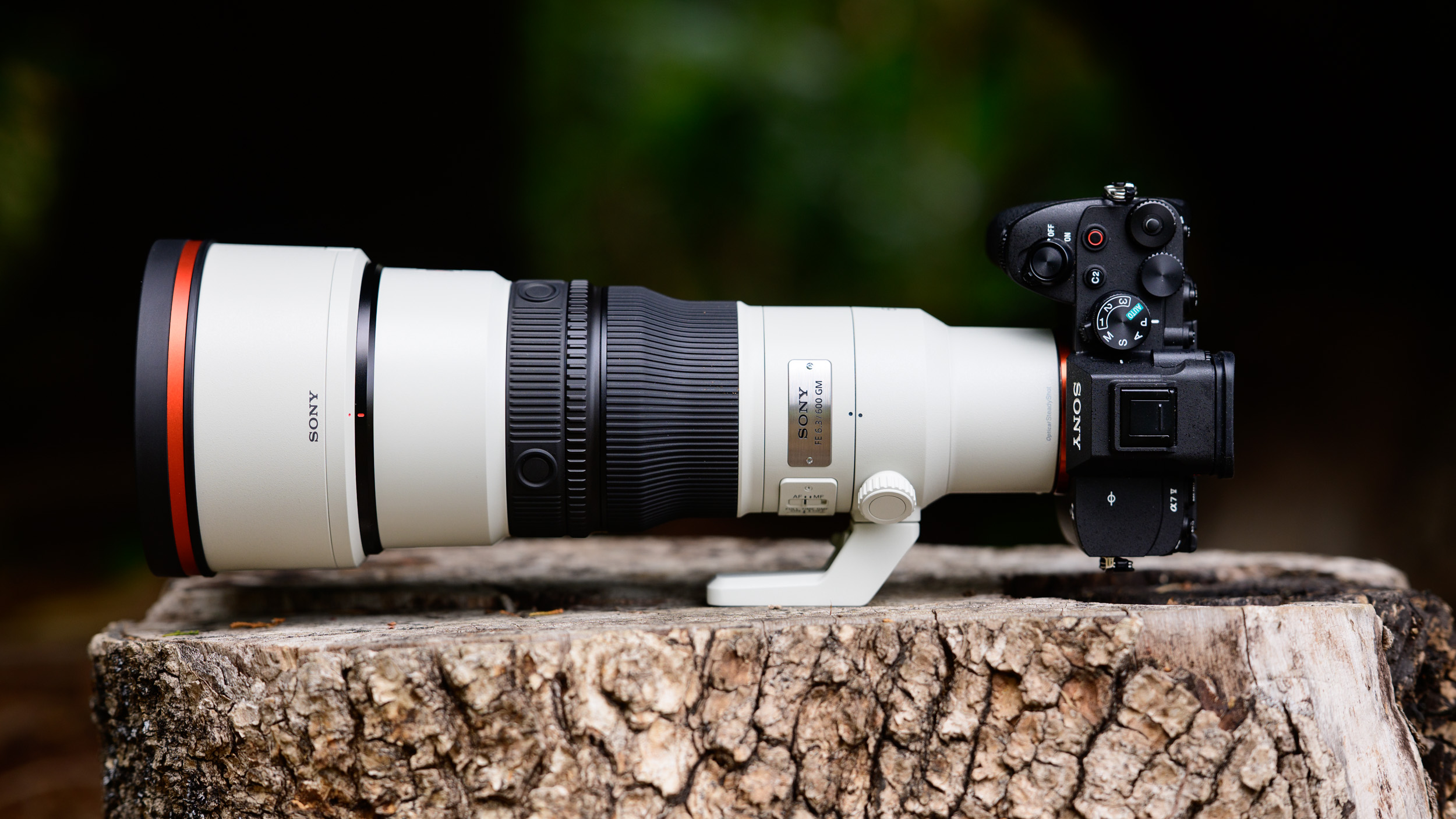
There's no shortage of super-telephoto lenses from Sony, but these primes are probably the best option for enthusiasts who know their focal length and want to prioritize quality over zoom versatility.
They're way more affordable options than Sony's high-end 400mm F2.8 and 600mm F4 pro primes, but they still boast the superior GM quality designation over comparable 'G' zooms such as the 200-600mm and 400-800mm, and are by no means cheap.
If you mainly photograph larger wildlife, then the 400mm lens is ideal, while the 600mm lens is better suited for smaller creatures. I took both lenses to my local wetland reserve and to a nearby deer park to really test them out over hours-long hiking and photography sessions, and I was able to get a feel for how they sit with a Sony camera – in my case the A7 V that Sony loaned to me for this review — and how each one performed. Let's dive in.
Sony FE 400mm F4.5 GM OSS / Sony FE 600mm F6.3 GM OSS: price and availability
- The 400mm F4.5 GM OSS costs $2,699 / £2,400, while the 600mm F6.3 costs $3,699 / £3,300
- Both come in a soft padded case with handle and shoulder strap, and with a lens hood
Before I get into the handling and performance of each lens, let's look at the pricing. In the UK the FE 400mm F4.5 GM OSS costs $2,699 / £2,400, while the FE 600mm F6.3 GM OSS costs $3,699 / £3,300. I'll update this page with Australia pricing when I get it.
Get daily insight, inspiration and deals in your inbox
Sign up for breaking news, reviews, opinion, top tech deals, and more.
Each lens comes in a soft padded case with handle and shoulder strap, so they can be securely carried separately to a bag. A lens hood is supplied, too.
To put that pricing into context, Fujifilm's new 400mm F4.5 lens (for APS-C with 600mm equivalent focal length) costs around the same, while the cost of Nikon's 400mm f/4.5 VR S has fallen by 15% since its 2022 launch, which takes it to the same price.
The 600mm lens is cheaper compared to Nikon's 600mm f/6.3, which originally cost about 50% more, but with price reductions is currently about 25% more.
Sony's professional FE 400mm F2.8 GM OSS and FE 600mm F4 GM OSS are in another (five-figure) price and weight category altogether.
Though hardly cheap, considering the specs, and the fact that these are 'Grand Master' (GM) lenses — Sony's professional series — I think the pair are pretty decent value overall.
Sony FE 400mm F4.5 GM OSS / Sony FE 600mm F6.3 GM OSS: specs
Swipe to scroll horizontally
Type: |
Supertelephoto prime |
Mount: |
Sony E |
Sensor: |
Full-frame |
Focal length: |
400mm and 600mm |
Aperture: |
f/4.5 and f/6.3 |
Minimum focus: |
8.21ft / 2.5m (both) |
Filter size: |
95mm (both) |
Dimensions: |
108 x 242mm (400mm) / 108 x 263mm (600mm) |
Weight: |
35oz / 994g and 995g respectively (bare lens) |
Sony FE 400mm F4.5 GM OSS / Sony FE 600mm F6.3 GM OSS: design
- Lightest lenses of their kind at 994g (400mm) and 995g (600mm) respectively
- Weather resistant, with rubber sealed lens mount
- Removable tripod collar
Image 1 of 3
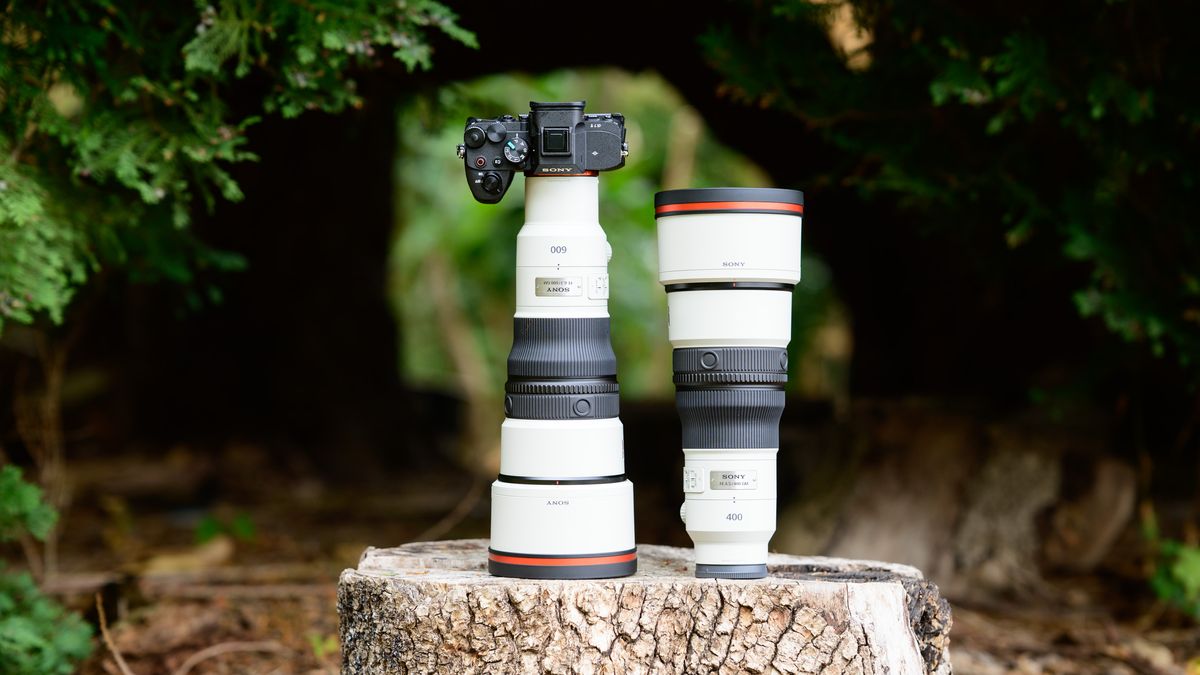
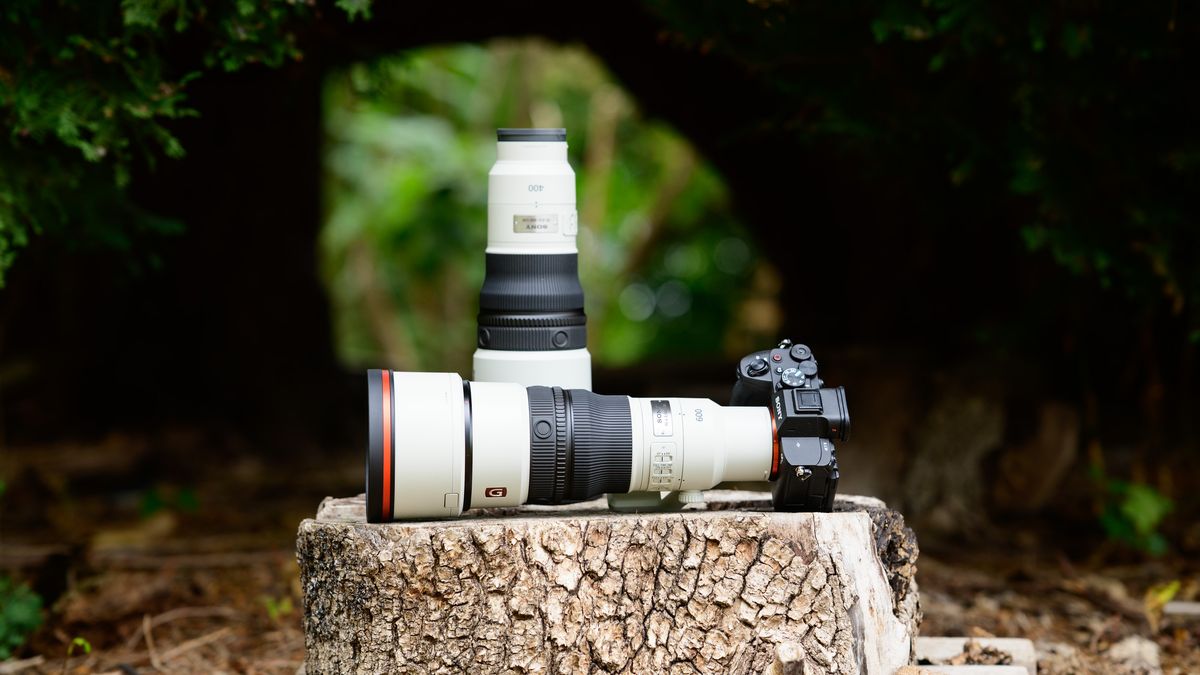
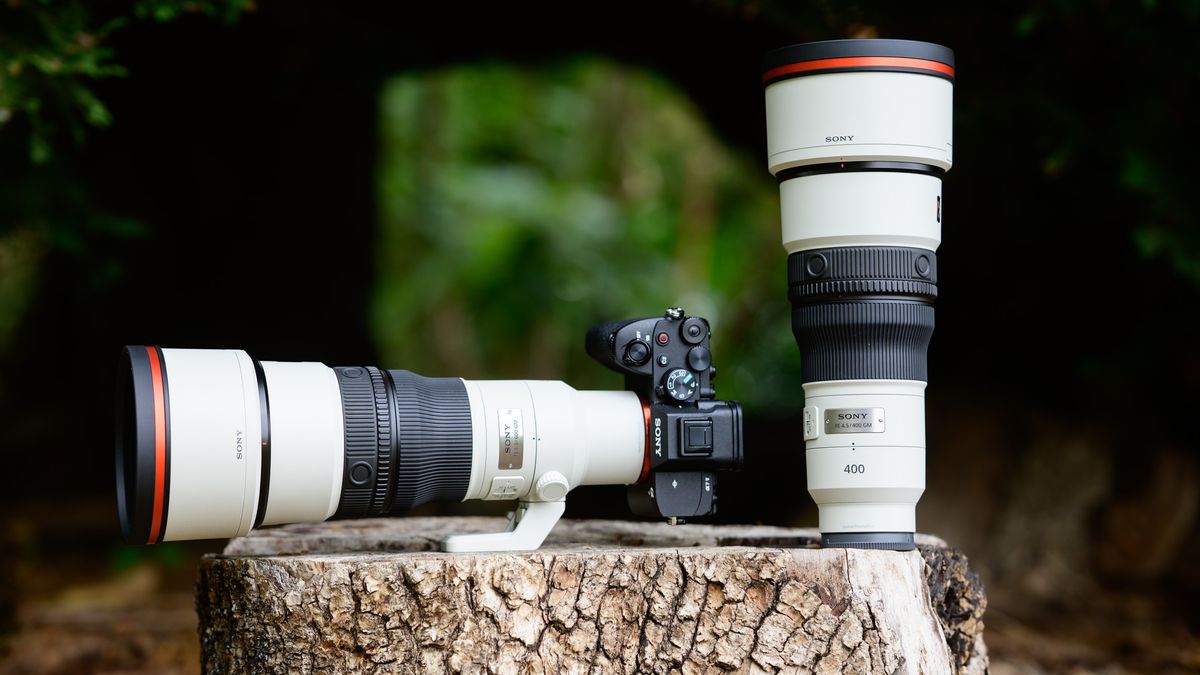
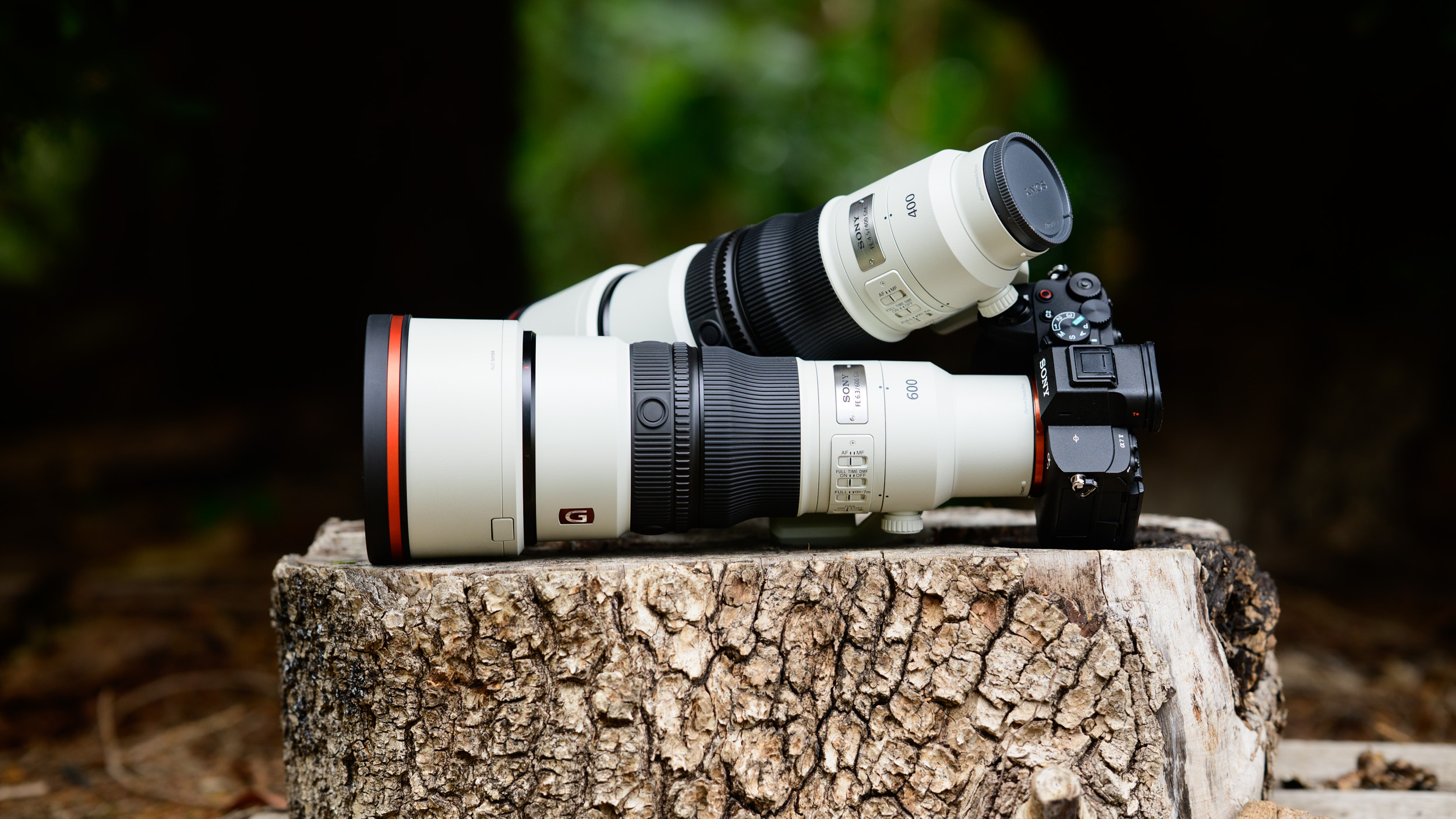
Light weight is the major talking point here. Both the FE 400mm F4.5 GM OSS and FE 600mm F6.3 GM OSS weigh a fraction under 1,000g (about 35oz), making them the lightest of their kind. For the wildlife and sports photography that these lenses are designed for, the light weight makes long shoot days more manageable — and I should know, because I've used them both extensively.
Nikon's equivalent lenses are 1,160g and 1,360g respectively, while Sony's 400-800mm G lens weighs 87oz/2,475g — and Sony's high-end 400mm F2.8 and 600mm F4 primes are around 3x the weight of its new additions. There are other Sony zooms available; the pricier 100-400mm F4.5 GM OSS weighs 65oz/ 1,840g, while the lower-end FE 200-600mm F5.6-6.3G OSS weighs 75oz/2,115g. Canon has no comparable lenses.
As for size, the 400mm measures 242mm in length, and the 600mm 263mm in length — not the smallest of their kind, therefore, but definitely the lightest.
Image 1 of 5
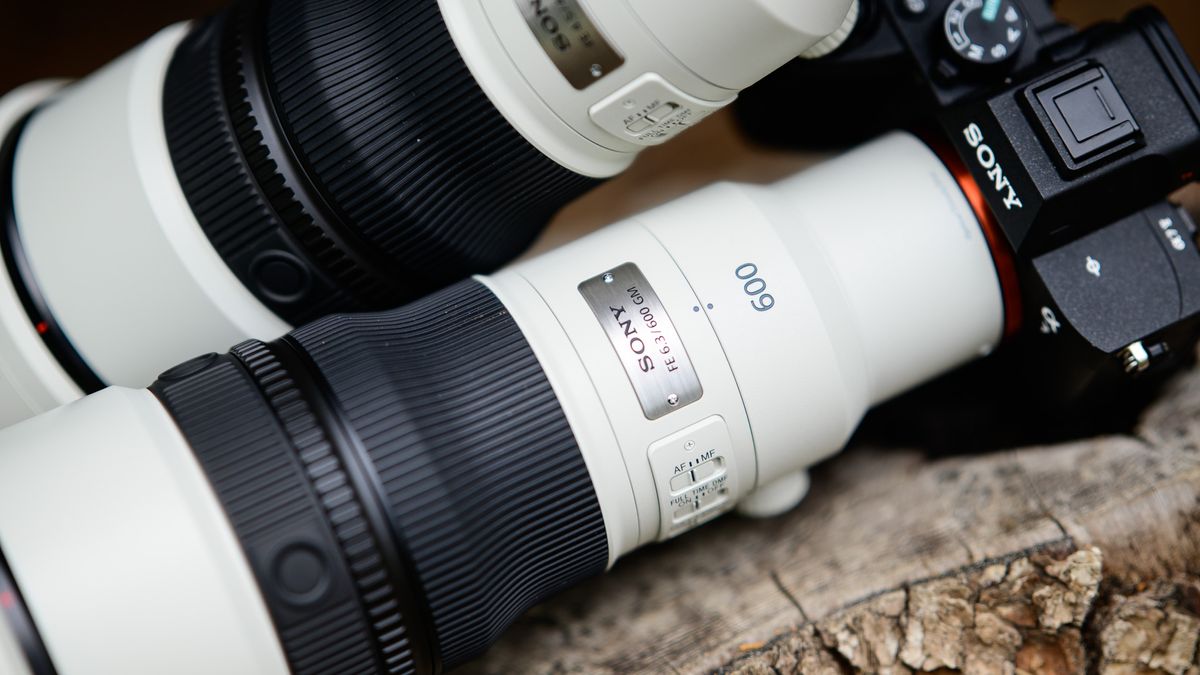
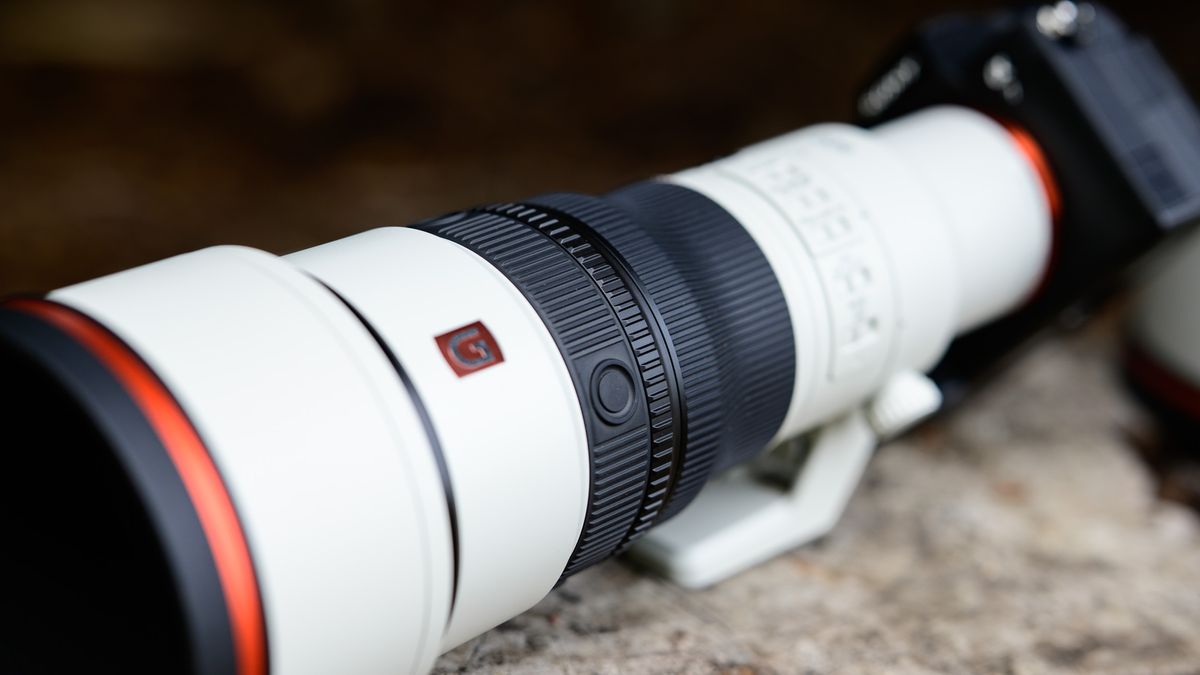
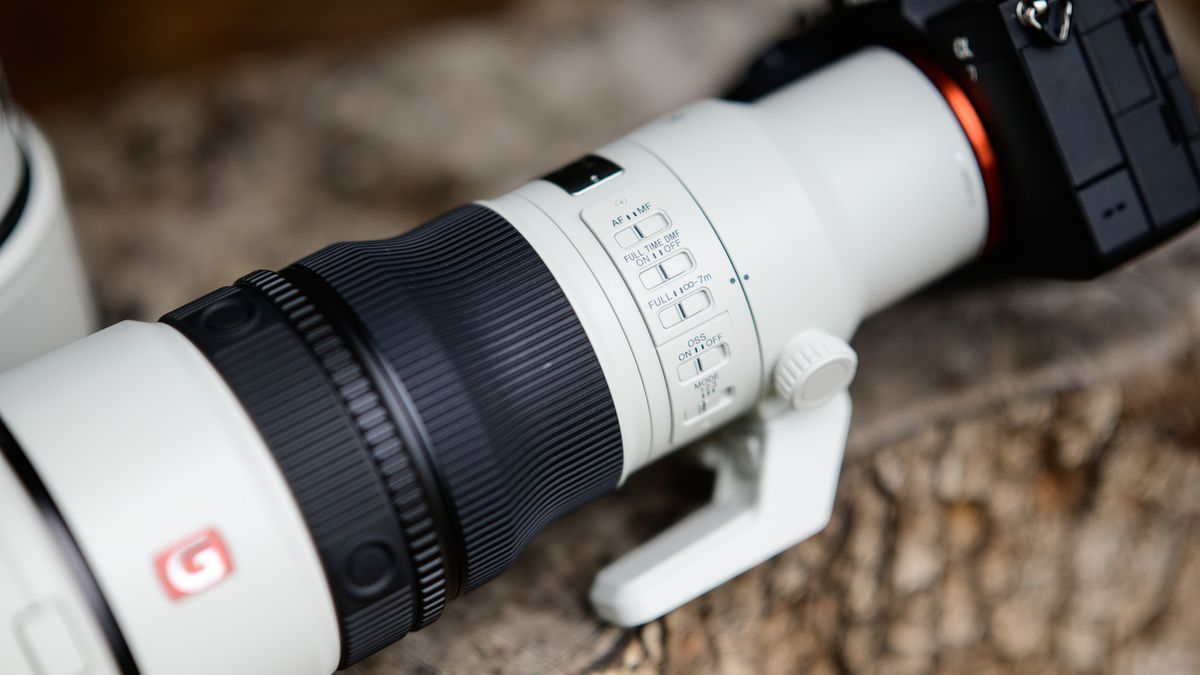
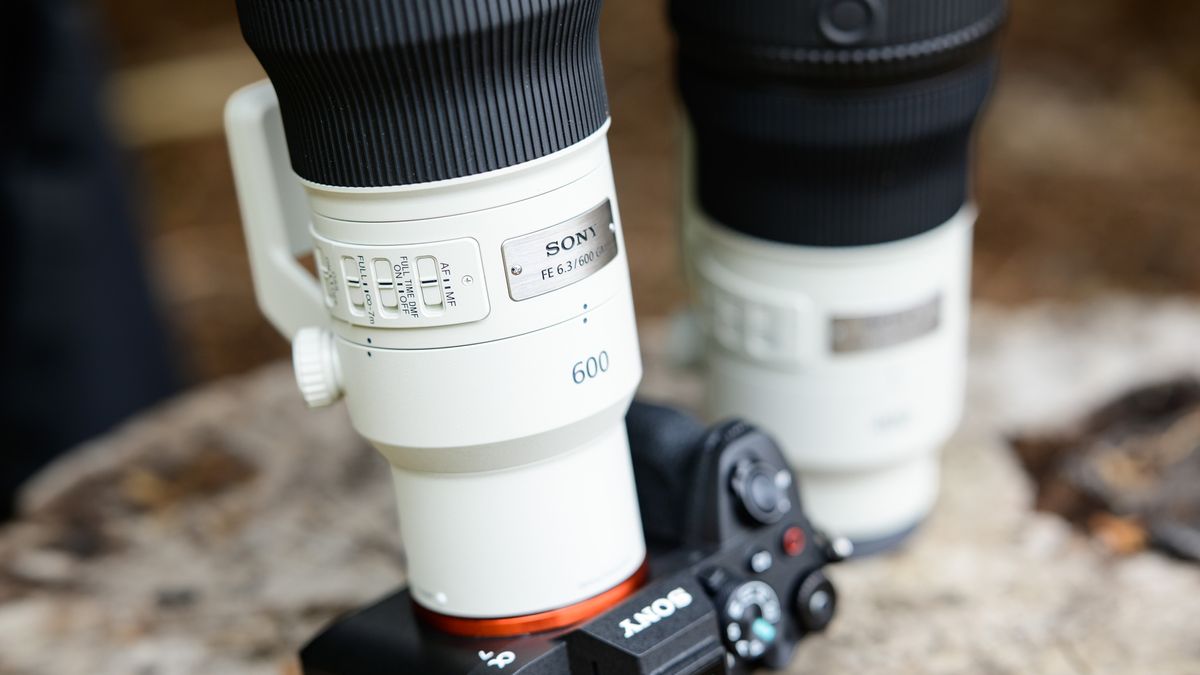
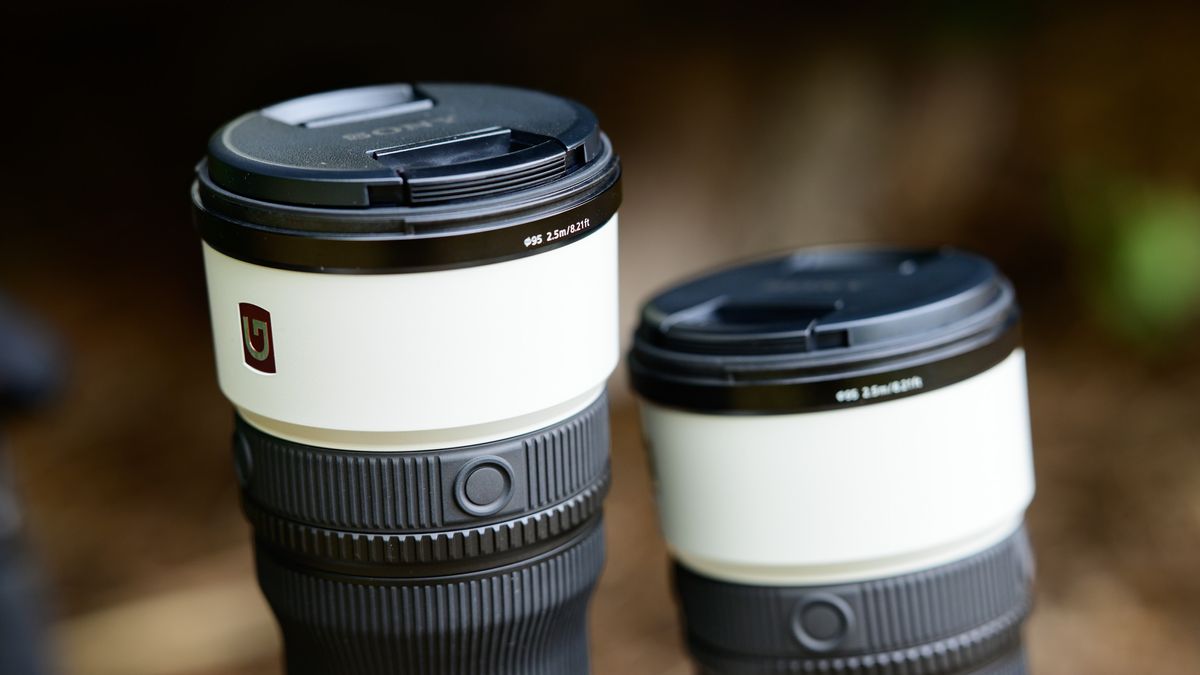
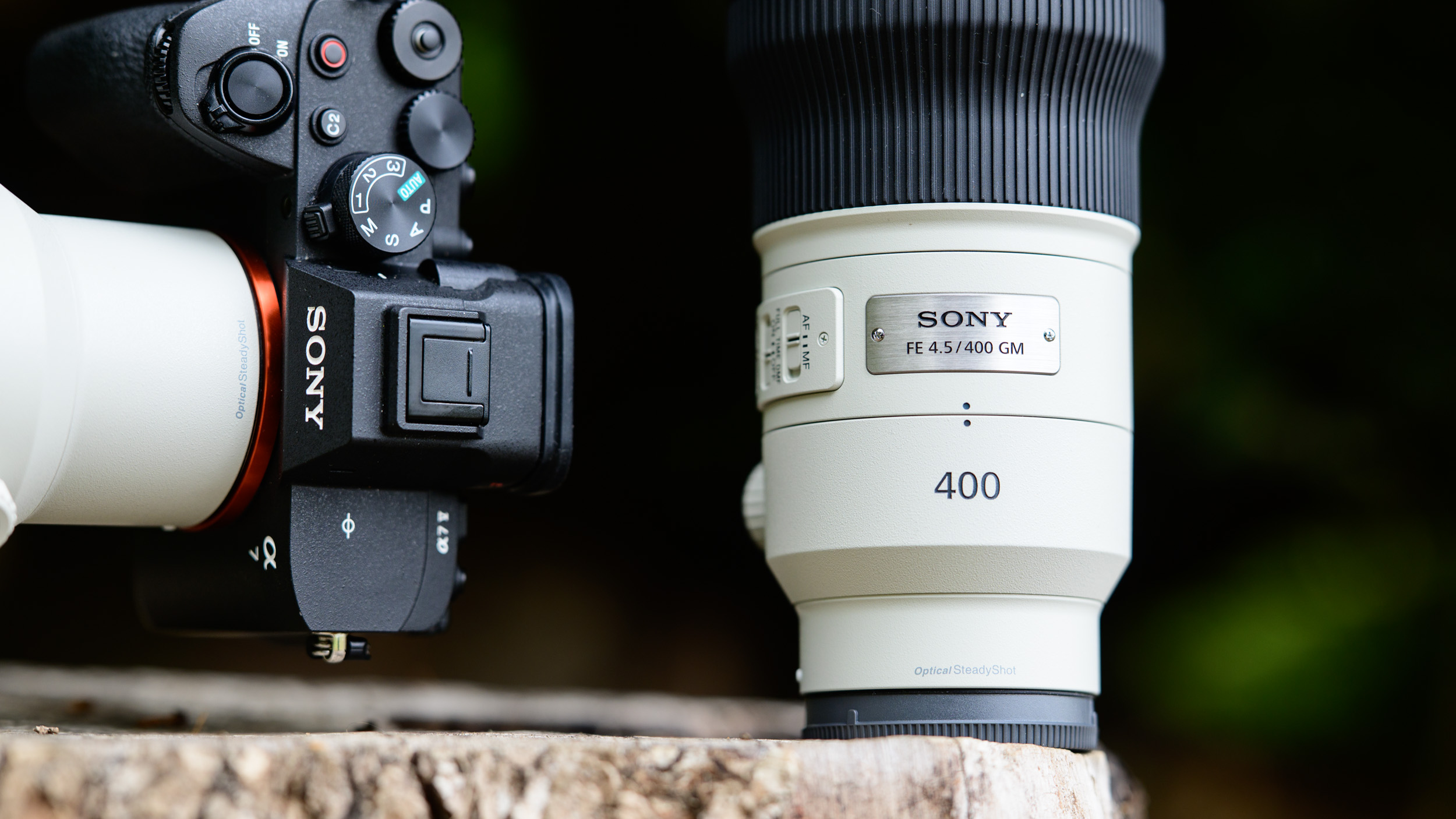
Despite the lightweight build, each lens is dust and moisture resistant, features a rubber ring to seal the lens mount, and includes Sony's Optical SteadyShot (OSS) — a key feature when shooting at such extreme focal lengths.
There are five switches, covering off focus mode, a focus range limiter, optical stabilization and the stabilization mode, a function ring, plus four focus hold buttons. The tripod collar ring hosts a (removable) tripod mount.
Like the rubberized function ring, the generous focus ring has pronounced ridging, which makes gripping and rotating it a cinch.
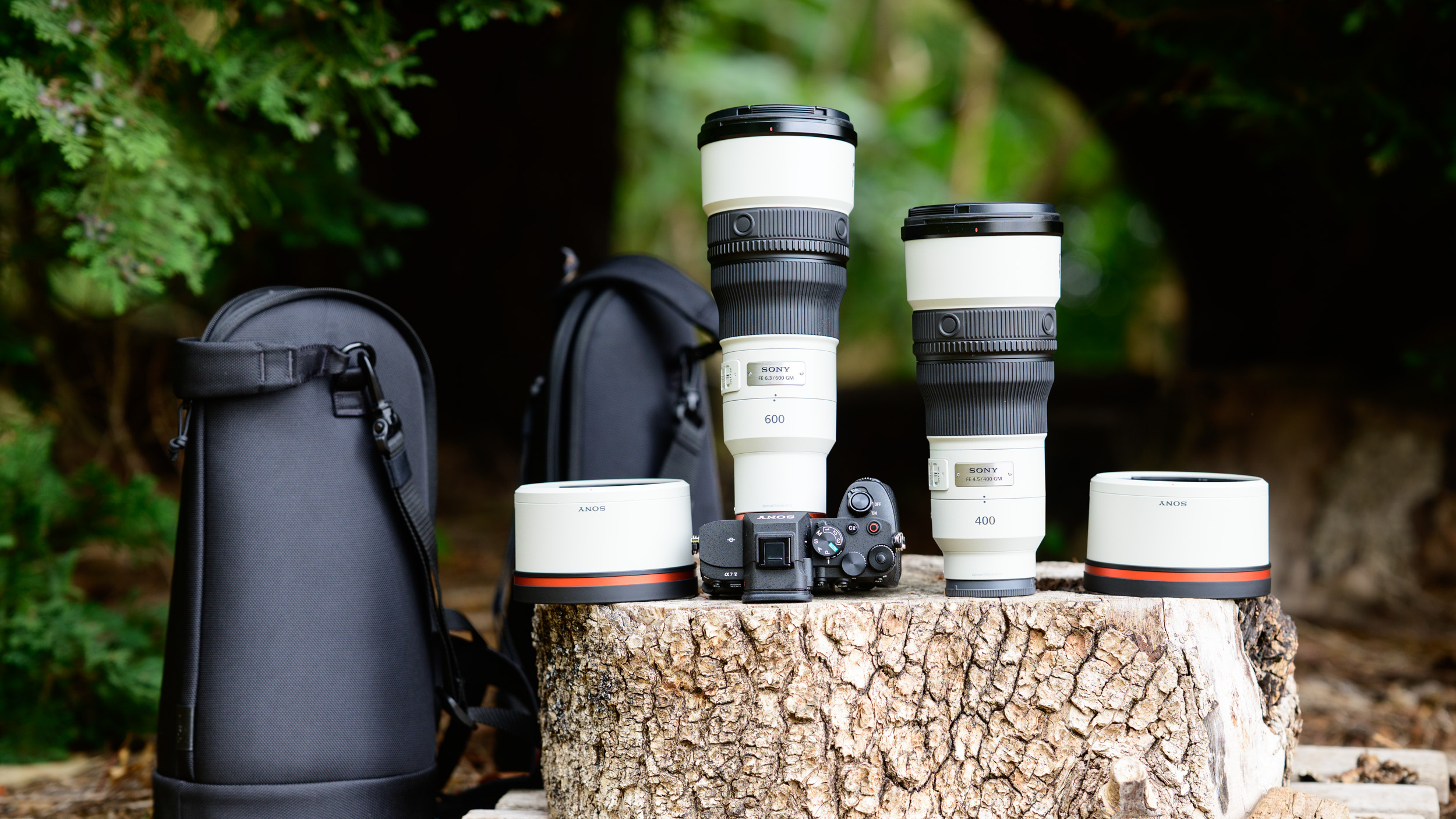
Both lenses support Sony's 1.4x and 2x teleconverters, the latter of which doubles the focal length, at the cost of maximum aperture. I preferred shooting without teleconverters, because aperture margins are amplified when shooting high-speed action with fast shutter speeds at such extreme focal lengths — every bit of additional brightness goes along way.
Compared to Sony's pricier primes, the maximum aperture of each lens is less bright, being f/4.5 and f/6.3 respectively. However, the maximum aperture is brighter than the 400-800mm's, which is f/6.3 at 400mm, and f/8 when zoomed in to 600mm.
Swipe to scroll horizontally
Lens |
Price |
Weight |
400mm F4.5 GM OSS |
$2,699 / £2,400 |
35oz/994g |
600mm F6.3 GM OSS |
$3,699 / £3,300 |
35oz/995g |
100-400mm F4.5 GM OSS |
$4,299 / £4,399 |
65oz/ 1,840g |
400-800mm F6.3-8 G OSS |
$2,699 / £2,399 |
87oz/2,475g |
100-400mm F4.5-5.6 GM |
$2,799 / £2,149 |
49oz/1395g |
200-600mm F5.6-6.3 G OSS |
$2,099 / £1,599 |
75oz/2,115g |
400mm F2.8 GM OSS |
$12,999 / £10,490 |
102oz/2,895g |
600mm F4 GM OSS |
$14,099 / £11,999 |
107oz/3,040g |
Sony FE 400mm F4.5 GM OSS / Sony FE 600mm F6.3 GM OSS: Performance
- Snappy and quiet internal autofocus when paired with a recent Sony camera
- 11-blade aperture creates attractive, smooth bokeh
- Detail is very sharp, especially when subjects are relatively close
Image 1 of 7





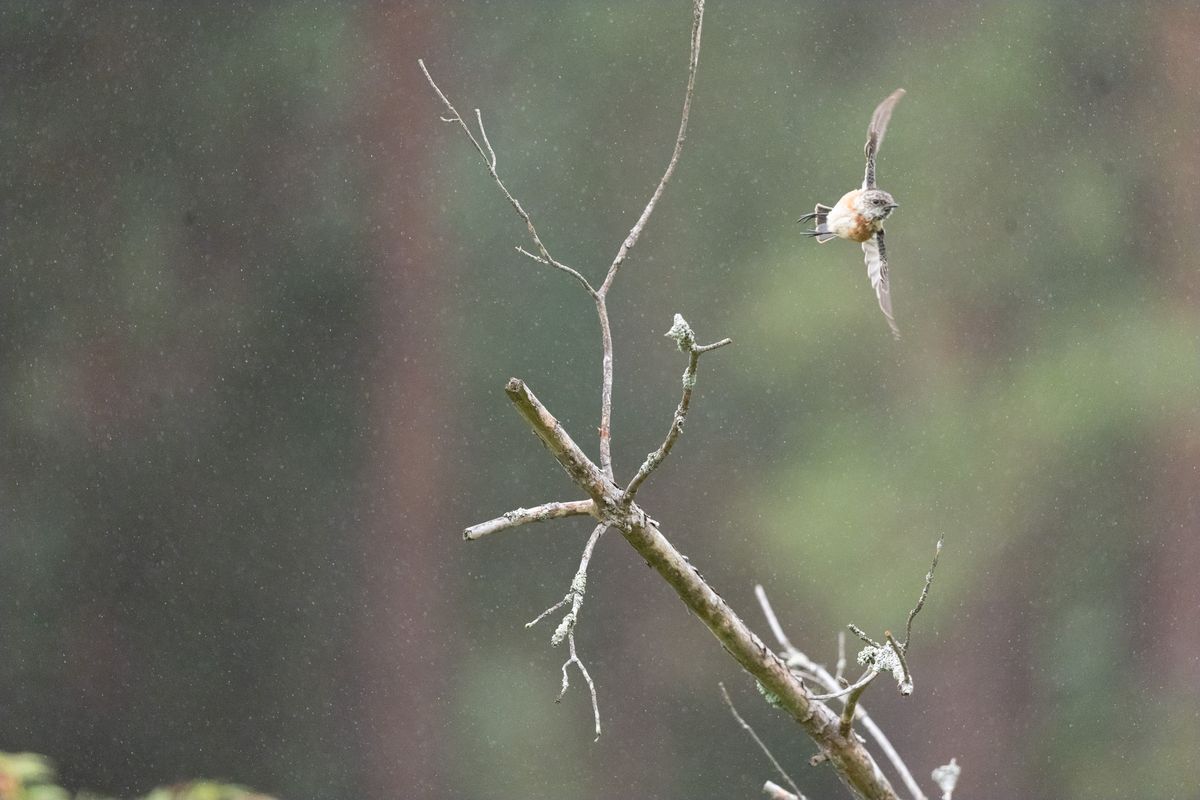
Both lenses feature a fairly complex optical construction, comprising extra-low dispersion elements to minimize chromatic aberration, Sony's Nano AR Coating II to reduce flare and ghosting, plus an 11-blade aperture for what Sony calls "gorgeous ball bokeh".
Twin XD linear motors drive those lens elements for fast, precise autofocus and tracking, being able to support tracking up to 120fps — which covers 4x slow-motion video recording.
With the appropriate bird, animal and insect detection in play for taking photos of birds, deer and dragonflies respectively, autofocus proved swift and reliable. Only for photos of large mammals using the maximum aperture, did I see the occasional softness,where focusing was slightly off from the creature's eyes.
Image 1 of 8
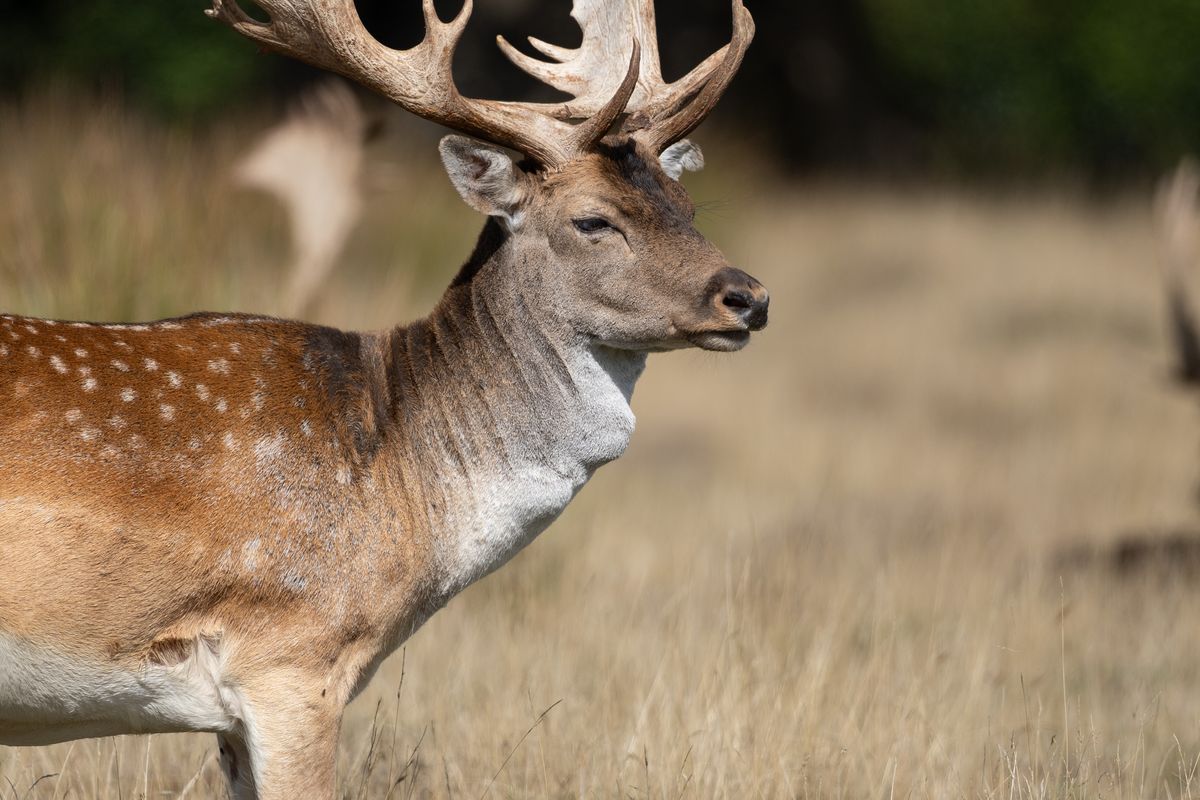
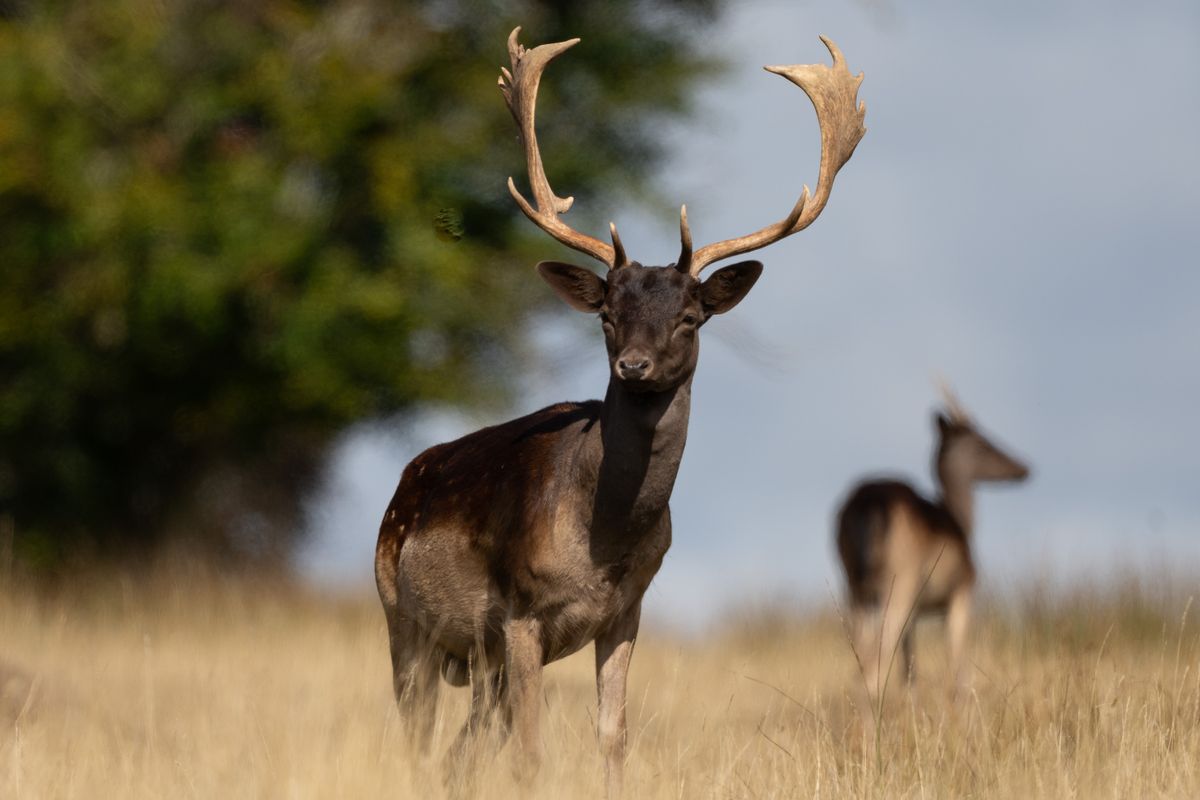
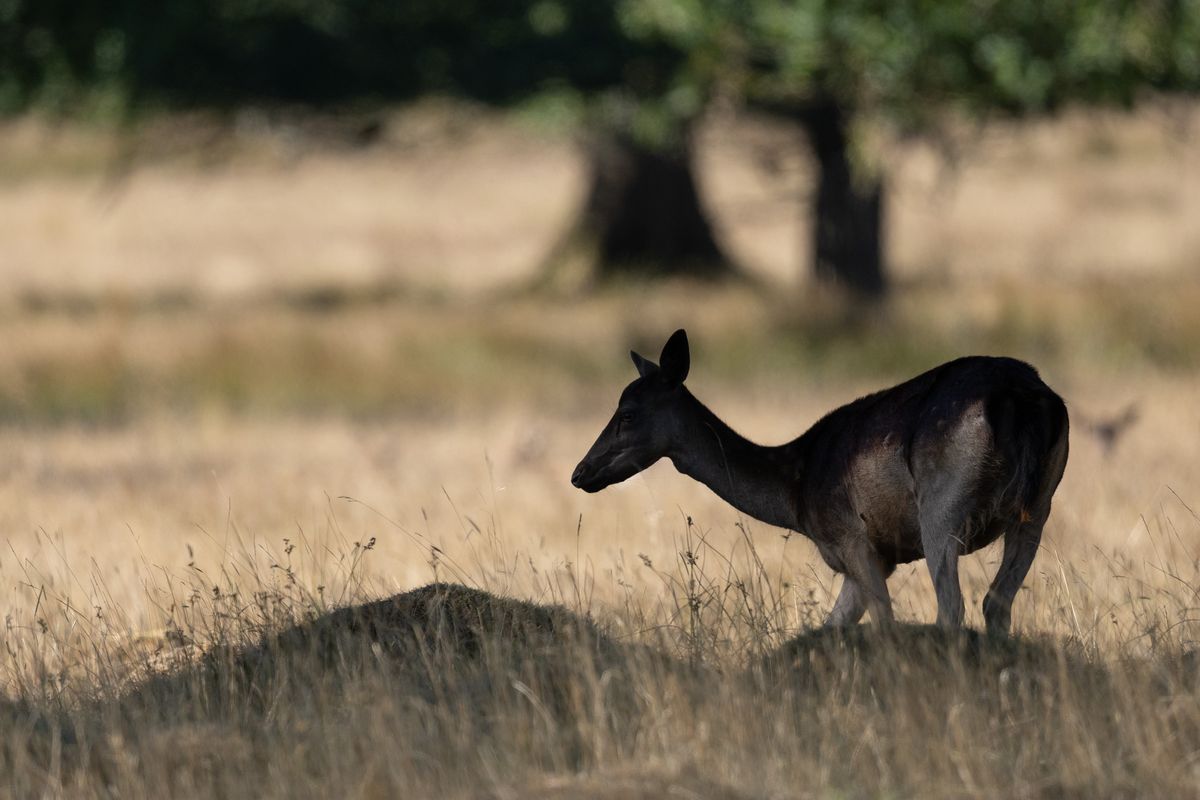
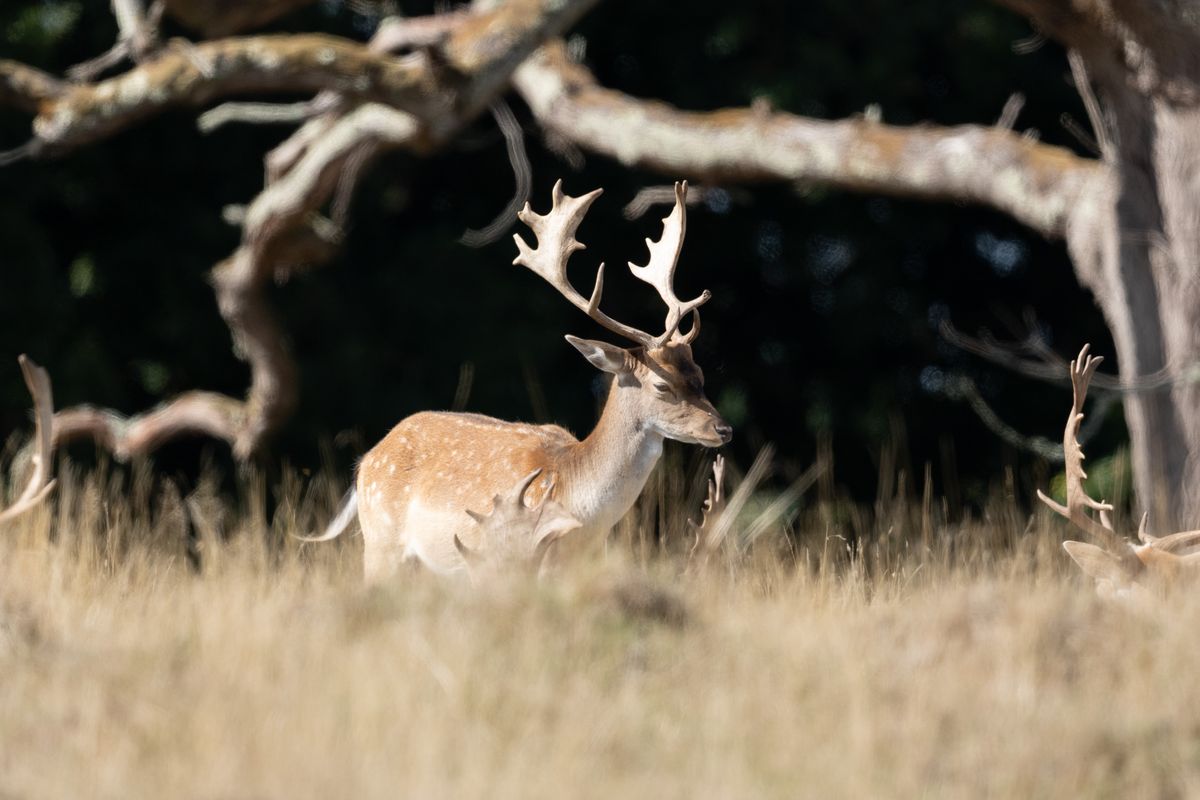
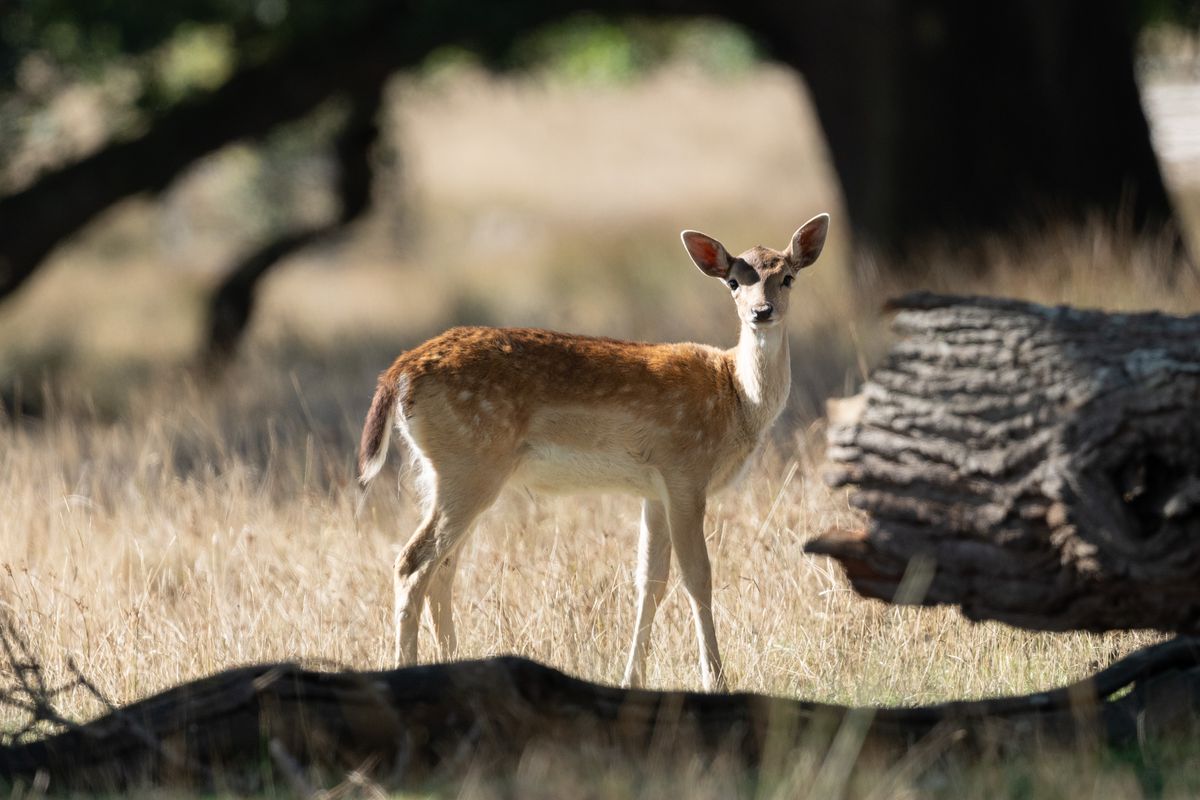
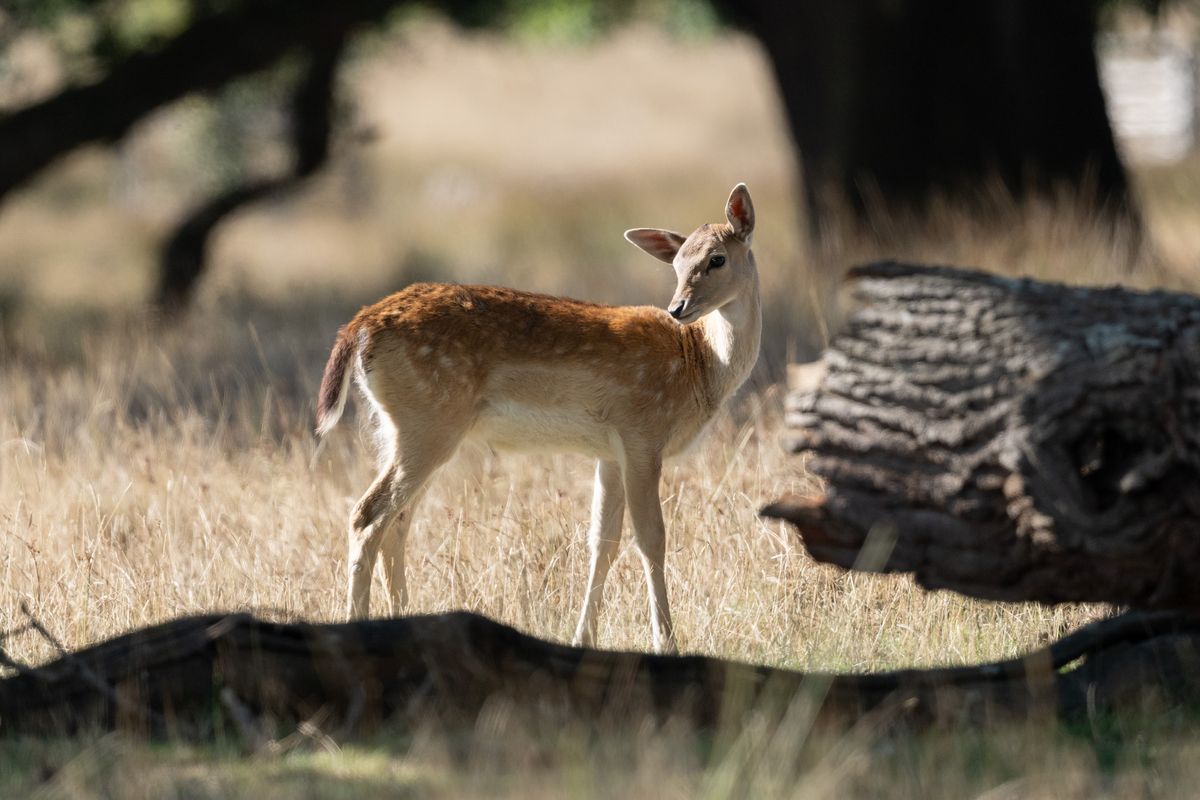
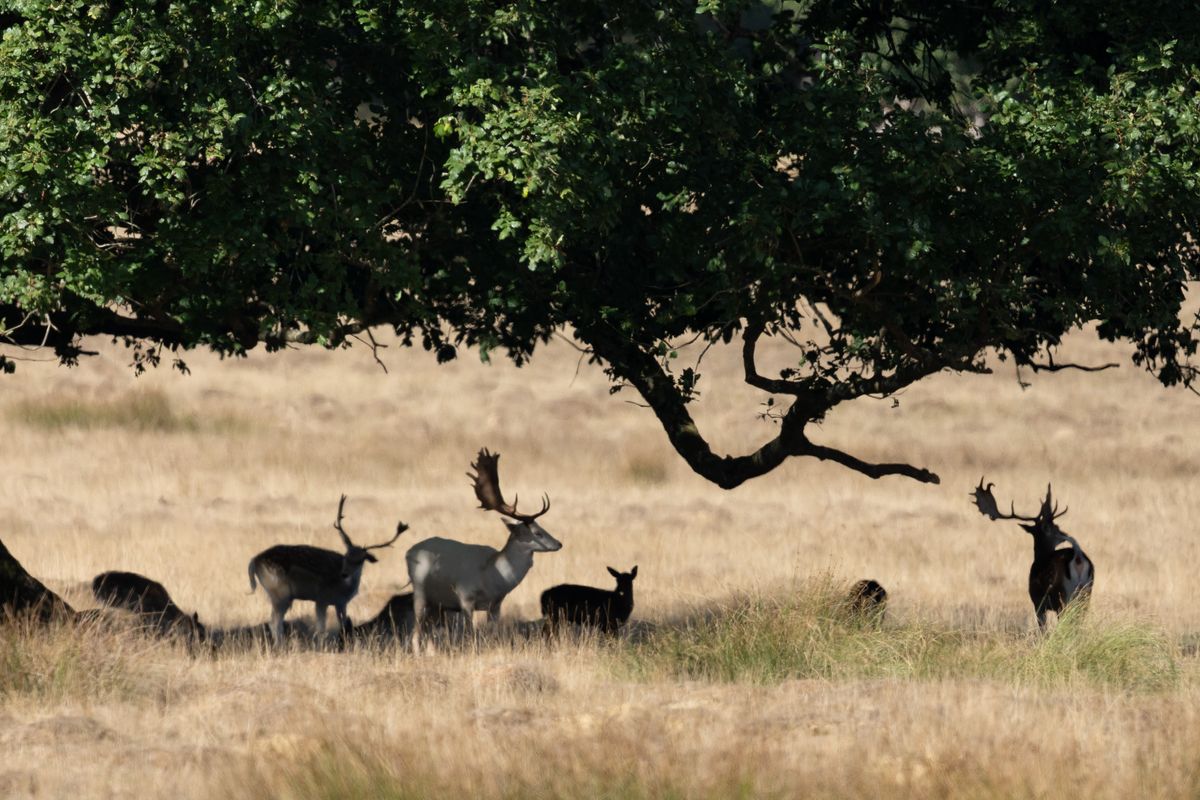
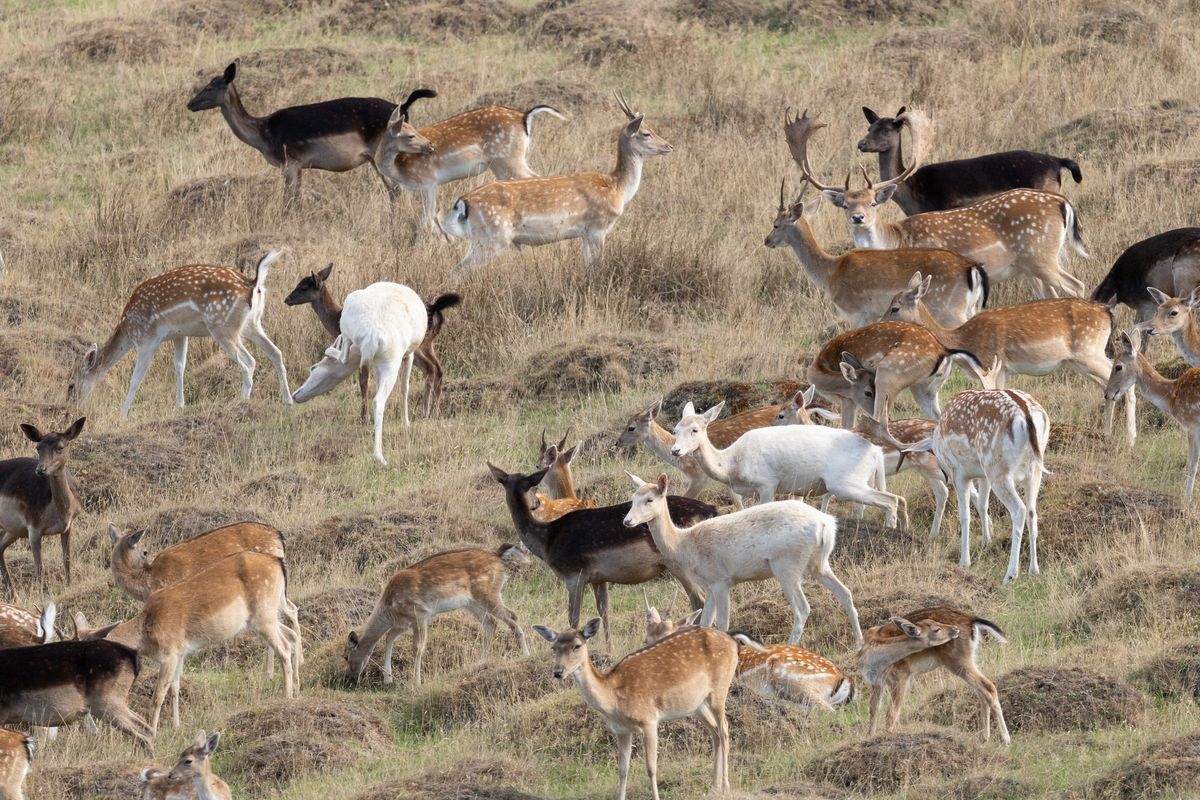
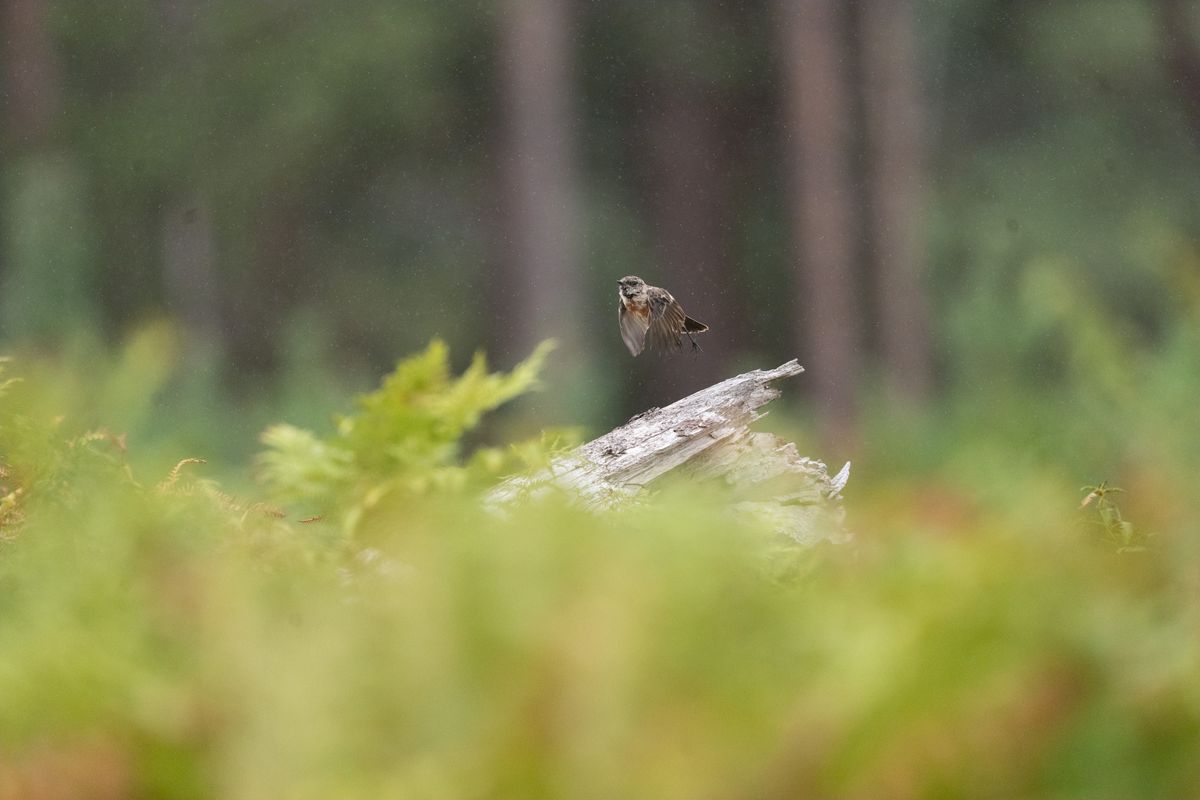
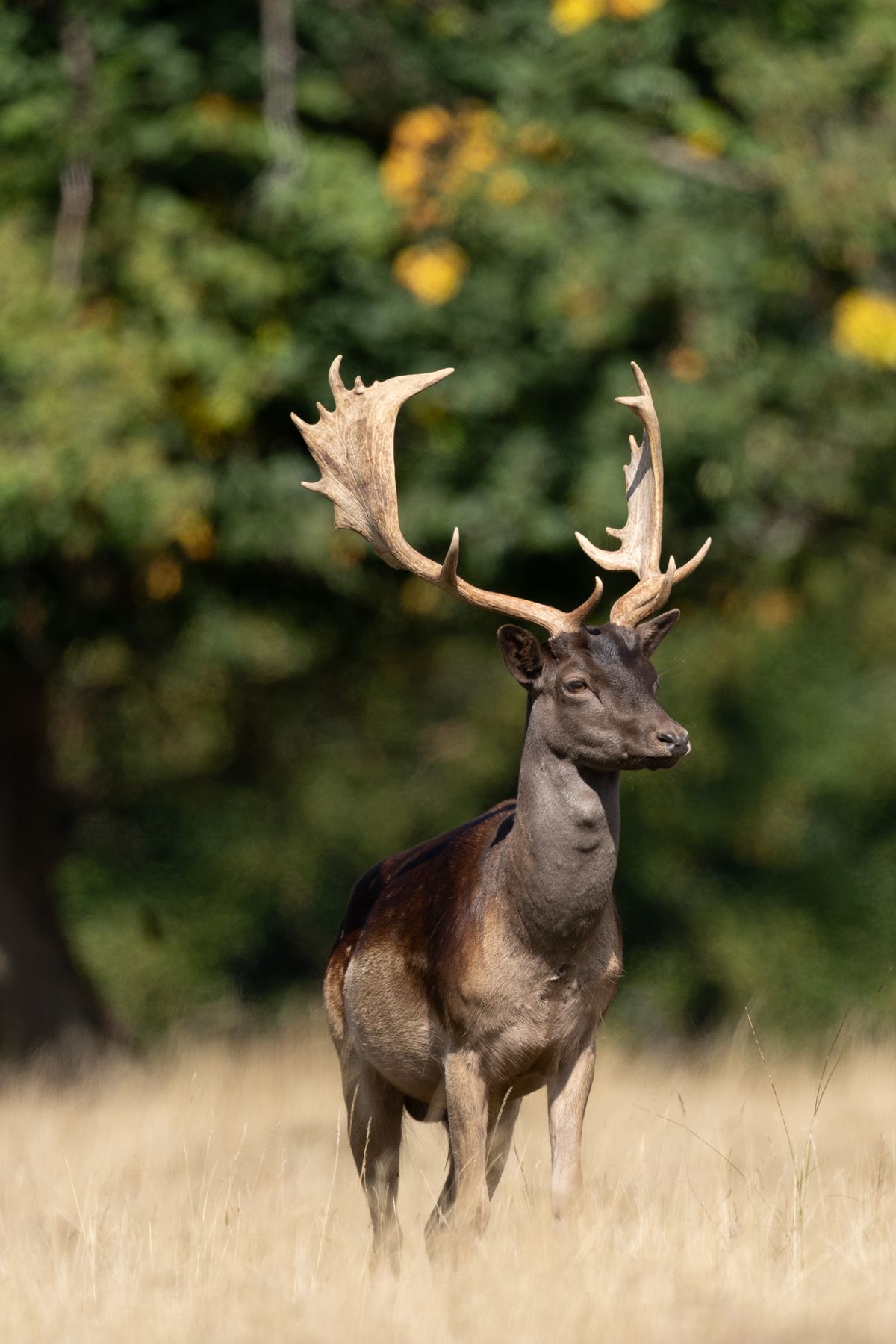
I used the maximum aperture of each lens for the majority of the photos I took, and image quality is impressive — you can see for yourself in the gallery of some of my favorite shots below.
There's no particular sign of vignetting at the maximum aperture, while chromatic aberration is well controlled. Bokeh is smooth, too, while detail in subjects, provided they're not too far away and they're in focus, is crisp.
When depth of field is narrow and subjects are at some distance, images benefit from a little sharpening, but otherwise I'm really happy with the photos I took. The original images you see in the galleries are converted RAW files, which are largely unedited — I haven't applied any sharpening.
Image 1 of 3


Should I buy?
Buy it if...
You want a high-quality, super-telephoto prime that's easy on the body
Sony's GM-quality optics, in a lightest-of-their-kind body — these are dreamy lenses for long days photographing wildlife and sports.
You're an enthusiast wildlife photographer with deep pockets
They're more affordable than Sony's high-end 400mm and 600mm lenses (but by no means cheap), and with a slighter smaller maximum aperture.
Don't buy it if...
You want zoom versatility
Sony has compelling zoom lens alternatives for both of the 400mm and 600mm primes — so if you can live with the extra weight and, in some cases, slightly smaller maximum aperture, these alternatives could be a better bet.
You're a casual wildlife and sports photographer
Unless wildlife and sports photography are your thing, these lenses could be a little overkill.
How I tested the Sony FE 400mm F4.5 GM OSS / Sony FE 600mm F6.3 GM OSS
- Sony loaned me the FE 400mm F4.5 GM OSS and FE 600mm F6.3 GM OSS weeks ahead of their unveiling
- I received the lenses with a Sony A7 V body to test them
- I used the lenses in actual wildlife photography scenarios, and carried them over many hours
I was fortunate to receive both lenses from Sony, with an A7 V body, several weeks ahead of their announcement, and was able to give them a proper test in the scenarios that people would use them.
I went to a wetland reserve to photography birdlife and insects including dragonflies, and to a historic park that's habited with deer. On multiple occasions I carried both lenses and camera over the course of several hours, and used the gear in bright daylight, under light rain, and as daylight faded.
I mainly used the maximum aperture of each lens, but also stopped aperture down to make comparisons. I set the camera up specific to each scenario, with the appropriate subject detection autofocus.
First reviewed September 2026

Tim joined the TechRadar team as Cameras Editor in 2023 and has enjoyed more than 15 years as a tech journalist specializing in camera gear. He's previously worked at Amateur Photographer, for a photo accessory manufacturer and as a freelance photographer and video producer, with clients including Studio 44 and Canon. He also started a media team in Nairobi, Kenya, where he lived for a few years volunteering for a faith-based organisation. Tim is married, father of three children, and loves being active, primarily running since hanging up his football boots.
You must confirm your public display name before commenting
Please logout and then login again, you will then be prompted to enter your display name.
What's Your Reaction?
 Like
0
Like
0
 Dislike
0
Dislike
0
 Love
0
Love
0
 Funny
0
Funny
0
 Wow
0
Wow
0
 Sad
0
Sad
0
 Angry
0
Angry
0







Comments (0)