

Syfy's 10/10 Space Opera Remake Is So Good, We Forgave It For Totally Ignoring Canon


Published Jul 24, 2026, 8:30 PM EDT
Tom is a Senior Staff Writer at Screen Rant, with expertise covering everything from hilarious sitcoms to jaw-dropping sci-fi epics.
Initially he was an Updates writer, though before long he found his way to the TV and movies team. He now spends his days keeping Screen Rant readers informed about the TV shows of yesteryear, whether it's recommending hidden gems that may have been missed by genre fans or deep diving into ways your favorite shows have (or haven't) stood the test of time.
Tom is based in the UK and when he's not writing about TV shows, he's watching them. He's also an avid horror fiction writer, gamer, and has a Dungeons and Dragons habit that he tries (and fails) to keep in check.
Sign in to your ScreenRant account
For decades, Syfy kept the space operas alive on the small screen. Still, while the network has some iconic shows in the genre under its belt, including Farscape and The Expanse, one stands out not just for its quality, but because it also ranks among the best reboots of a classic franchise ever to grace television. That series is the 2004 run of Battlestar Galactica, a rare sci-fi remake that doesn’t just match the source material; it surpassed it.
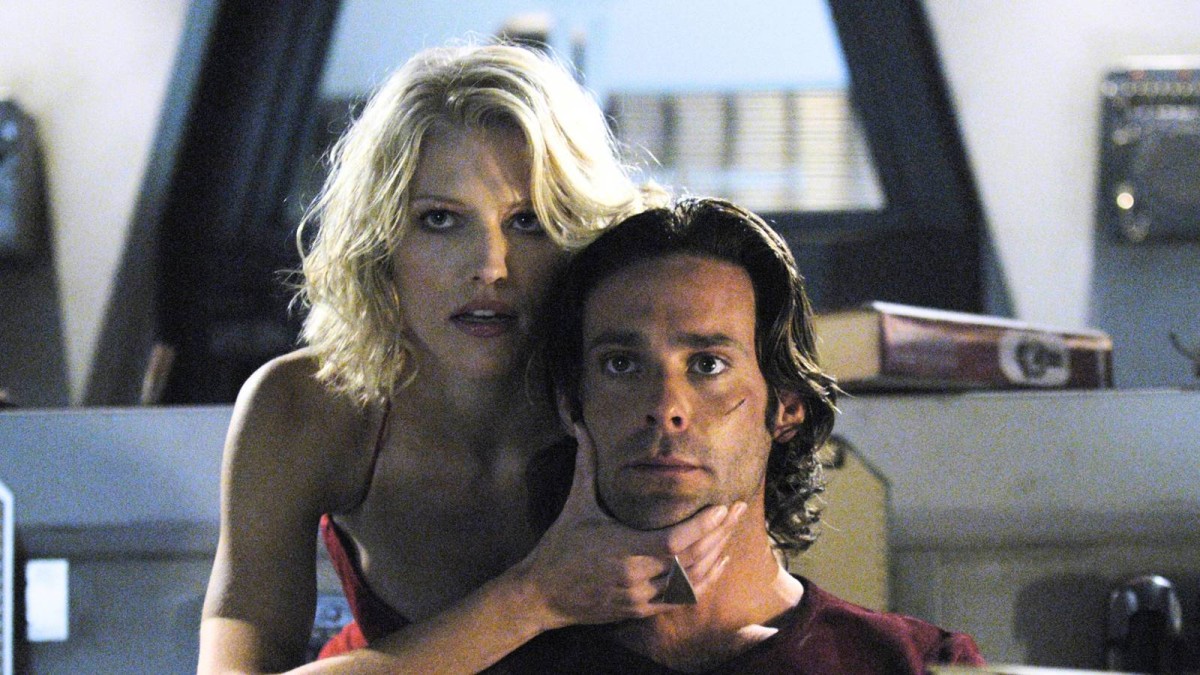
In 2004, Syfy launched its reboot of Battlestar Galactica, bringing the classic 1978 space opera into the 21st century. To say the 2000s run of Battlestar Galactica was good is an understatement. It was nothing short of brilliant, with even the most ardent fans of the original 1970s version eagerly embracing it. Syfy’s Battlestar Galatica wasn’t simply a show the breathed fresh life into an old franchise. It was a gripping sci-fi drama that became one of television's defining modern space operas.
This is an achievement for many reasons, and among them is just how liberal Syfy was with its reboot approach. The 2004 version of Battlestar Galactica isn't simply the 1978 version with updated visuals and a more modern feel. It's almost an entirely different show. Syfy didn't just take a lax approach to the established canon of 1970s Battlestar Galactica; the network ignored it altogether. Remarkably, this made the reboot even better, allowing it to reinvent the franchise without being constrained by its predecessor.
Battlestar Galactica Rebooted The 1978 Show In Name Only

While the 2000s Battlestar Galactica is technically a reboot, it's very different from many attempts to modernize and resurrect old franchises. The 1978 and 2004 versions couldn't be more different. Both are sci-fi TV shows featuring an alien race known as Cylons and are set aboard the titular capital ship, but that's essentially where the similarities end.
The original Battlestar Galactica follows Commander Adama (Lorne Greene) as he leads a fleet of survivors through space after the Cylons destroy the Twelve Colonies. The reboot, meanwhile, places its own Commander Adama (Edward James Olmos) at the center of a much darker story about survival, identity, religion, politics, and humanity's struggle against an increasingly sophisticated Cylon threat.
If the 2004 version had changed the names of the Cylons and the Galactica itself, it could have been marketed as an entirely original science-fiction story, and almost every viewer would have been none the wiser. Syfy's Battlestar Galactica reboot retained the basic premise and some recognizable terminology, but rebuilt the franchise from the ground up, making its disregard for the original canon a strength rather than a weakness.
Even The Battlestar Galactica Reboot's OG Characters Are Totally Different

In many reboots, old characters are recast but, for the most part, aren't changed too much. That's not the case with Battlestar Galactica. The characters who appear in both versions, such as Starbuck and Apollo, have completely different roles and personalities, while several major characters are gender-swapped for the reboot.
Starbuck, played by Dirk Benedict in the 1970s Battlestar Galactica and Katee Sackhoff in the reboot, is perhaps the clearest example. The original version is a charming, womanizing male Colonial Warrior, while the reboot's Kara "Starbuck" Thrace is a fiercely independent female pilot with a volatile personality and considerably more emotional complexity.
Apollo, played by Richard Hatch in the original and Jamie Bamber in the reboot, also undergoes significant changes. The two versions share a name and a position as a skilled pilot, but their personalities and character arcs are substantially different. To say they're different versions of the same characters feels like a stretch, since all any of them really share across both versions of Battlestar Galactica is their names.
Battlestar Galactica's Tone Is Very Different In The Reboot
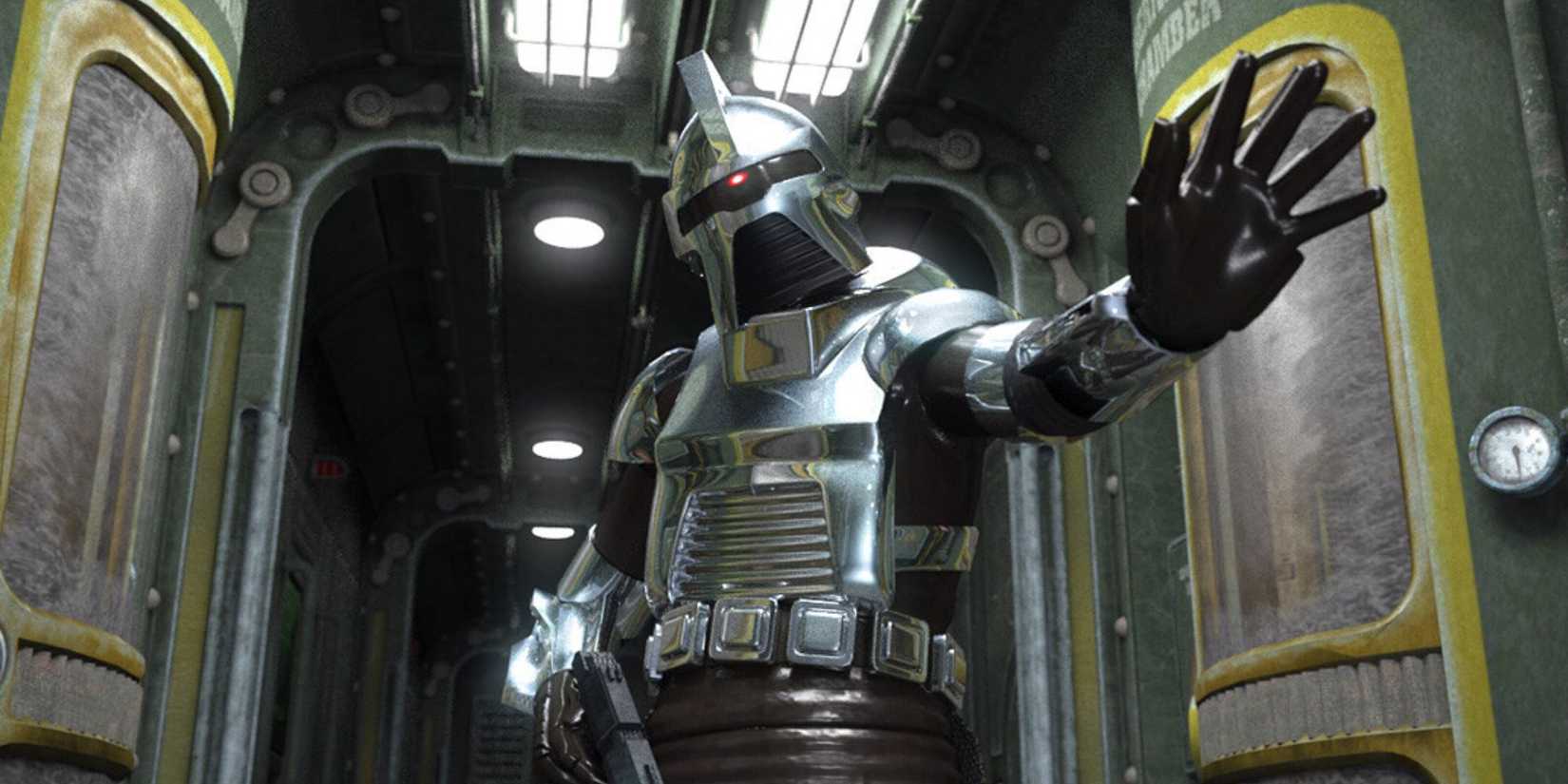
The tonal shift between the two versions of Battlestar Galactica is arguably even more dramatic than the changes to their characters. The 1978 series is an adventurous space opera with a bright, straightforward tone, colorful costumes, and a sense of optimism that reflects its era.
The 2004 Battlestar Galactica reboot, meanwhile, embraces a far darker and more grounded atmosphere. The Cylons aren't simply mechanical enemies that can be defeated in battle; they're a highly sophisticated threat capable of infiltrating human society and adept at psychological warfare. The 2000s run also has much greater thematic depth, exploring topics like genocide, religion, military ethics, political extremism, and the psychological consequences of a prolonged lack of safety.
That darker approach was necessary for the Battlestar Galactica reboot to succeed in the 21st century. Simply updating the original's visuals while retaining its lighter tone would have resulted in a series that felt instantly dated depite its polished tone. Instead, the reboot treated the core concept with seriousness while exploring themes that gave its sprawling story greater emotional weight.
Despite Everything, It's Possible Both Versions Of Battlestar Galactica Exist In The Same Universe

Despite the immense differences between the 2000s and 1970s versions of Battlestar Galactica, they can plausibly exist within the same universe. The mythology of Syfy's Battlestar Galactica reboot introduces the idea of repeating cycles of destruction and rebirth, meaning the original series could simply represent another iteration of the same cosmic pattern.
The Sacred Scrolls famously state, "all this has happened before, and all this will happen again." That idea creates remarkable flexibility for the franchise's continuity. The 1978 version of Battlestar Galactica could theoretically have occurred before the 2004 story, or after it, during a different cycle entirely.
There's literally no reason the original run couldn't happen either before or after the 2000s version, allowing both iterations of Battlestar Galactica to coexist without truly breaking one another's canon. They remain wildly different interpretations, but the reboot's own mythology arguably provides enough room for both to be part of the same vast, cyclical history.
That may be the greatest achievement of the 2004 Battlestar Galactica. It ignored the original show's canon almost completely, yet it didn't erase what came before. Instead, it built something so compelling and thematically rich that the lack of direct continuity barely mattered. Syfy's reboot wasn't faithful in the traditional sense, but its willingness to reinvent the franchise is precisely what made the 2000s run of Battlestar Galactica one of TV’s greatest space operas.
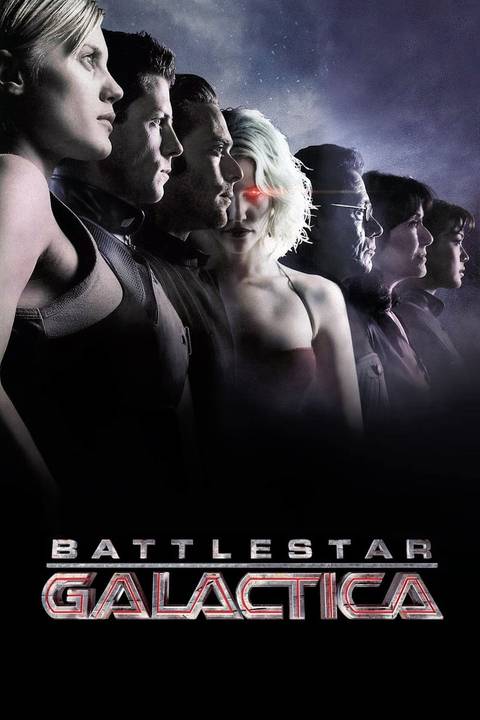
Release Date 2004 - 2009-00-00
Showrunner Ronald D. Moore
Directors Wayne Rose, Michael Nankin, Rod Hardy, Sergio Mimica-Gezzan, Edward James Olmos, Robert M. Young, Jeff Woolnough, Félix Enríquez Alcalá, Jonas Pate, Allan Kroeker, Anthony Hemingway, Jean de Segonzac, Marita Grabiak, James Head, Paul A. Edwards, Gwyneth Horder-Payton, Brad Turner, Ronald D. Moore, Bill Eagles
Writers Carla Robinson, Michael Taylor, Bradley Thompson, David Weddle, Jane Espenson, Mark Verheiden, Michael Angeli, Anne Cofell Saunders, Jeff Vlaming, Michael Rymer, Dawn Prestwich, Nicole Yorkin, Seamus Kevin Fahey
-

Edward James Olmos
William Adama
-

Mary McDonnell
Laura Roslin
What's Your Reaction?
 Like
0
Like
0
 Dislike
0
Dislike
0
 Love
0
Love
0
 Funny
0
Funny
0
 Wow
0
Wow
0
 Sad
0
Sad
0
 Angry
0
Angry
0





Comments (0)