

The ColorChecker, photography’s most important 24 squares, turns 50
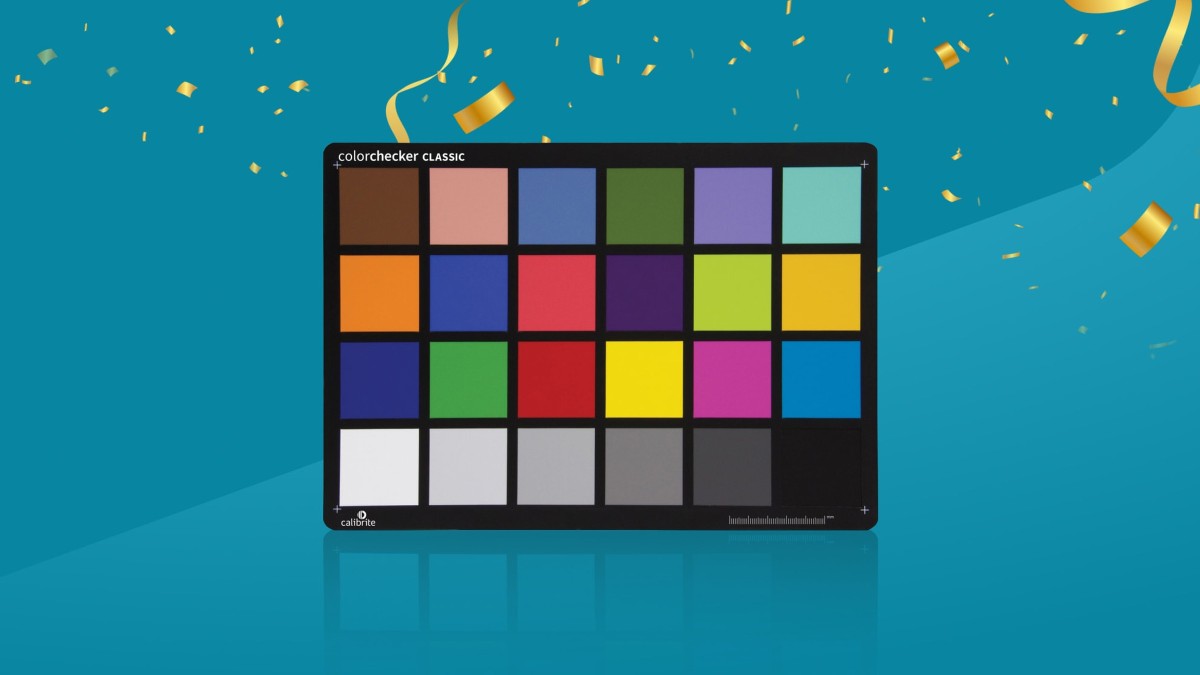
Calibrite is marking the anniversary with a virtual museum of the chart’s five decades.
 Calibrite
If you’ve ever held a small card of 24 colored squares up to your subject, you’ve used a piece of imaging history that just hit a milestone birthday. The ColorChecker (also called the Macbeth chart if you’ve been around a while) is turning 50, and Calibrite has marked the occasion with a virtual museum for the little chart that helps photographers keep colors accurate.
The anniversary hub for the occasion includes a timeline from the founding of the Macbeth Artificial Daylight Company to today, along with fun facts about the card and some of its famous uses. It also breaks down the purpose behind each of the 24 patches and features a quiz to test your knowledge of each color.
The small chart debuted in a 1976 paper, “A Color-Rendition Chart,” by C.S. McCamy, H. Marcus and J.G. Davidson, written while Macbeth was a division of Kollmorgen. The idea was simple but clever: each patch was locked to a spectral reflectance value instead of a printed ink mix, so the card could be measured, reproduced and trusted across different materials and lighting conditions.
 For more demanding work, the Digital SG version offers 140 color squares — including the original 24, a 17-step grayscale ramp and 14 skin-tone targets.Calibrite
When photography went digital, the ColorChecker came along for the ride. Shoot a Raw file with one in the frame, then feed it into Adobe Lightroom or DxO PhotoLab, and you get a custom camera profile that pulls your colors closer to how the scene actually looked. The ColorChecker Digital SG, though, saw an expansion of color, jumping to 140 squares that include the original 24 colors, a 17-step grayscale for fine tonal control, and 14 dedicated skin-tone patches.
The card has changed hands a few times: Gretag, GretagMacbeth and X-Rite all owned it before Calibrite took over. It’s also changed in size. The original measured roughly 13 by 9 inches, with proportions that closely match a 35mm film frame, and it now comes in a range of sizes, including one barely bigger than a postage stamp for macro subjects. But the patch layout and spectral targets have stayed consistent enough that profiles built around the standard remain interchangeable. Fifty years on, and photographers still reach for this tool for the same reason they always did.
Want to stay up to date on the latest product news and releases? Add DPReview as a preferred source to ensure our independent journalism makes it to the top of your Google search results.

What's Your Reaction?
 Like
0
Like
0
 Dislike
0
Dislike
0
 Love
0
Love
0
 Funny
0
Funny
0
 Wow
0
Wow
0
 Sad
0
Sad
0
 Angry
0
Angry
0








Comments (0)