

The Ocarina of Time remake's release date window is more important than you might think

Published Jun 17, 2026, 1:01 PM EDT
Looks like big holiday launches are back on the menu
 Image: Nintendo EPD/Nintendo
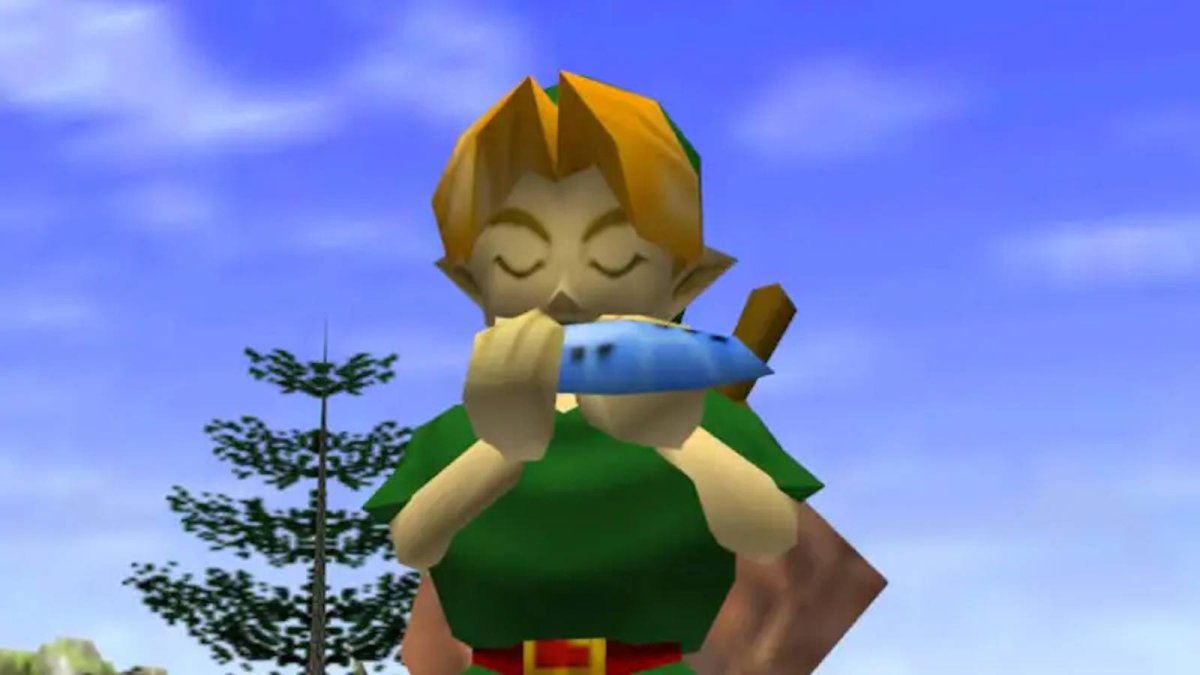
Nintendo might do something it hasn't done for years: launch a major first-party game for the holidays. Once upon a time, the final three months of the year were Nintendo's big annual moment, the time when it showed off its newest tricks and renewed a sense of promise for the future of its platforms. Since the mid-2010s, though, by accident and then design, Nintendo has had less to show and different plans for when to show it. Summer became king, while November and December often passed entirely unnoticed by the company. Games came and went in a steady rhythm that defined the future, big moments no longer required. But with The Legend of Zelda: Ocarina of Time remake, Nintendo is very deliberately returning to that sense of pent-up excitement and holiday release.
So when will The Legend of Zelda: Ocarina of Time remake come out? As of this writing, Nintendo hasn’t said. But my money’s on late October or early December — partially because of the current state of fall’s release landscape, and partially because of how Nintendo's setting up the remake.
In the heady twilight of the Wii's success and the false promising dawn of the 3DS, Nintendo was much like every other big publisher. The year's closing months were marked for the birth of at least one major game, something to generate buzz and money over the holidays. Nintendo went into the final days of 2011 with a triple-barreled approach: The Legend of Zelda: Skyward Sword for the Wii in November, then Mario Kart 7 and Super Mario 3D Land for the 3DS in December.
This was Nintendo's penultimate big holiday. 2012 was a quiet year, an ill omen for the dry, creaking software pipeline that ended up characterizing the Wii U. On the handheld side, though, Nintendo and The Pokémon Company began a pattern that continued for more than a decade: Autumn was Pokémon season.
2013 continued that pattern and started a new one. Pokemon X and Y launched in October, alongside The Legend of Zelda: Wind Waker HD, a literal glow-up that added some high-definition sheen to the GameCube game and cut out some of the tedium. Super Mario 3D World followed for the Wii U in November, as did Link Between Worlds for the 3DS.
Then the wheels started to come off. Aside from the reliable launch of a new set of Pokémon games (remakes, this time) near the end of 2014, Super Smash Bros. was the only major release that holiday season. It sold well, though less and over a longer period of time than most Switch and Switch 2 games have. But it was a noticeable downgrade compared to Nintendo's glitzier previous years. Nintendo's planning troubles were increasingly difficult to ignore.
From then on, the holidays were the domain of Pokémon, spinoffs, games with smaller audiences, or nothing at all. 2015 saw the first Yo-Kai Watch finally launch outside Japan, an ill-fated bet for Level-5 that never generated the same excitement globally as it did back home. There was a Mario Tennis game and a middling Mario & Luigi, then, in December, Xenoblade Chronicles X. Xenoblade sold half the copies of Smash Bros. on Wii U across the same span of time. 2016 had Pokémon again and nothing more.
With the advent of the Switch era, Nintendo learned it didn't need holiday hits. It just needed games people wanted to play. Super Mario Odyssey launched in late October 2017 and sold 9 million copies before the end of March 2018. But it was a strategic necessity, bookending the Switch's first summer with a second tentpole release and staving off complaints that, with "just Zelda," Nintendo still seemed to be struggling. For the rest of the year, Nintendo largely continued its pattern from the barren Wii U days, even down to launching a new Xenoblade in December again, which sold well (1 million copies in one month) but not as well as its biggest bets.
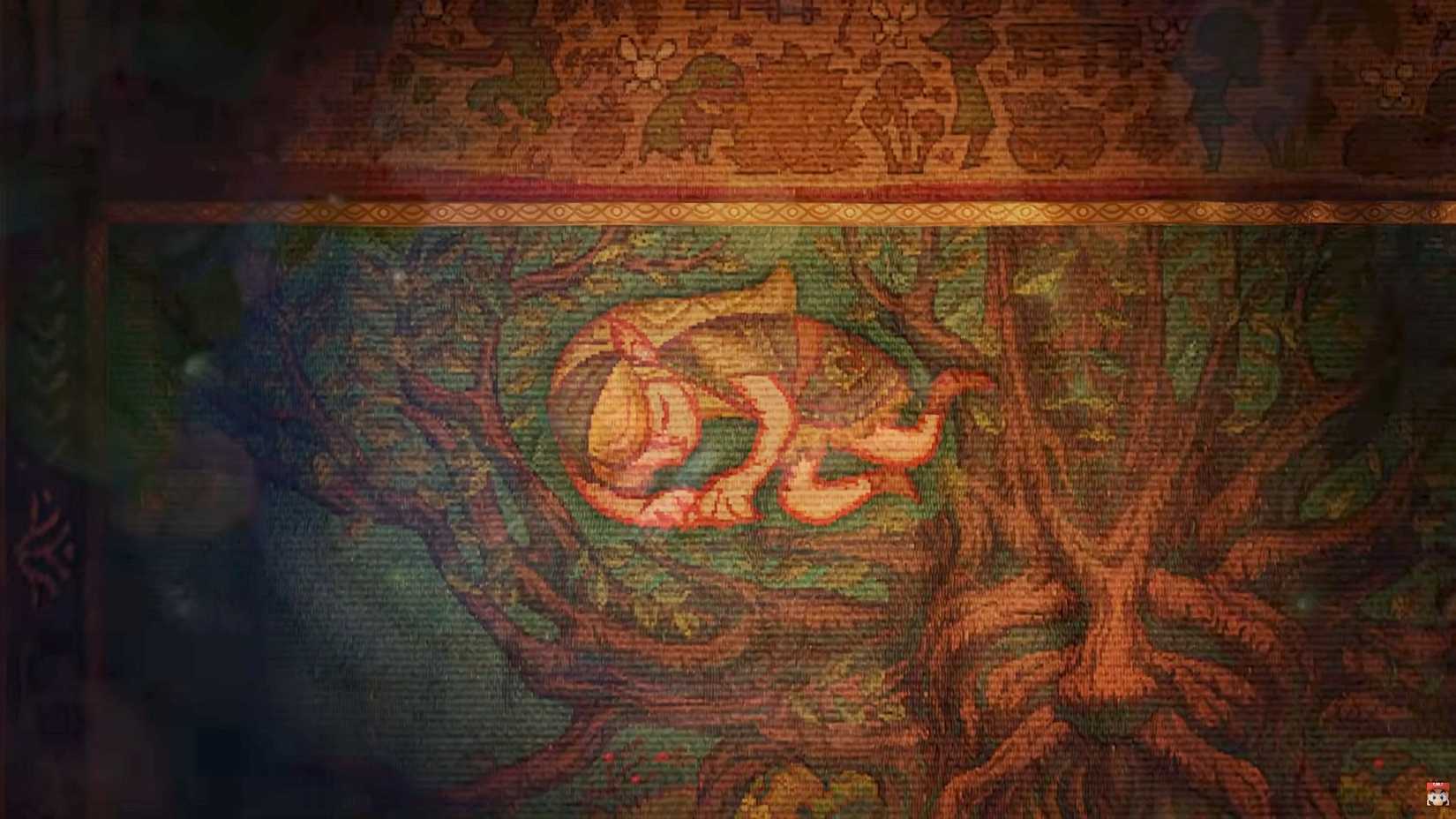 Image: Nintendo
The last months of the year for the rest of the Switch's life were still for spinoffs, ports, Pokemon, and less glamorous games. The likes of Hyrule Warriors and Pikmin 3 Deluxe helped Nintendo keep its promise of at least one new game every month, while spring and summer reliably saw its biggest launches, like Kirby and the Forgotten Land and Fire Emblem: Three Houses. Even Xenoblade Chronicles 3 moved to a summer release. The holiday fillers were good-quality fillers, but they were hardly a sign of what the future might hold.
But this was Nintendo in control of its schedule at last, after years of struggling with the Wii U and the challenges of pandemic and post-pandemic logistics. This was a company confident enough in itself to, reportedly, withhold completed games until a time it deemed was more suitable, rather than shoving them out the door as fast as possible. One that can forego an annual Pokemon release for the first time in years and so, presumably, avoid recreating the same problems that plagued the series in recent years.
Ocarina of Time might just be another remake, a yassified version of the Nintendo 64 original the same way Wind Waker HD was in the Wii U days. Maybe launching it at the end of the year is just a way to make up for missing Pokémon sales this year with what, since Breath of the Wild and Tears of the Kingdom, has become one of Nintendo's best-selling franchises. Even if it's another piece of filler, though, it's a far more important filler than any that Nintendo released in the last decade.
Switch 2 hardware and software sales continue to climb, and even with Nintendo adjusting its forecast downward, the company still expects to sell more than 16 million units. It could easily ride the year out with its strong third-party release slate or tease something brand-new for 2027. It won't.
Nintendo almost never releases more than one first-party game per month, and while it's possible Ocarina of Time could be an August surprise, such a short time between a bare-bones reveal and launch seems unlikely. September is for Fire Emblem: Fortune's Weave. That leaves October, November, or December as the only logical time frames for the rest of the year. October is suspiciously quiet, and the big meteor — you know the one — isn’t out until more than halfway through November, though December is always a possibility, after Nintendo's tentative foray back into December releases with the unfortunate Metroid Prime 4.
Whenever it launches, Nintendo's teeing it up to be a big deal for more than just being a remake of a classic. Other publishers are fleeing GTA 6 by taking refuge in September and February. Nintendo is not. It's deliberately drawing attention to the Ocarina of Time remake by launching it near GTA 6 when it doesn't have to. The message seems like a clear statement of intent — for the future of Zelda, of course, but also the Switch 2's future and what Nintendo plans for the next generation of its biggest franchises.
 Related
Nintendo's Zelda: Ocarina of Time reveal was a mistake
It's exciting, but there's too much room for speculation
What's Your Reaction?
 Like
0
Like
0
 Dislike
0
Dislike
0
 Love
0
Love
0
 Funny
0
Funny
0
 Wow
0
Wow
0
 Sad
0
Sad
0
 Angry
0
Angry
0









Comments (0)